A new centre at Canadian Mennonite University blends employment services and faith-based career exploration
The Centre for Career and Vocation prompts students to ask how social responsibility and ‘calling’ factor into their work lives.

Canadian Mennonite University’s new career centre brings a faith-based twist to career advising. The Centre for Career and Vocation offers conventional career services like job-search help, work-integrated learning placements and career education. However, it sets itself apart from most other career centres at Canadian universities by asking students to focus on how faith and social responsibility factor into what they want to do with their lives.
“Regardless of whether people believe in God or a higher power, the language of ‘calling’ is something that tends to resonate,” says centre director Christine Kampen Robinson. “I like to talk about vocation being the calling and our career the response to the call, and I think this is an approach that connects with students.”
Since all CMU students must complete a practicum in order to graduate, Dr. Kampen Robinson is also working with faculty and staff to “develop a common framework for advising and to be more explicit in their teaching and curriculum for how different aspects contribute to the development of skills, and the discernment of vocation.”
The center launched on March 1 with more than $30,000 in funding from the Network for Vocation in Undergraduate Education (NetVUE). NetVUE supports vocation exploration at 277 small liberal arts colleges and universities. CMU is the first Canadian postsecondary institution to join.



Featured Jobs
- Canada Impact+ Research ChairInstitut national de la recherche scientifique (INRS)
- Marketing - Faculty Position, Tenured or Tenure TrackUniversity of Alberta
- Vice President, Finance & AdministrationOCAD University
- Health Sciences - Assistant ProfessorSimon Fraser University
More from News
-

Addressing academia’s pretendian problem
Two Indigenous professors create a reference guide to stop scholars who falsely claim Indigenous heritage.
-

University of Saskatchewan acquires quantum computer to boost research capacity
Campus access to the technology will expand research possibilities.
-
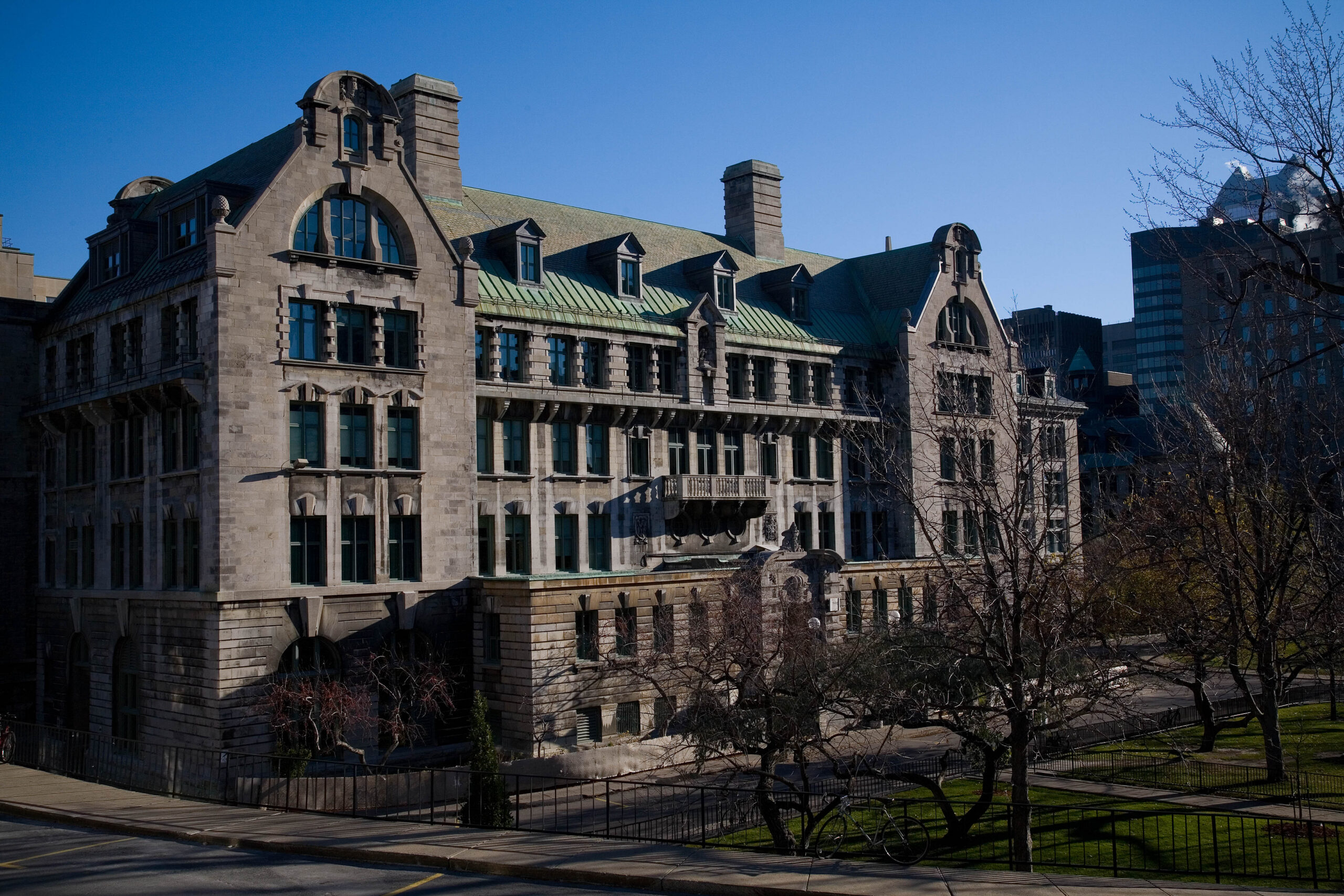
McGill appoints French emissary, makes peace with province
After dropping its legal battle over out-of-province tuition hikes, the university increases its efforts to promote French language and culture.
-
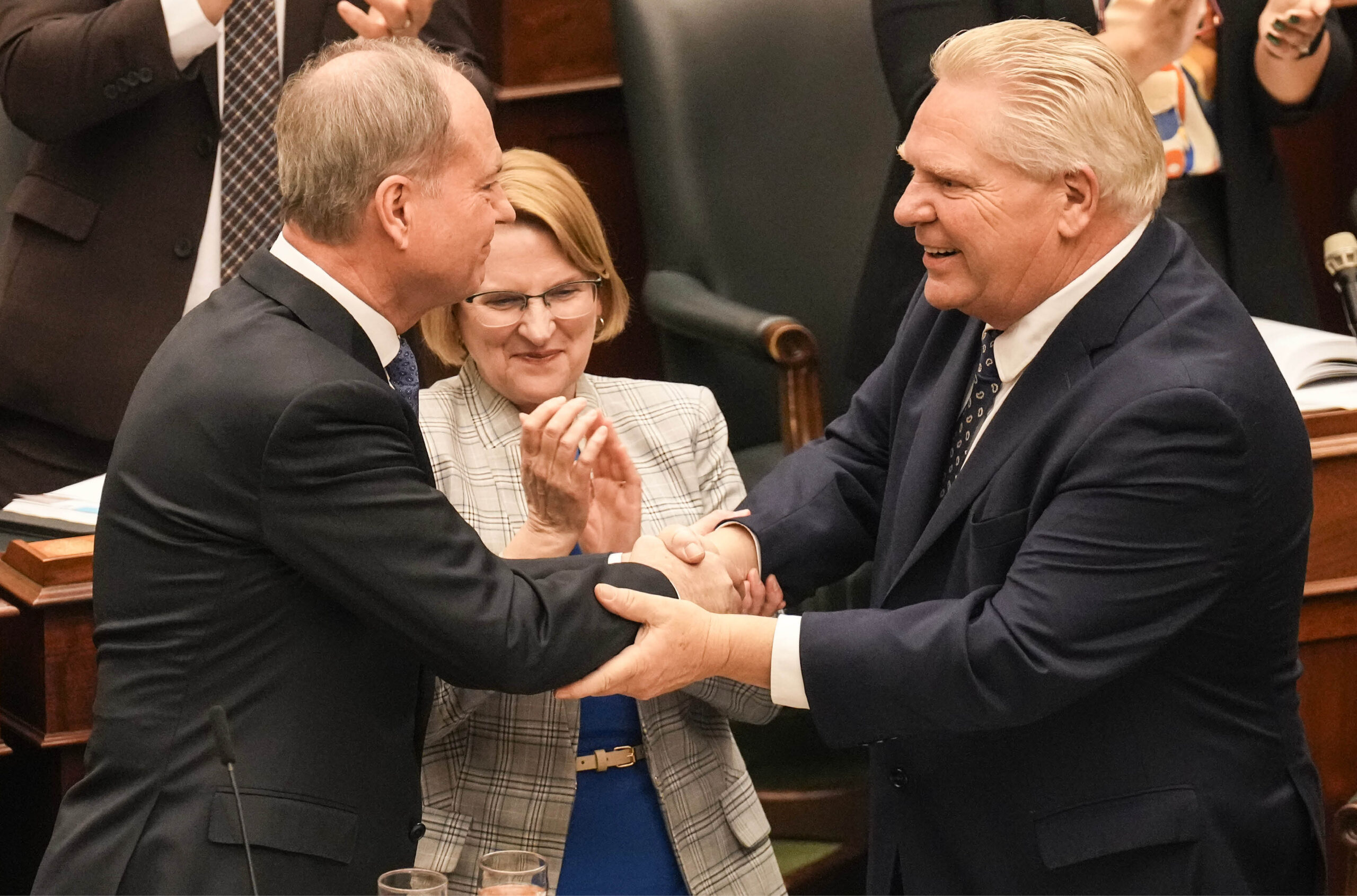
Ontario budget reaffirms $6.4 B post-secondary funding boost, adds money for infrastructure
Millions more allocated to research, clinical nursing training, and French-language education.
More from Students
-

Heading to France for your master’s?
Quebec’s Bourse Frontenac could help fund your graduate studies.
-
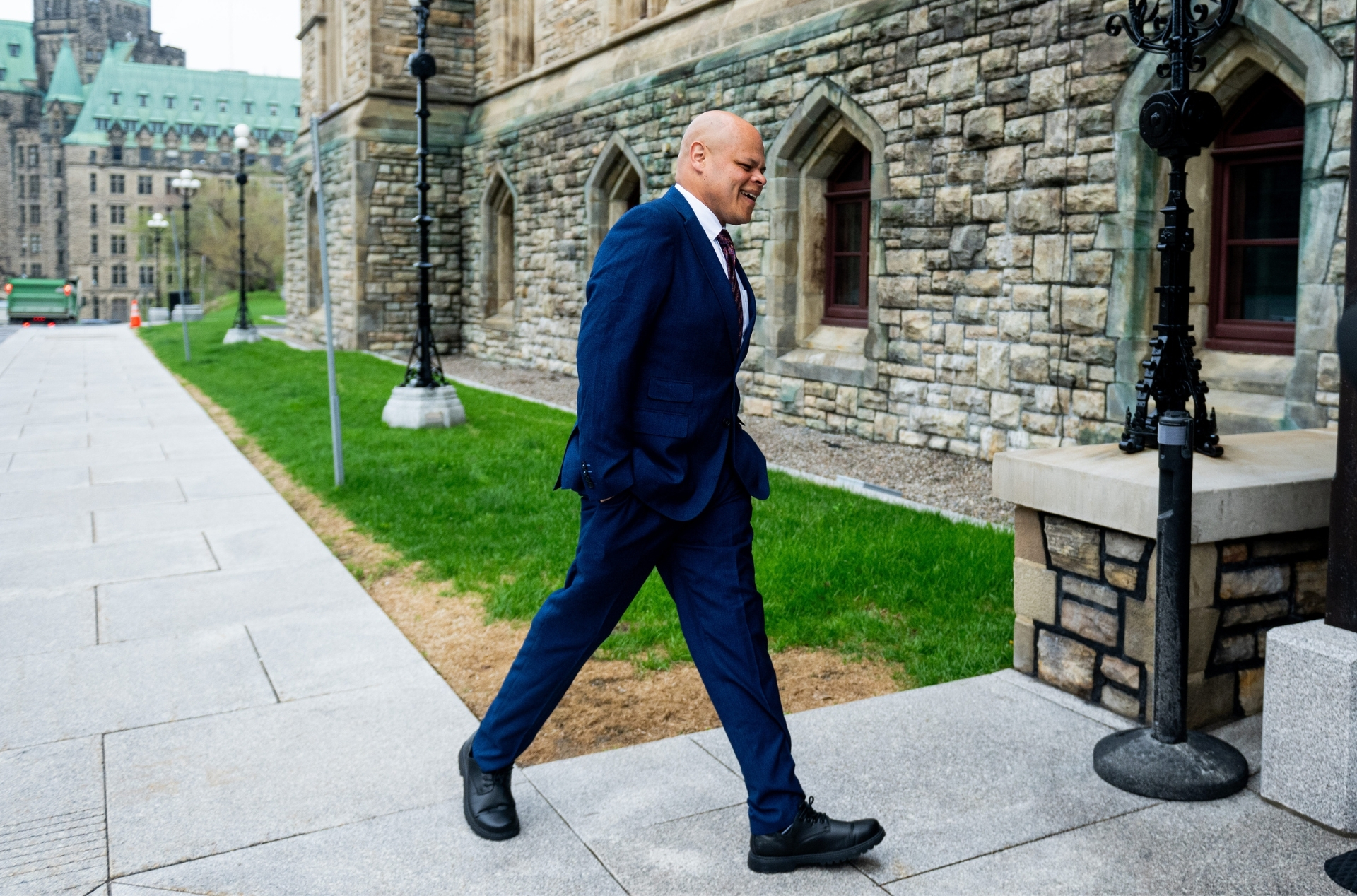
Conservative MP wraps up campus tour aiming to “Restore the North”
Modelled on the late American conservative firebrand Charlie Kirk, Jamil Jivani’s tour brought discussion of economics, immigration and identity to universities across Canada.
-
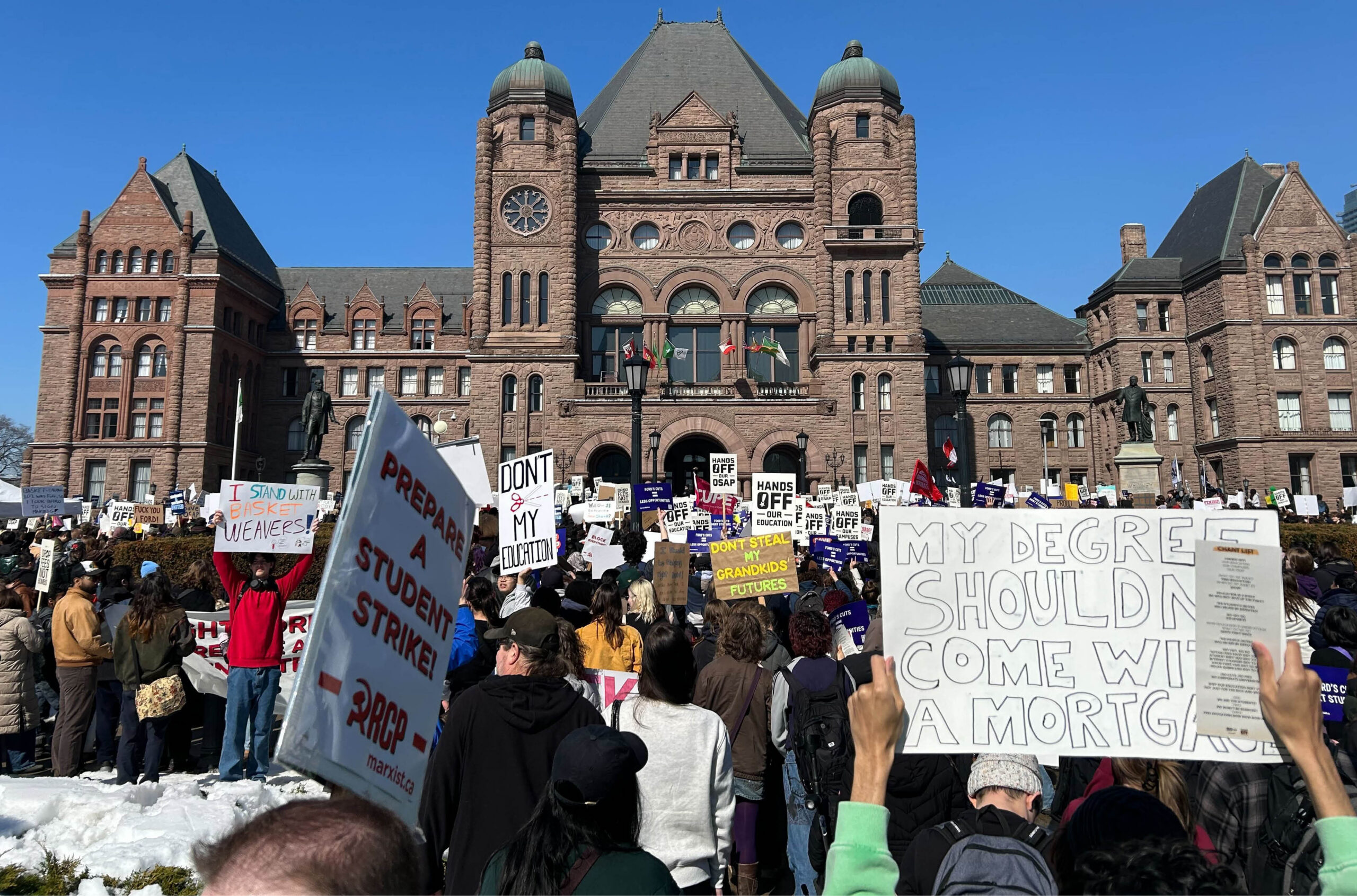
Students protest cuts to OSAP grants
Changes may push some to opt for shorter college programs instead of university.
-

Canadian university campuses in the Middle East caught in a war zone
Royal Roads campus in UAE temporarily closed as Ottawa issues shelter-in-place advisory.
More from Articles
-

Manitoba increases investment in post-secondary education, announces new commission in 2026 budget
Post-secondary institutions will receive $882.6 million in operating funding.
-
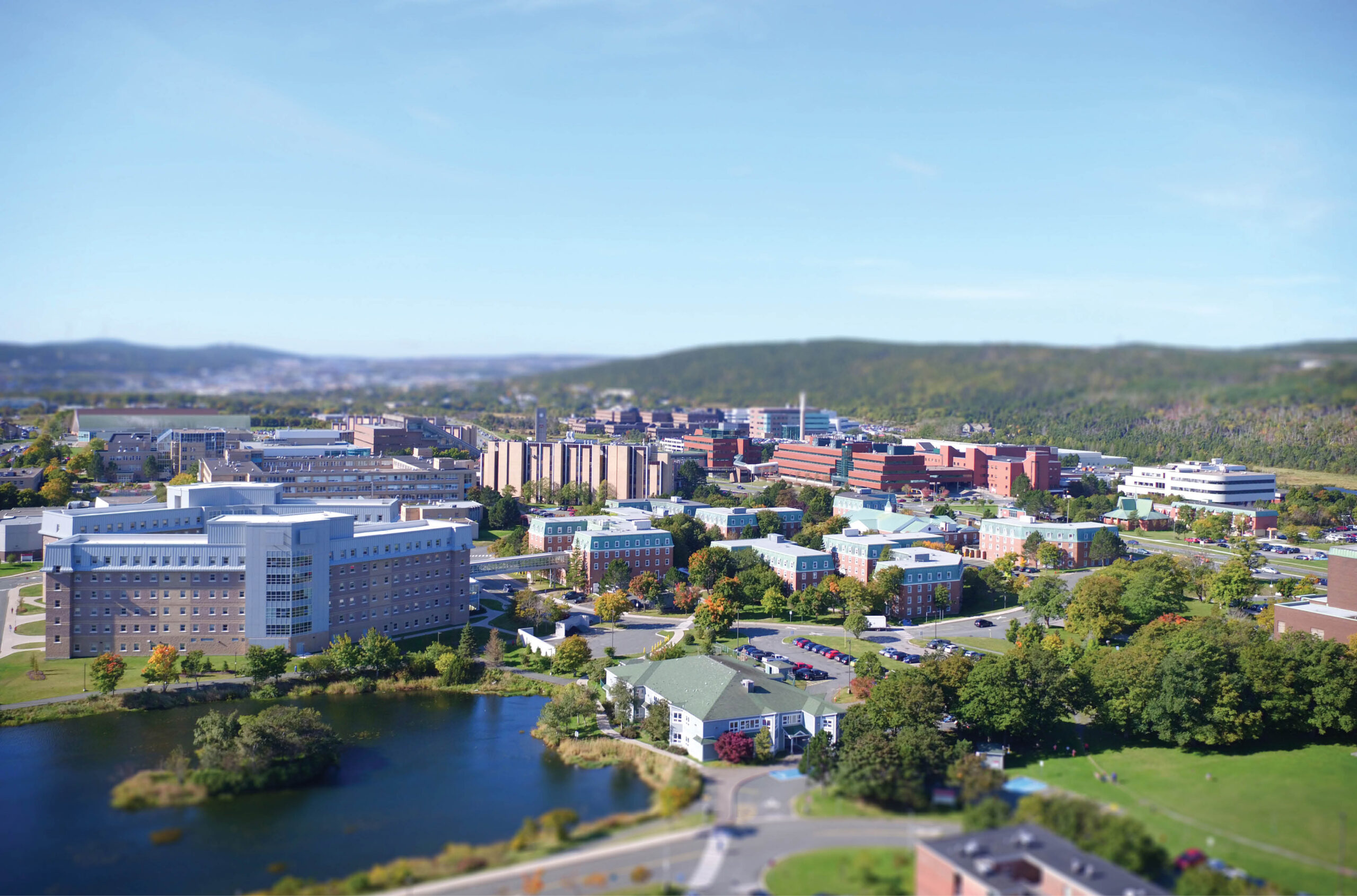
Program changes at Memorial raise concerns
Impact on faculty and students remains unclear amid decreased enrolment and financial challenges.
-

UBC leads the way on civil discourse
A successful debate series places universities at centre stage in ending polarization.
-

Quebec makes 5-year, $392M investment in universities to drive economic growth
With targeted investments in research and innovation, the provincial budget banks on universities to boost the economy — but fails to address structural underfunding.

Post a comment
University Affairs moderates all comments according to the following guidelines. If approved, comments generally appear within one business day. We may republish particularly insightful remarks in our print edition or elsewhere.