-
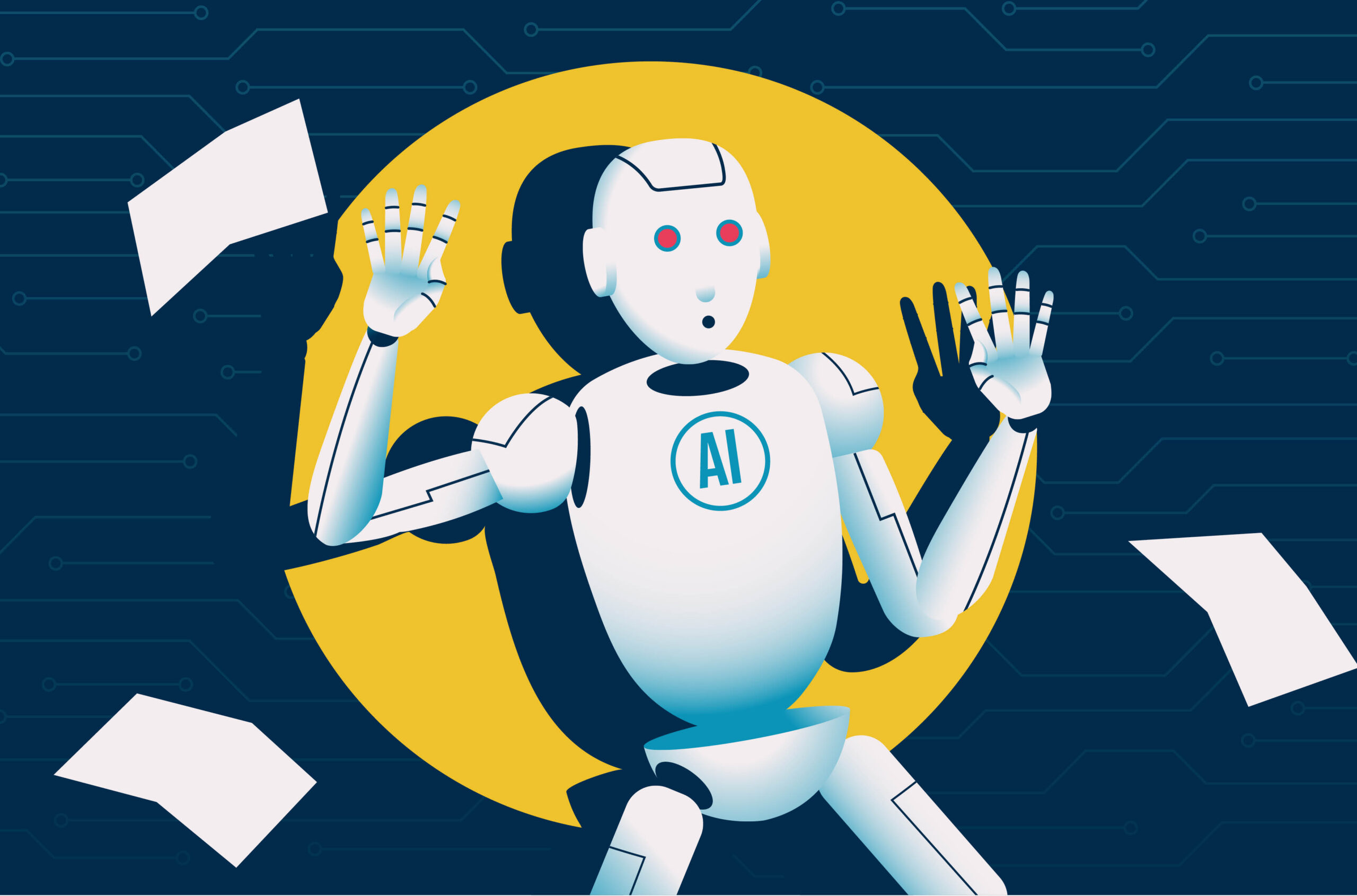
Can you spot an essay written by AI?
Learn the common patterns, limitations, and clues that may reveal AI-generated writing.
-

Gen Z meets genAI
We are the first generation to learn alongside AI. What do we owe the next?
-
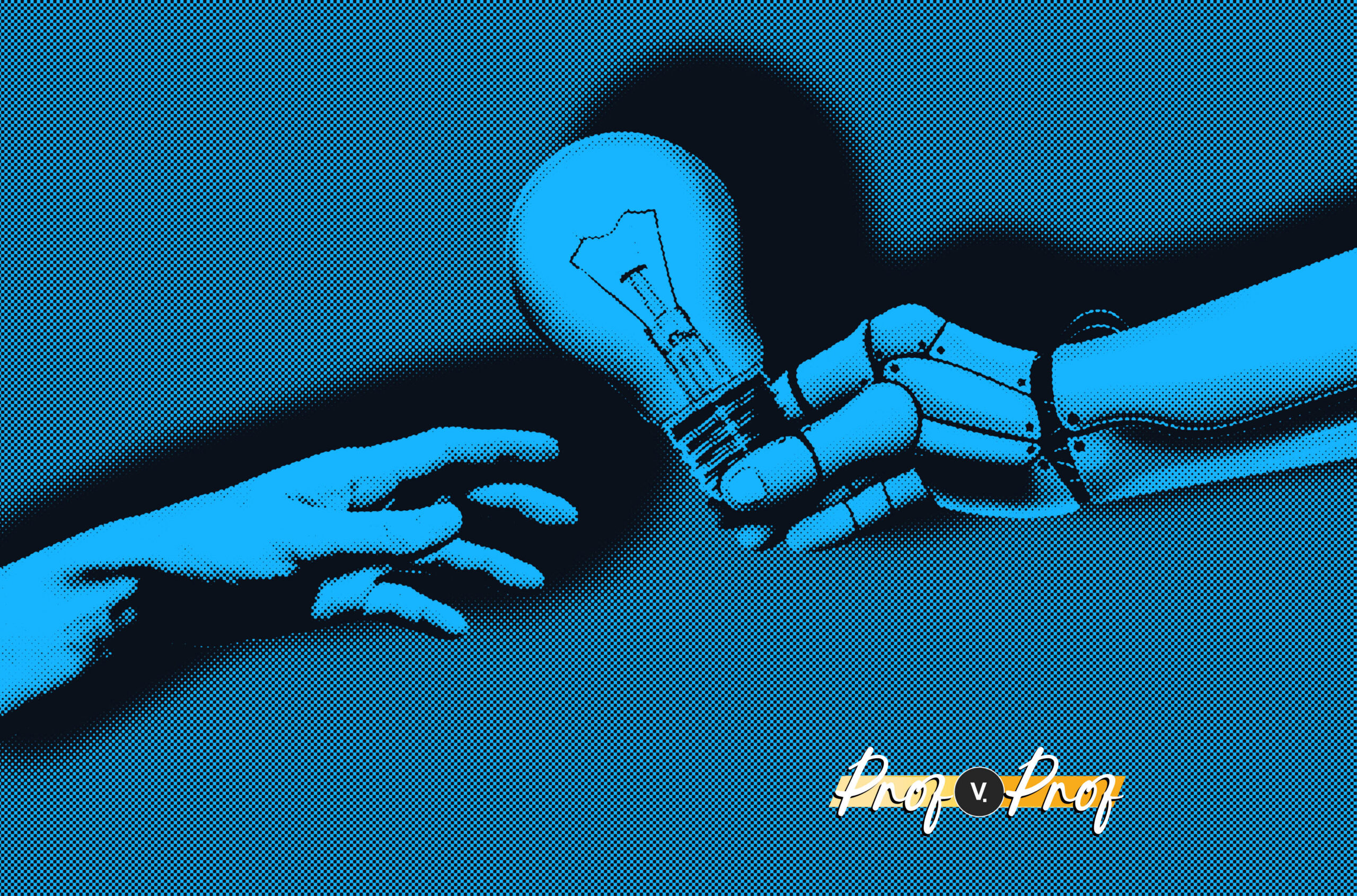
AI in universities: the case in favour
Joël Blit argues integrating AI into curricula and pedagogy can make universities more human, not less.
-
AI in universities: the case against
Ping Lam Ip and Andrea DeKeseredy argue generative artificial intelligence has no place in higher education.
Sponsored Content
-

AI in Education Forum 2024: Unleashing AI’s potential for transformative learning
This groundbreaking conference on AI is organized by the Chartered Institute of Professional Certifications.
-

Innovation and ethics in the age of AI – meeting Canadian student expectations for access and pace of change
Artificial intelligence has swiftly become a transformative force in higher education, reshaping the student journey from induction to learning outcomes.
-

Transforming the classroom experience with AI and machine learning
There is a unique opportunity to create a more meaningful and equitable learning experience through the implementation of AI and machine learning.
-

Why are multiple-choice questions making a comeback?
Distinguishing the correct answer from plausible, but incorrect, alternatives sharpens students' skills in detecting AI slop.
-
Help! AI stole my students’ brains!
Why professors must teach undergrads to think critically about artificial intelligence tools.
-

Feeling disillusioned? The Pope is on your side
Pope Leo XIV’s encyclical on AI has much to say about the culture of profit, technocracy and competition pervading today’s universities.
-
The race to reimagine higher education
How Canadian universities can lead the AI transformation.
-

New federal AI strategy emphasizes university research, training and commercialization
Expansion of Canada CIFAR AI Chairs signals ‘Canada really can be a leader.’
-
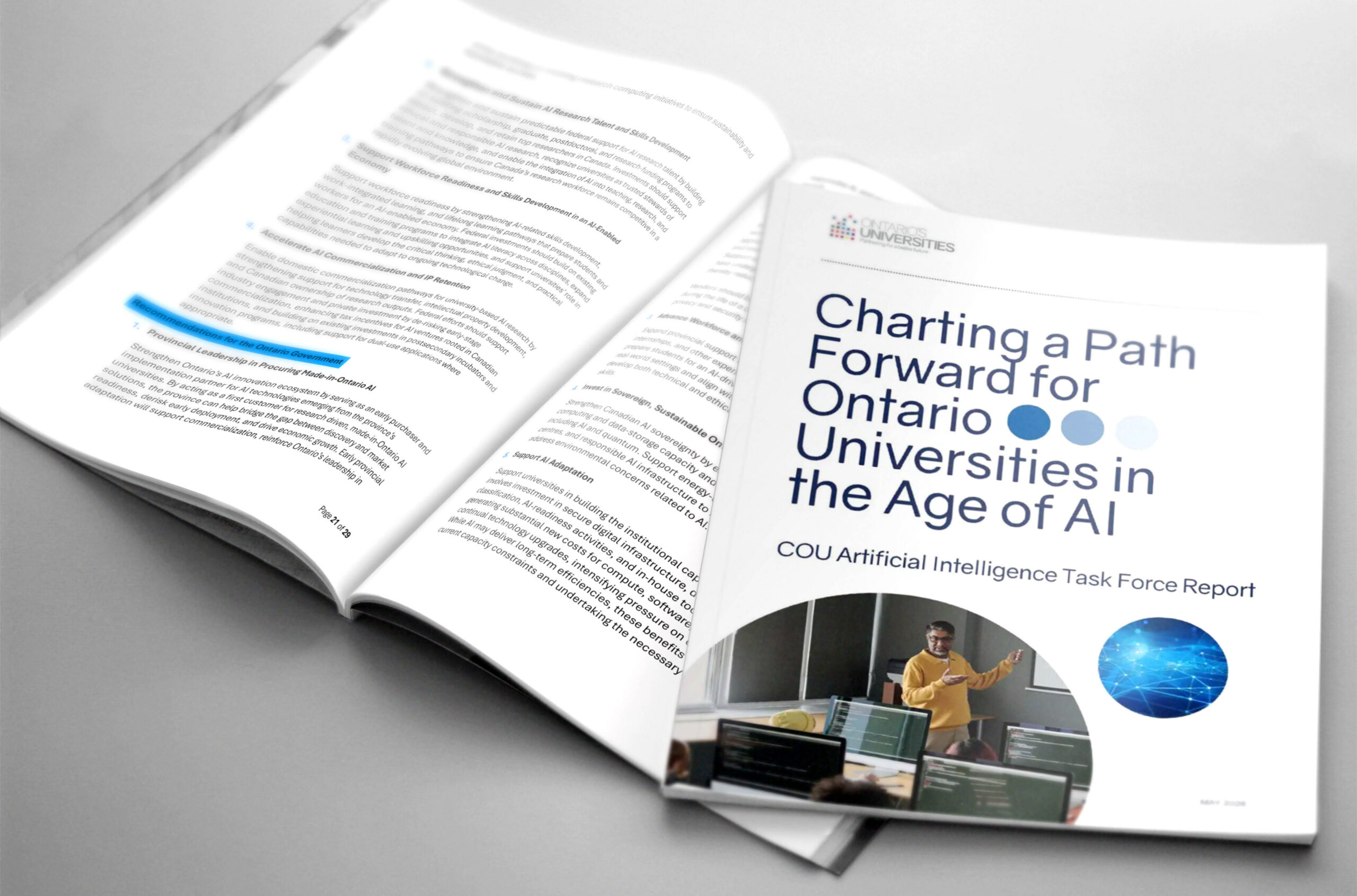
Universities urged to work together to ramp up AI adoption
COU report outlines AI’s risks to privacy, security, integrity, autonomy, copyright, and the environment, while advising institutions to responsibly embrace the technology.
-

Universities must steer AI in the public interest
TMU provost calls for collective effort to apply ethics, human good to AI governance.
-

Art schools grapple with AI
Creative arts among the first and hardest-hit by powerful new tech.
-

The Human Algorithm
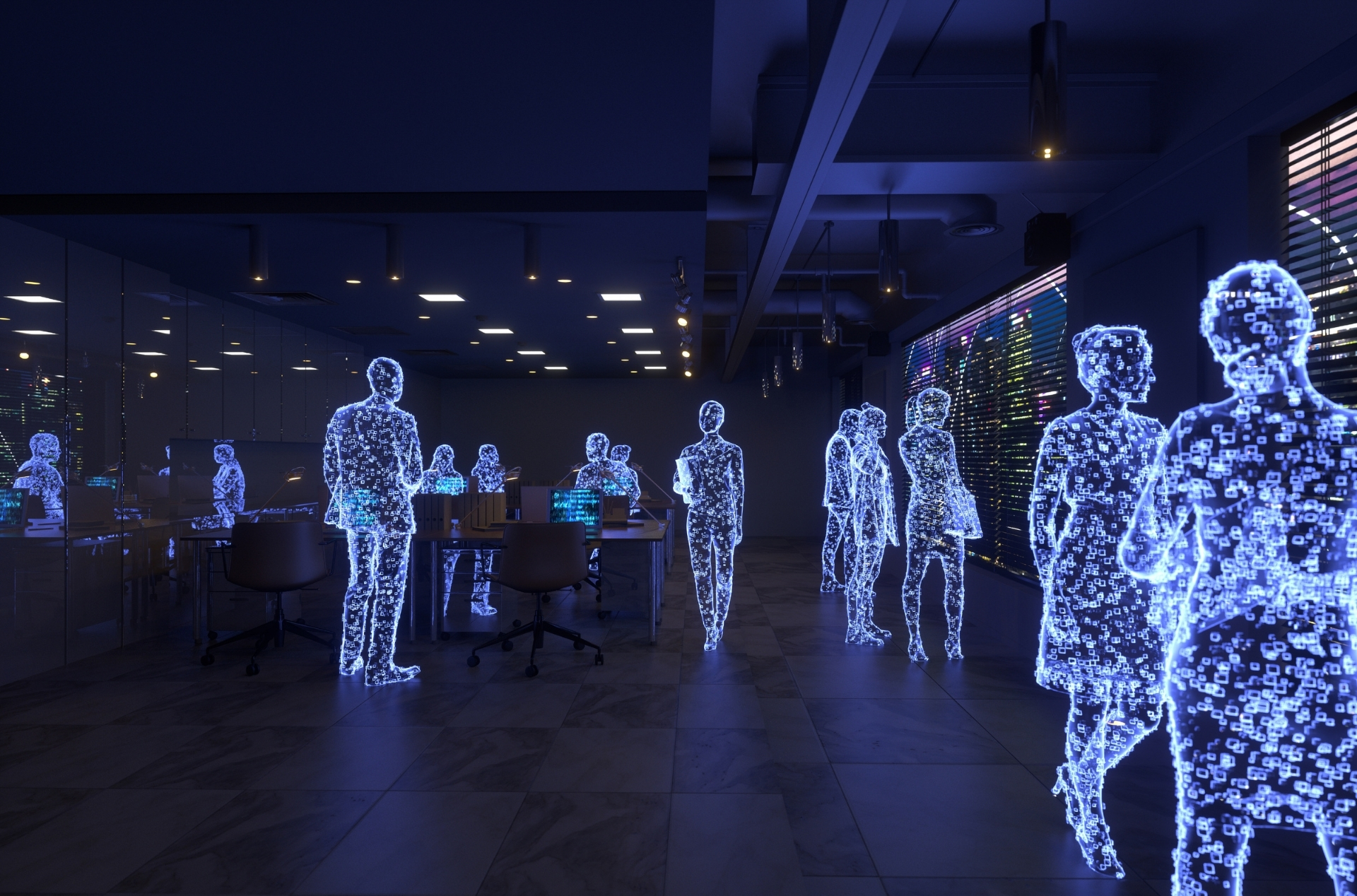
As artificial intelligence reshapes the workplace, the most valuable skills aren't technical — they're fundamentally human.
-
The tyranny of the average
Driven by statistics, AI homogenizes humanity and devalues outliers.