A bridge to human rights
IDRA scholarship winner Karen Spring studies Central American communities seeking redress for harms caused by major development projects.

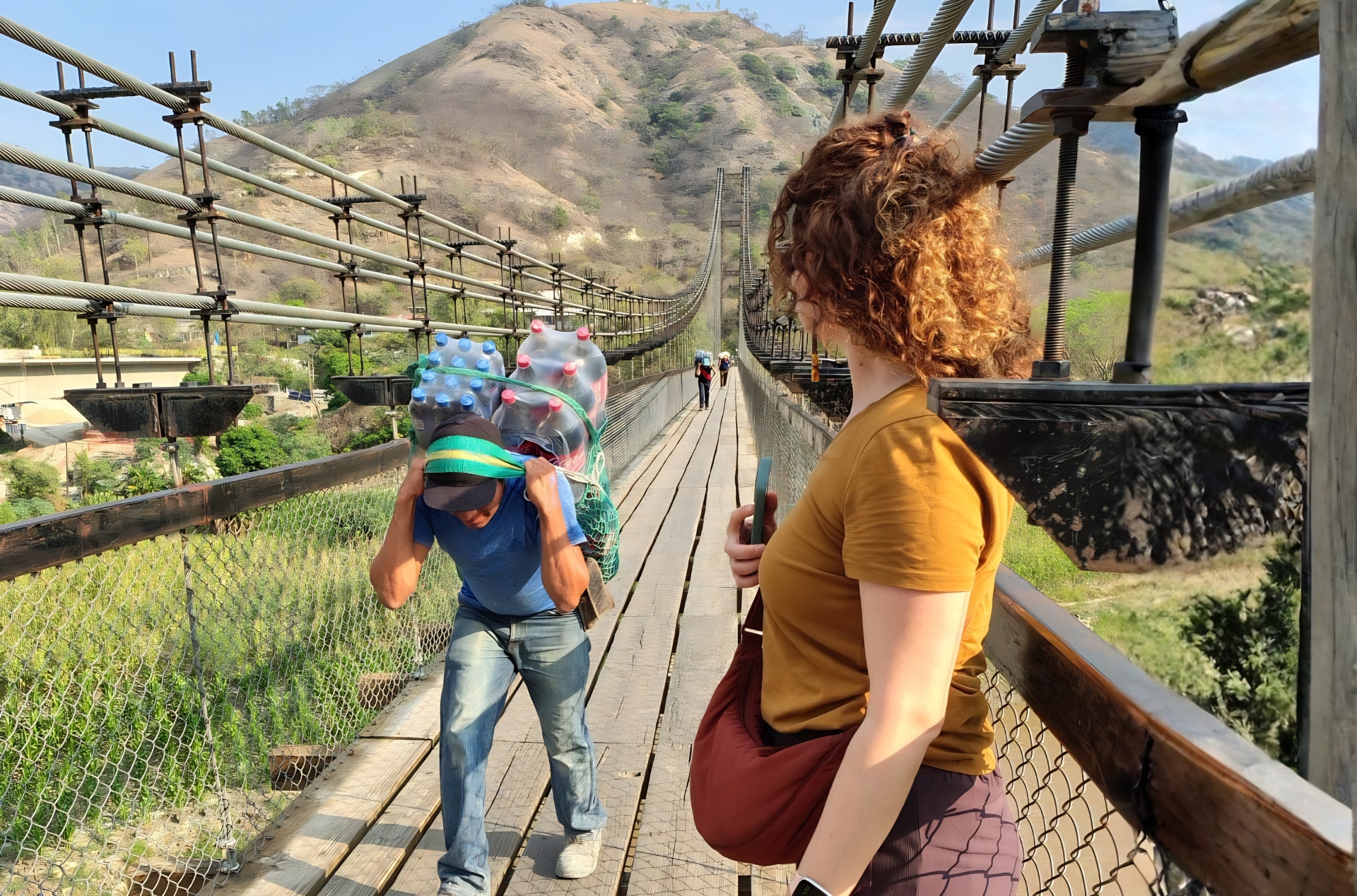
Karen Spring is a PhD candidate at the University of Ottawa at the School of International Development and Global Studies. After winning an IDRA scholarship in 2024, she spent 13 months doing field research in Guatemala and Honduras. She spoke to University Affairs about her work.
Q: You completed your field research in Central America earlier this year. Could you describe the nature of the fieldwork you conducted there?
A: My fieldwork involved traveling to many parts of Honduras and Guatemala over a period of a year. From the tallest mountain ranges in Huehuetenango, Guatemala, to the hot climate near the Pacific Ocean in Choluteca, Honduras, the support I received through the IDRA allowed me to speak to local communities, participate in meetings, conduct visits to rural areas, and interview policy-makers in both countries.
My research focuses on how and why communities are working to achieve redress and more democratic accountability mechanisms for human rights violations and environmental harms caused by projects funded by development finance institutions. In Guatemala, I traveled near the Mexican border to spend time with Indigenous community members affected by a proposed hydroelectric dam that residents opposed. Local organizations took me to see the river they were protecting, invited me to participate in meetings, and shared many of their organizing experiences with me.
In Honduras, I traveled to many places because of the insights that so many individuals and organizations were willing to share. I interviewed campesinos (peasant farmers) in the north about the impacts of African palm plantations; communities in the southern part of the country about large-scale solar energy projects; and, in the west, Indigenous communities affected by a proposed hydroelectric dam. In all visits, I was able to spend a significant amount of time meeting and building relationships, interviewing key informants and willing participants, and learning more about the cultural and ecological beauty of each location. The latter was very important for my research, because how the people viewed, interacted with, and cherished the environment, their livelihoods, and their territories lay at the heart of community advocacy in seeking redress for harms.
Q: What was a key highlight from your fieldwork experience?
A: One of the locations of my fieldwork was very close to a place I had visited many years before starting my PhD. Returning to that same place in Guatemala to see how communities had grown and changed was an honour and a privilege.
One afternoon after finishing several interviews, I went for a walk to try and retrace the steps of places in a city I had frequented almost ten years before. The visit to these familiar places, made possible by research funds, acted as a confirmation and gave me a sense of encouragement that as a PhD student, I was on the right track. It gave me both a sense of accomplishment and contributed greatly to the reflexive research process that I will incorporate into my dissertation.
Another key highlight was visiting the construction site of a bridge being built for vehicle crossings. The bridge was a project that Indigenous communities in south-central Guatemala had collectively proposed as part of a human rights reparations process. The construction of the bridge was part of a reparations agreement with the Guatemalan government after years of community advocacy seeking accountability for harms caused by the construction of the Chixoy dam in the 1970s and 1980s. The dam had displaced communities, and, in the context of the genocide of Indigenous Mayan people by Guatemala’s military governments (1960 to 1996), had exacerbated the violence against the local populations that opposed its construction.
After almost 40 years of advocacy, the affected communities obtained the funds to build the large bridge that connected all types of traffic between communities on either side of the river. Standing on a small footbridge adjacent to the large bridge construction site was an inspiring experience. As I watched the slow finalization of the project, it made me feel very hopeful. Despite all the challenges, the bridge is proof that local communities can succeed in achieving their goals if they continue to strategically organize, advocate and never give up. The bridge was an example of a small victory with an incredible impact.
Q: What aspects of your experience did you find most surprising, and what were the greatest challenges you faced?
A: I became so engrossed in my case studies that fieldwork took me much longer than I expected! While this surprised me, it was also a challenge to decide when to end fieldwork. Before traveling to Central America, I was aiming to finish fieldwork after a few months; but I ended up spending more than a year. In part, I think this was because I was so interested in delving deeper into certain aspects of the cases and including a wide range of perspectives (community leaders, advocacy organizations, policy-makers from three countries, representatives of development finance institutions, etc.) that it became difficult to identify my point of saturation.
Q: How did this fieldwork shape your understanding of your research topic or approach?
A: My fieldwork allowed me to understand the complexities of the case studies I had included in my original research proposal, and most of all, to meet the people who were living the experience that I had read so much about.
Once arriving in Honduras and Guatemala, I learned just how much a research proposal is a “living document;” that is, how much it changes and evolves with the research process. Doing fieldwork made me realize the importance of considering other case studies that I had not previously prioritized. It also allowed me to attend community meetings that are only held in-person and, because of the limited cell phone signal coverage, would have been very difficult to participate in by phone or video conference.
The IDRA helped fund my transportation costs to regions that I would not have been able to include in my research had it not been for the financial support I received. Being invited into the home of a community leader to listen to their experiences, meet their family members, and see the photographs of their ancestors on their living-room walls really enhanced my understanding of that person, the case study I was focused on, and the reasons they were involved in seeking accountability for the human rights abuses they had lived.
In general, participating in fieldwork provides an all-encompassing research experience. Had I not traveled to Guatemala or Honduras to conduct the research I did, it would have been a great disadvantage to the quality, rigour and breadth of data I was able to gather.
Q: How do you plan to share or disseminate the knowledge and insights gained from your fieldwork with academic, professional or local communities?
A: Sharing the insights and findings of my research is one of my passions. In almost all the places I visited and included in my fieldwork, community-based organizations and leaders asked me to return and share my findings. As my research seeks to understand the steps and practices used by communities to seek accountability for human rights and environmental abuses, they expressed interest in hearing about and learning from my findings. Long-term advocacy on human rights issues is difficult and requires a degree of creativity. The people I spoke with in both countries want me to return to share what I learned about what other communities in similar circumstances are doing in terms of advocacy, documentation and case follow-up.
In addition to sharing my research in a tool kit with research participants and affected communities in the region, I have already submitted two book chapters, and two public-facing articles based on preliminary data analysis. I plan to also record and produce a podcast episode focused on at least one of my research case studies to share with advocacy organizations and the public. As my data analysis advances, I will also submit publications to peer-reviewed journals.
Q: What are your next steps, and how do you plan to build on this fieldwork experience?
A: Currently, I am working on data analysis and writing sections of my dissertation. In the meantime, I remain in contact with some of my research participants and organizations and hope to return to Guatemala and Honduras next year after I submit my dissertation. My fieldwork also gave me ideas for and interests in topics I hope to pursue in a post-doctoral fellowship or in future research opportunities.



Featured Jobs
- International Studies - Faculty Position (Arctic Defence and Security)Université Laval
- Psychology - Assistant Professor (Clinical Psychology)Western University
- Director, Human Research Ethics & Strategic AdvisorUniversity of Manitoba
- KAUST Global Fellowship Program - Postdoctoral Fellowship (Call 2027)King Abdullah University of Science and Technology
- Global Inequalities and Trade - Faculty PositionUniversité Laval
More from Features
-
Quebec universities: 60 years of change
From the Quiet Revolution to the present day, universities have profoundly transformed Quebec society. As a provincial election rapidly approaches, we reflect on their changing mission over six decades of often tense history.
-
Heat waves and brain waves
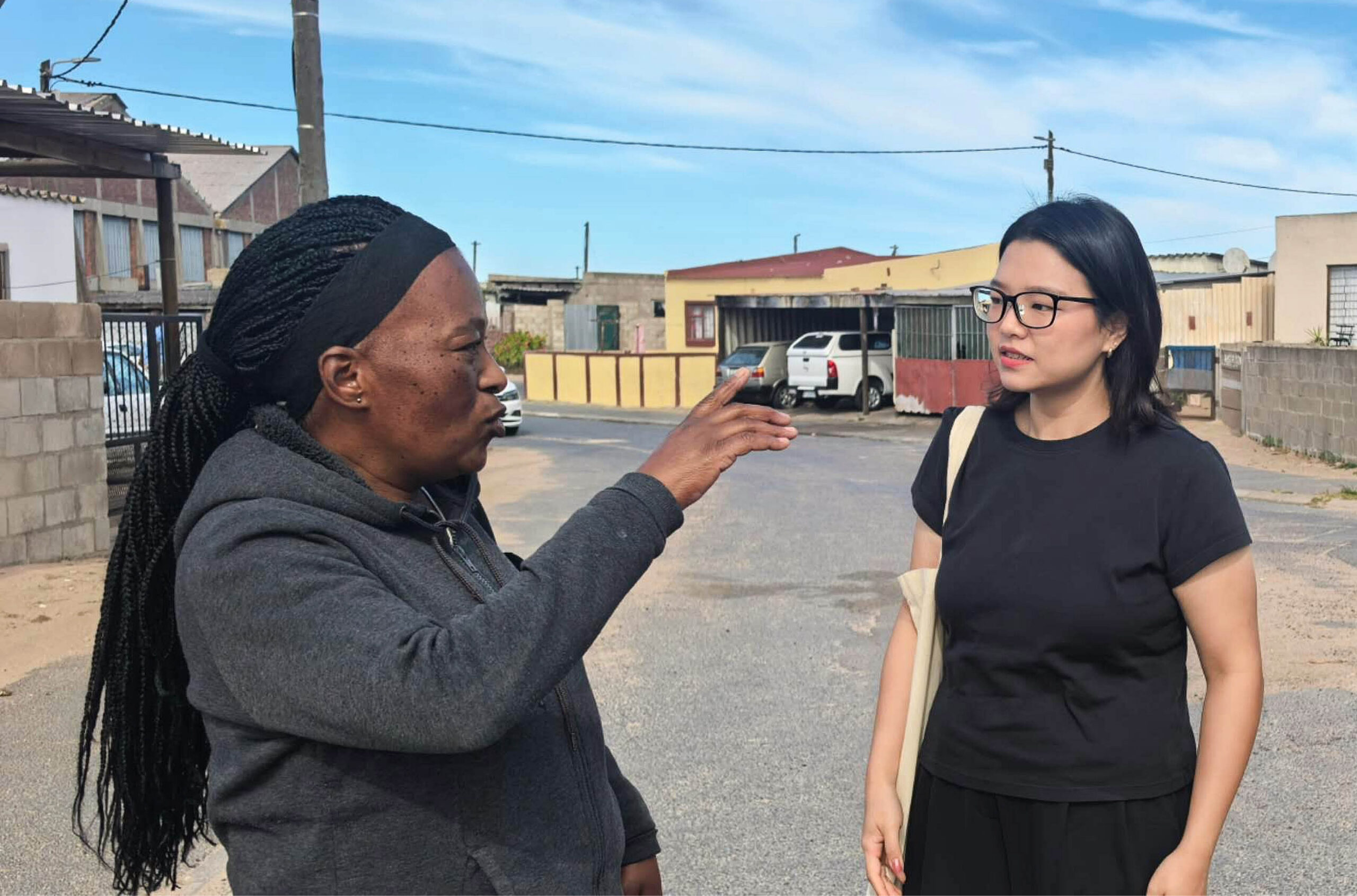
IDRA scholarship winner Tianqi Zhao studies climate change and mental health in South Africa.
-
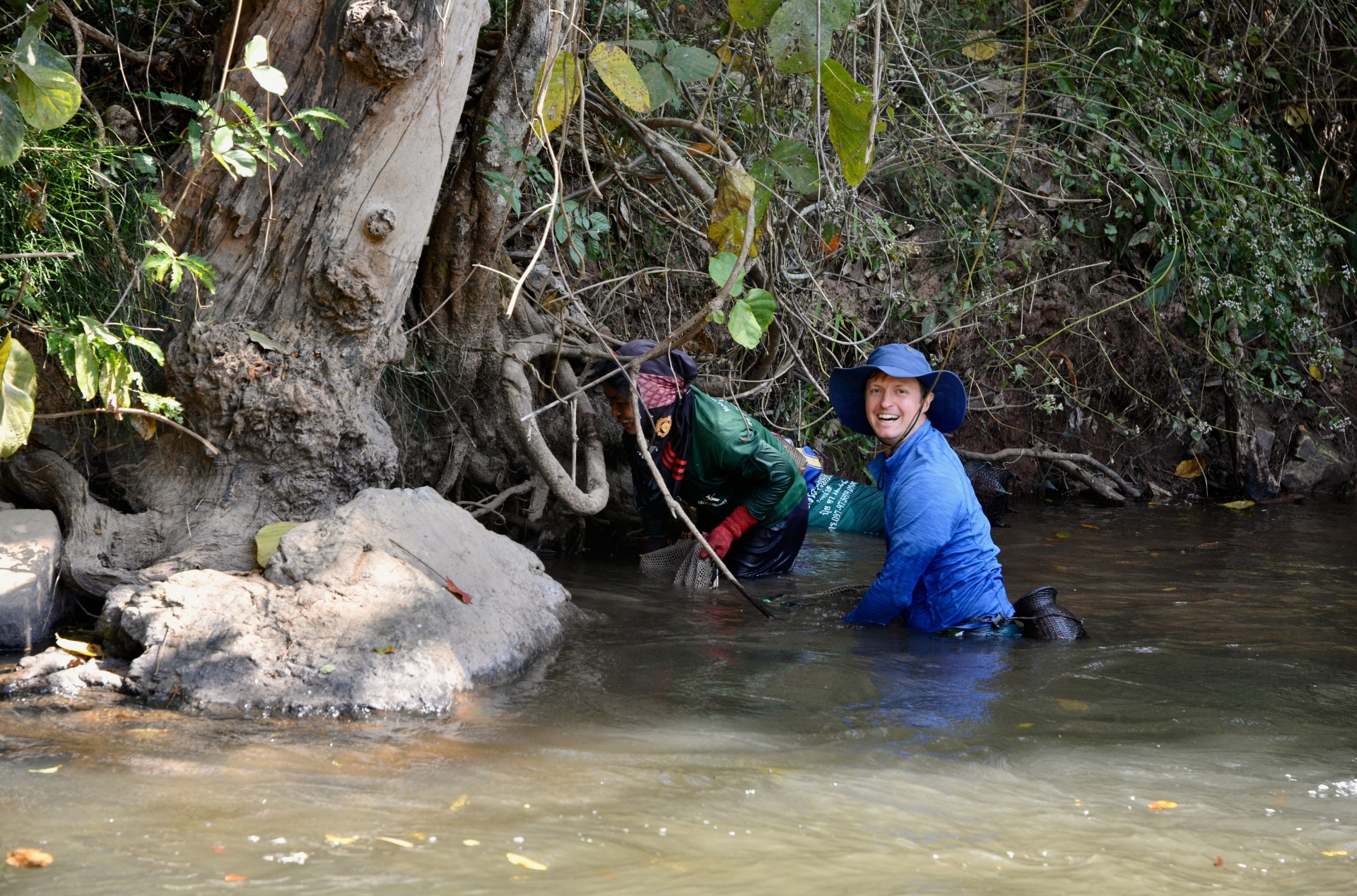
Take me to the river
IDRA scholarship winner Peter Duker studies community fishing practices in Thailand.
-

Northern Shift
The alarming rise of far-right movements in Canada.
More from Research
-

From doctoral student to entrepreneur
Resources abound to help you turn your PhD research into a business startup.
-
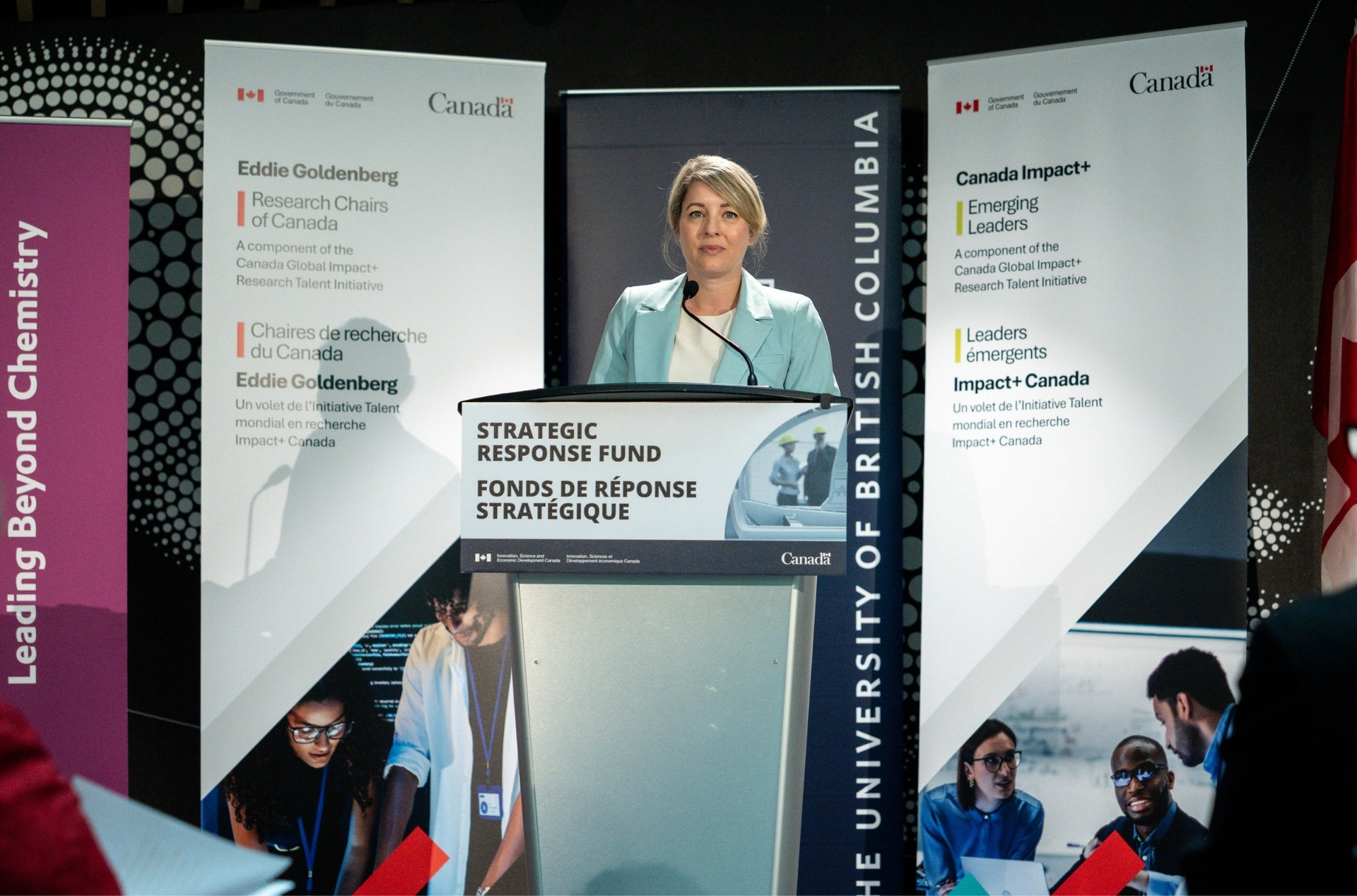
Ottawa announces 64 new research chairs in international talent attraction strategy
Top-tier researchers from 13 countries to join Canadian universities in first wave of appointments.
-
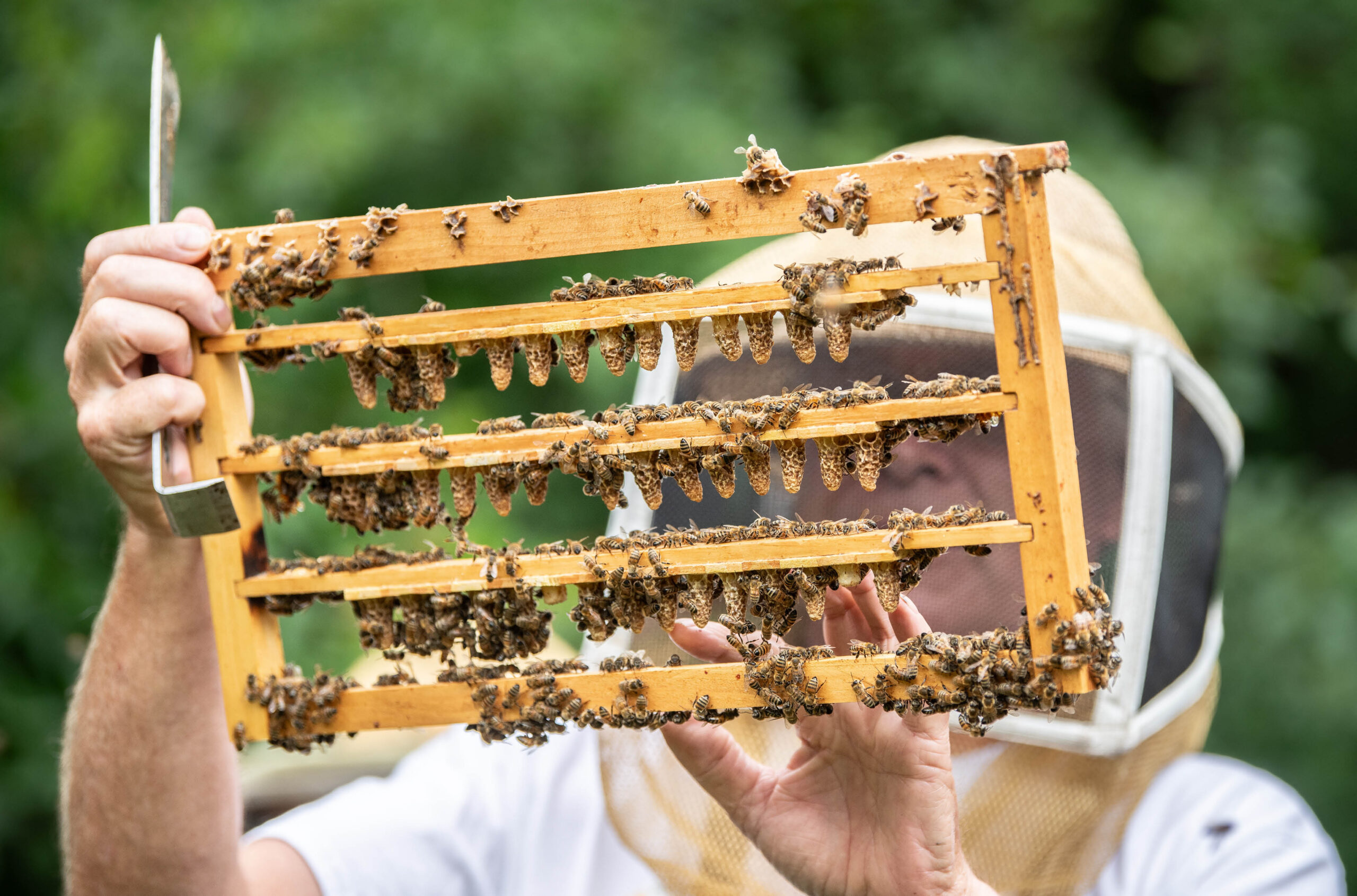
A look inside the hive: celebrating honey bee research at two Canadian universities
As MacEwan University marks 10 years of bees on campus, the University of Guelph kicked off the year by unveiling its newest centre for honey bee research.
-

Canada needs a national strategy to protect scholars at risk
Supporting displaced academics is a strategic investment in Canada's research and innovation ecosystem.
More from Feature articles
-
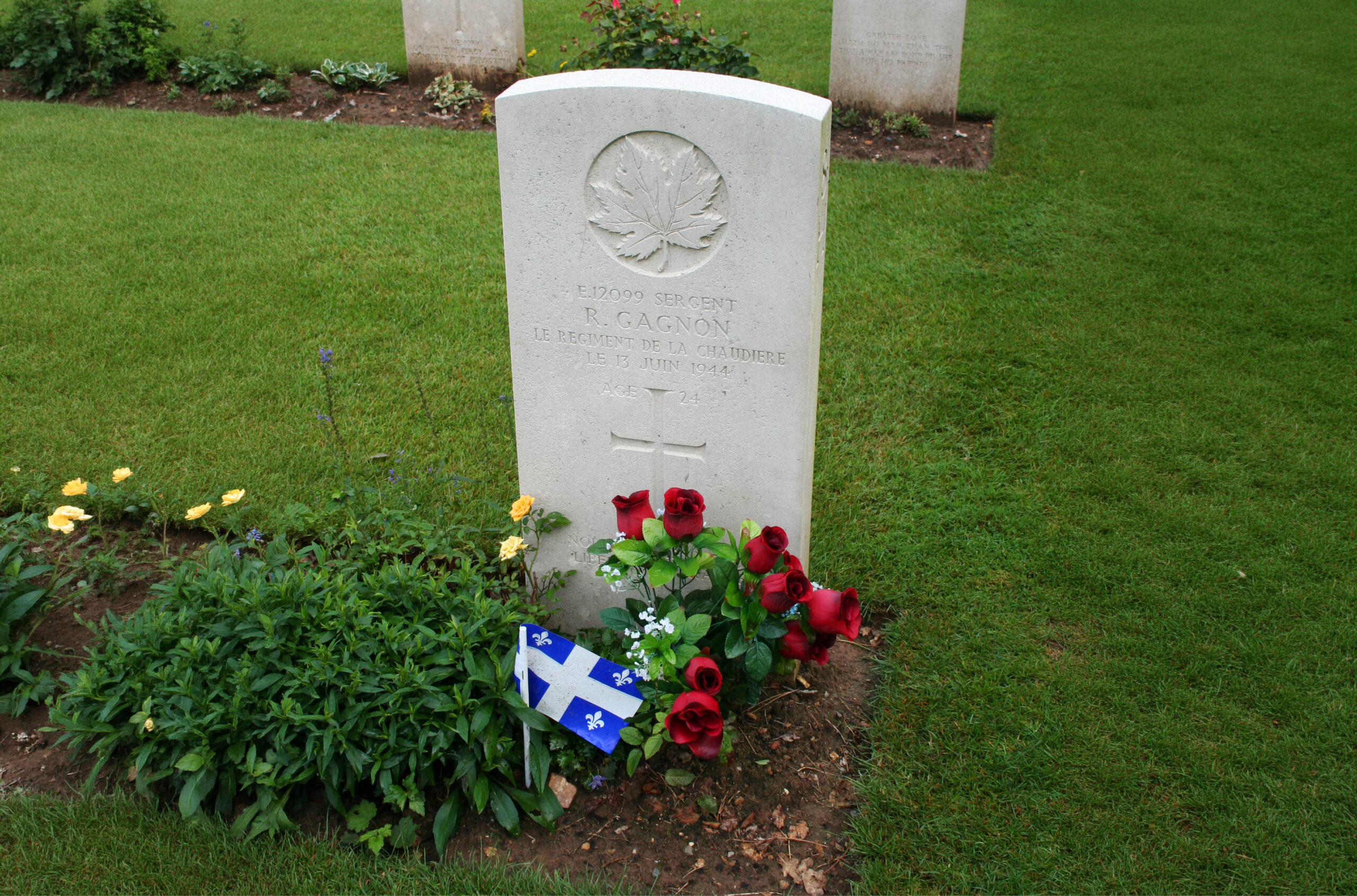
Two solitudes: Quebec Universities in WWII
Historical researcher explores English-French divide over Second World War.
-
How social movements shape Canadian universities
A history of clashes, challenges, and lessons learned.
-
U the North
Working together with Inuit, First Nations and Métis, university researchers are bolstering sovereignty and improving living conditions in the Arctic.
-
Degrees of Change
British Columbia’s funding pressures, shifting enrolment and policy reforms signal sweeping changes ahead for colleges and universities across the province.


Post a comment
University Affairs moderates all comments according to the following guidelines. If approved, comments generally appear within one business day. We may republish particularly insightful remarks in our print edition or elsewhere.
1 Comments
Congratulations to Karen Spring for her wonderful work.
UA editors please note: Ms. Spring is studying Central America, not South America. Please correct the sub-title on this piece.