From doctoral student to entrepreneur
Resources abound to help you turn your PhD research into a business startup.

“What do I do after my PhD?”
This is a pivotal question that, unfortunately, many PhD candidates do not seriously ask themselves until after they finish their degrees. I was fortunate enough to have people around me who constantly reminded me to think about this question, so it has been on my mind throughout my doctoral studies.
Over the past few years, I have explored several possible career paths, from academia to becoming a financial analyst. I participated in many different career exploration programs offered by my university and elsewhere, and even wrote the CFA Level I exam. But ultimately, my exploration led me toward entrepreneurship. Currently, as I wrap up my doctorate in biomedical engineering, I am working towards spinning off my research in periodontal regeneration into a viable startup.
Throughout my undergraduate and master’s degrees, I had always been somewhat interested in entrepreneurship, particularly the idea of taking whatever I was researching and spinning it off into a startup. However, I had very little idea of what that actually entailed or how someone even got started. With that somewhat lofty potential goal in mind, I selected a PhD project that I thought could have future commercialization potential.
Accelerators and entrepreneurship programs
One program that helped me tremendously was the 2nd Lab Mentorship Program, offered as part of Canadian Biomaterials Society and run by Dr. Gad Sabbatier. Dr. Sabbatier wrote an excellent article about resources researchers can use to spin off their work, and I have personally taken advantage of many of the programs he discusses.
One of the foundational programs that really got me started on my entrepreneurship journey was Lab2Market Validate. As part of the program, I interviewed 50+ stakeholders related to my startup idea. This process forced me to step outside of the lab, talk to potential users and other stakeholders, and understand whether the problem I was trying to solve actually mattered to people outside of academia.
I really enjoyed that process, and the interviews helped confirm that there was a substantial market for my technology. That gave me the confidence to take the idea more seriously and apply to a number of accelerators and entrepreneurship programs, including the Health Innovation Hub (H2i), University of Toronto Early Stage Technology (UTEST), Innovation Boost Zone (IBZ) Innovation Fellowship, BioHubNet OBIO Entrepreneurship Boot Camp, and the i2I Skills Training Program.
It has been a very rewarding experience so far, with each program teaching me something slightly different about entrepreneurship, commercialisation and myself. Most recently, I was fortunate enough to win second place at the IPON Demo Day pitch competition. The $3,000 prize gives the startup a much-needed boost to cover essential expenses such as incorporation, patent filing and medical-grade materials procurement.
Advice and takeaways
So, what are my takeaways?
First, ask yourself whether entrepreneurship is something you are even remotely interested in. If it is, and if you have the opportunity, consider selecting or defining a PhD research project that has some application potential rather than being purely fundamental and theoretical. That does not mean every doctorate project needs to become a company, but thinking about how your work might eventually create value outside the lab can open possibilities.
Second, find out what resources, mentors and training opportunities are available within and around your institution, and try a few of them. You do not have to decide immediately that you want to become an entrepreneur. Career exploration, after all, is just an exploration.
If you find yourself becoming more interested and ready to commit, do not be shy about participating in as many useful training opportunities as you can. Early-stage entrepreneurship can be chaotic; you often need to think about many different things simultaneously, such as science, intellectual property, customers, funding, regulatory pathways, pitching and business strategy — all largely on your own. Having mentors, peers, and different people who can explain the same concepts may collectively improve your understanding of what needs to be done.
Most importantly, “entrepreneur” is not a scary title. Many of the skills required for entrepreneurship, such as problem-solving, dealing with uncertainty, learning quickly, communicating complex ideas, and persevering when things do not work the first time, are already developed during a doctorate program.
Be curious, stay open-minded, and sign up for things. You never know which opportunity might change the direction of your career!



Featured Jobs
- KAUST Global Fellowship Program - Postdoctoral Fellowship (Call 2027)King Abdullah University of Science and Technology
- Global Inequalities and Trade - Faculty PositionUniversité Laval
- International Studies - Faculty Position (Arctic Defence and Security)Université Laval
- Psychology - Assistant Professor (Clinical Psychology)Western University
- Theatre and Film - Assistant Professor Without Review (Performance Practice)The University of British Columbia
More from Career Advice
-

Internationalizing Truth And Reconciliation through multilingual storytelling
Faculty share stories in their home and heart languages in the University of the Fraser Valley’s Leq'áleq’el Video Series.
-

Show it clearly: illustrating a report for your community partners
Part II: How to design figures that tell your story.
-

Life lessons from the World Happiness Report
Happiness is a gift for elders to pass on to the younger generation.
-

Can you spot an essay written by AI?
Learn the common patterns, limitations, and clues that may reveal AI-generated writing.
More from Research
-
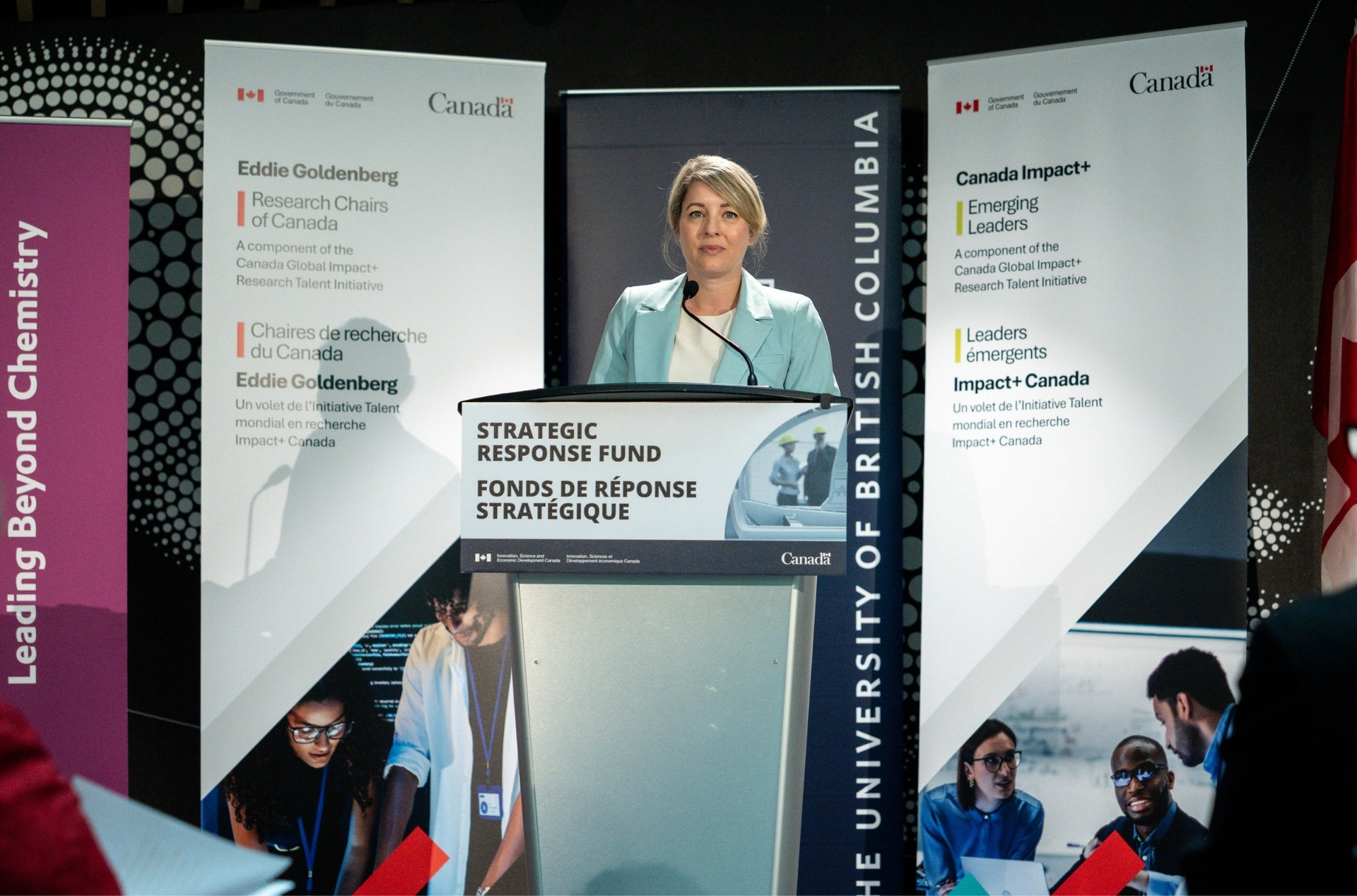
Ottawa announces 64 new research chairs in international talent attraction strategy
Top-tier researchers from 13 countries to join Canadian universities in first wave of appointments.
-
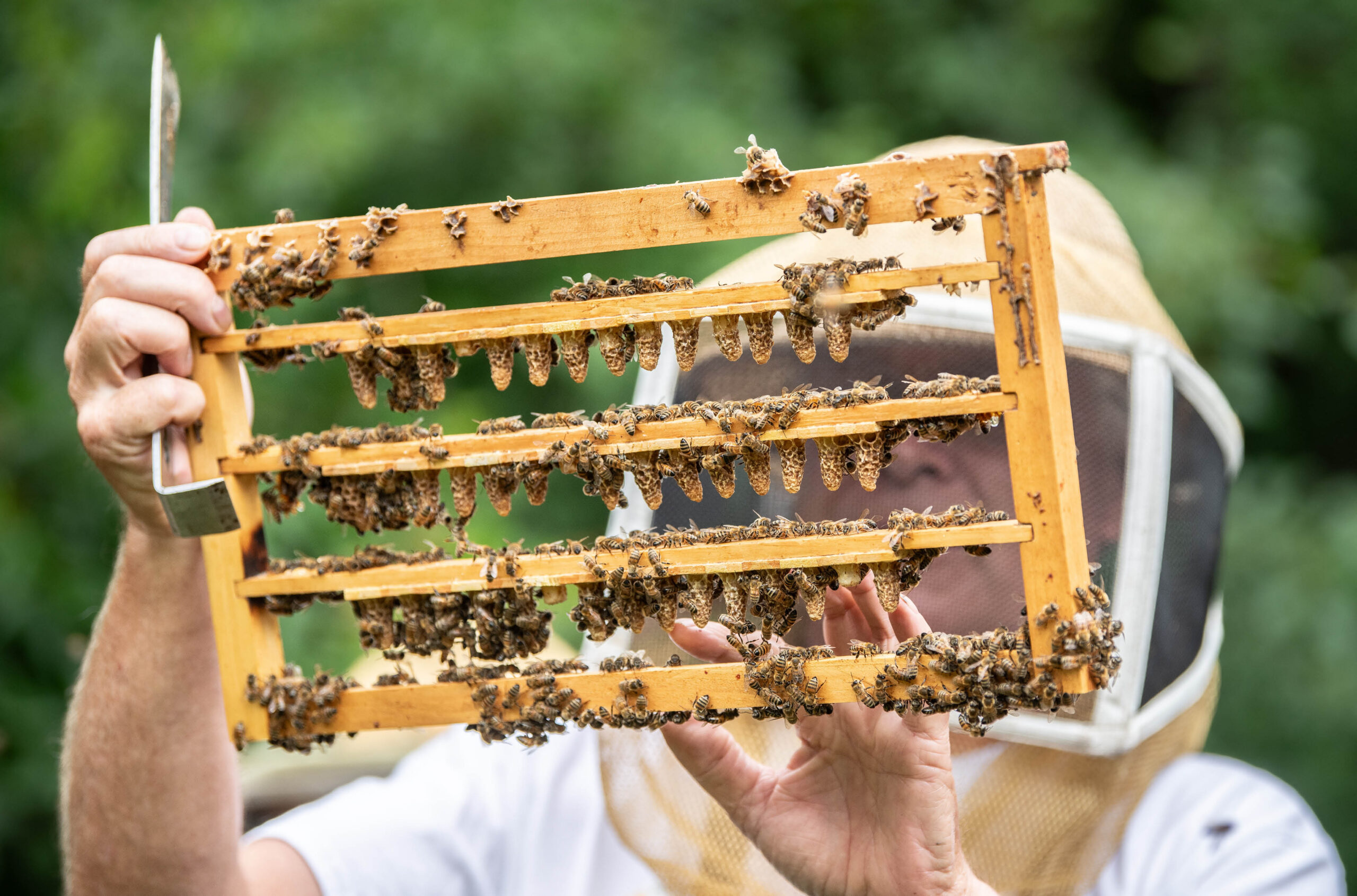
A look inside the hive: celebrating honey bee research at two Canadian universities
As MacEwan University marks 10 years of bees on campus, the University of Guelph kicked off the year by unveiling its newest centre for honey bee research.
-

Canada needs a national strategy to protect scholars at risk
Supporting displaced academics is a strategic investment in Canada's research and innovation ecosystem.
-
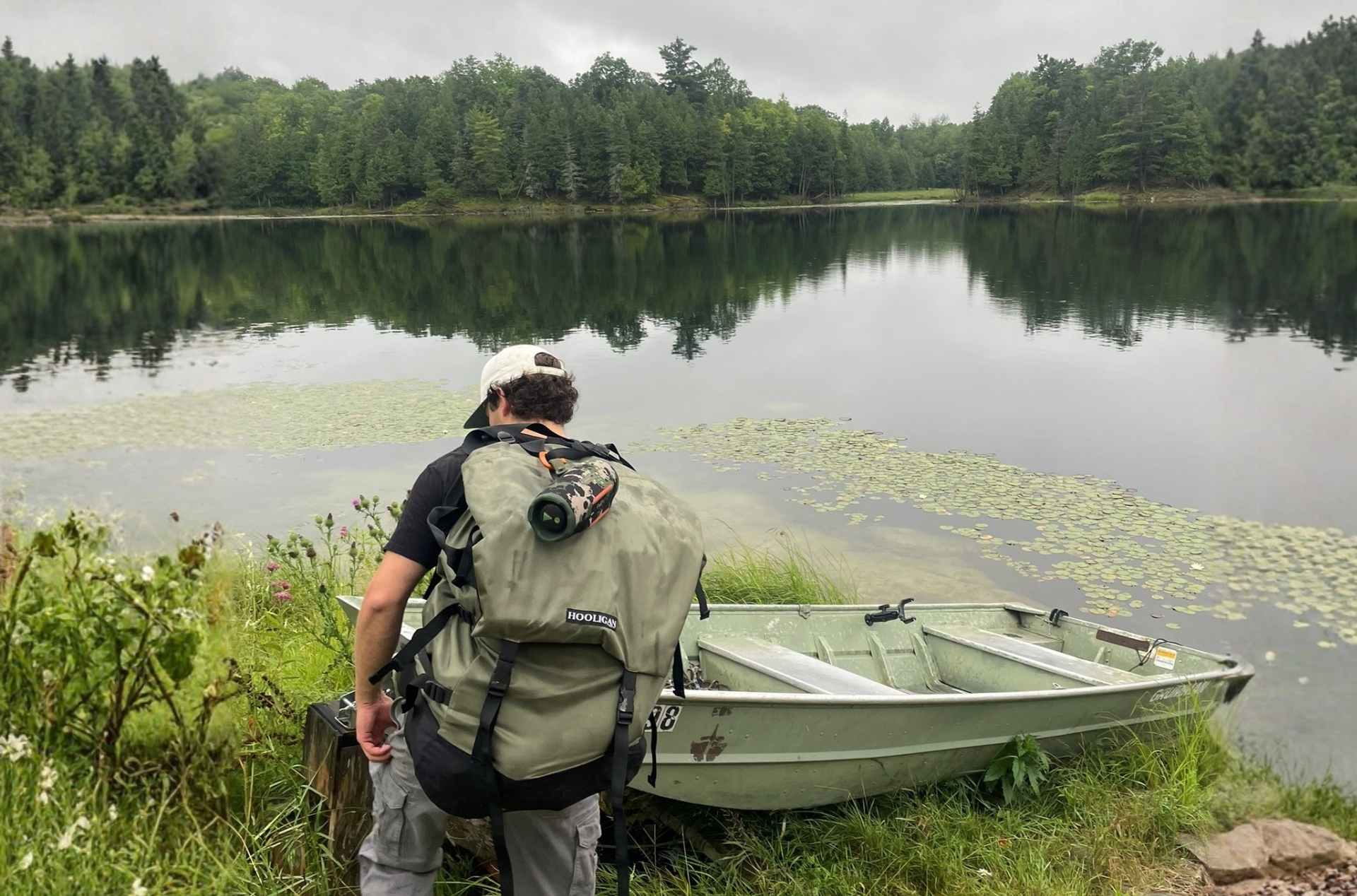
Proposed Alto rail route slashes through Queen’s field biology station
Federal government praises the wilderness station as ‘globally unique,’ considers cleaving it with high-speed train.
More from Graduate Matters
-

The paradox of doctoral learning
Completing a PhD doesn’t mark the end of learning, but rather the loss of the illusion that learning ever ends.
-

PhD studies: perception vs reality
How do I tell my friends and family about what I really do as a doctoral student?
-

Heading to France for your master’s?
Quebec’s Bourse Frontenac could help fund your graduate studies.
-

Thriving after your PhD
Evidence and advice from postdocs about finding your footing in the working world.

Post a comment
University Affairs moderates all comments according to the following guidelines. If approved, comments generally appear within one business day. We may republish particularly insightful remarks in our print edition or elsewhere.