NSERC laureates help save people — and the planet
Researchers at McMaster, Western and the University of Guelph honoured for work in human health and environmental protection.

Self-destructing plastics, virus-hunting molecules, and DNA barcoding may sound like science-fiction. But these innovations are real — and the researchers driving them are the newest recipients of a trio of NSERC prizes, each including a grant of up to $250,000.
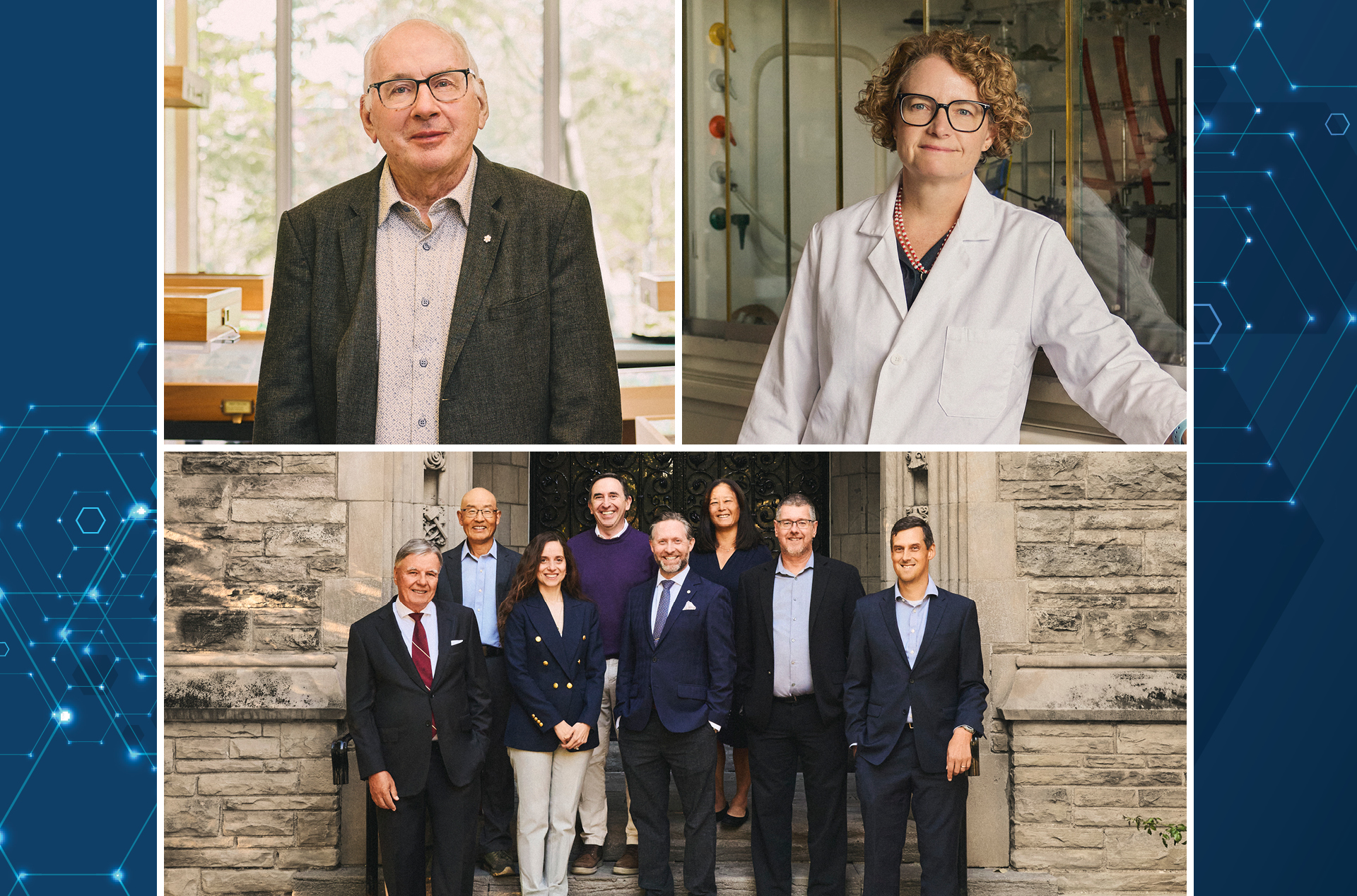
At McMaster University in Hamilton, Ont., the Pandemic Preparedness Team won the Brockhouse Canada Prize for Interdisciplinary Research in Science and Engineering for their work in engineering DNA molecules to rapidly detect and treat viral pathogens. The prize recognizes a highly collaborative Canadian research team from different disciplines who has combined their expertise to produce achievements of outstanding significance in the natural sciences or engineering.
Just up the highway at the University of Guelph, Paul Hebert, a distinguished professor of evolutionary biology, was awarded the Donna Strickland Prize for Societal Impact for his pioneering approaches to DNA barcoding that are helping to measure and protect biodiversity. The prize is awarded to an individual or team whose research has led to exceptional benefits for Canadian society, environment or economy.
And a short hop away in London, Ont., Western University professor Elizabeth Gillies was honoured with the John C. Polanyi Award for her work on creating plastics that self-immolate in response to specific triggers. The award goes to an individual or team whose research conducted has led to an outstanding advance in the natural sciences or engineering.
This is the third day of a star-studded week for Canadian scientists, which began with the announcement of the Arthur B. McDonald Fellowship winners on Monday and the Synergy Awards for Innovation laureates on Tuesday.
Brockhouse Canada Prize for Interdisciplinary Research in Science and Engineering
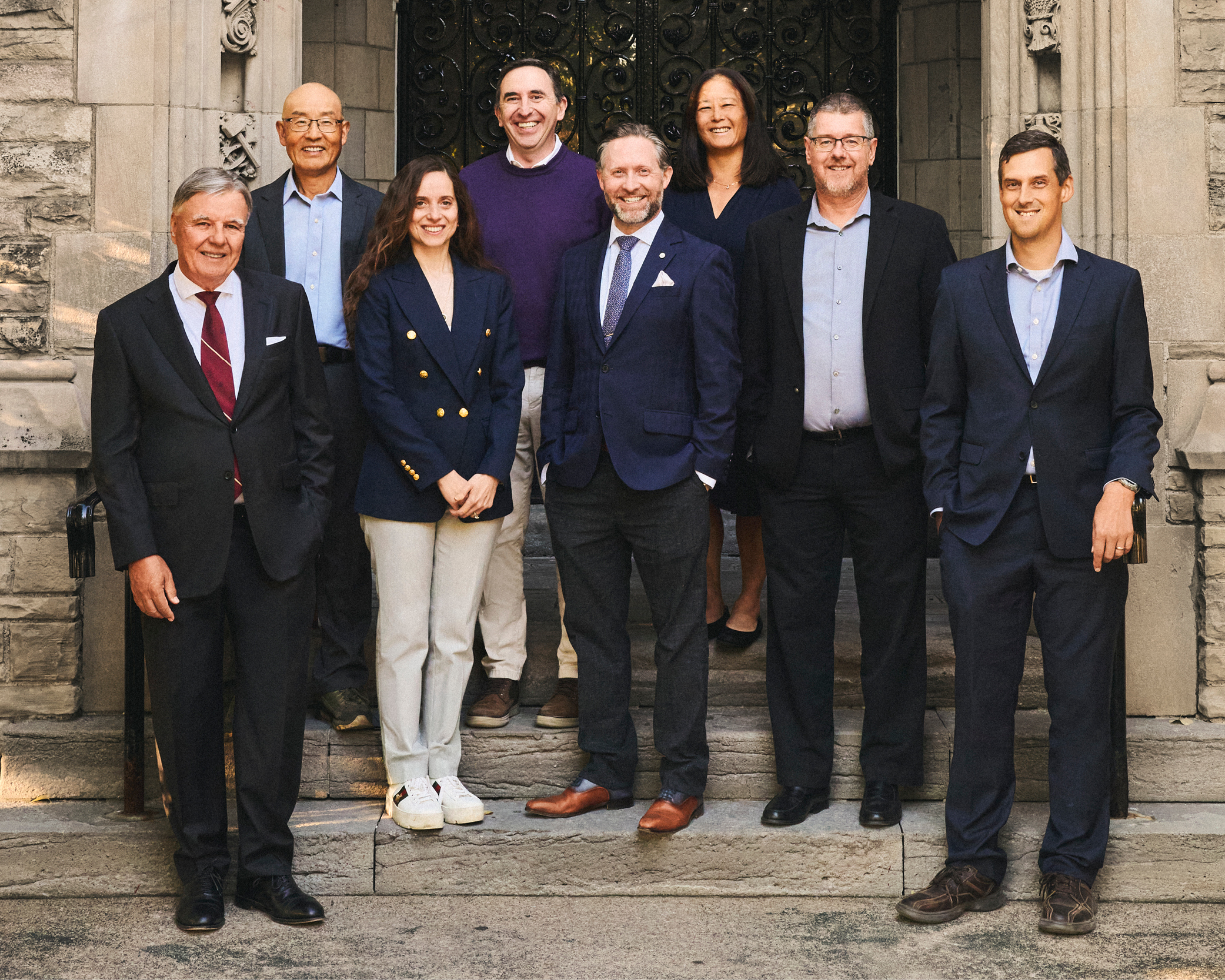
Leyla Soleymani, Yingfu Li, John D. Brennan, Carlos Filipe, Todd Hoare, Matthew S. Miller, Deborah Yamamura, Bruno J. Salena
McMaster University
Read biography
The Pandemic Preparedness Team at McMaster University has created a powerful new approach to pandemic response by converting DNA aptamers — programmable molecules that can recognize viruses with extraordinary precision — into rapidly deployable tools for detecting and preventing disease. By combining expertise in biosensing, chemistry, biochemistry and molecular evolution, the team has established a seamless pipeline that converts laboratory discoveries into practical technologies to address emerging infectious diseases.
The development of traditional diagnostic tools and treatments often takes months or even years, making it hard to effectively fight against new, rapidly evolving pathogens. To address this challenge, the team pioneered new methods of engineering DNA aptamers. It then translated these advances into a rapid diagnostic platform that can detect viruses in saliva and wastewater with laboratory-grade accuracy, thus enabling real-time monitoring of viral threats. This was made possible largely through collaboration with a regional microbiology laboratory that validated the results from the platform against those obtained through molecular diagnostic techniques, using samples from patients with viral infections. The collaboration has also expanded beyond diagnostics to include therapeutic applications, demonstrating that inhaled aptamers can act as potent antiviral agents capable of protecting against multiple variants of the SARS-CoV-2 virus.
By integrating molecular design, advanced materials, and AI-enabled sensing technologies, the team has established a versatile platform that is reshaping how societies detect, monitor and respond to emerging infectious diseases.
NSERC Donna Strickland Prize for Societal Impact
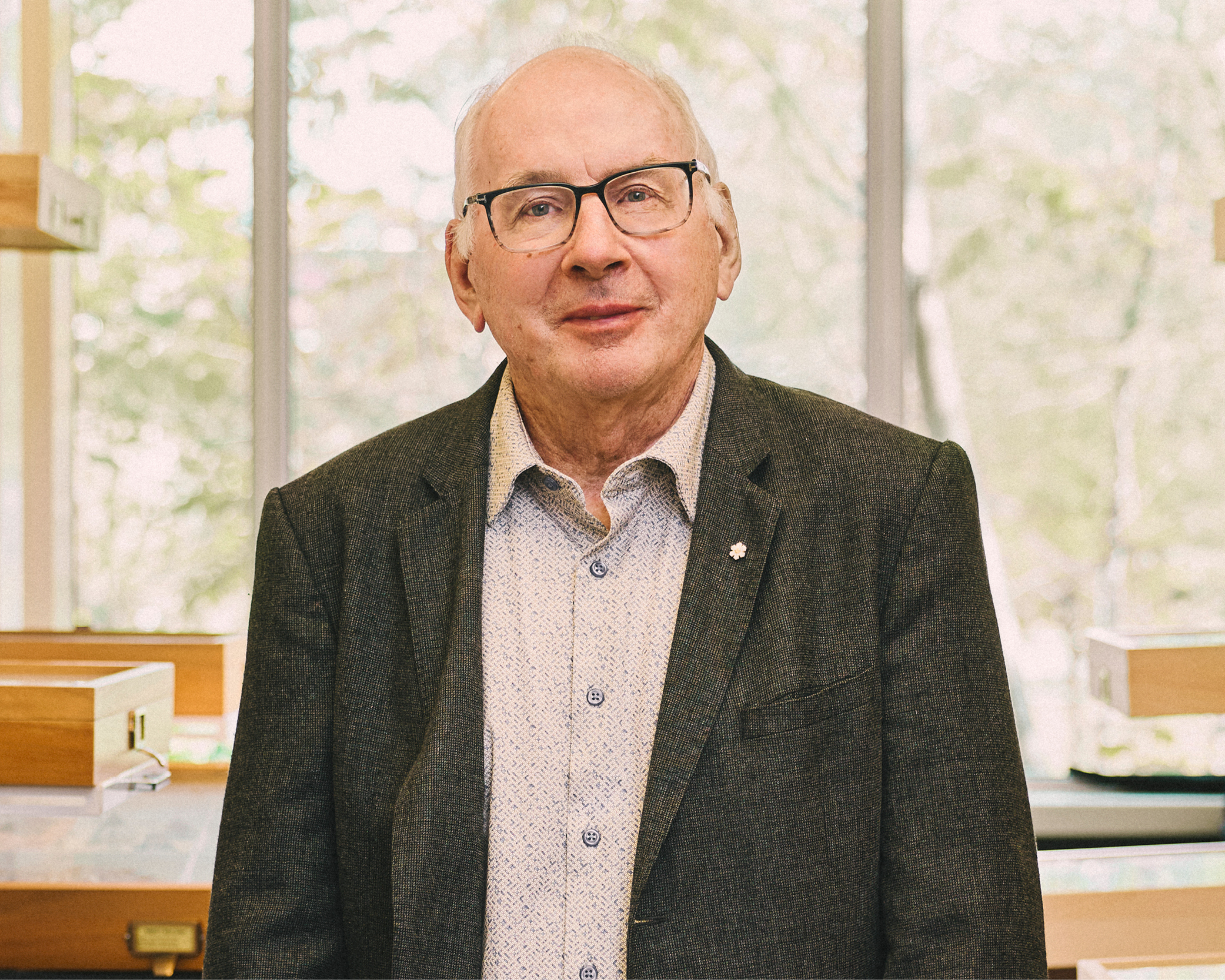
Paul Hebert
University of Guelph
Read biography
Paul Hebert, a Distinguished Professor of Evolutionary Biology at the University of Guelph, has vastly increased humanity’s ability to understand and protect life on Earth. He is widely recognized as the inventor of DNA barcoding — a simple but powerful method for distinguishing species using short genetic sequences that overcomes a longstanding challenge in identifying species.
At a time when most species remained undocumented and expertise in identifying species was scarce, Dr. Hebert’s innovation provided a scalable alternative to traditional methods. He subsequently helped drive a thousand-fold reduction in sequencing costs and pioneered new approaches, including metabarcoding and environmental DNA analysis, that enable biodiversity to be monitored at unprecedented speed and scale. Through his leadership at the Centre for Biodiversity Genomics and the International Barcode of Life Consortium, he has built the global infrastructure that supports these advances.
Today, DNA-based tools developed under Hebert’s leadership are used worldwide to detect invasive species, combat wildlife trafficking, reduce food fraud, guide environmental assessments, and inform conservation policy. By making biodiversity visible, measurable and actionable, his work has fundamentally changed how society manages and protects the natural world.
John C. Polanyi Award
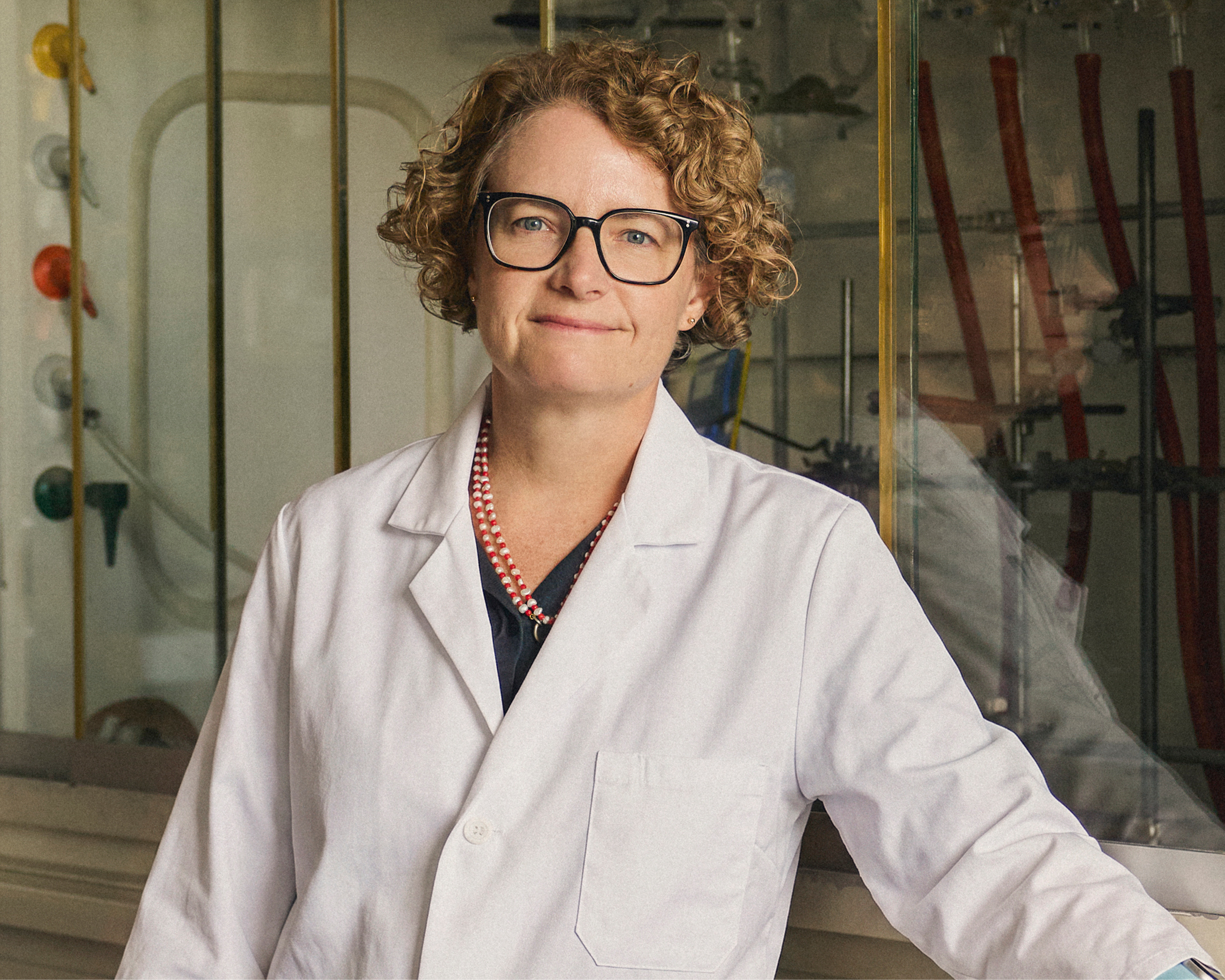
Elizabeth R. Gillies
Western University
Read biography
Elizabeth Gillies, a professor in the Department of Chemistry and the Department of Chemical and Biochemical Engineering at Western University, has transformed polymer science by developing self-immolative polymers (SIPs), a breakthrough class of materials that can be programmed to rapidly and completely disassemble in response to specific triggers. By enabling precise control over when and how polymers degrade, her work has established a new paradigm for designing smart and sustainable materials.
Conventional plastics are valued for their durability, but that persistence can create significant environmental and technological challenges. Dr. Gillies and her research team addressed this problem by pioneering SIPs that remain stable until they are activated by certain stimuli, such as light, heat, enzymes or changes in chemical conditions. Once triggered, these materials undergo a domino-like depolymerization process, which allows complete breakdown and, in many cases, recovery of their original molecular building blocks for chemical recycling. Her innovations have also enabled advances in targeted drug delivery, medical imaging and agriculture, including fertilizer coatings that improve nutrient use while reducing environmental runoff.
Today, Dr. Gillies’ innovations related to self-immolative polymers are influencing researchers and industries worldwide, helping to redefine how materials are designed, used and ultimately returned to the environment.



Featured Jobs
- Movember Institute Discovery Research Program FellowshipsThe University of British Columbia
- Canada Impact+ Emerging Leader in Quantitative and AI-enabled Electron Microscopy for Quantum and Advanced MaterialsMcMaster University
- Director, Human Research Ethics & Strategic AdvisorUniversity of Manitoba
- Theatre and Film - Assistant Professor Without Review (Performance Practice)The University of British Columbia
- International Studies - Faculty Position (Arctic Defence and Security)Université Laval
More from News
-
Budget pressures put satellite campuses under threat
Universities wrestle with educational mission, financial realities.
-

Universities in Guelph, Toronto, Alberta and Trois-Rivières win Synergy Awards
From cell biology to sustainable packaging, the NSERC prizes recognize innovative research partnerships.
-
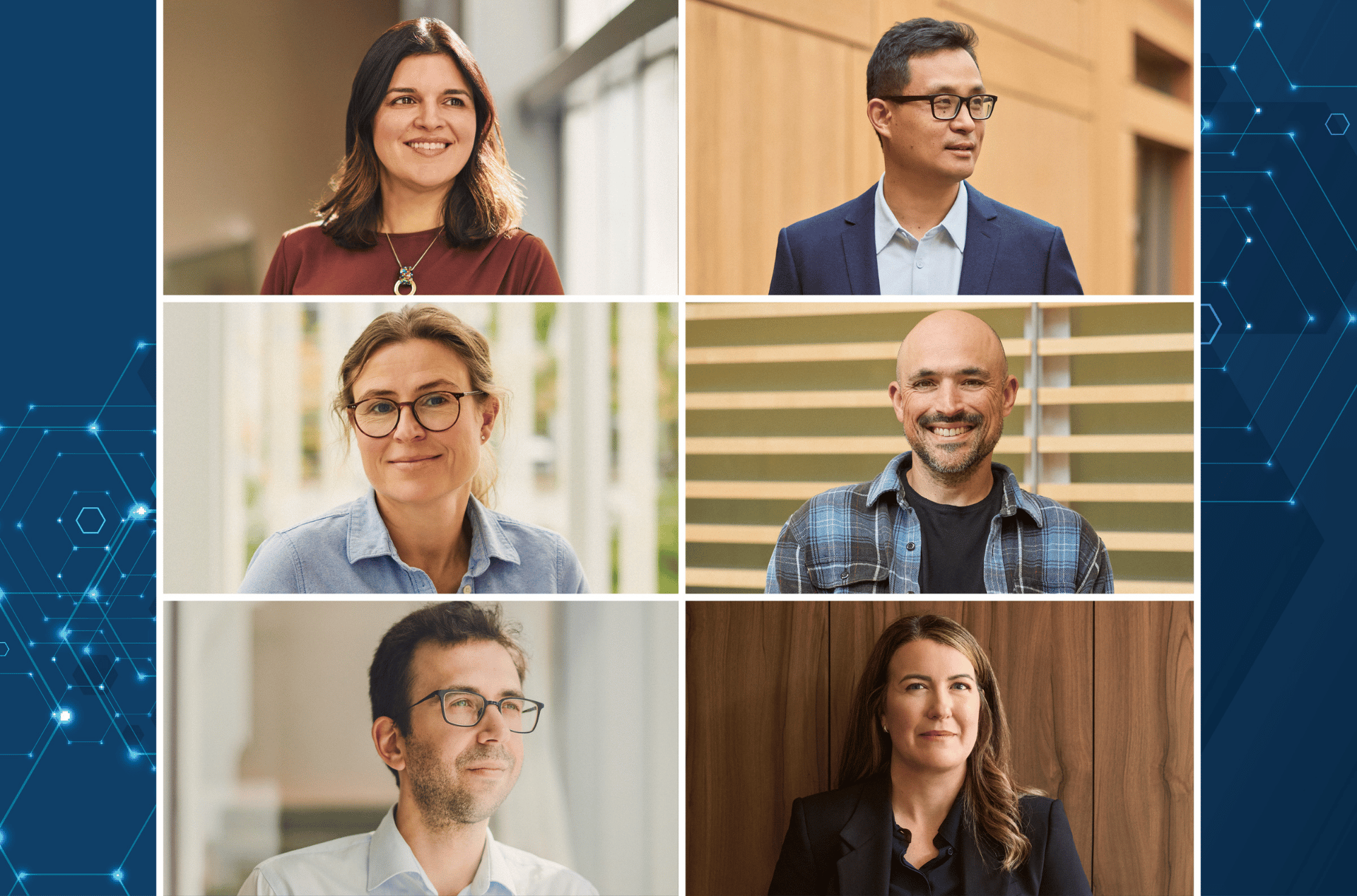
NSERC announces Arthur B. McDonald Fellowship winners
Research council kicks off a week of prizes with grants for early-stage academics.
-

Feds announce $880 million for research
Funding will support both established health scientists and emerging cross-disciplinary researchers.
More from Research
-

Canada ‘muddling through’ without national research infrastructure strategy, panel finds
Expert report says fragmented governance and funding threaten Canada's research competitiveness and scientific sovereignty.
-

The Nuisance Variable
Two-thirds of Alzheimer’s patients in Canada are women. Why does research still treat them as an afterthought?
-
How serendipity built a cross-disciplinary career
Taking research positions out of economic necessity allowed me to gather a broad set of skills and knowledge.
-

Science in French? Bien sûr!
As English dominates the publication landscape, support for French-language research is a strategic investment in the quality, equity and the future of knowledge.
More from Articles
-
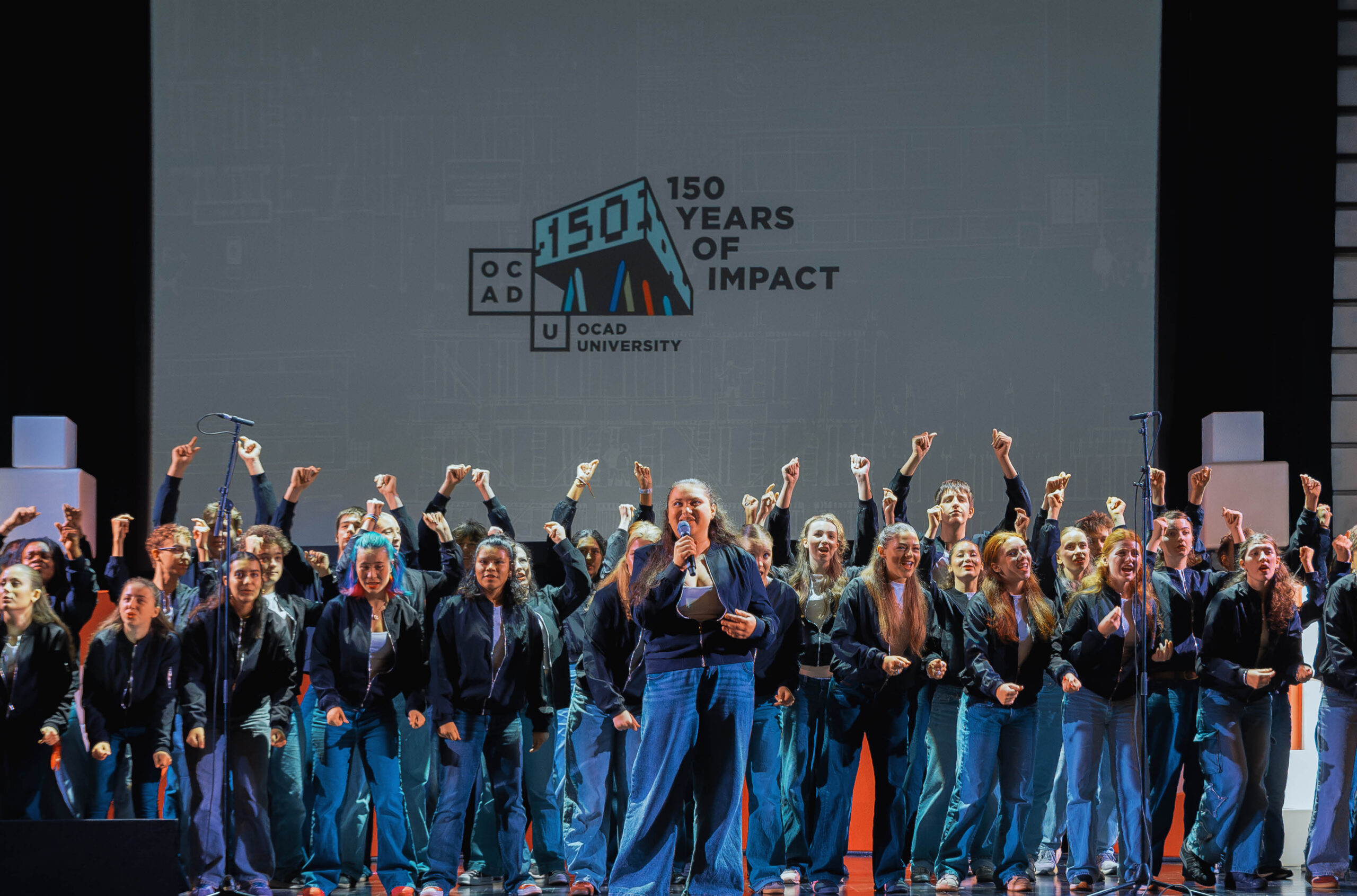
OCAD University celebrates 150 years of shaping Canadian culture
Art and design university launches $6-million campaign for 150 scholarships to mark 150th anniversary.
-

B.C. higher education: tweak or reform?
In the coming provincial election, parties offer different proposals for a system under strain.
-

Ottawa won’t restrict student visas from countries with high asylum-claim rates
India will help Canada ‘crack down’ on student program abuses, high commissioner says.
-

Students and seniors under the same roof
Intergenerational living helps with loneliness and the high cost of rent.


Post a comment
University Affairs moderates all comments according to the following guidelines. If approved, comments generally appear within one business day. We may republish particularly insightful remarks in our print edition or elsewhere.