OCAD University celebrates 150 years of shaping Canadian culture
Art and design university launches $6-million campaign for 150 scholarships to mark 150th anniversary.

A glitzy launch of its 150th anniversary year by Toronto’s OCAD University this week was not only a chance to celebrate an institutional milestone but also to make the case for the importance of culture, art and design education in the fight to assert the country’s economic and political autonomy.
“At a time when Canada’s sovereignty and identity are being tested, our institutions are more important than ever,” Ana Serrano, the art and design university’s president and vice-chancellor told a kick-off gathering of about 800 alumni, faculty, former presidents, supporters, business, government and higher education leaders at the city’s Princess of Wales Theatre Oct. 19. “What can we contribute to Canada over the next 150 years? What happens when we put creativity at the centre of the biggest challenges facing our society, when artists and designers are not simply asked to respond to the future but are given the opportunity to help create it?”

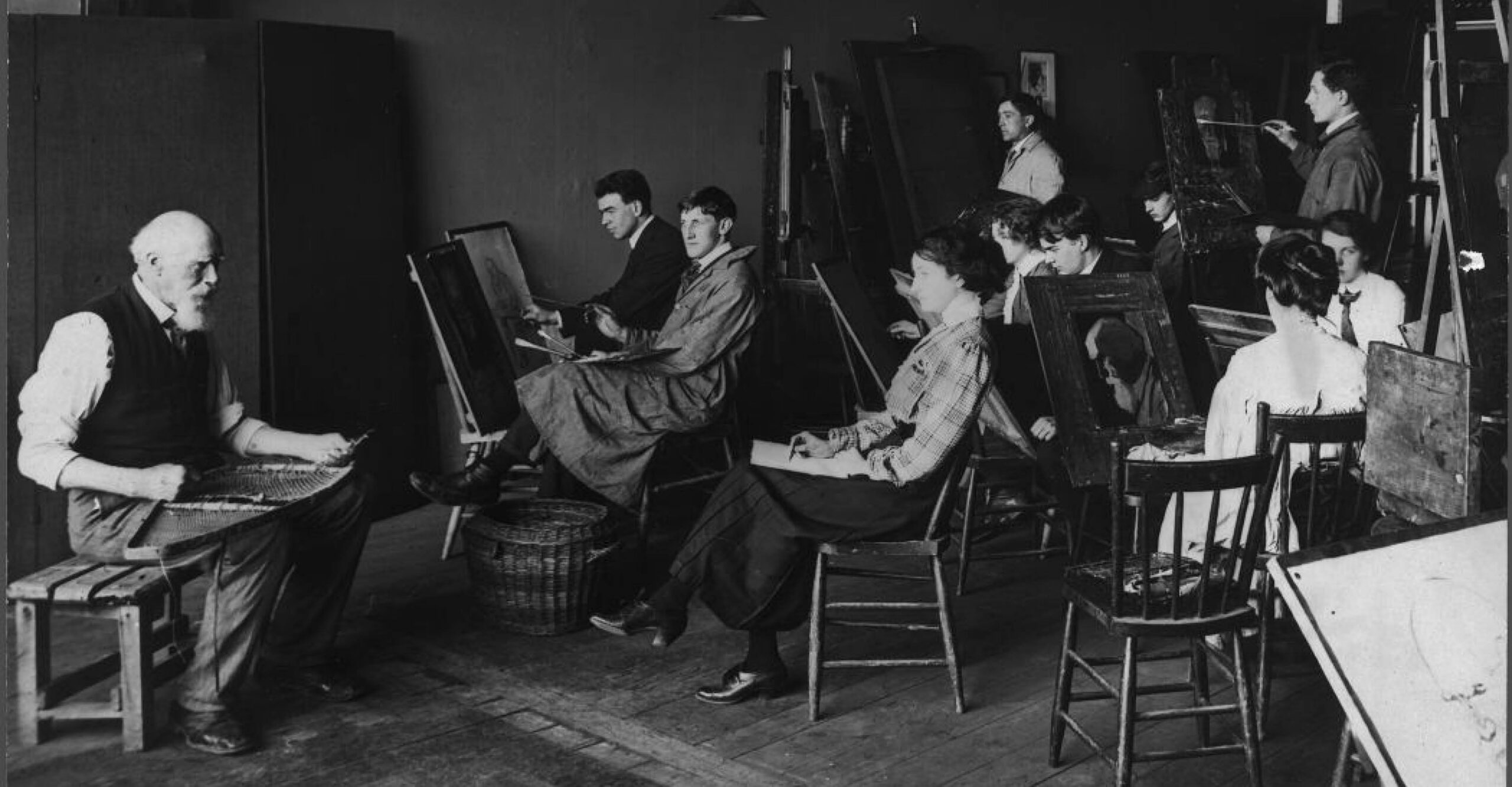
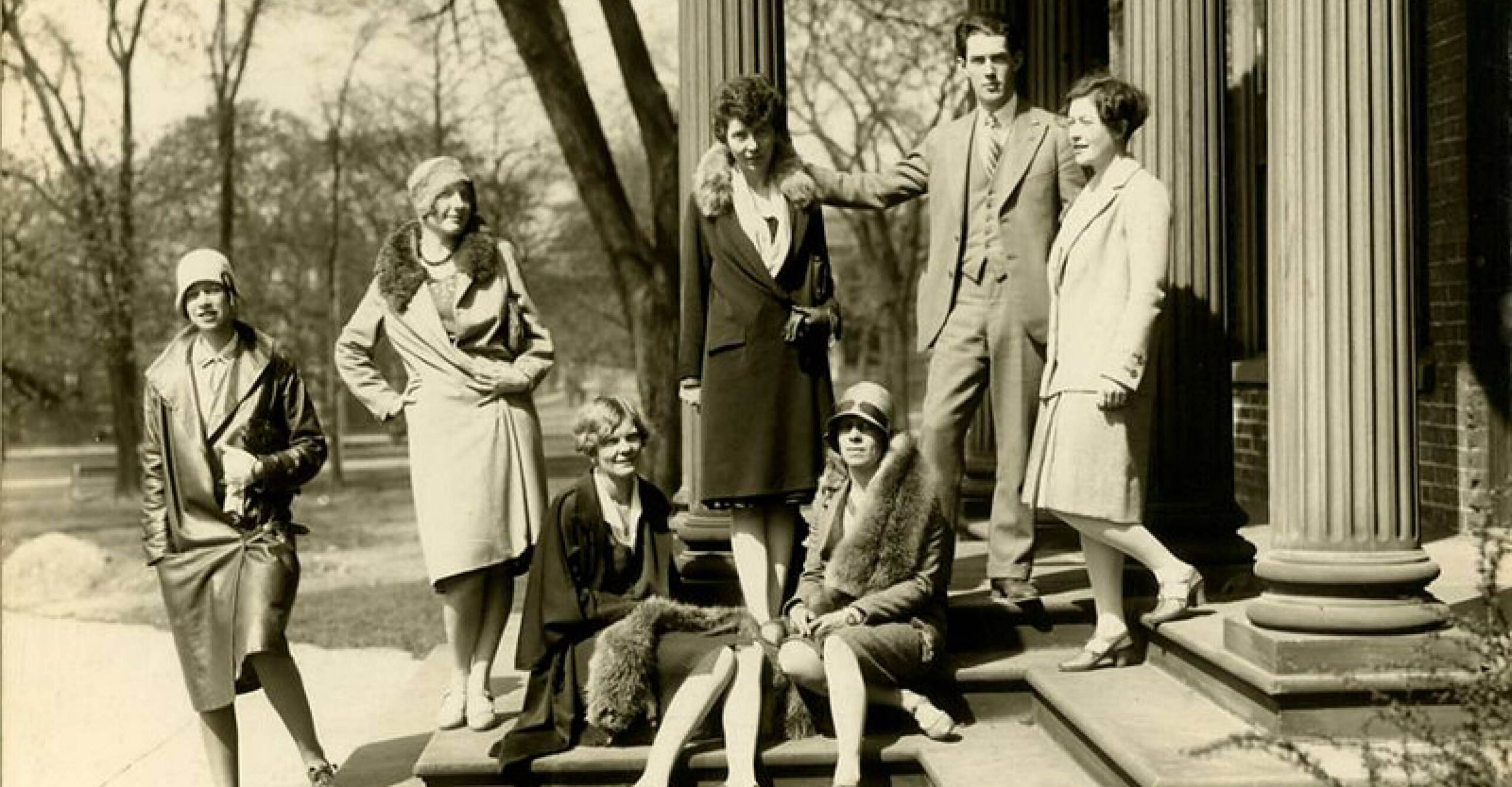
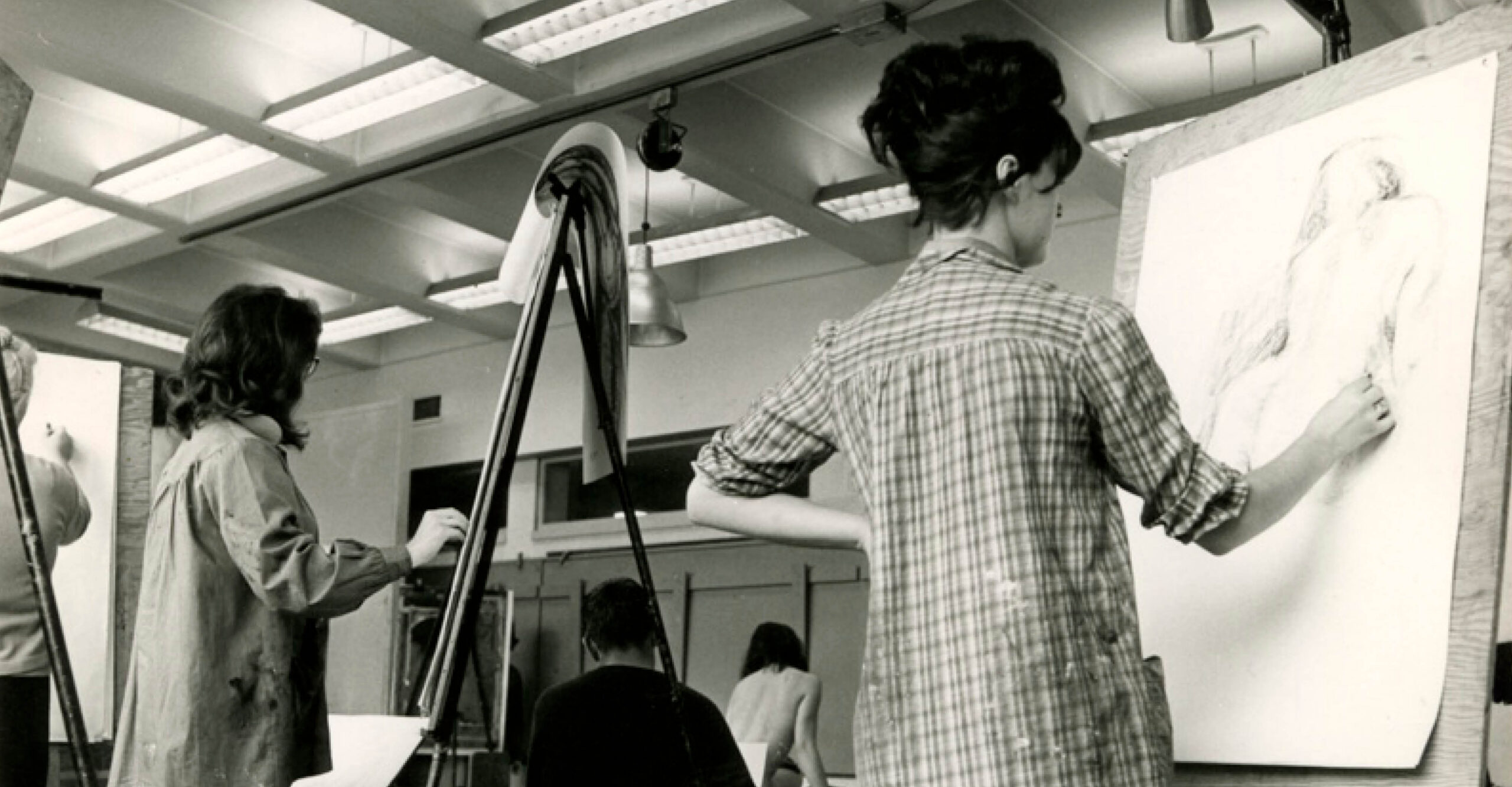
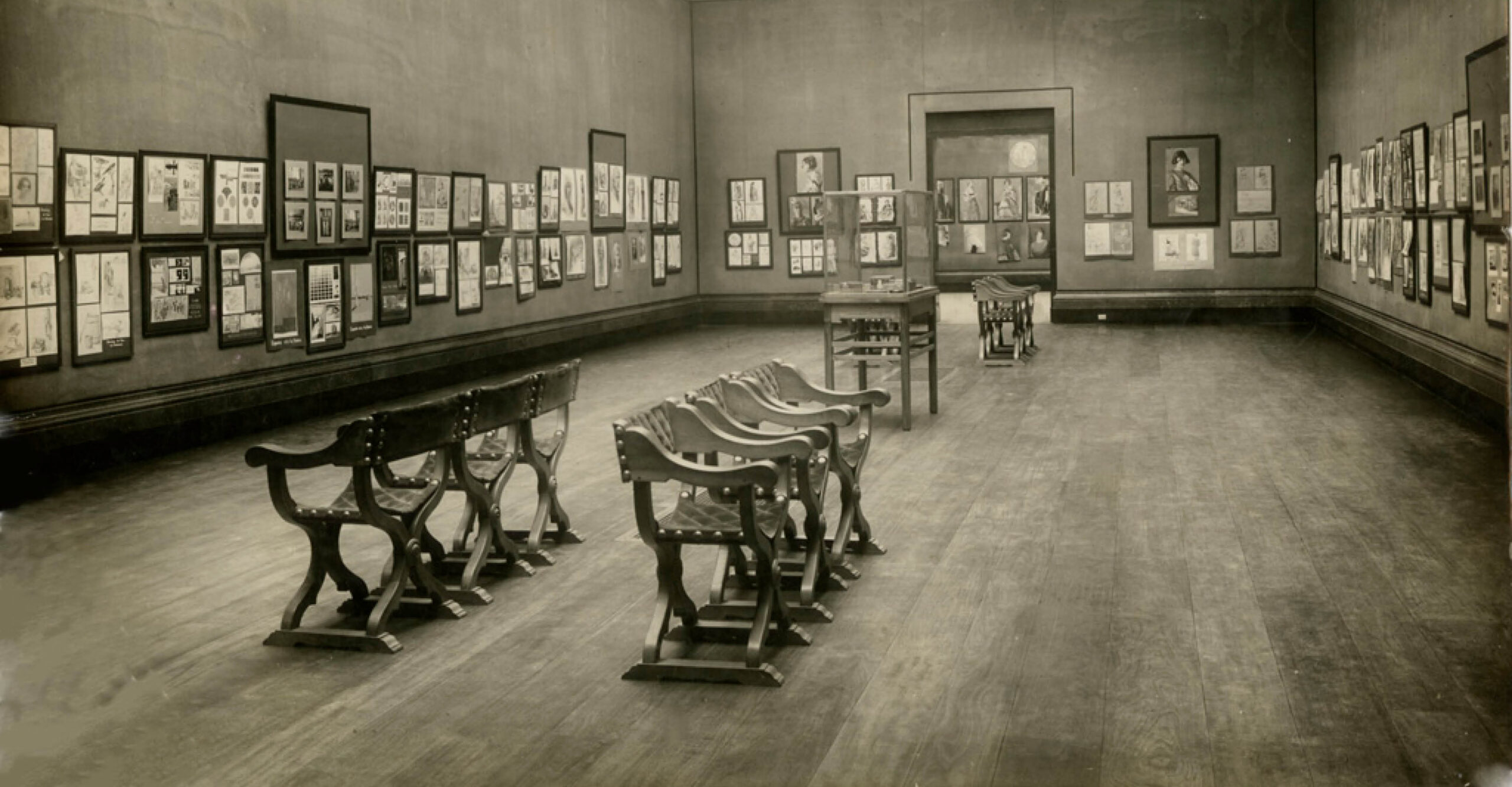
Since its first days as the Ontario Art School with just 14 students in the burgeoning city of Toronto in 1876, OCAD has contributed to the development of a uniquely Canadian art scene and the country’s image of itself. From the Group of Seven’s iconic wilderness landscapes to Burton Kramer’s “exploding pizza” CBC logo to Ken Danby’s sports paintings and Robert-Ralph Carmichael’s “loonie” one-dollar coin design, OCAD faculty and alumni have left their artistic fingerprints all over what many Canadians take for granted as national cultural symbols. The school became the Ontario College of Art in 1912, adding its design school in 1945. It gained university status in 2002 and now offers undergraduate and graduate programs not only in art and design, but also in digital media, sustainability, Indigenous art, health, gaming, animation and film.
“OCAD’s story cannot be separated from Canada’s story,” Ms. Serrano told her audience. “Our founders understood that a country is defined by more than its laws and borders. It is also defined by the images, objects and ideas through which people see themselves and imagine who they might become.”
Emceed by fashion media personality Jeanne Beker, the early evening event featured dance, musical and spoken word performances, a video retrospective of OCAD’s history, and spotlights on accomplished alumni, including an on-stage chat with New Yorker magazine contributing cartoonist and honorary degree holder Barry Blitt, who graduated in 1982.
Surprise rippled through the theatre when a video greeting was played from Diana Fox Carney, wife of Canada’s prime minister and the country’s recently appointed ocean envoy. Institutions like OCAD make important contributions to nation-building, she said, by developing artists and designers who help society adopt fresh perspectives and ideas. “They help us understand complex issues, not only intellectually but emotionally and collectively,” capacities increasingly valuable in an age of technological transformation.

The celebration comes at a time when publicly funded higher education faces strong financial headwinds and government policies encouraging STEM and a labour market orientation to post-secondary programs. Perhaps unusual for an art and design-specialized university, Ms. Serrano told the audience that OCAD is “open for business,” including partnerships, collaborations and new ideas. “All of us need resources – of course there’s a call to invest in us as an institution,” she explained in a later interview with University Affairs. But, she added, even big infrastructure projects like Canada’s Arctic expansion plans will benefit from the design and creative thinking places like OCAD specialize in. “There’s … a call to think more expansively about how we actually do the work we need to do now and that expansive thinking requires us to understand the role of artists and designers.”
That’s meant bringing that message directly to politicians for Ms. Serrano. The connection with Ms. Carney was kindled when both were attending last June’s announcement of Canada’s national strategy for responsible artificial intelligence adoption, Ms. Serrano said. In early 2025, she texted Ontario Premier Doug Ford after he publicly sported a “Canada is Not for Sale” ballcap as a rebuttal to U.S. President Donald Trump’s annexation musings. The hat was designed by OCAD grad Liam Mooney and his partner Emma Cochrane. “That’s an example of a premier who understood the value of design,” Ms. Serrano said. She also credited Ontario’s provincial government for increasing OCAD’s funding through the last provincial budget to recognize the unique studio-based style of learning the university delivers and its higher costs.
A propos of funding, the university also kicked off its new 150 FUTURES program – 150 four-year undergraduate tuition scholarships to start next September, backed by a $6-million fundraising campaign, its most ambitious scholarship project to date. Half of the monies have already been raised through $1 million donations from philanthropist Nancy McCain and her husband, former federal finance minster Bill Morneau, and by TD Bank chairman John MacIntyre and his wife Jan. Several other major donors have also contributed.
“There is incredible talent coming through OCAD U, and we want to see more young artists and designers have the chance to discover just how far they can take it.” Ms. McCain said in a statement.
While it is the largest, at 4500 students, OCAD U is among four art and design-focused universities in the country, all of which have recently marked institutional milestones. Emily Carr University of Art and Design in Vancouver, with more than 2400 students, celebrated its 100th anniversary last year. Alberta University of the Arts in Calgary, with about 1200 students, is holding centennial festivities this month, beginning in 1926 as a department within what became the Southern Alberta Institute of Technology, or SAIT. And Halifax’s NSCAD U, with about 650 students, last year passed the 100-year mark since it was chartered as the Nova Scotia College of Art (growing from the Victoria School of Art and Design, founded in 1887, NSCAD’s official starting date).
From their beginnings, these institutions have served as hubs for the development of their local art communities, says art historian Anne Whitelaw. “It looks different in each place, but in each place [they’ve] been a real fulcrum, a place where … there could be a critical mass of artists doing work together and bringing in students and having exhibition spaces,” said Dr. Whitelaw, a professor of art history at Concordia University and editor-in-chief of the Journal of Canadian Art History.
The reality of art and design education, however, she said, is that the programs are expensive to run and require small class sizes, which is against the current of larger classes and fiscal restraint. The country’s art and design universities “are facing big challenges now,” said Dr. Whitelaw. Nevertheless, she added, “they are doing a very good job of partnering with donors and of articulating the importance of fine arts and design education, what those programs are and what that training gives students.”



Featured Jobs
- Movember Institute Discovery Research Program FellowshipsThe University of British Columbia
- Theatre and Film - Assistant Professor Without Review (Performance Practice)The University of British Columbia
- International Studies - Faculty Position (Arctic Defence and Security)Université Laval
- Toldo Chair in Christian StudiesAssumption University
- Global Inequalities and Trade - Faculty PositionUniversité Laval
More from News
-
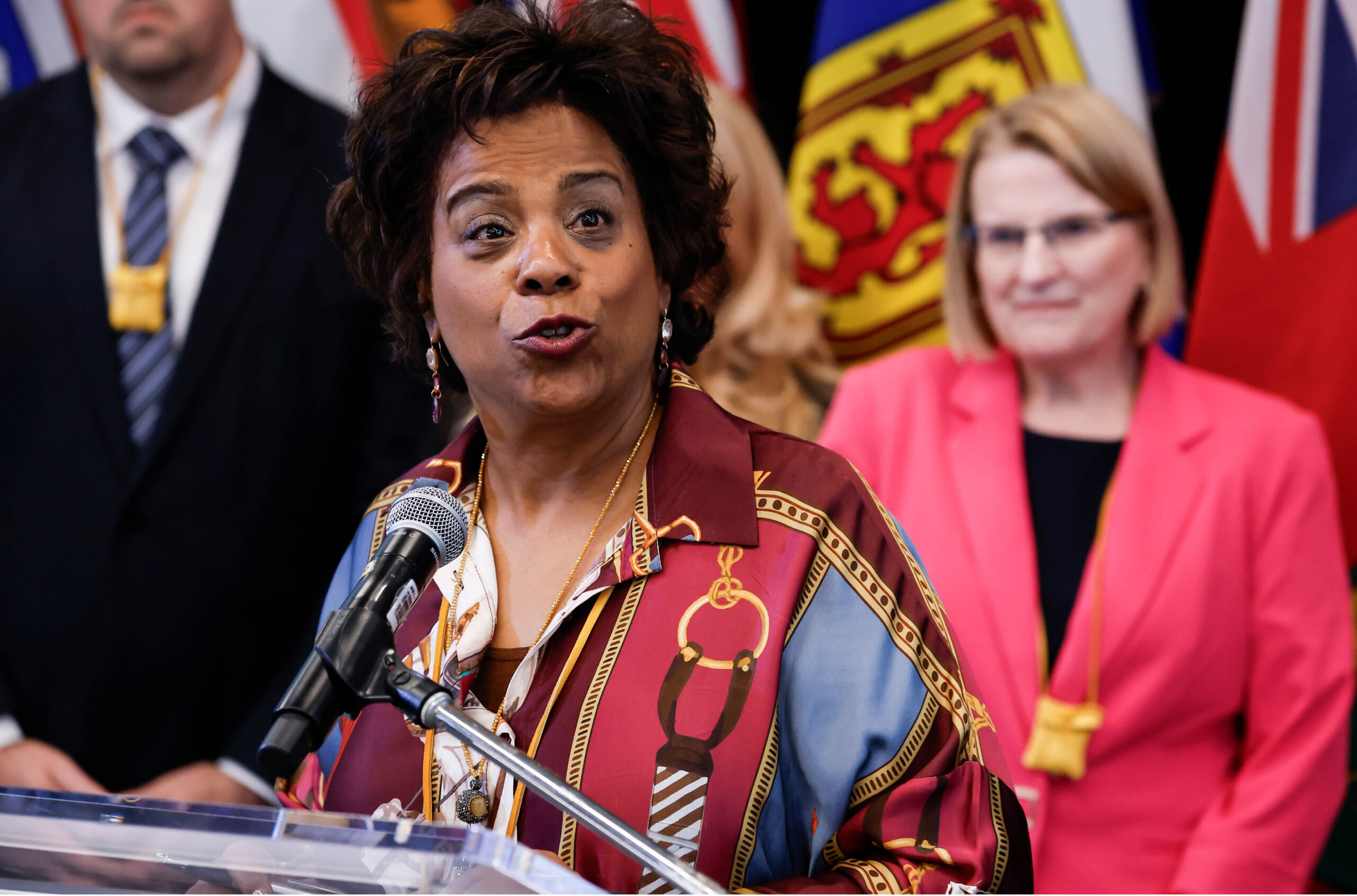
Feds announce $880 million for research
Funding will support both established health scientists and emerging cross-disciplinary researchers.
-

B.C. higher education: tweak or reform?
In the coming provincial election, parties offer different proposals for a system under strain.
-

Canada ‘muddling through’ without national research infrastructure strategy, panel finds
Expert report says fragmented governance and funding threaten Canada's research competitiveness and scientific sovereignty.
-

Ottawa won’t restrict student visas from countries with high asylum-claim rates
India will help Canada ‘crack down’ on student program abuses, high commissioner says.
More from Arts
-
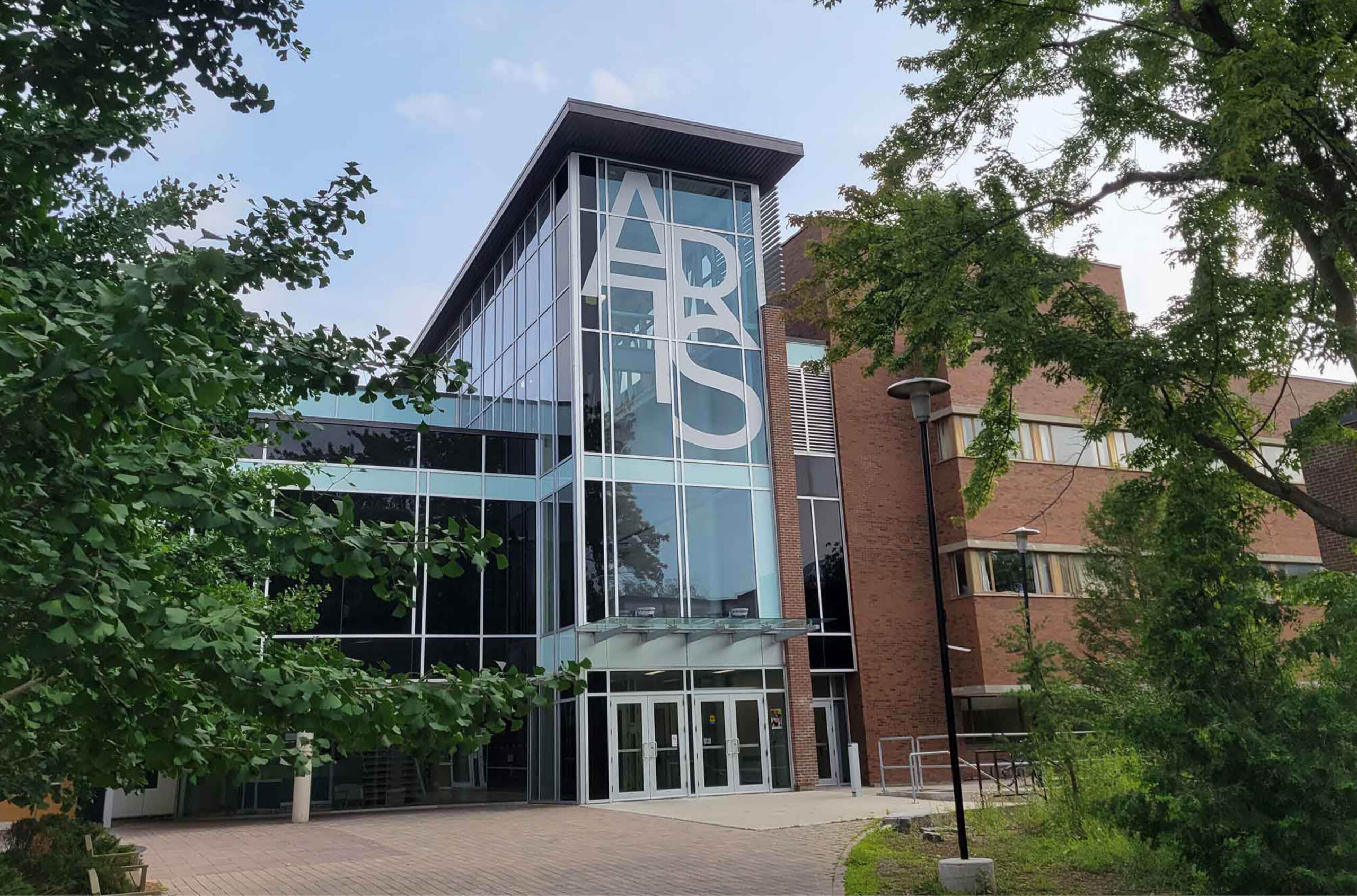
Building resilience in Arts through interdisciplinary collaborations
In a technology-enabled future, Arts faculties have an opportunity to demonstrate their relevance by making collaboration across disciplines easier and more visible.
-

It’s time for philosophy to regain its rightful place
With an influence that extends to nearly every intellectual domain, philosophy is indispensable to the mission of a university.
-

Top 10 movies about university life
In honour of Academy Awards season, here’s our list of the best films about professors, students and out-of-control frat boys.
-

Comrades in arms
The Canada-Korea theatrical collaboration, R;Link tells a story of soldiers’ friendships in the Korean War.
More from Articles
-

Students and seniors under the same roof
Intergenerational living helps with loneliness and the high cost of rent.
-

U Sports alum lace up for PWHL season
Canadian grads eager to show their mettle on women’s pro hockey teams.
-

The hidden problem of student homelessness
As high rents push more students into precarious housing, it's time to stop romanticizing the 'poor scholar'.
-

Parliamentary committee urges stronger support for research in French
Granting agencies should consider funding targets specifically for French-language projects, the Standing Committee on Science and Research recommends.

Post a comment
University Affairs moderates all comments according to the following guidelines. If approved, comments generally appear within one business day. We may republish particularly insightful remarks in our print edition or elsewhere.