Finding my family in retirement
Academic research experience comes in handy when tracking down ancestral geneaology.

When I retired from my faculty role at the University of Calgary after more than 35 years, I found myself with free time. I’d spent my academic career surrounded by students, committees, research and grant submission deadlines, and I wondered what would fill my days now that my calendar had opened up. The answer turned out to be genealogy, the chance to discover where my family came from and to learn the stories behind the names in my family tree.
I had no idea where to start. So, I did what I would have told any student to do: begin with what you know. I sat down and wrote out everything I could remember about myself, my parents, my grandparents and even my great-grandparents. Names, dates, places, the bits and pieces of family history that I had heard over the years. Most of it was incomplete, such as my paternal grandmother having a half sibling — male or female, I had no idea, but it gave me a starting point.
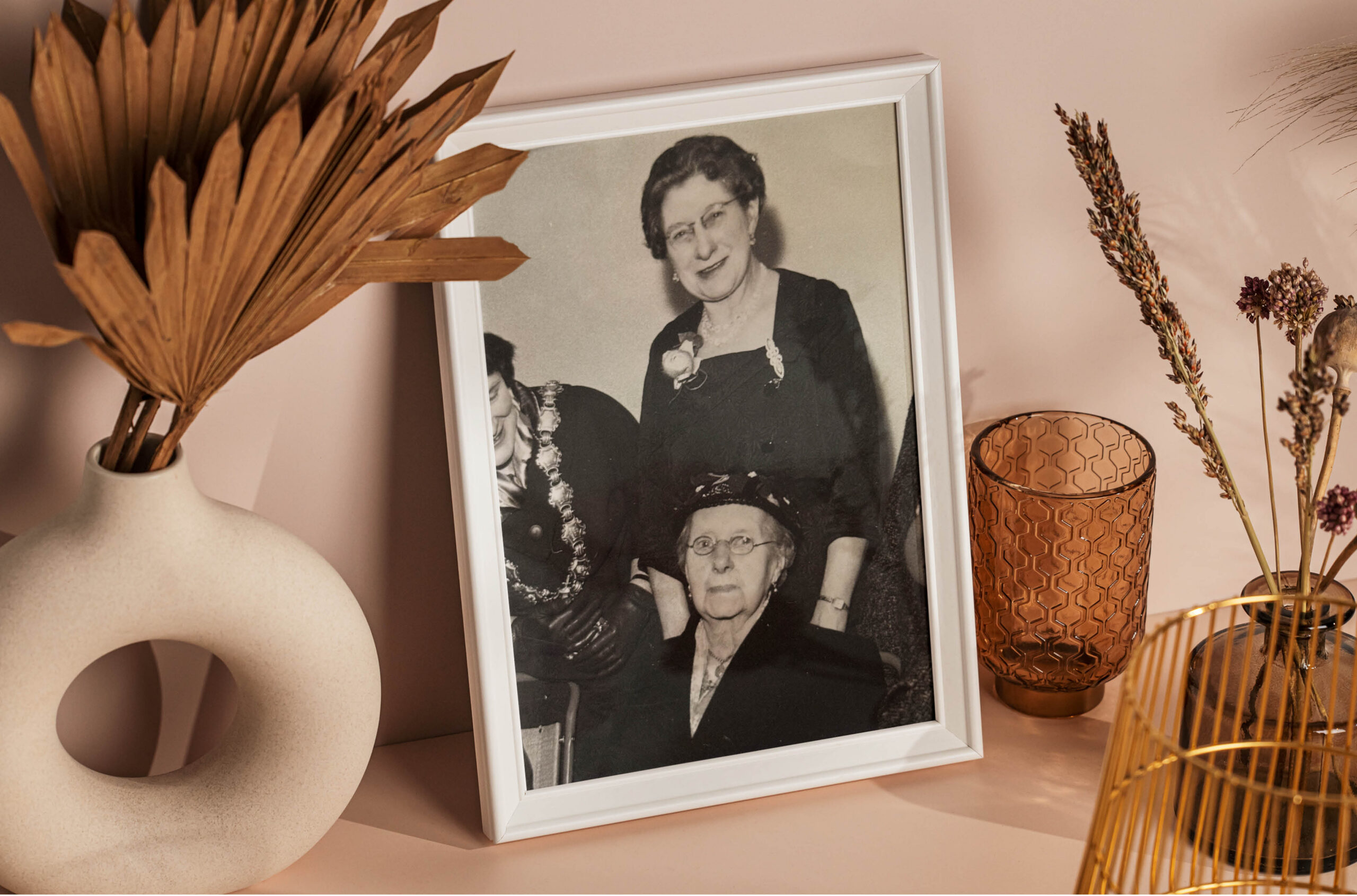
Some people begin by talking with older relatives, who often remember names, places and small details you’ll never find in any official records. I didn’t have that option. The older generation of my family is gone, and with them went many of the stories that might have informed me. I immigrated to Canada at a young age and had no strong family ties with those still residing in my country of origin. So, I turned to what they left behind: old photographs (sometimes with only a name or year on the back), two family Bibles, immigration papers and my parents’ old passports. Each item became a piece of my puzzle, and I have loved doing puzzles all my life.
I found my way to websites like ancestry.ca, with its millions of records: census returns, birth and marriage registrations, immigration documents, old newspapers and more. It was overwhelming at first; I quickly recognized that my background was British, and this influenced my search for records. I joined the International Society for British Genealogy and Family History (interestingly located in the U.S.), which, for a small membership fee, gave me access to the webinars that they host.
This year, my daughter gave me a personal session with a professional genealogist for my birthday. She has now joined the search with me. We initiated a regular date and time, and we connect over Zoom since she does not live in Canada. We set ourselves an initial modest goal: that of finding the parents of each of my parents, and then their parents. When we managed that, we started looking for their siblings: the aunts and uncles of their generation.
My years at the University of Calgary served me well in one respect: I knew to check my sources. It was tempting to accept what I saw in someone else’s online tree, but I knew a matching name doesn’t mean a matching person. I learned to look for an original record, or at least a second reliable source, before adding anyone to my tree. I learned not to rush. Genealogy is detective work. I’ve found several different birth dates for the same ancestor — at least it currently seems to be the same person, but more work needs to be done in this regard. I have also seen our surname(s) spelled in diverse ways.
Somewhere along the way, I realized we were not just collecting names and dates. I was getting to know real people: where they were born, where they worked, whom they married, and sometimes the challenges they faced, such as working in the coalmines of Yorkshire, England. I was also learning about myself. I found out that my maternal grandmother’s family left Ireland for England. I’d never heard a word about this move. I wondered what led them to leave home, what it was like to arrive in a new country, and how faith might have influenced their decision to leave. Records can tell you where someone went and when; they can’t always tell you why. But knowing even this much has made her feel far more real to me than the two occasions on which I remember meeting her.
Finding my family has started. I have idea of where this search will take me as I move forward. It is exciting.



Featured Jobs
- Toldo Chair in Christian StudiesAssumption University
- Director, Human Research Ethics & Strategic AdvisorUniversity of Manitoba
- Global Inequalities and Trade - Faculty PositionUniversité Laval
- International Studies - Faculty Position (Arctic Defence and Security)Université Laval
- Psychology - Assistant Professor (Clinical Psychology)Western University
More from Career Advice
-

How to get published when your reviewers don’t get it
New theoretical approaches often encounter editorial skepticism.
-

How serendipity built a cross-disciplinary career
Taking research positions out of economic necessity allowed me to gather a broad set of skills and knowledge.
-

From doctoral student to entrepreneur
Resources abound to help you turn your PhD research into a business startup.
-
Internationalizing Truth And Reconciliation through multilingual storytelling
Faculty share stories in their home and heart languages in the University of the Fraser Valley’s Leq'áleq’el Video Series.
More from Retirement
-

From scholar to loller
The joys of retiring early.
-
Mandatory retirement: the case against
Joe Norris argues that forcing academics to retire is a form of systemic violence.
-
Mandatory retirement: the case in favour
Jamie Paris argues that guaranteed employment for life skews the age balance of the professorate while enabling the exploitation of early- and mid-career scholars.
-

Staying active — and activist — in retirement
People often ask me: why are you still doing all those professional things? Haven’t you “retired”? The underlying and well-meaning message is: why aren’t you relaxing more, travelling to faraway places, and binge-watching your favourite television shows? I...
More from Academic for life
-

Life lessons from the World Happiness Report
Happiness is a gift for elders to pass on to the younger generation.
-

End your job, keep your friends
Retiree associations help you stay engaged and connected during the next chapter of life.
-

Share your expertise and write what you know
Writing a book in retirement can be a source of immense satisfaction.
-

Creating retirement, step by step
Building a fulfilling life after work means remaining creative, playful and open to opportunities.
Post a comment
University Affairs moderates all comments according to the following guidelines. If approved, comments generally appear within one business day. We may republish particularly insightful remarks in our print edition or elsewhere.