Quebec student protesters call for general strike in 2027
Massive Montreal rally caps week of province-wide demonstrations against tuition fees, income precarity.

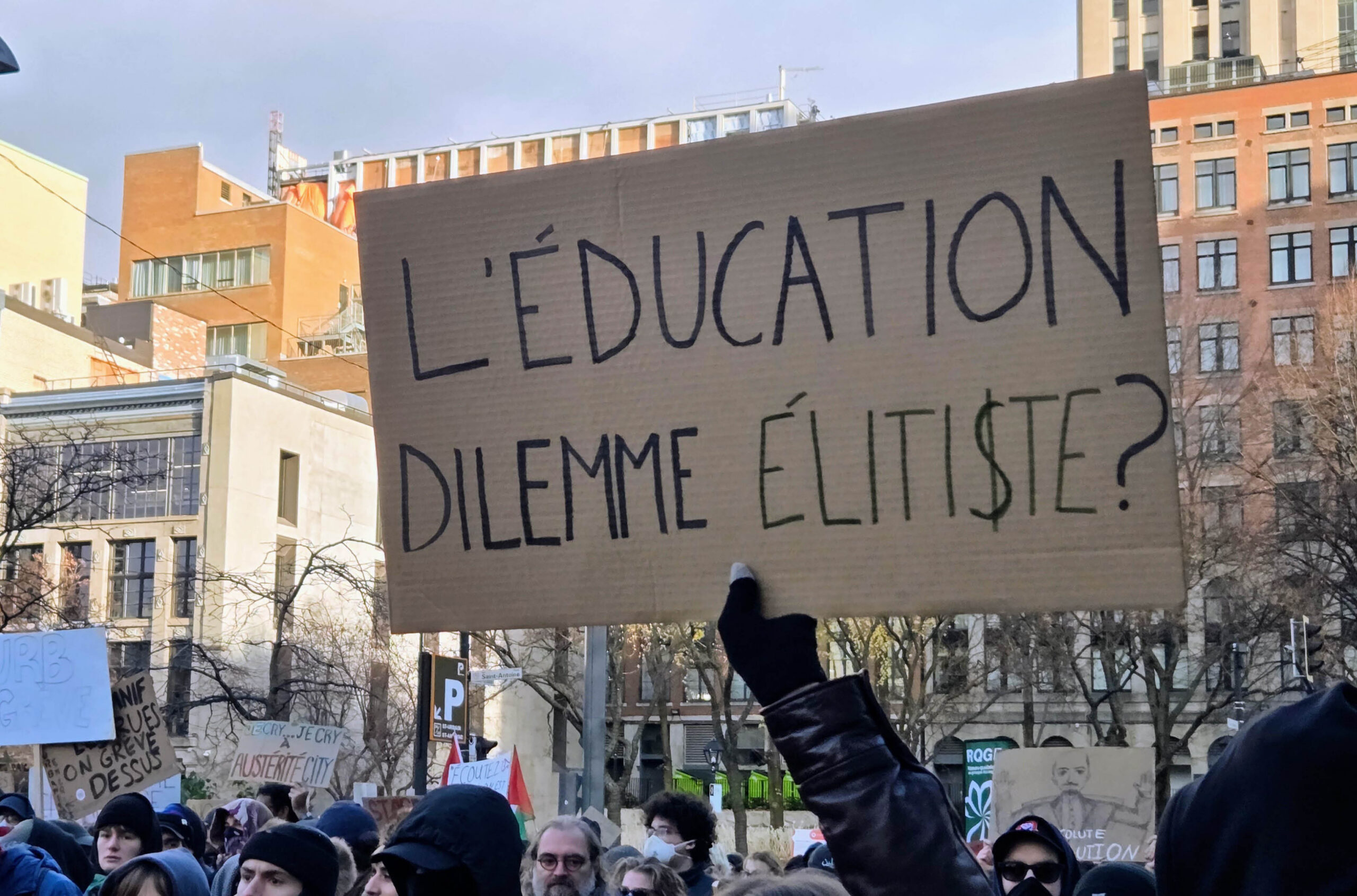
A leader of the protests that brought thousands of students flooding into the streets of Montreal last Friday is calling for an “unlimited general strike in 2027.”
“Students shouldn’t have to live in poverty,” said Elki Mercier, spokesperson for Coalition de résistance pour l’unité étudiante syndicale (CRUES), an umbrella organization that represents some student associations in Quebec. “Education must remain free, accessible, and high quality!”
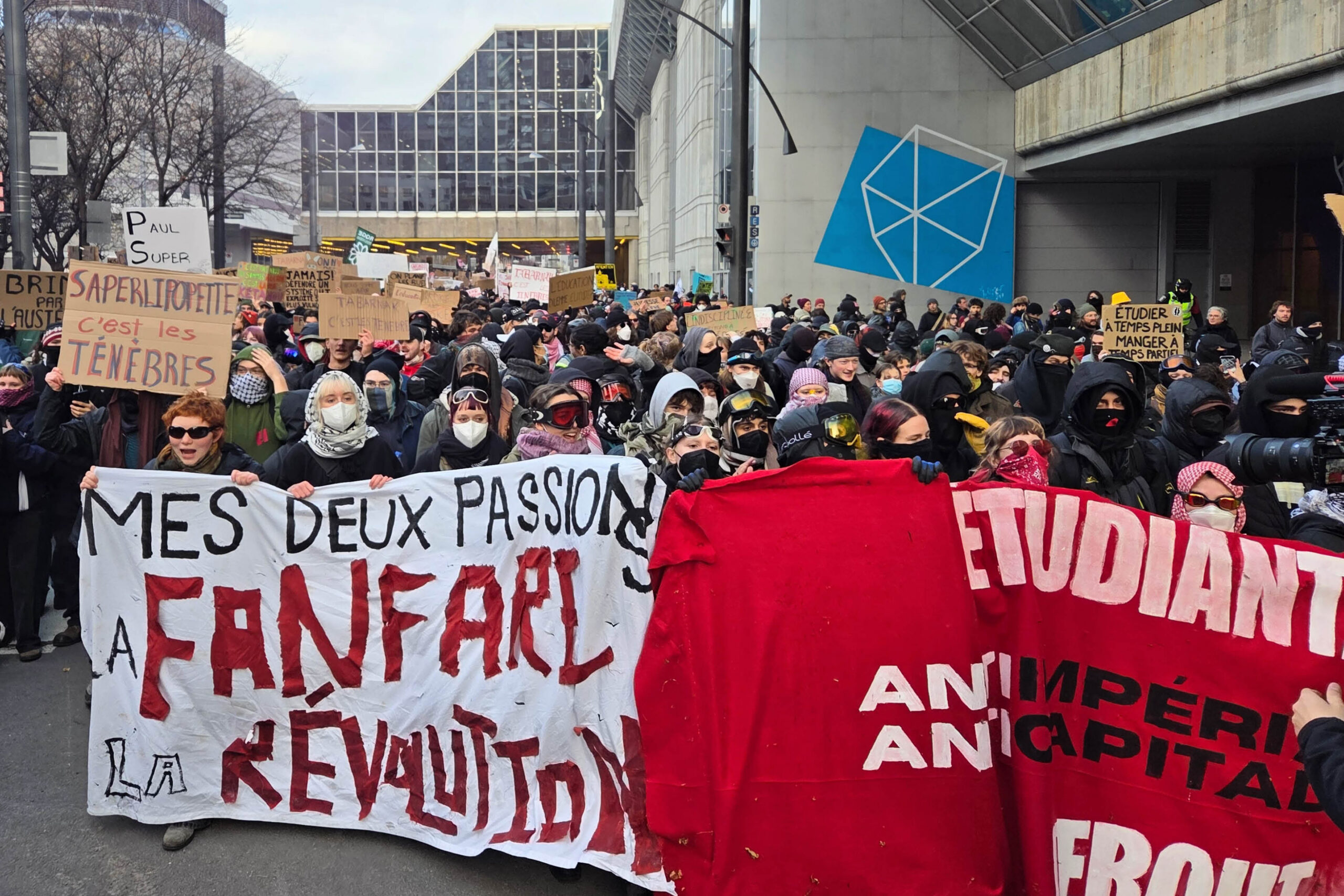
Addressing a large crowd of students in Montreal’s Victoria Square on November 13, Ms. Mercier spoke out against “austerity policies,” financial precarity and lack of investment in education. “Personally, I’ve had enough. What about you?” she called, to loud applause.
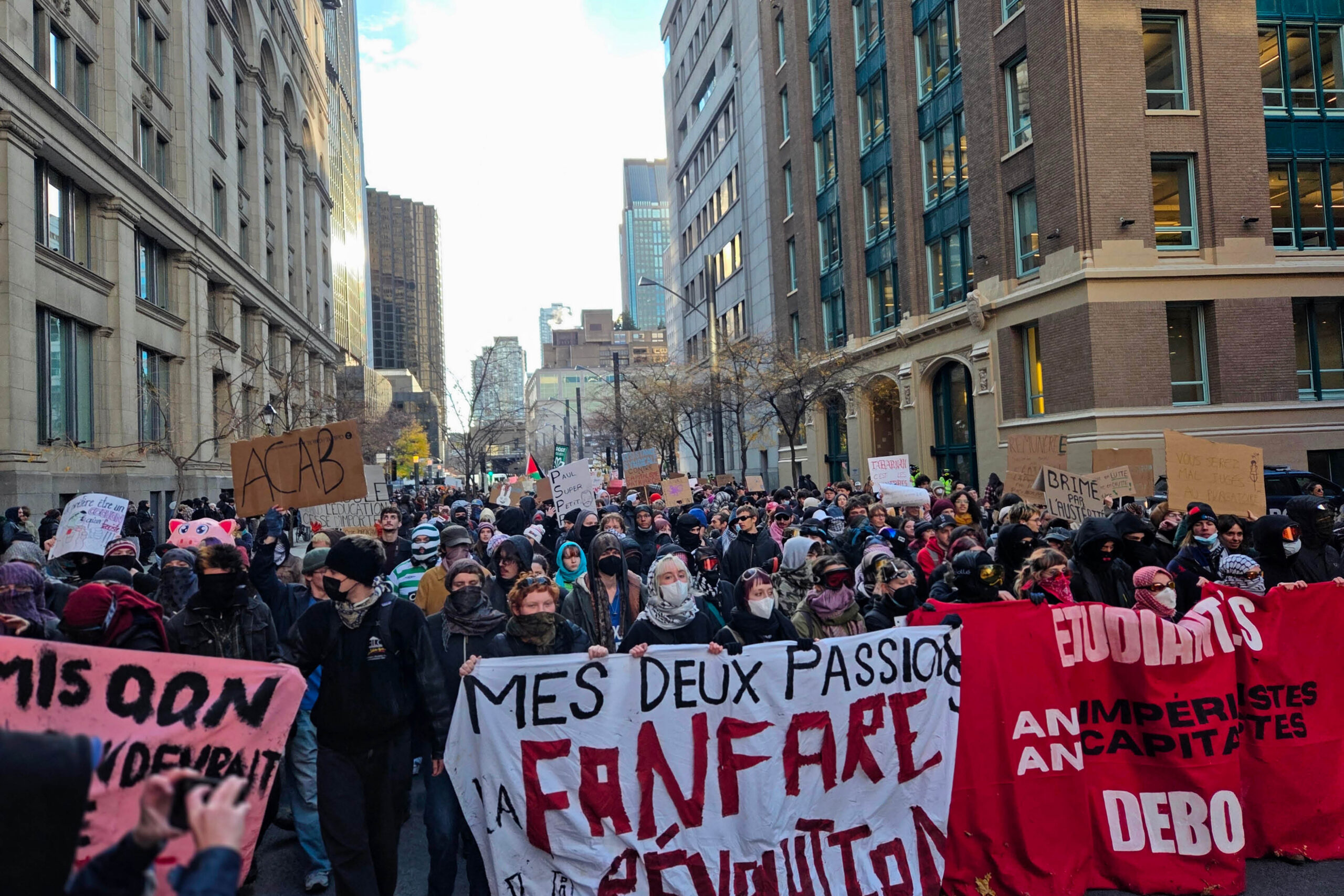
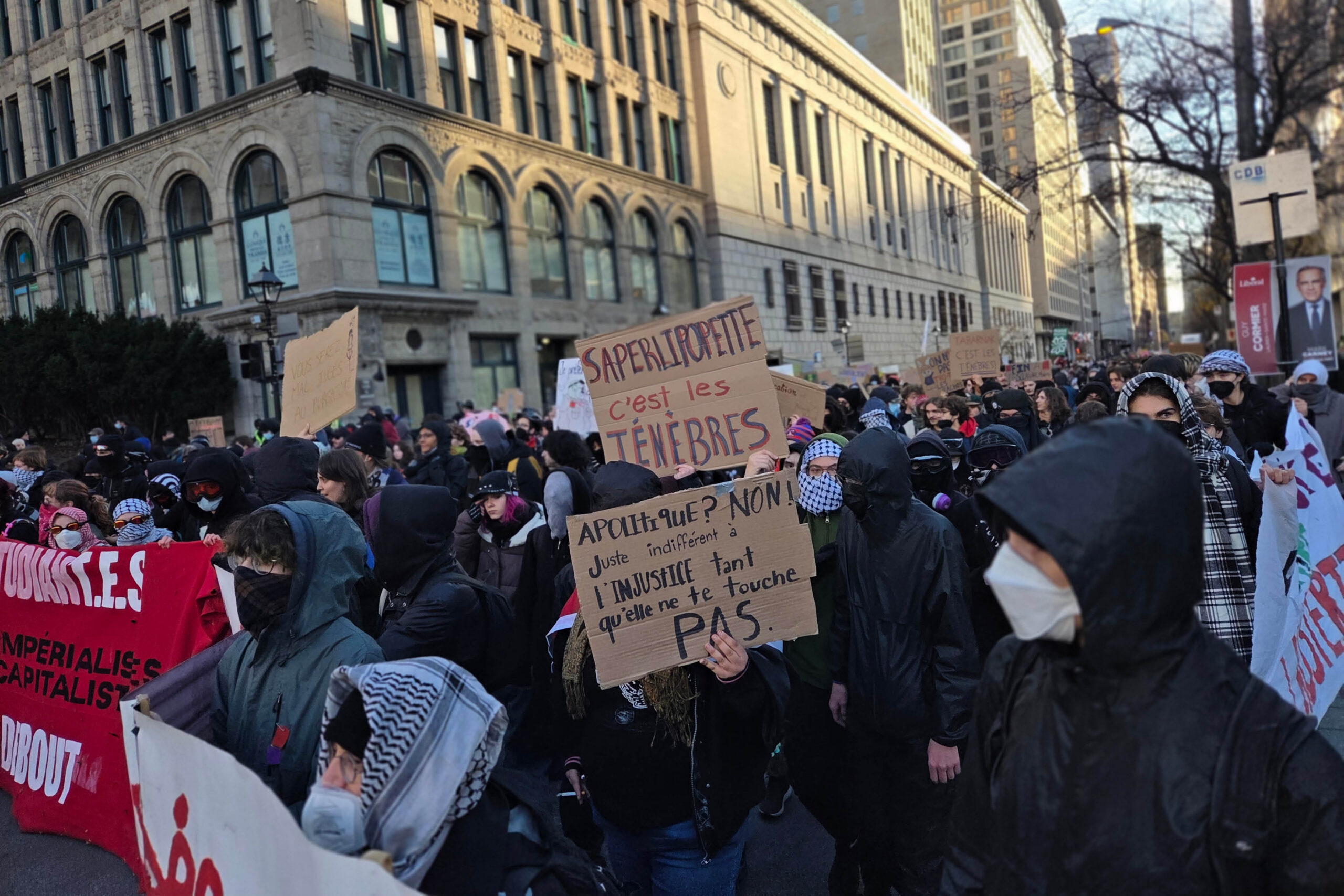
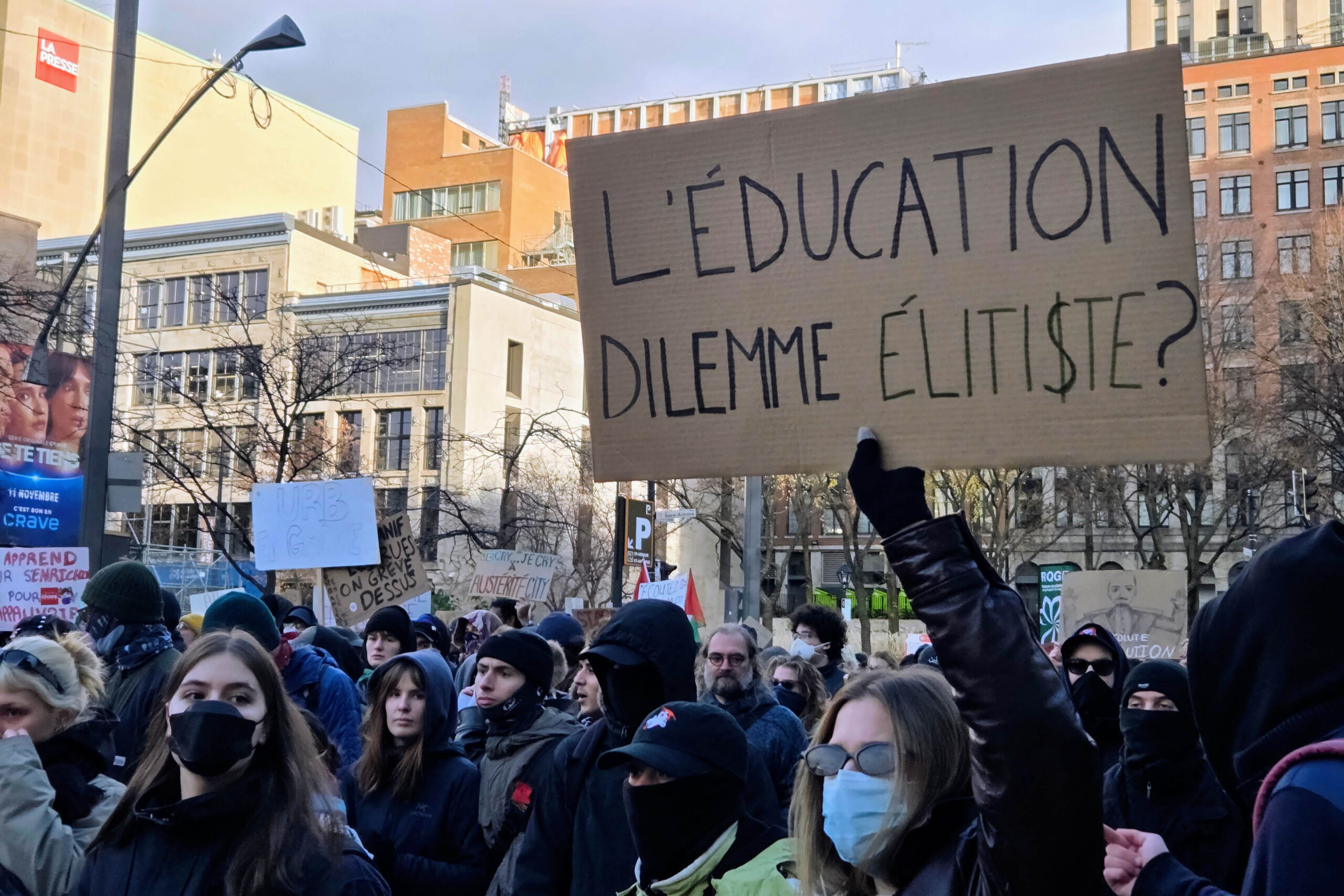
An estimated 2,000 and 5,000 students attended the Montreal protest, which capped off a week of student strikes in various Quebec CEGEPs and universities. CRUES — whose website lists 13 member student associations — said that almost 100,000 students were covered by the strike mandate.
Protesters called for reform of Quebec’s student financial assistance program and a massive reinvestment in CEGEPs and universities. Brandishing signs, they took to the streets accompanied by two marching bands, while singing a chant borrowed from France’s anti-austerity student protests: “J’ai deux passions, la fanfare, la révolution!” (I have two passions: marching bands and revolution!)
The rallies in Quebec followed protests at Ontario universities the previous week, where students called on the provincial government to reverse cuts to the OSAP student grant program. Meanwhile, a group of student organizers affiliated with the University of Ottawa NDP club is circulating a petition calling for free tuition in Ontario.
READ MORE: Ontario university students protest OSAP changes – University Affairs
The high cost of education
A social work student named Olivier, who attended the Montreal protest, said he faces financial difficulties that force him to “skip meals, pick which day to eat, and ask family for help.”
“My program has a mandatory 450-hour unpaid internship,” said the student, who called for all mandatory internships to be paid. “That’s basically six months of lost income.” In the meantime, he said, he’s taken out multiple student loans without knowing whether he’ll be able to pay them back.
Statistics show that Olivier is not alone: A 2024 study showed that 44 per cent of students polled across six Quebec CEGEPs experienced slight, moderate or severe food insecurity. More recently, an Équiterre study from March 2026 showed that 20 per cent of students reporting food insecurity said they regularly skipped meals.
Data from Quebec’s ministry of higher education show that recipients of student financial assistance got an average of $9,601 in loans and bursaries during the 2023–2024 school year. CRUES says that’s not enough. The student organization is calling for more financial assistance to combat the higher cost of living; for parental contributions to be omitted from how the government calculates financial assistance to students; and for eligibility to be extended to more students, including international students. Other demands include more funding for institutions so that they can renovate infrastructure, hire staff and build affordable student housing.
A protest overshadowed by violence
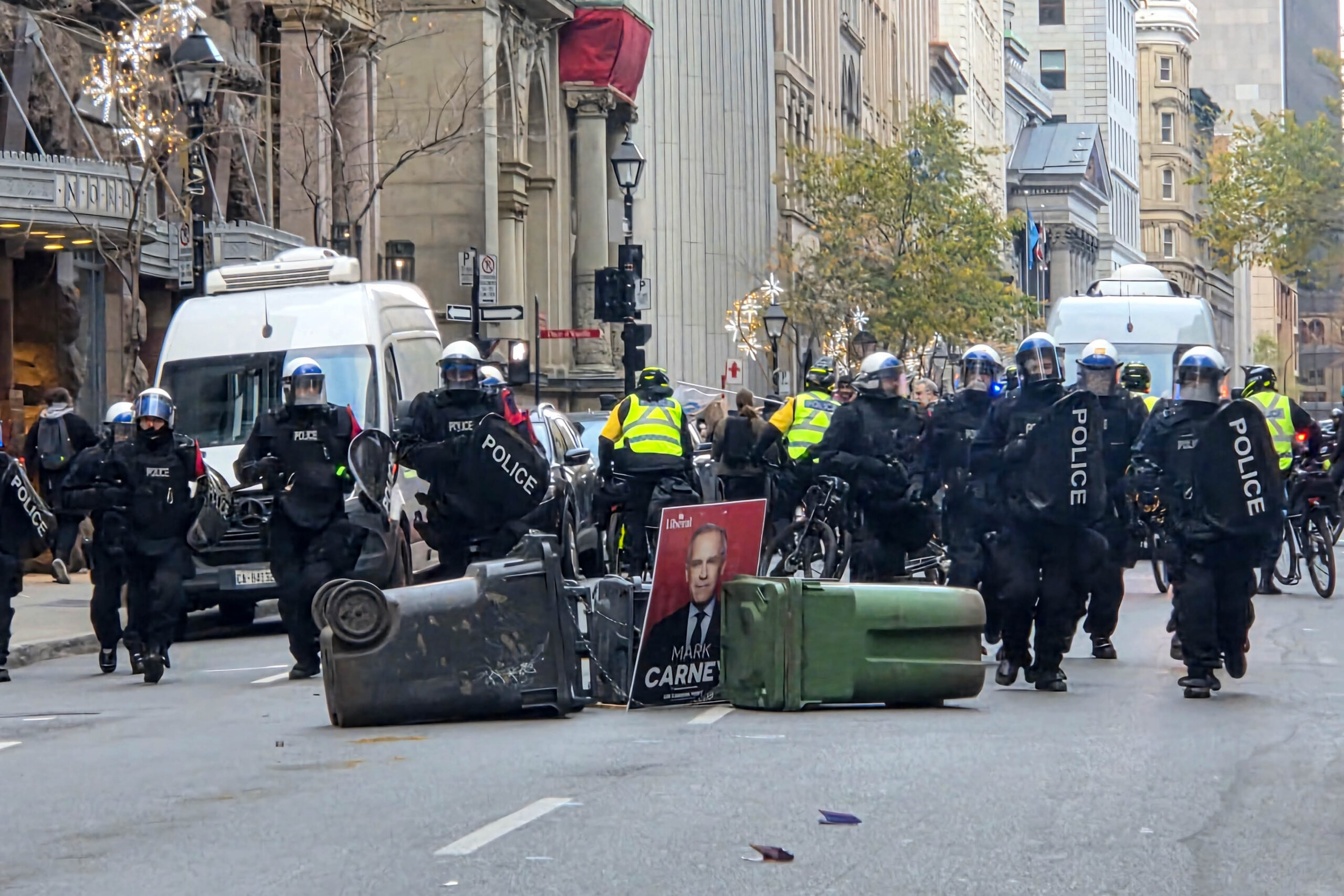
Less than an hour after Friday’s protest began, as the marchers were passing near the Montreal Convention Centre, what had been a peaceful afternoon suddenly turned chaotic. A stone was thrown toward riot police and, although it didn’t make contact, police charged the crowd, using violence and tear gas to disperse protesters.
Tensions rose between certain protesters and the police, dressed in riot gear, who used tear gas to break up the crowd. Fireworks were set off toward riot police during the melée. According to Montreal city police (SPVM), eight acts of mischief were committed against buildings and vehicles and three people were arrested, two of them for armed assault on a police officer. Meanwhile, protest organizers denounced the unjustified use of force.
That evening, Quebec Minister of Higher Education Elsie Lefebvre and Minister of Domestic Security Guy Lapointe Jr. issued a joint statement on X. They recognized “students’ right to mobilize” and stressed that the movement should be “heard and respected,” but condemned the acts of vandalism and destruction, saying they jeopardized the safety of peaceful protesters.
The previous evening, Ms. Lefebvre had reiterated the government’s commitment to fund certain mandatory internships within the public sector, including health care, education and early childhood education. She did not specify when the changes would be implemented.
A general strike on the horizon?
Although the week of strikes is over, the student movement continues, as CRUES announced the organization of a special congress at Université du Québec à Montréal (UQAM) on November 21.
Members of student associations affiliated with CRUES will debrief about the week’s events and discuss the possibility of an unlimited general strike in the winter of 2027. CRUES has set a target of 60,000 participating students in order to launch the strike.
Fourteen years after the Maple Spring of 2012, a new generation of students is now trying to build leverage with the Quebec government. Instead of being sparked by increasing tuition fees, this mobilization is about the living and study conditions faced by a young people whose level of precarity has become unsustainable.


More from News
-
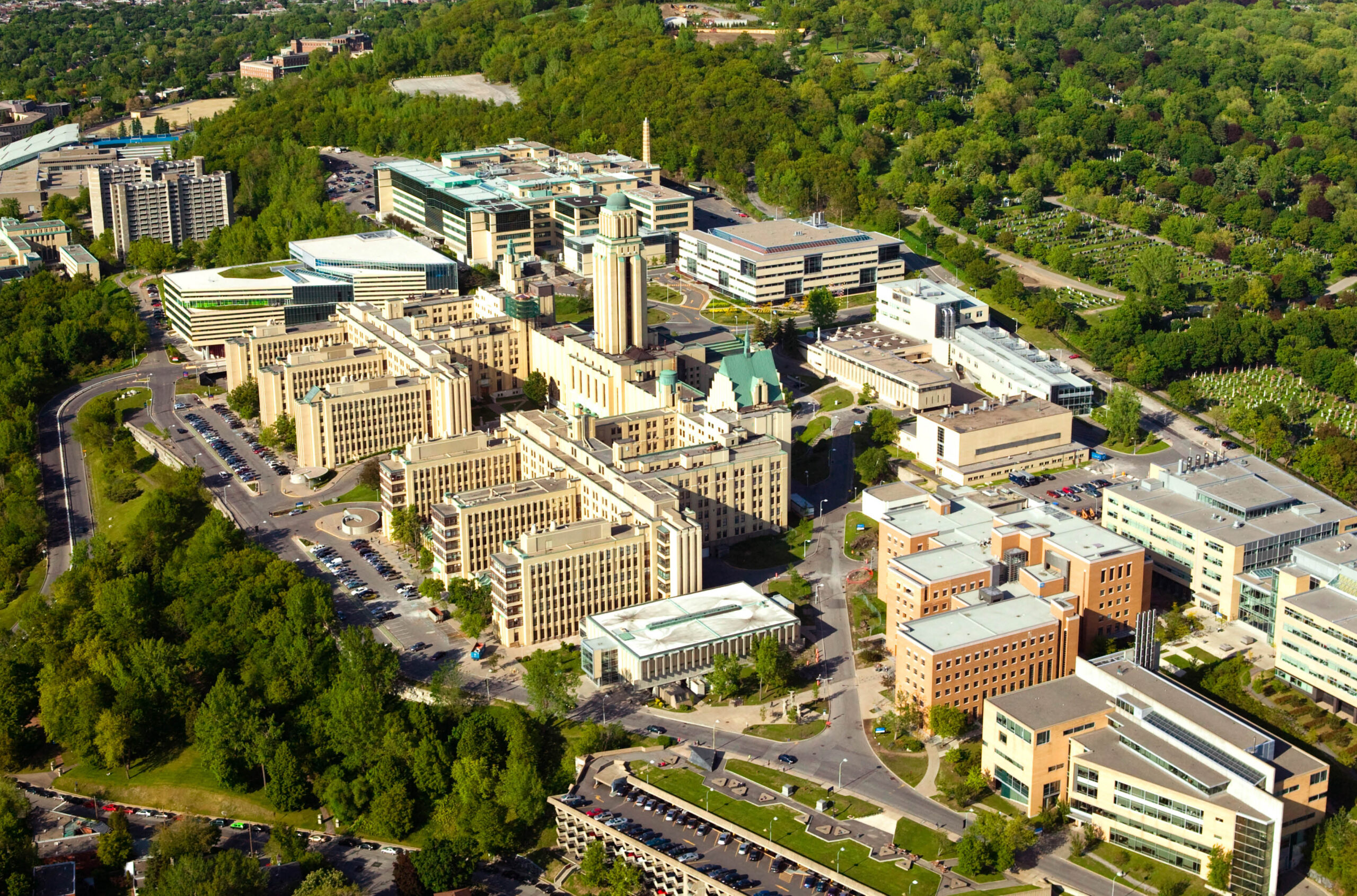
How the Université de Montréal raised more than $1 billion in donations
The university’s record-breaking philanthropical campaign mobilized major partners and thousands of individual donors.
-
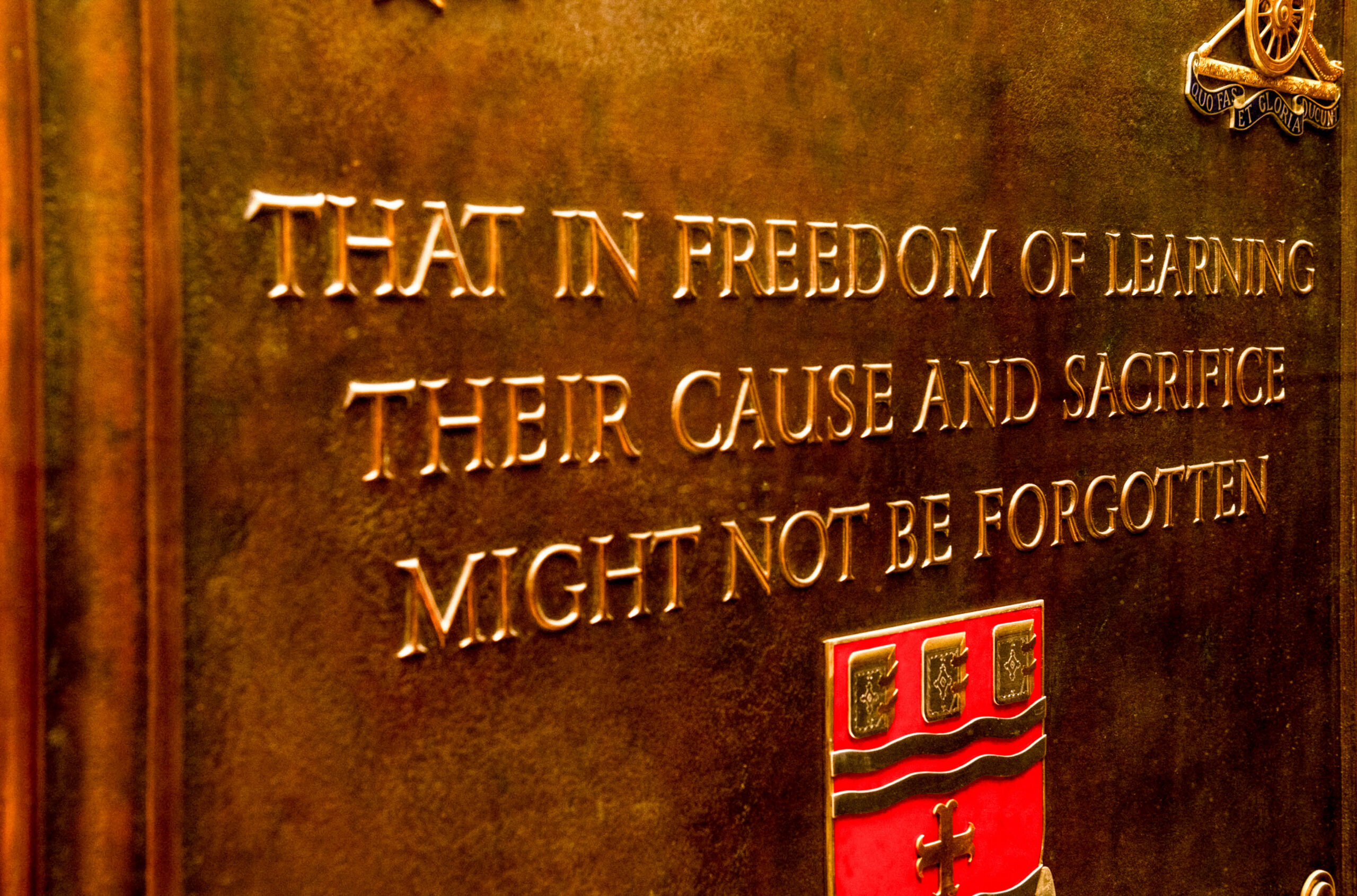
Universities honour veterans and highlight the importance of peace
From the shores of Newfoundland and Labrador to British Columbia, Canadian universities will pause to reflect on Remembrance Day.
-

From bright idea to commercial partnership
How a University of Guelph grad student’s interest in immunology led to healthier cattle herds.
-
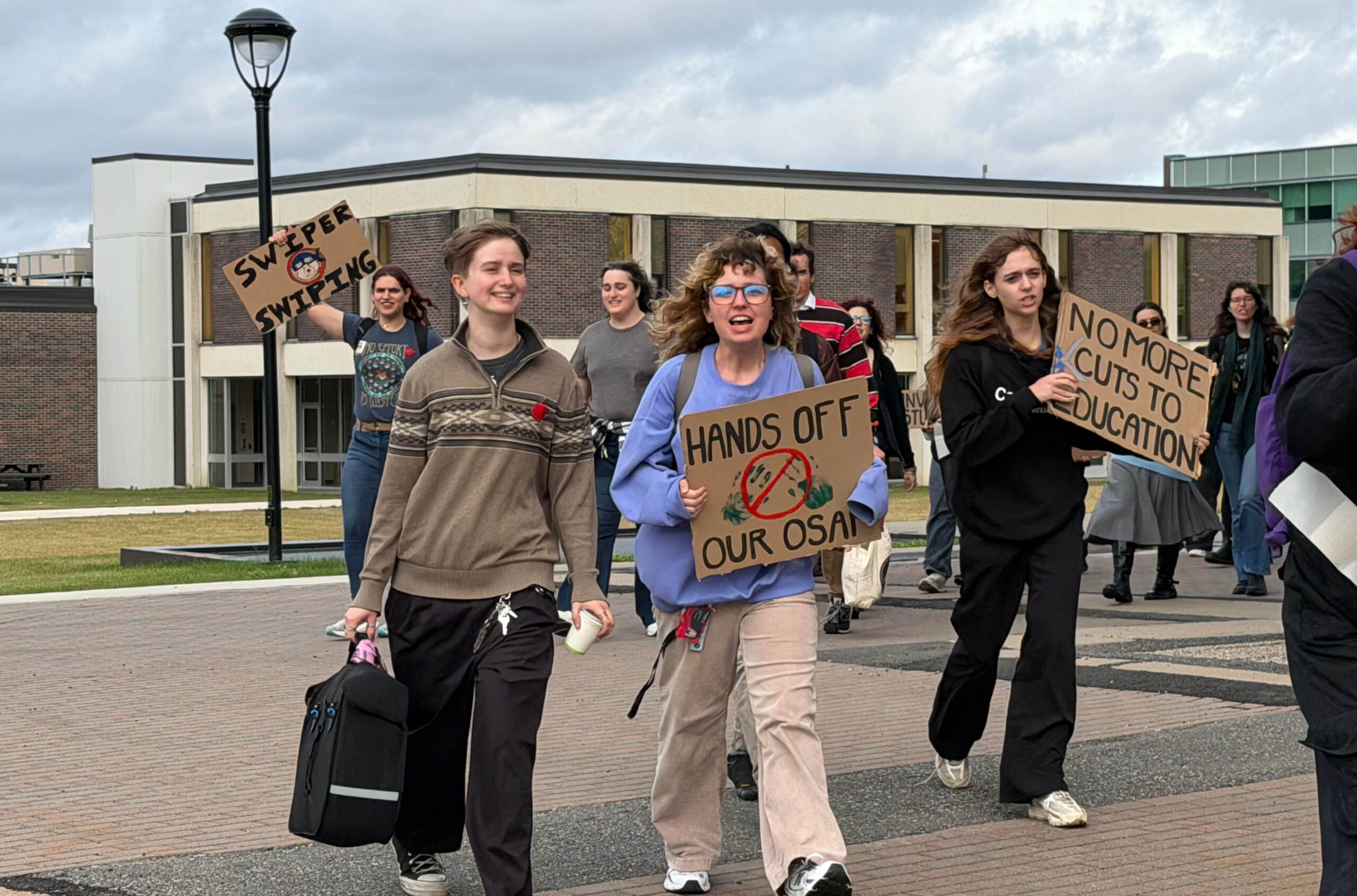
Ontario university students protest OSAP changes
Cuts to grants and rising cost of living put the squeeze on student finances.
More from Students
-

Thinking about Harvard?
The Frank Knox Fellowship could fund your graduate studies.
-

Students and seniors under the same roof
Intergenerational living helps with loneliness and the high cost of rent.
-

U Sports alum lace up for PWHL season
Canadian grads eager to show their mettle on women’s pro hockey teams.
-

The hidden problem of student homelessness
As high rents push more students into precarious housing, it's time to stop romanticizing the 'poor scholar'.
More from Articles
-

Budget 2026 provides small investment in post-secondary sector
Budget 2026 invests in defence innovation, emerging technologies and research commercialization.
-
Scholarships strengthen ties with Irish universities
Inaugural De Chastelain scholars foster peace and reconciliation through academic collaboration.
-

From veterinary research lab to patent powerhouse
How the University of Saskatchewan’s VIDO defied academic norms to succeed.
-

Computer science students uncertain of job prospects
AI is disrupting their career prospects, but most still have a positive view of the technology.


Post a comment
University Affairs moderates all comments according to the following guidelines. If approved, comments generally appear within one business day. We may republish particularly insightful remarks in our print edition or elsewhere.