Merveille Moungang Djifo: Advocate for a new generation of Black doctors
The recipient of the 2025 Black Physicians of Canada Leadership Award, Merveille Moungang Djifo is dedicated to improving equity in medicine.

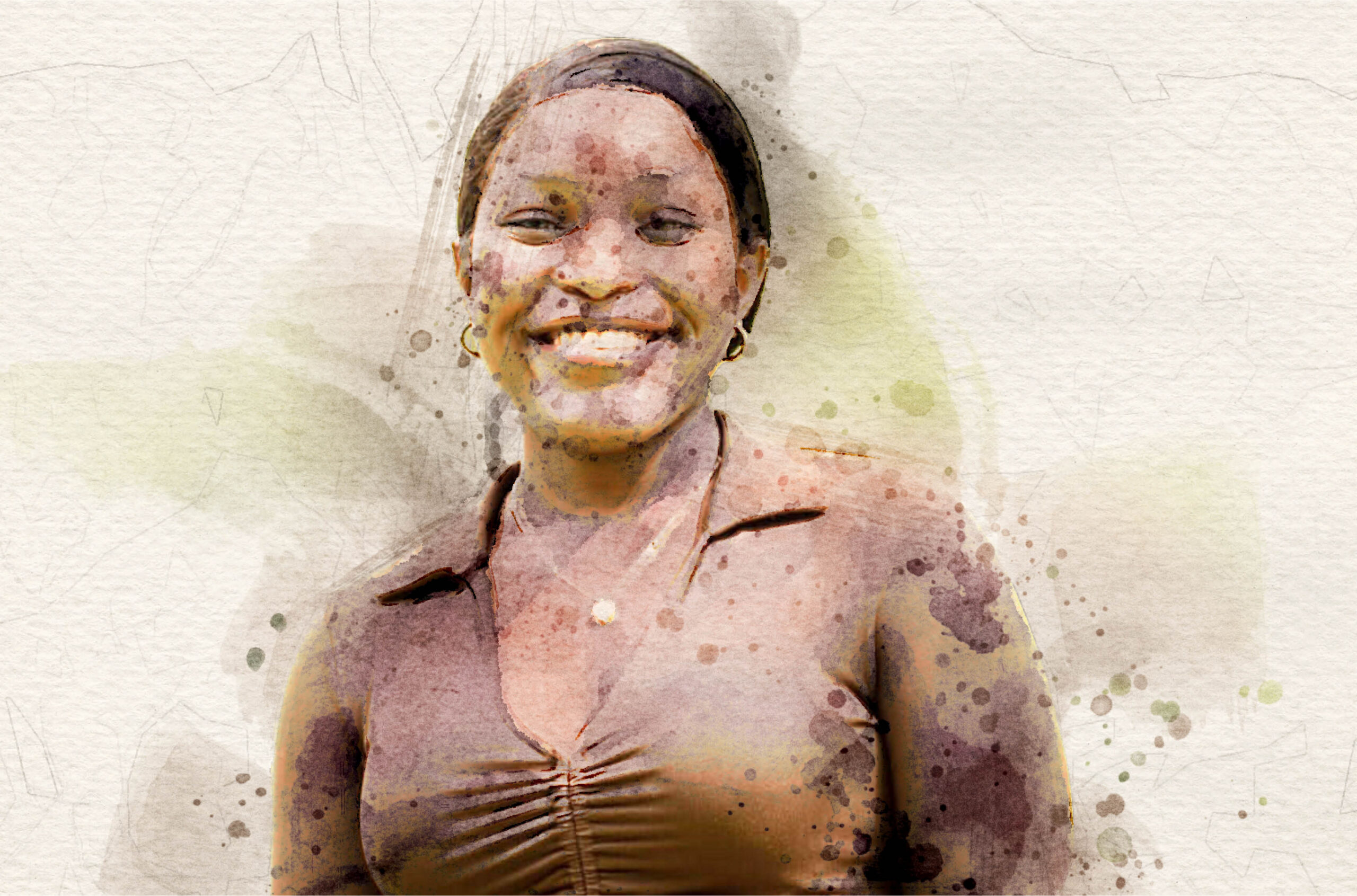
Six years ago, Merveille Moungang Djifo left her native Cameroon to pursue a bachelor’s degree in biochemistry at Concordia University. For the first time, she found herself part of a minority community — and became aware of the inequalities Black people face within the healthcare system.
When the COVID-19 pandemic broke out a few months after her arrival in Canada, she worked for 17 months as an orderly at Hôpital Notre-Dame in Montreal. “It was a defining experience that changed how I see suffering, illness, death and humanity,” said Ms. Moungang Djifo. “I held the hands of people who were about to die and prepared dead bodies. These experiences inevitably shape a person.”
She also noticed discrepancy within the hospital: many Black people worked in maintenance and support roles, but very few in health-care professions. “It completely changed how I view myself and my role I should play in society,” she said.
Determined to understand the situation, she fast-tracked her education, finishing her bachelor’s degree in three years rather than four. “I worked on the front lines as an orderly to understand the system, how decisions are made and why minorities and Black communities have less access,” she said. “I decided to seek out that knowledge through my studies.”
She then enrolled in a master’s of health services administration at Université de Montréal (UdeM), and began her medical degree at the same university just as her daughter started elementary school. Currently an extern, she is also a fierce advocate for better medical care and access to medical training for Black people.
Breaking through systemic barriers in academia
She is determined to understand and address the structural barriers that she’s seen on the ground. Chief among them is access to medical school, which continues to be strongly determined by socio-economic and cultural factors. “Surveys show that more than 80 percent of medical students come from high-income families,” she said. “It takes resources to believe that becoming a doctor is possible, to see oneself in that role.”
Apart from economic factors, Ms. Moungang Djifo says there are also biases in the selection process, such as interviews and situational judgment tests like the CASPer Test. In 2021, she became president of the Quebec Black Medical Association’s Youth Initiative with a view to addressing these barriers.
She and her team tour high schools and CEGEPs, notably in the neighbourhoods of Saint-Michel and Montréal-Nord, to demystify careers in health care, offer mentoring and prepare students to meet admission requirements. “I tell them that a small measure of belief in themselves goes a long way, and that they deserve to be there,” she said.
As a member of the social accountability office committee of UdeM’s faculty of medicine, she’s helped to develop a faculty action plan that includes a program to improve access to medical school for Black students, launched in 2021. The following year, the institution welcomed a record 19 Black students into its medical program, compared with only four or five in previous cohorts.
She is also committed to demystifying equity measures. “Many people, especially within marginalized communities, think that equity measures lower acceptance criteria, but that’s not true,” she said. “Students admitted through equity measures are just as competent.
When lack of diversity affects health outcomes
The scarcity of Black doctors has a direct impact on patient care. Ms. Moungang Djifo notes that clinical bias remains widespread, with doctors frequently underestimating pain and symptoms in patients of colour. As a result, medical care can be inadequate.
She believes that having more doctors from diverse backgrounds can create an upward cycle that improves quality of care and trust in the system.
She’s also organizing a province-wide awareness campaign with Héma-Québec (the provincial blood donation agency) to encourage stem cell donation and help diversify donor registries. Currently, Canadian Blood Services puts the odds of finding a compatible donor for a Black person at 3.5 percent.
Forty-seven new donors from diverse backgrounds were recruited through the campaign. In the words of Ms. Moungang Djifo, “Equal need should mean equal hope.”
Boundless in her energy, she is also a coordinator for the Côte-des-Neiges borough council, the Commonwealth Youth Council and Open Dreams, an organization facilitating improved access to education.
Passing patient-centred medicine forward
For her leadership and academic excellence, Ms. Moungang Djifo won the Black Physicians of Canada Senior Medical Student Leadership Award in October 2025. She accepts her accolades with humility. “I don’t do it for the recognition, though it’s certainly welcome. My goal is to solve problems, to fill gaps.”
In her view, this award imparts a responsibility. “It reminds me how privileged I am to be able to contribute to change. We all share a social responsibility in this struggle […]. We can’t fix every systemic problem, but making small efforts to challenge the status quo each day can lead to meaningful progress over time.”
More than anything, Ms. Moungang Djifo — who, in her rare downtime, also writes poetry — wants to blaze a trail. “It pushes me to think bigger and work even harder for my community,” she said. “I don’t just want to be the first. I want to go even further and make sure that others can follow in my footsteps.”


More from Features
-

The Nuisance Variable
Two-thirds of Alzheimer’s patients in Canada are women. Why does research still treat them as an afterthought?
-
Quebec universities: 60 years of change
From the Quiet Revolution to the present day, universities have profoundly transformed Quebec society. As a provincial election rapidly approaches, we reflect on their changing mission over six decades of often tense history.
-

A bridge to human rights
IDRA scholarship winner Karen Spring studies Central American communities seeking redress for harms caused by major development projects.
-
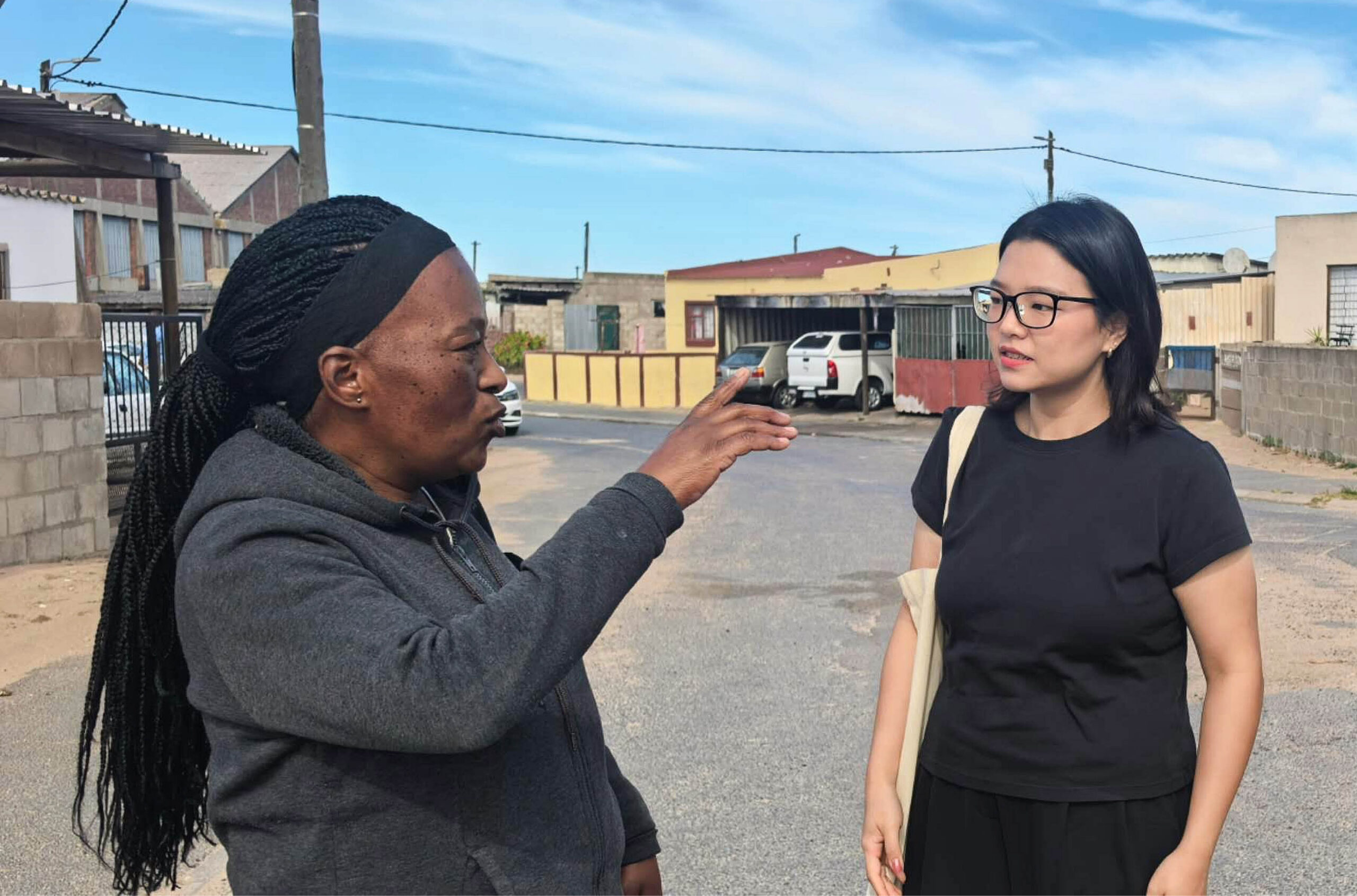
Heat waves and brain waves
IDRA scholarship winner Tianqi Zhao studies climate change and mental health in South Africa.
More from EDI
-

Committee’s EDI recommendations are based on flawed logic
Excellence must be sufficiently rigorous and inclusive to identify talent wherever it exists.
-

Remove EDI from research funding decisions, parliamentary committee says
The Standing Committee on Science and Research says ‘discriminatory’ EDI policies are ‘weakening the quality of Canadian research’.
-

EDI in admissions and hiring: the case against
Yves Gingras argues that ‘equity, diversity and inclusion’ bureaucrats are practicing the art of intellectual confusion.
-

EDI in admissions and hiring: the case in favour
Malinda S. Smith argues that equity strengthens excellence in university hiring and admissions.
More from Feature articles
-

Take me to the river
IDRA scholarship winner Peter Duker studies community fishing practices in Thailand.
-

Two solitudes: Quebec Universities in WWII
Historical researcher explores English-French divide over Second World War.
-

Northern Shift
The alarming rise of far-right movements in Canada.
-
How social movements shape Canadian universities
A history of clashes, challenges, and lessons learned.


Post a comment
University Affairs moderates all comments according to the following guidelines. If approved, comments generally appear within one business day. We may republish particularly insightful remarks in our print edition or elsewhere.