Why your memories matter
Faculty reminiscences tell the unique story of a university’s history, culture and values. They should not be lost.

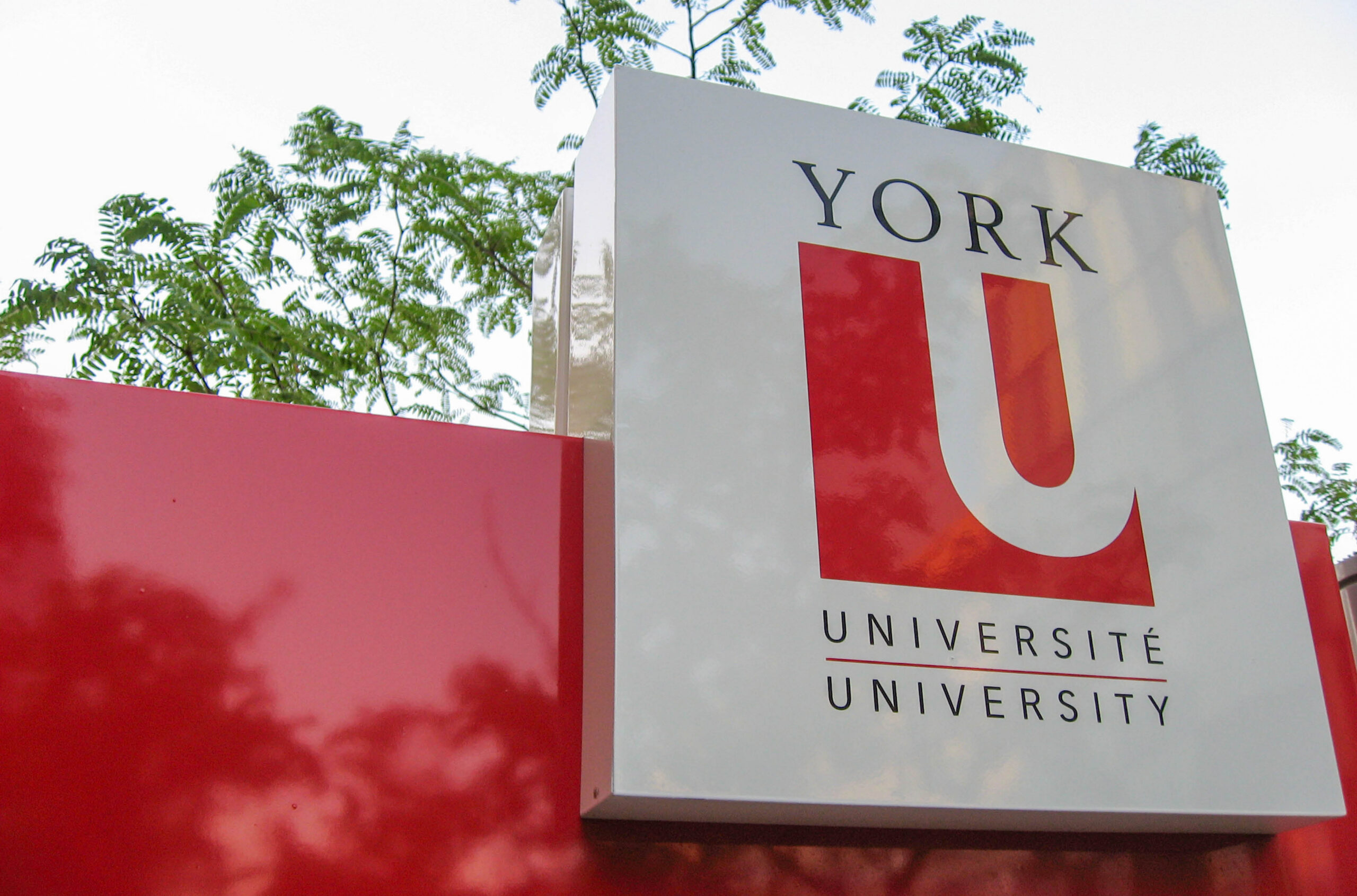
Universities are complex, multifaceted institutions that reflect not only the hopes and visions of their founders, but also their evolution as subsequent generations develop new academic programs and research centres. In the great expansions of the sector in the 1950s and 1960s, and again in the early 2000s, many existing institutions were transformed into universities, while others were founded. Their stories should not be lost.
Taking advantage of the permanent sabbatical, as my former Dean calls retirement, we can turn our attention the story of our institutions and how they shaped our own careers. We can consult the formal histories of our universities, as well as memoirs by influential colleagues that add colour and life to the more official accounts. Books such as Michiel Horn’s York University: The Way Must Be Tried and John T. Saywell’s Someone to Teach Them: York and the Great University Explosion have added to my sense of belonging at York, a university with which I have been affiliated since 1971. I have also enjoyed brief histories of several programs with which I had a personal connection.
Founded in 1959, York was among the first of the new generation of universities. In 2009, York’s retiree associations collaborated with the university’s archives to compile a series entitled “Reflections, Recollections & Reminiscences” for deposit in the archives. These nine items constitute an important contribution to the university’s collective memory. In 2026, as part of the celebration of its 40th anniversary, the York University Retirees Association (YURA) issued a similar invitation and has collected reminiscences from retired faculty and staff.
The reminiscences, which can be accessed through links in recent YURA Newsletters on the association’s website (https://www.yorku.ca/yura/), range from a few hundred to a few thousand words. Some are accounts of career paths, recounting how obstacles were overcome and where inspiration was found. Others provide the backstories of how academic programs were developed, important research centres were built, and how York’s unique culture of collegiality, mutual support, social conscience and dedication to student success was created.
The stories told by John Lennox paint an engaging picture of York’s early years. John, whom we call a “York lifer,” was a student in one of the university’s early classes in 1963, returned after PhD studies to teach in the English department, and later served as dean of graduate studies. He traces York’s strong sense of community to its early years when the founding faculty and senior administrators volunteered in various service roles, such as advising and coaching.
In his thoughtful article “(When) Did I Sell Out? My Journey from Activist to Administrator to Retiree,” in the important book Portraits of Academic Life in Higher Education: From Hiring to Retiring, Paul Axelrod, also a “York lifer” describes how the university adapted to student demands in the turbulent 1970s for a greater role in campus life and university governance. These adjustments could be seen as reflecting the student-centered approach that marked York from its inception.
The late Sandra Pyke, a psychology professor who also served as dean of graduate studies, provided a vivid accounting of the founding of the graduate program in women’s studies. The story of the creation of Canada’s first such graduate program traces the contributions of many of the university’s outstanding pioneer women and the decade-long struggle to obtain the necessary approvals and resources. The program admitted its first students in 1991.
These reminiscences are an invaluable resource for those seeking to understand the core values of the institution they are part of. Historians will find stories — like the account of the fight to get the Toronto subway extended to York, which greatly improved access to its suburban location — that give life to their work. York has surmounted many crises, some of which are touched upon in the reminiscences. Personally, I found them fascinating, amusing and revealing.
My experience of several other Canadian universities, whether their histories are long or short, tells me that all of their stories should be preserved. The backstories of crises past help us understand how a strong sense of community can help institutions overcome the inevitable challenges of institutional and environmental changes. Whether you are a retiree or an active professor or staff member, consider writing your reminiscences and filing them with the university archives. I hope that every retiree association will undertake to encourage and make accessible the personal histories that may soon be lost.
Fred Fletcher, PhD is University Professor Emeritus and Senior Scholar in Communication Studies and Political Science at York University in Toronto. He is also the newsletter editor for the Association of Retired Faculty and Librarians, York University, and a member of CURAC’s Later Life Learning (LLL) Committee.



Featured Jobs
- Education - Assistant Professor, TermAmbrose University
- Biochemistry, Microbiology, and Bioinformatic - Faculty Position (Microbial Systems Bioinformatics)Université Laval
- Impact+ Canada Emerging Leaders in Computational Design and Engineering of Proteins (Faculty Positions)Université Laval
More from Career Advice
-

The thankless work of academic service
Often overshadowed by teaching and research, service work is foundational to academic life. How can you gain recognition for service work and keep your career progression on track?
-

How to make teaching experience shine in your tenure dossier
Turn raw scores and student comments into a narrative that proves your pedagogic proficiency.
-

When the accommodation stops at the campus gate
When students with disabilities enter mandatory work placements, the accommodations they depend on can disappear when the stakes are highest.
-

How to develop a teaching-focused career at Canadian post-secondary institutions
Diverse paths, shared wisdom.
More from Retirement
-
Finding my family in retirement
Academic research experience comes in handy when tracking down ancestral geneaology.
-

From scholar to loller
The joys of retiring early.
-
Mandatory retirement: the case against
Joe Norris argues that forcing academics to retire is a form of systemic violence.
-
Mandatory retirement: the case in favour
Jamie Paris argues that guaranteed employment for life skews the age balance of the professorate while enabling the exploitation of early- and mid-career scholars.
More from Academic for life
-

Life lessons from the World Happiness Report
Happiness is a gift for elders to pass on to the younger generation.
-

Staying active — and activist — in retirement
People often ask me: why are you still doing all those professional things? Haven’t you “retired”? The underlying and well-meaning message is: why aren’t you relaxing more, travelling to faraway places, and binge-watching your favourite television shows? I...
-

End your job, keep your friends
Retiree associations help you stay engaged and connected during the next chapter of life.
-

Share your expertise and write what you know
Writing a book in retirement can be a source of immense satisfaction.
Post a comment
University Affairs moderates all comments according to the following guidelines. If approved, comments generally appear within one business day. We may republish particularly insightful remarks in our print edition or elsewhere.