How a discovery of synthetic bone tissue led to a successful biotech business
A serendipitous discovery at Queen’s University led to a cluster of new biomedical technologies.

In 2002, the publication Follow the Leaders profiled 21 of Canada’s most promising biotechnology initiatives. In this series, we catch up with some of the surviving university-spawned enterprises to find out how they turned scientific discoveries into tangible new technologies.
As promising scientific discoveries go, it was iconic. In the early 1990s, an unexpected outcome in a Queen’s University physics lab yielded a remarkable new material. Although entirely synthetic, it behaved similarly to natural bone — even to the point of being accepted without rejection when inserted into the body as a replacement for missing or damaged tissue.
Within a few years, the university researchers had joined forces with local entrepreneurs to create Kingston, Ont.-based Millenium Biologix, dedicated to exploring the commercial prospects of this substance, dubbed Skelite. As this team weighed the potential of this product, they turned up related products, forming a complete suite for tissue engineering. The ultimate goal was to provide the basis for grafts and implants that would repair diseased or injured joints by taking advantage of the body’s own ability to restore material such as bone.
When Industry Canada profiled Millenium Biologix in 2002, the company estimated its global market for tissue engineering to be worth upward of US$6 billion. The company’s offerings should have been well positioned to enter that market. Yet by 2007 it was in negotiations to sell the intellectual property associated with Skelite to the Canadian subsidiary of the US-based biotech firm Medtronic. Within a few years, Millenium Biologix had all but disappeared from the business landscape.
At first glance, it looked like yet another instance of a Canadian abandoning intellectual property that might have led to even more discoveries and biomedical products. However, this move represented a much more strategic manoeuver, one intended to ensure the innovation that began at Queen’s would ultimately achieve commercial success.
“What we did with that technology is take it in a completely different direction,” says Timothy Smith , former President and Chief Operating Officer of Millenium Biologix. Just as that company was divvying up its IP in 2007, he was launching the new firm rising from the ashes of Millenium — Octane Medical Group, where he is currently the CEO.

A win-win deal
Far from abandoning the potential of Skelite, the IP deal with Medtronic qualified as a distinct win-win. Medtronic obtained the right to use Skelite for applications it wanted to sell, specifically as bone graft material for use in orthopaedic surgery. Mr. Smith had previously concluded the market for this kind of product was already too mature and competitive for Millenium Biologix to enter. Meanwhile, Octane — still based in Kingston — retained the rights to use Skelite IP for other applications, which Smith and his team regarded as more promising.
“What we built in Millenium was a cluster of different technologies, not just Skelite,” he explains. More specifically, the company opened up the biomaterial manufacturing frontier now occupied by Octane, which has introduced further innovations in bioprocessing, most prominently in the design of the novel bioreactors it markets. Such hardware can take a small sample of living cells and reproduce them in large numbers, a step that is essential to delivering what has become known as “personalized medicine” — a medical approach that employs an individual’s own bodily defences to treat a wide range of health problems.
Our immune system’s cells can fight off disease, but in the case of serious ailments, such as leukemia, they eventually fail because they are overwhelmed by rapidly spreading cancer cells. Octane’s automated bioreactor system, called Cocoon, can take some of these immune system cells, modify them so they can identify the specific cancer cells they should attack, then reproduce them in quantities large enough to get the job done. Nor are there risks of complications or side effects, since the patient’s body will simply recognize these immune cells as its own.
Giving the immune system reinforcements
Immune cells can fight disease, but with serious cancers such as leukemia, rapidly multiplying cancer cells can eventually overwhelm them. Octane Medical’s Cocoon system modifies and multiplies some of the patient’s own immune cells to create a larger, targeted response.
The immune system fights back
Immune cells attack disease, but rapidly spreading cancer cells can eventually overwhelm them.
Immune cells are collected
Some of the patient’s own immune cells are removed for processing.
Cocoon modifies them
The automated bioreactor modifies the cells so they can recognize the specific cancer cells they are meant to attack.
The modified cells multiply
Cocoon reproduces them in quantities large enough to mount a much stronger response.
They return ready to attack
The larger population can now identify and attack the specific cancer cells it was designed to target.
Because the therapy begins with the patient’s own immune cells, the body recognizes those cells as its own.
Escaping the ‘valley of death’
The technology underlying Cocoon was one of several product development areas the founders of Millenium Biologix had envisioned, but never realized. Members of the firm had been trying to move forward with a number of distinctly different innovations, from producing novel molecules to the kind of accelerated cell reproduction that would be the basis for Cocoon. Each product pathway was promising, but they were competing with one another for funding, scientific talent, and the attention of prospective business partners.
In addition, Millenium Biologix was dogged by the challenge facing any research-intensive firm — the infamous “valley of death,” in this case where a great deal of money had to be spent meeting the stringent testing requirements Health Canada imposes on new medical technology, before that technology can begin making any money for its inventors or investors. All too often, this financially perilous stage is unsuccessful, leading to bankruptcy, forced sales to market rivals, and the loss of hard-earned proprietary products.
READ MORE: From bright idea to commercial partnership – University Affairs
Facing this threat, Millenium Biologix effectively dodged it by selling part of its IP to fund continuing R&D activities, then establishing Octane Medical Group as three distinct companies focusing on the three most promising lines of business. Cocoon, which has won international technical design awards, is an outstanding example of what is possible when the valley of death is finally crossed.
“We now offer the best automated cell manufacturing platform in the world,” Mr. Smith flatly states. Similarly, Skelite finally found its own form of success within Octane, not as a direct bone replacement, but instead as the foundation of a biocomposite that can be implanted in the body to enable bone to regrow on its own, or to integrate with a joint implant.
Risk and persist
Back at Queen’s, Skelite’s ongoing story provides a tangible lesson in what academic researchers must consider when they make a discovery with commercial implications. Jason Hendry, who works in the university’s Partnerships and Innovation office, was himself an employee at Millenium Biologix in the early 2000s. He had a front-row seat for the way R&D unfolded, on campus and in the company.
“They started to diverge,” he recalls, pointing to the academic interest in understanding the physical nature of Skelite, as opposed to the commercial interest in identifying specific properties valuable for manufacturing and medical use. “The ‘R’ became less relevant to the ‘D’.”
As a technology transfer officer, he has seen various technologies become “stuck” in just this way, as the product that initially seemed viable in a university setting turns out to have little appeal in any commercial context.
“It’s like you’re solving a problem nobody cares about,” he concludes, arguing that the first priority should be confirming the existence of a market for the anticipated product, rather than focusing exclusively on locking down intellectual property. “If you think your research is going to be commercialized, go and understand what the market is looking for.”
READ MORE: From veterinary research lab to patent powerhouse – University Affairs
According to Mr. Smith, Octane Medical Group was set up to do just that. Its plain headquarters at an exit onto Highway 401 is now home to 10 distinct enterprises, including a skunkworks (a highly creative experimental lab) exploring fundamental topics such as how bioelectric fields within the body could be harnessed for therapeutic purposes. While such initiatives regularly attract local talent from Queen’s, St. Lawrence College, and the Royal Military College of Canada, Octane has shunned the prospect of turning to venture capital investors to fund R&D.
“It’s quite rare that a company like ours would be doing all these different activities and not be venture-backed,” he notes.
By using its own sales to support cutting-edge research activities, Octane avoids the valley of death conundrum, even if the path to new products takes a bit longer than it would with the injection of outside funding. Over the long run, however, it gives a CEO like Mr. Smith the assurance that goals can be carefully defined and met, above all keeping control over innovation in Canadian hands.
For example, although Octane shared the rights to its Cocoon technology with a Swiss-based partner in 2018, those rights were subsequently re-acquired in 2026. For him, these kinds of back-and-forth acquisitions represent an integral part of innovation — the dynamic process that has carried the potential of Skelite across decades and into global use.
“We challenge ourselves to be recognized by the people who need our specialized resources,” he observes. “Companies that persist are the ones continually innovating and taking risks.”
For more stories about Canadian biotech success stories, read the entire Discovery Inc. Series.


More from News
-

Quebec student protesters call for general strike in 2027
Montreal rally caps week of province-wide demonstrations against tuition fees, income precarity.
-
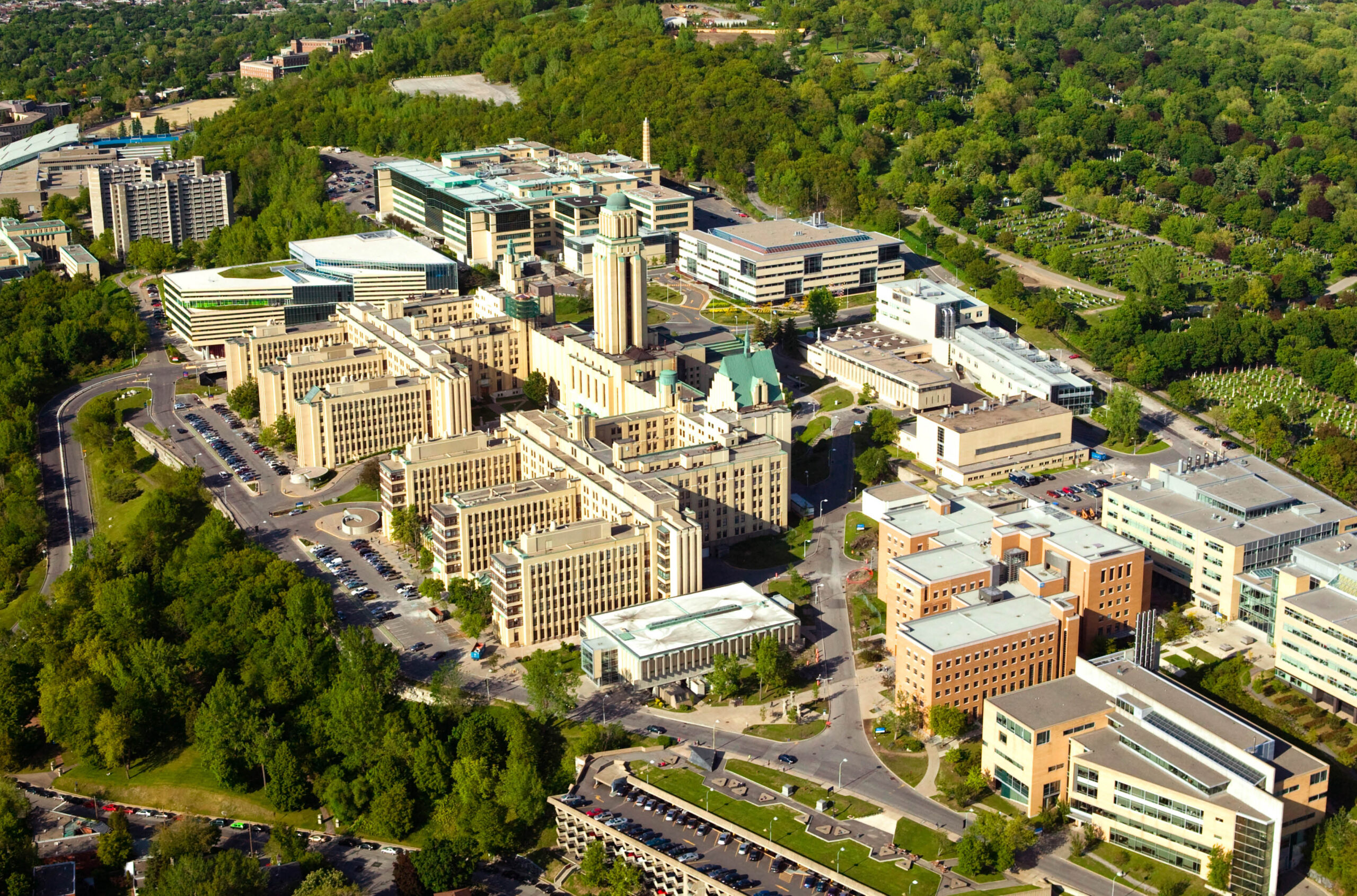
How the Université de Montréal raised more than $1 billion in donations
The university’s record-breaking philanthropical campaign mobilized major partners and thousands of individual donors.
-

Universities honour veterans and highlight the importance of peace
From the shores of Newfoundland and Labrador to British Columbia, Canadian universities will pause to reflect on Remembrance Day.
-
From bright idea to commercial partnership
How a University of Guelph grad student’s interest in immunology led to healthier cattle herds.
More from Discovery Inc.
-
From veterinary research lab to patent powerhouse
How the University of Saskatchewan’s VIDO defied academic norms to succeed.
-
Lessons from a quarter-century of innovation
Our four-part series spotlights scientists who overcame obstacles to successfully commercialize their biotech breakthroughs.
More from Articles
-

Ontario university students protest OSAP changes
Cuts to grants and rising cost of living put the squeeze on student finances.
-

Budget 2026 provides small investment in post-secondary sector
Budget 2026 invests in defence innovation, emerging technologies and research commercialization.
-
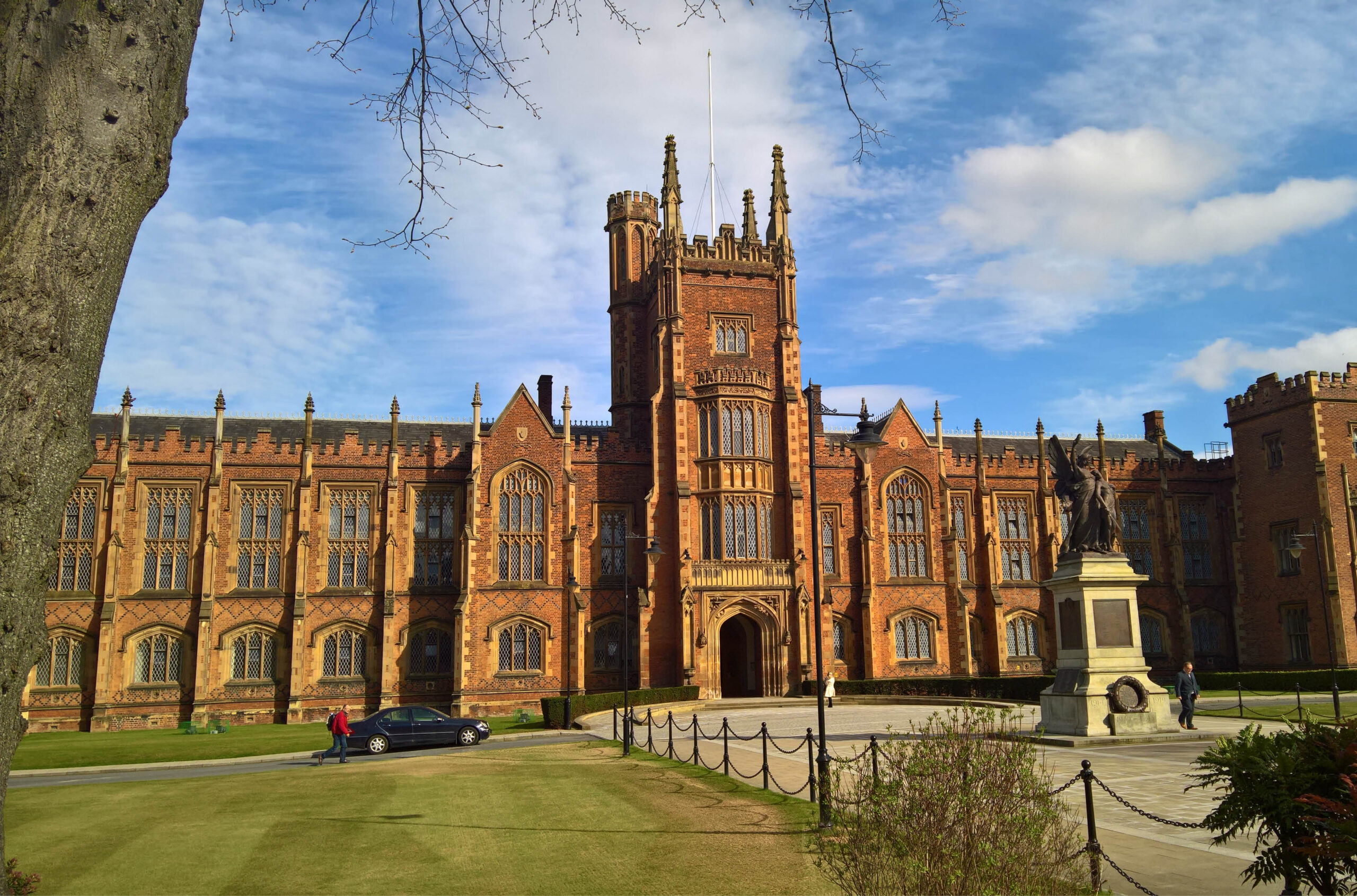
Scholarships strengthen ties with Irish universities
Inaugural De Chastelain scholars foster peace and reconciliation through academic collaboration.
-

Computer science students uncertain of job prospects
AI is disrupting their career prospects, but most still have a positive view of the technology.


Post a comment
University Affairs moderates all comments according to the following guidelines. If approved, comments generally appear within one business day. We may republish particularly insightful remarks in our print edition or elsewhere.