Quebec universities: 60 years of change
From the Quiet Revolution to the present day, universities have profoundly transformed Quebec society. As a provincial election rapidly approaches, we reflect on their changing mission over six decades of often tense history.

Note: This feature article was written before the Oct. 5 provincial election was called.
Quebec’s institutes of higher education find themselves at the heart of debates that extend far beyond the bounds of campus. The provincial government’s restrictions on international students have reignited tensions with universities, especially Montreal’s anglophone institutions. Concerns over funding take up a growing place in public discourse, as many universities face major deficits. Debates about academic freedom and the role universities play in integrating newcomers regularly make headlines.
Although these may seem like separate issues, they converge upon a single question: what is the mission entrusted to universities by Quebec society?
The question is not a new one. Since the Quiet Revolution, universities have occupied a unique place in Quebec’s collective imagination. They have been tools of modernization, drivers of educational democratization, hotbeds of political engagement, catalysts of economic development and symbols of francophone national affirmation.
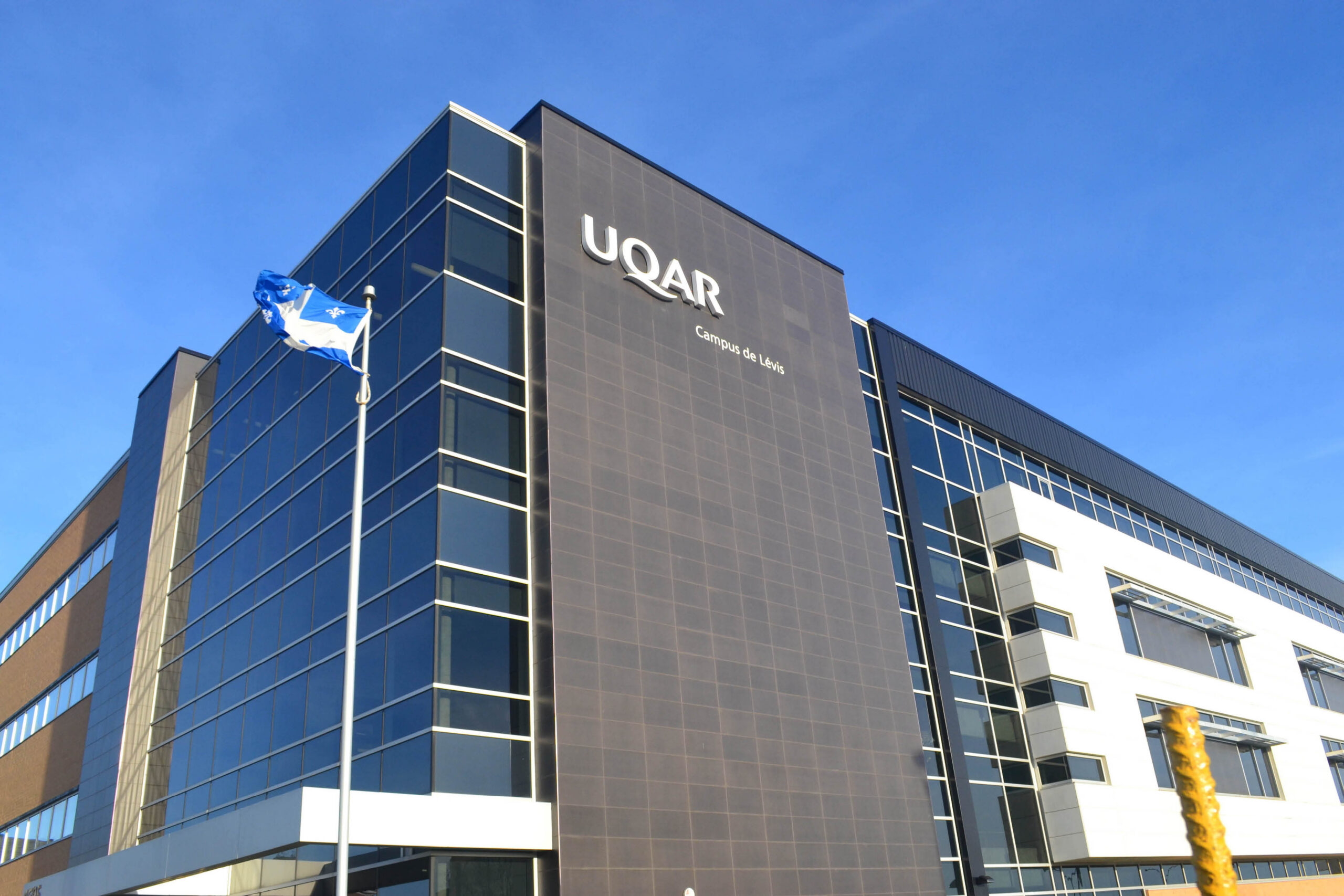
In Quebec, universities expanded in parallel with the modern state. The Université du Québec network was created in the 1960s specifically to make higher education accessible to people who had historically been excluded. In just a few decades, the university went from being an institution reserved for the select few, to a pillar of the province’s social, cultural and economic development.
Now, 60 years after the Quiet Revolution’s sweeping reforms, Quebec universities seem to be entering a new phase of their history. Have they kept the promises of accessibility and democratization? Have they reached the limit of the development model that drove academic expansion since the 1960s? Between economic imperatives, demographic issues, identity-based tensions and democratic aspirations, universities stand at the intersection of some of the most pressing debates in Quebec society.
With the next provincial election approaching fast, and as Quebec grapples with its future in demographic, economic and cultural realms, universities increasingly serve as a mirror for the changes unfolding across the province. To understand the tensions universities are under, we have to look back to a time before today’s debates over international students and academic freedom; we must explore the origins of Quebec’s master plan for universities and ask ourselves what remains of it today.
Quebec’s master plan for universities
Quebec’s collective narrative often dates the beginning of the modern university era to the 1960s Quiet Revolution. The creation of the Ministry of Education in 1964, along with the recommendations from the Royal Commission of Inquiry on Education in the Province of Quebec (better known as the Parent Commission, published between 1963 and 1966), were the salient points of this period of rapid transformation. The report notably recommended creating a ministry of education, enacting widespread reform of the education system and improving access to higher education at a time when education was still largely controlled by religious authorities. Today, however, scholars tend to take a more nuanced view. “The biggest myth is that the modernization of higher education is due entirely to the Quiet Revolution,” said sociologist Louis Maheu, professor emeritus of Université de Montréal (UdeM). In his view, many of the changes defining the modern university were already underway when the reforms of the 1960s were implemented.
Yves Gingras, a historian of science at Université du Québec à Montréal (UQAM), agrees, while taking an even longer historical perspective: “Contrary to the popular narrative, modern Quebec did not begin with the Quiet Revolution.” He believes the origins of the modern university go back to at least the 1920s, citing the work of figures such as Marie-Victorin, Jacques Rousseau and Pierre Dansereau, who built the foundation of scientific research in Quebec well before the province implemented its broad reforms. He also notes the importance of the prix David, which provided funding for young Quebecers to study in Europe, returning to enrich the intellectual, scientific and cultural fabric of Quebec society. To cite a quote by Jacques Rousseau: “In 1930, we sowed; in 1960, we reaped.”
Dr. Maheu believes the transformation of higher education was largely driven by the social changes that swept Quebec society after the Second World War. Between the mid-1950s and the mid-1960s, institutions welcomed a growing number of middle-class students from diverse backgrounds who would not have been found at classical colleges. Faculties of engineering, business, education and social sciences faculties took on greater importance, and research emerged as an essential aspect of the academic mission. “In certain respects, the growth of the middle class led to the Quiet Revolution,” he said.
That’s not to say the reforms of the 1960s played a secondary role; quite the contrary.
For political scientist Daniel Béland, director of the McGill Institute for the Study of Canada, universities played an “absolutely central” role in building a modern Quebec. “One of the major goals of the Quiet Revolution was to close the access gap for francophones in higher education,” he said. At the time, francophones were underrepresented at the post-secondary level and were generally lower on the socioeconomic scale than anglophones.
The creation of the Ministry of Education in 1964 was a decisive step toward closing that gap. The Université du Québec network was created a few years later in order to open more institutions across the province and make higher education accessible for a much broader population. “Developing the francophone university network was certainly part of a political project to modernize Quebec society and, to a certain degree, part of a nationalist project,” said Dr. Béland.
The scope of these transformations extended far beyond individual institutions. Universities became tools for social mobility, drivers of regional development and training grounds for a new francophone professional elite. They contributed to the modernization of public administration, healthcare, business and scientific research.
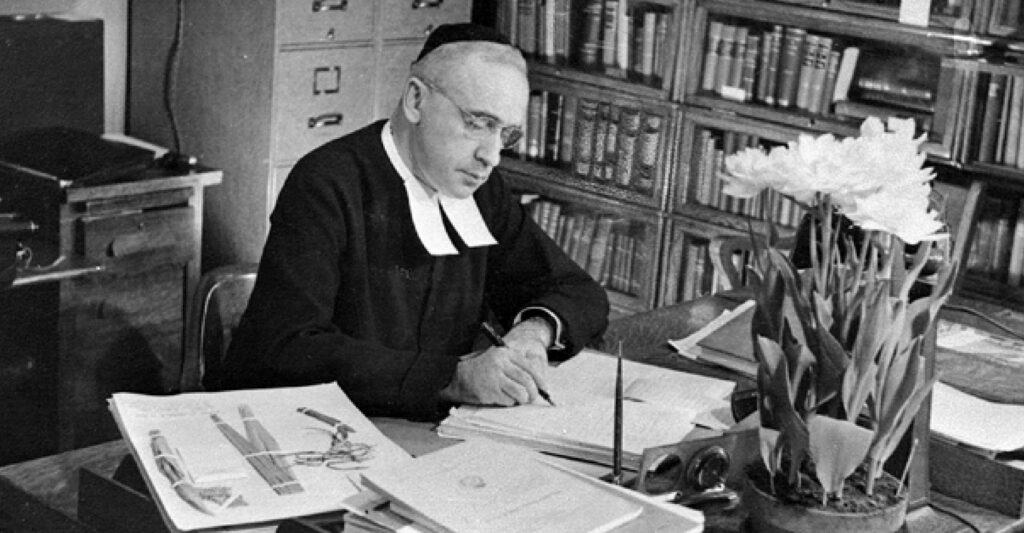
Pascale Dufour, a professor of political science at UdeM, notes that the democratization of higher education profoundly changed the relationship Quebecers had with universities.
Before the Université du Québec network was created, academic institutions were largely frequented by a privileged minority. Expanding access to higher education changed the status quo. “Everything to do with universities was also a matter of access to education, public sentiment and Quebec’s national question more broadly,” she said. A university education gradually stopped being reserved for the upper echelon and became a collective priority.
“Since the 1960s, Quebec has seen a tremendous uptick in university attendance and the population’s education level,” said Dr. Béland. “Developing the university network was one of the major successes of the Quiet Revolution.”
An evolving mission
Democratization was only the beginning of the transformation. In just a few decades, universities were built across the province, student enrolment soared and access to higher education vastly expanded. As these institutions welcomed a growing number of students, society’s expectations of universities also evolved.
Universities were called upon to do more than simply transmit knowledge, explains Dr. Maheu. They also became places that produced knowledge and trained the highly qualified workforce which the modern economy increasingly needed. This evolution coincided with major changes in Quebec society, including the growth of the middle class and the public sector, as well as the professionalization of numerous careers.
This trend accelerated beginning in the 1980s. Governments placed greater importance on the role universities play in Quebec’s economic, technological and scientific development.
For Dr. Gingras, this shift was evident even in the language used by policymakers. “Between the 1960s and the early 1980s, the conversation mainly focused on science policy,” he said. “But with the technological turn in the 1980s, the conversation shifted to technological policy. Then, in the 1990s, people started talking about ‘innovation’.”
He believes this shift served to justify investing public funds into university research. Governments placed a greater emphasis on economic returns, sometimes at the risk of reducing research to its immediate utility.
These changes weren’t unique to Quebec. Like elsewhere in the West, universities increasingly began to feature in economic development strategies; industry partnerships proliferated; applied research is gained ground; and institutions were called upon to help their city or region stay competitive.
This broadening scope shifted institutions’ role in Quebec society. No longer seen solely as tools for democratization and social mobility, universities became drivers of economic development and innovation, capable of attracting talent and investment to their locales.
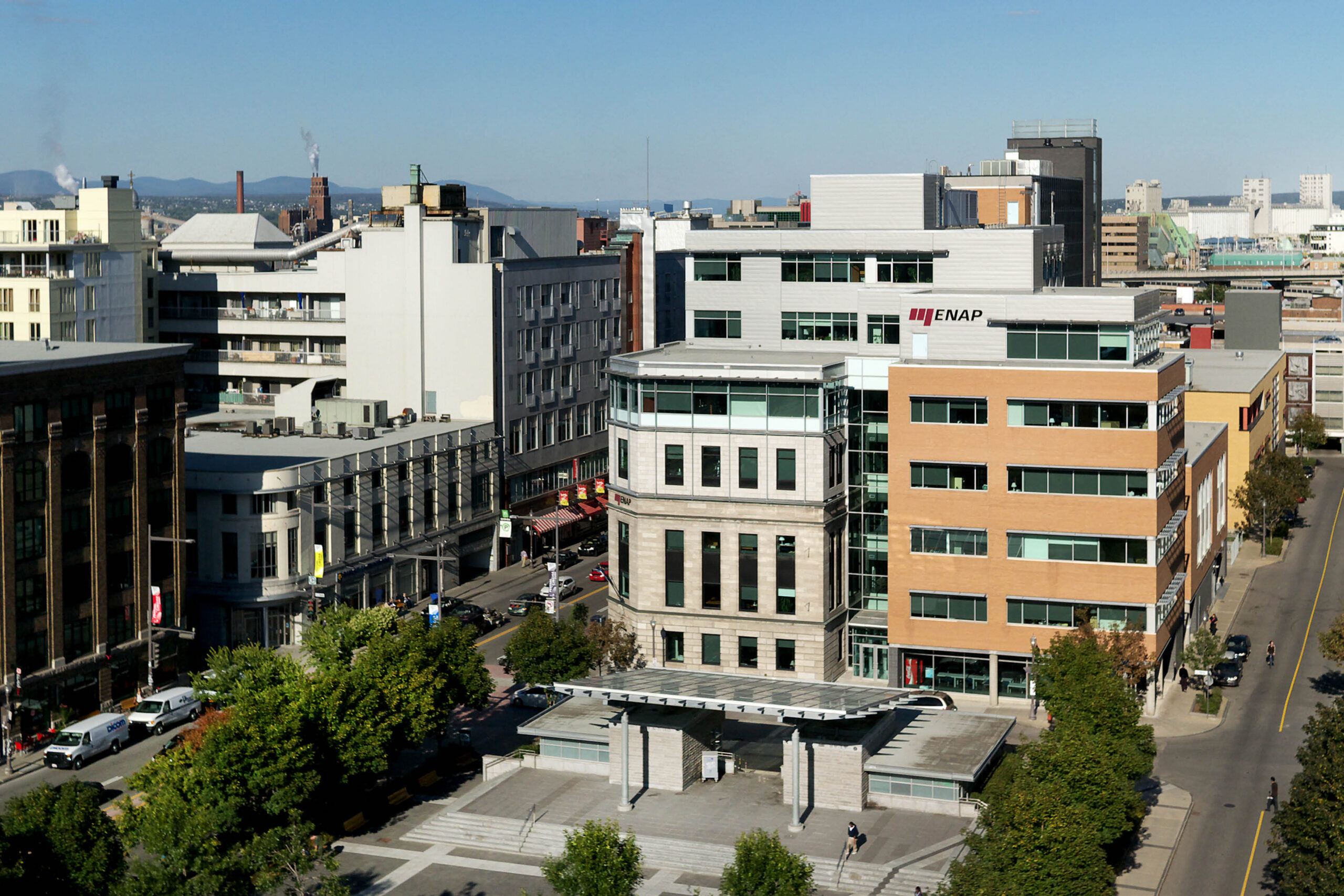
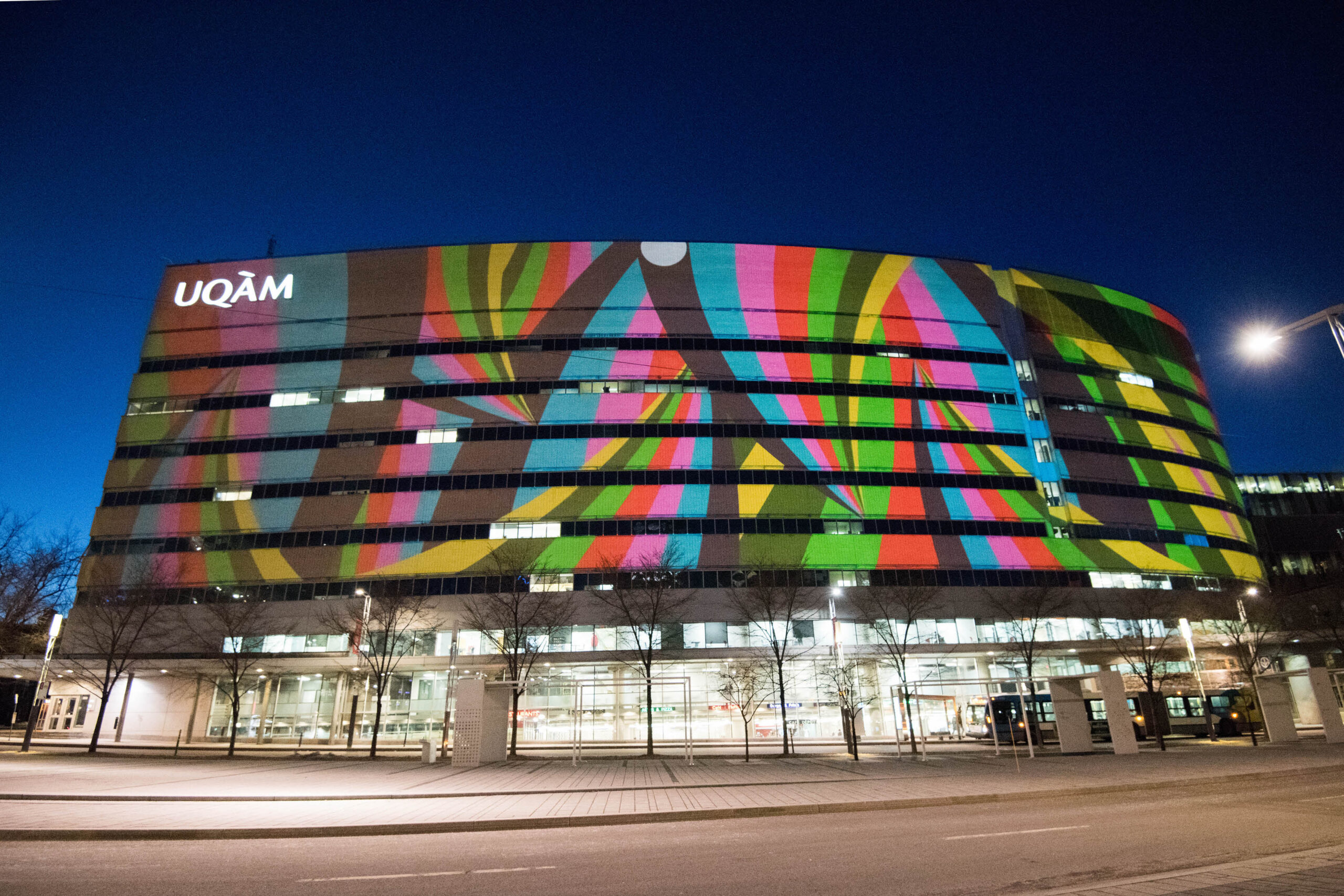
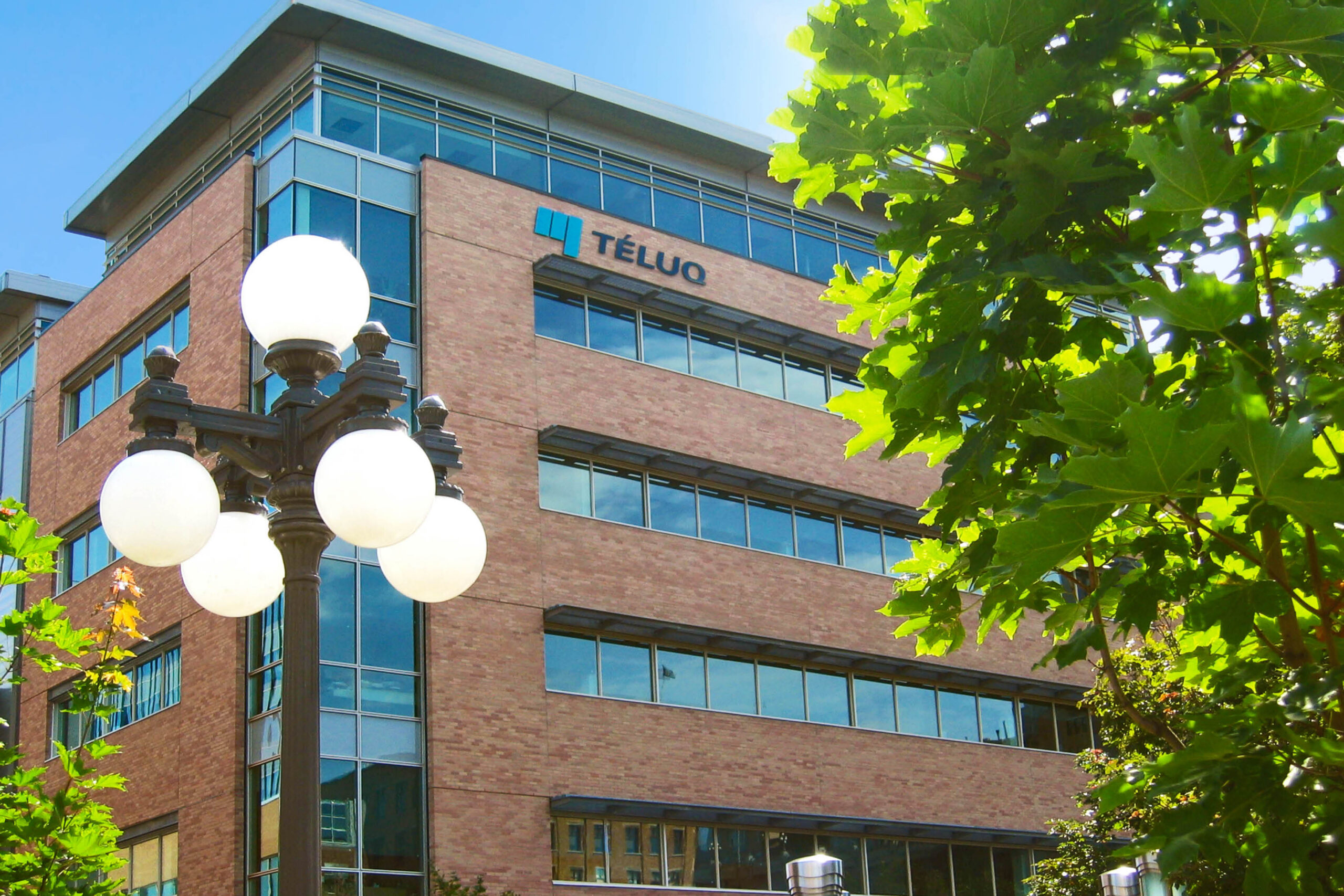
This gradual shift in expectations sheds light on several of today’s debates. Conversations about funding, performance, international recruitment and research outcomes have partially stemmed from this redefinition of universities’ roles. Over the decades, Quebec universities have become much more than educational institutions. They are now central to the economic, social and political choices that shape the province’s future.
Universities at the heart of the debate
For many years, there was broad consensus when it came to Quebec’s universities. Governments came and went, but few questioned the need to fund universities, expand access to higher education and support research. Debate focused on how to achieve these goals, rather than on the merit of the goals themselves.
But recently, this consensus appears to be fracturing, as universities find themselves thrust into the centre of major debates roiling Quebec society.
Dr. Béland is not surprised by this trend. “Universities have become absolutely central to Quebec society,” he said. “They play a major role in training the workforce, advancing research, fostering innovation and driving economic development.”
As the importance of universities grows, choices about them also become increasingly politicized. The issue of international students clearly illustrates the trend: For decades, international student recruitment had largely been seen as a driver of development. Universities saw these students as a source of income and talent, and as a way to raise their international profile.
But amid a housing affordability crisis, debates over immigration, and concerns about linguistic and demographic change, some politicians now perceive international students in a different light. Recent measures limiting their numbers reflect a shift in perspective that has put universities at the heart of a debate about far more than higher education.
“Universities have become symbols,” said Dr. Dufour. “They represent different visions of Quebec, its openness to the world and its collective future.”
Financial concerns are also feeding tensions. Institutions demand resources to maintain their competitive edge, attract high-level researchers and support their operations; but the government has to deal with budgetary constraints and growing pressure on public finances.
READ MORE : Universités québécoises : sous-financement, quotas et crise de recrutement (French only)
In Dr. Béland’s view, these debates speak to the success of Quebec’s master plan for universities. “The more important universities become, the more they attract the attention of governments and political actors,” he said.
“We ask a lot of our universities,” said Dr. Dufour. “We call on them to achieve outcomes that are sometimes complementary and sometimes contradictory.”
Current controversies around higher education thus reveal themselves as part of a longer history placing universities at the centre of some of the most sensitive questions in Quebec society.
As the provincial election campaign heats up, so, too, do the debates over international students, funding and the future of the French language. This raises a more fundamental question: how should universities contribute to Quebec’s collective aspirations over the coming decades?
Where do universities feature in the current election campaign?

Before the election campaign began, few commentators expected higher education to emerge as a central issue.
READ MORE: Where do Quebec’s political parties stand on higher education? – University Affairs
“Most of the focus is likely to be elsewhere,” said Dr. Béland. “The economy, the trade war with the United States, the cost of living, inflation, public health and, potentially, a referendum are more likely to dominate the conversation.”
Dr. Gingras agreed: “I don’t think higher education or research will be central to the debate,” He noted that when the political parties talk about education, they tend to group elementary, secondary, college and university education under the same umbrella without significant reflection on the issues specific to universities.
That’s not to say universities haven’t featured at all during the campaign. “Certain questions related to universities could become important because they’re connected to other debates,” said Dr. Béland. Immigration is perhaps the clearest example of this.
Recent measures to limit the number of international students have brought to the fore significant points of contention between universities and the government. For many institutions, international students are an essential source of income and a vital pool of talent for research. For the government, the question is part of a wider reflection on immigration thresholds, housing and Quebec’s capacity for welcoming new residents.
In Dr. Gingras’ view, this tension partially stems from a choice made well before these recent measures. “In my opinion, it was a major error to tie universities to immigration policy objectives,” he said. He adds that universities have gradually embraced a rationale that falls outside of their core purpose. “A university’s mission is to teach, conduct research, serve society at large and recruit the best professors,” said Dr. Gingras. “It is not to manage immigration.”
Political parties are now proposing different solutions to these problems. From Dr. Béland’s perspective, the Coalition Avenir Québec and the Parti Québécois are somewhat aligned on immigration, the French language and universities’ reliance on international students. The Liberals, meanwhile, generally support a more open approach to immigration and the internationalization of universities. What role should universities play in Quebec over the coming decades?
According to Dr. Maheu, these controversies risk overshadowing deeper issues. For many years, he has spoken about a “quiet crisis” affecting the Quebec university system. He notes that Quebec has never completely caught up to Ontario in terms of university graduates. In 2020, 38 per cent of Quebecers aged 25 to 44 had completed a higher education degree, compared to 44 per cent in Ontario. He said this discrepancy mainly affects francophone Quebecers. This is one of the paradoxes of Quebec’s higher education access model.
“I use the term ‘quiet crisis’ precisely because it is still largely unacknowledged in the public debate,” he said. In his view, chronic underfunding of universities and the low priority placed on higher education in political discussions may have long-term consequences on Quebec’s capacity to generate knowledge, spur innovation and provide scientific leadership.
“Higher education plays a major strategic role in Quebec’s future, but it rarely takes up space proportionate to its importance in public debate,” said Dr. Maheu.
Throughout this history of democratized access to education, expansion of the university network and the evolution of institutions’ missions, the question has remained: is Quebec content to simply manage the immediate challenges universities are facing, or is it prepared to invest in their long-term future?
“The question we should be asking ourselves now is simple,” said Dr. Maheu. “Do we want to set ourselves up for fifty years of progress, or merely manage the pressures of the next five?”
More from Features
-
A bridge to human rights
IDRA scholarship winner Karen Spring studies Central American communities seeking redress for harms caused by major development projects.
-
Heat waves and brain waves
IDRA scholarship winner Tianqi Zhao studies climate change and mental health in South Africa.
-

Take me to the river
IDRA scholarship winner Peter Duker studies community fishing practices in Thailand.
-

Northern Shift
The alarming rise of far-right movements in Canada.
More from Policy
-

Universities participating in Canadian militarization: the case against
Henry A. Giroux argues that the militarization of Canadian universities threatens to transform institutions devoted to critical inquiry and democratic life into extensions of the warfare state.
-

Canadian universities and the new defence imperative: the case in favour
Martin Maltais argues that Canadian universities must play a greater role in strengthening the country’s defence capacity while preserving academic freedom and scientific independence.
-

Science must become a pillar of Canadian foreign policy
With technological developments reshaping global governance, science cannot remain isolated from international relations.
-

Why has the Atlantic region been hit hardest by IRCC’s student visa cuts?
Reduced international student intake threatens local economies, workforce pipelines and long-term growth in less populous regions.
More from Feature articles
-

Two solitudes: Quebec Universities in WWII
Historical researcher explores English-French divide over Second World War.
-
How social movements shape Canadian universities
A history of clashes, challenges, and lessons learned.
-

U the North
Working together with Inuit, First Nations and Métis, university researchers are bolstering sovereignty and improving living conditions in the Arctic.
-
Degrees of Change
British Columbia’s funding pressures, shifting enrolment and policy reforms signal sweeping changes ahead for colleges and universities across the province.


Post a comment
University Affairs moderates all comments according to the following guidelines. If approved, comments generally appear within one business day. We may republish particularly insightful remarks in our print edition or elsewhere.