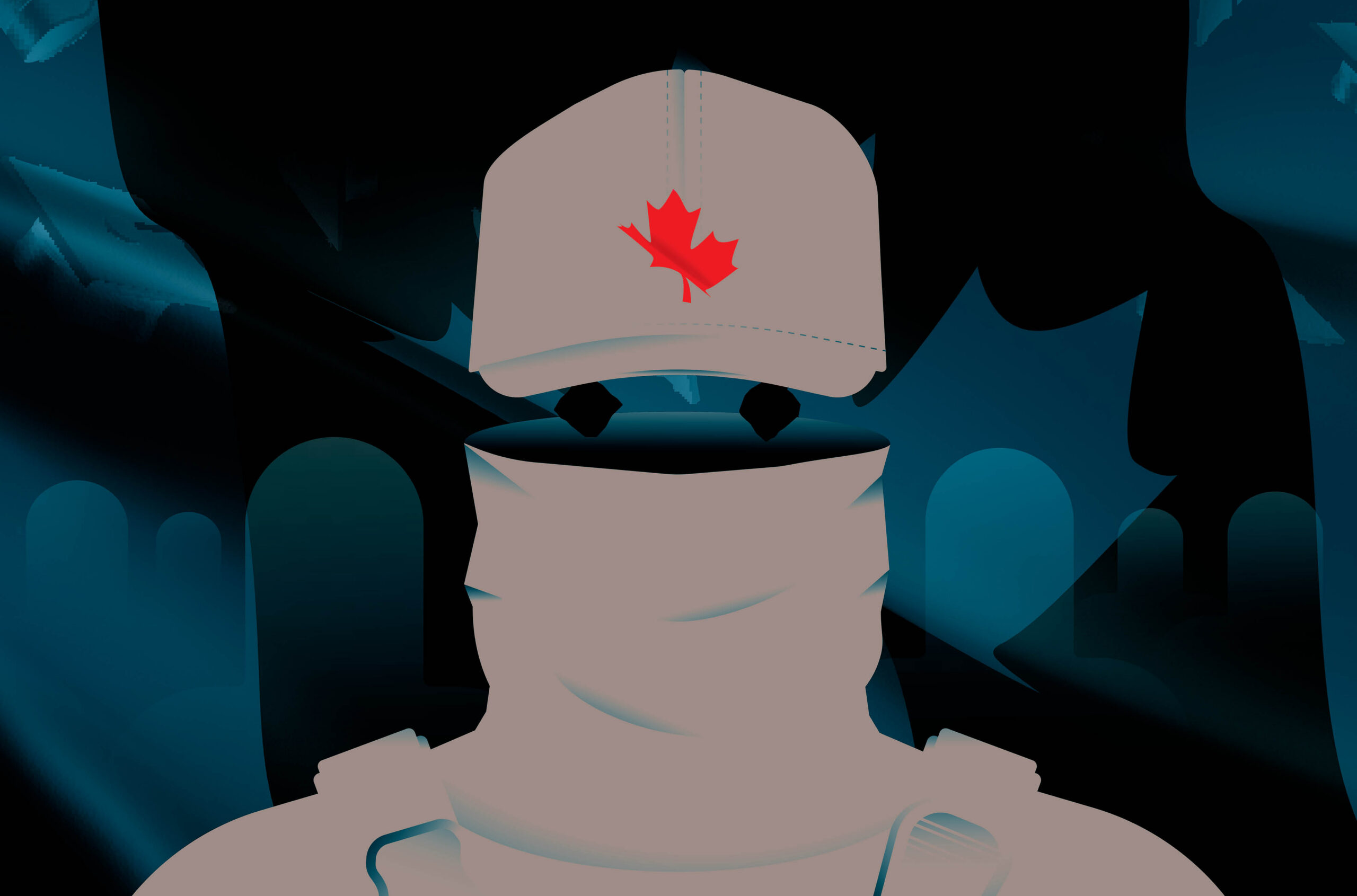
In the span of just a few years, Canada’s far-right movement has deepened its roots and broadened its ability to influence public discourse. In one of the most visible instances of courting more traditional right-wing values, during last year’s federal election Conservative leader Pierre Poilievre broke with tradition and campaigned at numerous evangelical churches, including three in one day. More recently, Conservative MP Jamil Jivani wrapped up his “Restore the North” tour of universities, modelled on the late American right-wing firebrand Charlie Kirk. In both cases, the politicians echoed the narrative of decline that propelled President Donald Trump, claiming “bloated” government bureaucracy, “radical open border policies,” and a “catch and release” approach to crime had “broken” Canada.
The Trump administration’s relentless attacks on immigrants, universities, the judiciary, media and the civil service continue to provoke global outrage and anxiety. Many Canadians feel relief, even smugness, to think we’ve rejected any whiff of the far-right turn that’s embroiled our neighbours, noting Mr. Poilievre lost an election he was widely expected to win at the outset. But university researchers across the country caution that as our attention is focused south, Christian nationalists, white supremacists and pro-patriarchy/anti-LGBTQ2S+ groups here in Canada are quietly organizing, consolidating and even racking up some wins in mainstream politics.
“After the border blockade and the truckers’ convoy, you would think there would be a stronger sense that we’re not immune” to far-right rhetoric, explains Lisa Gasson-Gardner, assistant professor of Religious Studies at Mount Royal University. “Yet, there is this sense that, by virtue of being different than the U.S. and having a stronger sense of a pluralistic multicultural society, we’re safe.”
According to Dr. Gasson-Gardner, the rise of Action4Canada is among the clearest examples that calls this assumption into question. It’s a movement that grew out of opposition to pandemic-era vaccine, masking and lockdown mandates to encompass a smorgasbord of fringe anti-government and “anti-woke” talking points, including fears about “political Islam”, 15-minute city policies and gender identity education in schools.
In the fall, Action4Canada, led by Tanya Gaw, met with the Alberta government and requested the removal of “explicit” books from schools, drawing special attention to LGBTQ2S+ graphic novels aimed at young people. The province subsequently announced an explicit book ban. A provincial government spokesperson said the decision was in response to parents but acknowledged Action4Canada “helped us get a better understanding of materials that were available in schools.”
The Investigative Journalism Foundation (IJF) reported that a list of prospective books to ban —including four graphic novels publicly mentioned by Alberta officials — was provided to the government by at least two social conservative activist groups: Parents for Choice in Education (PCE) and Action4Canada.
Although the provincial government later retracted much of the ban, limiting it to visual, rather than written depictions, the movement to ban books is “evidence that Christian nationalists are becoming politically effective in Canada,” says Dr. Gasson-Gardner. “I’ve been studying Canadian and American apocalyptic Christians for the last 20 years and the stuff that they were hoping for and praying for then, some of that stuff is happening now.
“I’ve been studying Canadian and American apocalyptic Christians for the last 20 years and the stuff that they were hoping for and praying for then, some of that stuff is happening now.”
There are other, more entrenched, signs of rightward shifts. Police-reported hate crimes more than doubled nationally from 2019 to 2023, according to a Statistics Canada report released last year. Research has shown a link between rising hate crimes and the mainstreaming of far-right, anti-immigrant, and white supremacist ideologies. In 2023 and 2024, Saskatchewan and Alberta, respectively, passed bills that would require parental consent for children to be called by their preferred pronouns at school. And in a survey of more than 35,000 Quebec high school students, 34 and 40 per cent said they would be uncomfortable to learn their best friend identifies as lesbian and gay respectively, compared to 15 and 25 per cent seven years ago.
Dr. Gasson-Gardner is among a number of Canadian university researchers increasingly studying far-right movements to better understand their evolution, tactics and impact on society. Though they come from different disciplines, including criminology, political science, sociology, and religious studies, they share the view that today’s far-right movements are decentralized, digitally connected, and politically and culturally savvy. Together, the researchers are working to counter extremism and raise awareness of the risks posed by far-right networks.
A team led by Barbara Perry, Director of the Centre for Hate, Bias and Extremism at Ontario Tech University is registering a growing number of far-right groups in Canada. While a 2020 environmental scan identified 300 active far-right groups, her team’s ongoing tracking project suggests today’s number could be higher. Researchers at her centre scrutinize media reports and social media sites while also conducting interviews with law enforcement as well as current and former members of extremist networks. Dr. Perry acknowledges that detection bias could be partly responsible for the increase, as her team is larger than in previous years and their methods may be more meticulous with experience.
A key difference between the organization of far-right groups today, compared to a decade ago, is that, like American dogmatists Andrew Breitbart and Steve Bannon, the far-right in Canada has become skilled at “hijacking broad-appeal concerns or preoccupations of the Canadian public,” explains Stéphane Leman-Langlois, a professor of criminology at the Université Laval. For instance, organizers tie how tough it is for young people to find work or the rising cost of housing to immigration policies.
Dr. Perry points out that Jeremy McKenzie, founder of the far-right group Diagalon and, more recently, Second Sons Canada, recently moved from Saskatchewan to Nova Scotia, where he’s exploiting tensions around Indigenous fishing rights as well as the recent growth in visible minority populations. (In November, Second Sons mobilized about 30 men, all dressed in black, to stand against an overpass railing in London, Ont., over a banner that read: REMIGRATION NOW.)
Far-right groups are also gaining ground by building big tents. “It’s different than what we were seeing [in the] early days, when there were a lot of pissing contests between the different groups about whether they should call themselves white nationalist, white supremacist, or identitarian. We’re now seeing much more coalition building,” she says. There was, of course, the Freedom Convoy, disparate groups organizing together against COVID policies.
More recently, the Million Moms March brought together Muslim, Christian, and other conservatives in large, cross-Canada rallies opposing curriculum that teaches children about sexual orientation and gender identity. The coalition exploits the discomfort among some parents about the greater visibility of gender-diverse and gender-fluid identities and gives their concerns legitimacy and a target — radical queer ideologues are confusing schoolchildren about their sexual or gender identity by promoting LGBTQ2S+ “lifestyles,” so their argument goes.
“These numbers puzzled us, and this is where we started to study pop culture and social media.”
While many far-right groups are explicitly hateful, others are learning how to package their rhetoric in more palatable framing. They’re not homophobic or transphobic, they’re pro “parental rights,” for instance. This framing glosses over the fact that, as Dr. Gasson-Gardner points out, the groups only want to champion the rights of parents who want to stop children from presenting as gender non-conforming, not those who want to support trans children.
It may seem far-right groups are jumping around, from vaccine conspiracies to immigration to gender ideology. But in today’s hyper-online world, presence matters more than a coherent worldview, Dr. Leman-Langlois explains. Viewers ignore what doesn’t resonate with them, while engaging with the issues or framing that does hit home and, in the process, teaching algorithms what they want to hear. Online, far-right groups can run multiple campaigns at once, microtargeting people by issue, demographic, and region. Extremist groups can “set up their roots on the internet and have antenna into various social preoccupations and movements,” he explains.
These groups don’t need people to buy into their entire raison d’être to support them – attending a rally, writing a letter to a politician or even just sharing an article help to widen the Overton window, the term for the spectrum of ideas considered acceptable by society. Still, there is a general coherence to far-right ideology, explains Dr. Perry, one that links anti-trans, anti-immigrant and anti-feminism rhetoric. Referring to the 14 words, the white supremacy slogan, “We must secure the existence of our people and a future for white children,” she says that the ideology of white supremacy “implies maintaining the ‘purity of our women’ and ensuring that women are not lesbians…that white women are not engaged in sexual relationships with people of colour.”
In addition to big tent-building, more palatable messaging and internet-microtargeting, far-right groups are capitalizing on meme culture. “To cite Andrew Breitbart, the founder of the Breitbart News, ‘Politics is downstream from culture,’” says Samuel Tanner, a professor of criminology at the University of Montreal, who co-authored a 2024 book with Dr. Leman-Langlois and Aurélie Campana called The Great Right North: Inside Far Right Activism in Canada. Wrapping an idea in an internet or pop-culture reference “makes it easier to be swallowed,” Dr. Tanner explains. The famous example of this strategy is the far-right’s appropriation of Pepe the Frog comic character. Originally created as a “friendly character who just wanted to sit on the couch and eat pizza,” as Dr. Tanner describes, far right groups had the character endorse pro-Trump, anti-immigrant, and even Nazi viewpoints.
Far-right meme culture is, to a degree, driven by a relatively small number of social media influencers. Take the popularity of men’s rights influencers and ‘trad wives’ – men’s rights influencers claim men are victims of feminism while ‘trad wives’ are women who promote female gender roles that are submissive and focussed primarily on the domestic and child-raising sphere. These influencers know that more entertaining and provocative content will garner more views and money.
Other far-right cultural references take hold in a more grassroots way, Dr. Tanner points out. Sigma culture, which promotes a “lone wolf,” emotionally detached, yet confident and ambitious male prototype, is traced back to the “Sigma Boy” song created by Russian teenagers, but it quickly became a ubiquitous Gen Z slang term and new way for young people to embrace a rather stale gender stereotype. Dr. Tanner blames these social media influencers and meme cultures for shifting young people’s views on gender and sexuality, referring to the Quebec survey that found homophobic sentiments are creeping up in young people. “These numbers puzzled us, and this is where we started to study pop culture and social media,” he explains.
Based on an analysis of more than 950 TikTok videos, published in early 2025, Dr. Tanner and colleague François Gillardin demonstrated how sigma videos use humour and subtlety to promote male dominance and harmful stereotypes about women. Dr. Tanner is currently researching how the form and content of trad wife and menfluencer videos advance patriarchal ideals in a way that’s seen as counter-cultural and alluring for youth.
Strategies to combat far-right ideology
The question is how to counter the amorphous, far-right ideology, especially as it expands online and exploits regional and identity-based grievances. In addition to proactively countering far-right messaging in a way that reaches young people, Dr. Leman-Langlois calls on community-based organizations to reach out to people who seem to be adopting extremist views and make it known they offer a way out. “You might think the trad wife movement sounds pretty innocuous, but as you become entrenched in progressively more radical thinking, if that crosses a line somewhere for you, do you have resources that you could turn to?” he asks.
“It’s much more important to ask questions than to lecture…reminding people how to have a dialogue, because we’ve lost that capacity. We’re often talking at one another rather than with one another.”
Dr. Perry recommends one-on-one conversations that address the emotion that drew people into far-right ideas. “People are angry, they’re afraid,” she says, and they’re often latching onto ideas that let them express that emotion, without thinking deeply about those ideas. In this situation, “it’s much more important to ask questions than to lecture,” she says. The practice of asking questions, in a non-confrontational manner, can lead people to critically question their views in a way they hadn’t previously. “That’s also something that the labour movement can be doing…reminding people how to have a dialogue, because we’ve lost that capacity. We’re often talking at one another rather than with one another.”
As research clearly shows men who feel isolated in society are the most vulnerable to far-right hate, Dr. Perry says that the most effective counter-tactics provide not only a place to safely question one’s views, but also “wraparound supports” like educational or job opportunities, as well as connections to positive social networks. She points to organizations such as Life After Hate, Yorktown Family Services, and the Organization for the Prevention of Violence as doing this kind of work. From a proactive standpoint, schools can better help kids distinguish fact-based sources of information from propaganda and critically assess information that blames societal problems on a specific population, Dr. Perry adds.
Women have joined men at the forefront of many far-right movements in North America (including Freedom Convoy organizer Tamara Lich and Action4Canada founder Tanya Gaw). “They offer a gentler, but no less persuasive, form of bringing people to the movement,” says Dr. Perry. Still, any approaches to address far-right hate must recognize that men are the most likely to commit hate-driven violence. It was young men who targeted worshippers at a Mosque in Quebec City in 2017, women walking down the sidewalk in Toronto in 2018, and a multigenerational Muslim family out for an evening stroll in London in 2021.
In the past year, news stories emerged about the rise in white supremacist-operated active clubs in Canada — attracting young men with the idea of a social network and the promise of self-improvement while indoctrinating them to prepare to fight for their race. There is clearly more work to do in how communities raise boys, says Dr. Tanner. Many boys and young men still get the message that “they’re not allowed to cry, they’re not allowed to show any weakness, and this is totally toxic,” he says. Dr. Perry lauds the many community leaders and organizations leading conversations about “alternative masculinities” and calls on these efforts to become more widespread, especially for adolescent boys seeing TikTok videos promoting a male-dominant culture with humour and pop culture references.
On a broader level, Dr. Gasson-Gardner recommends that progressive forces get better at telling stories that help people make sense of economic and societal shifts. She explains that far-right organizers are impactful in part because they share false, yet emotionally compelling, narratives about why housing is expensive or why young men can’t find work, for example. Progressive forces need to be able to explain what’s driving the growing concentration of wealth in a way that speaks to the emotions people feel. And they need to tell more stories about who we are as Canadians, to counter the far-right narrative that Canada is a white, Christian nation. As Dr. Gasson-Gardner emphasizes, “we need stories of what it means to be a diverse collective that supports each other.”

More from Features
-

The Nuisance Variable
Two-thirds of Alzheimer’s patients in Canada are women. Why does research still treat them as an afterthought?
-
Quebec universities: 60 years of change
From the Quiet Revolution to the present day, universities have profoundly transformed Quebec society. As a provincial election rapidly approaches, we reflect on their changing mission over six decades of often tense history.
-
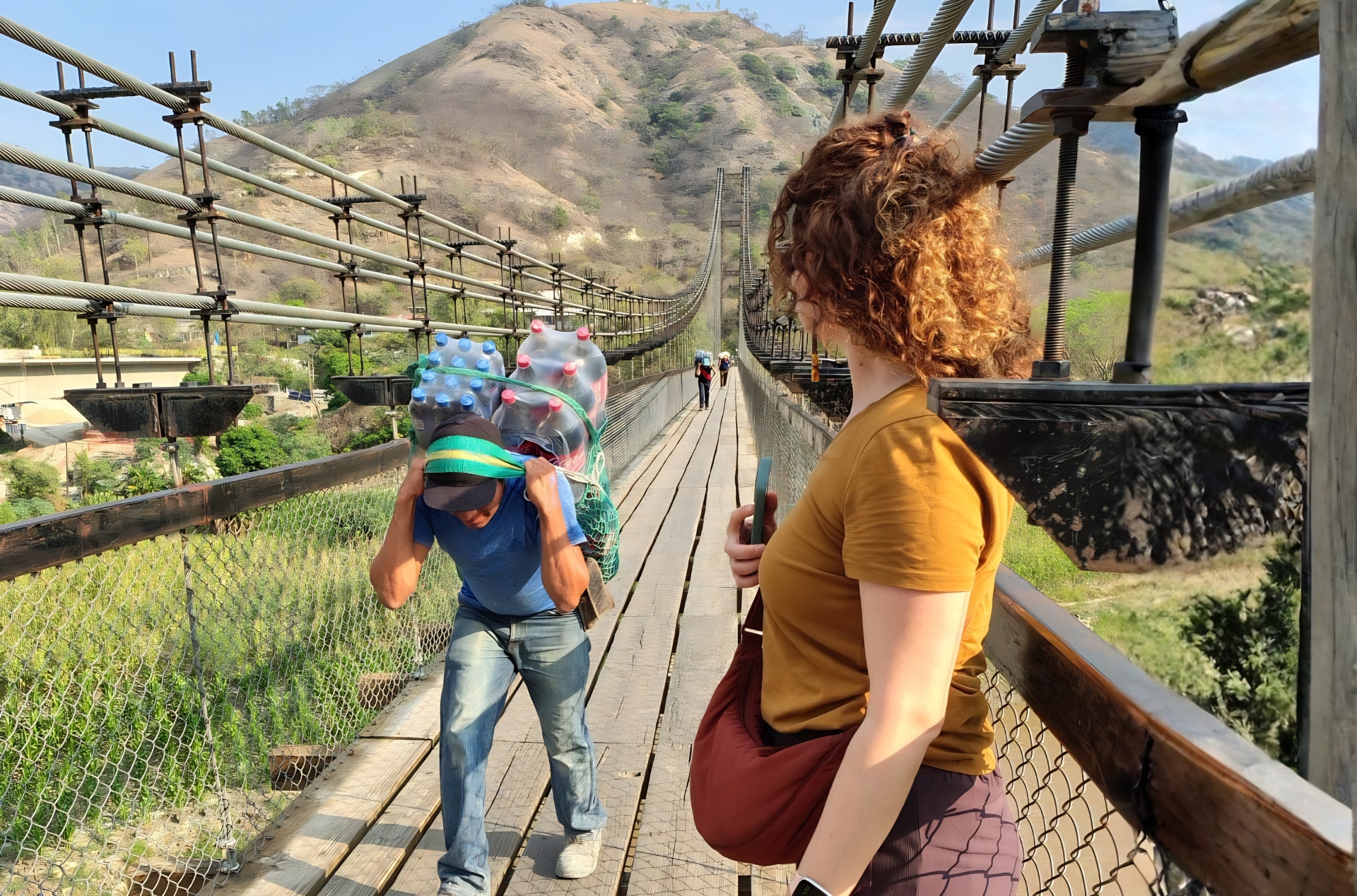
A bridge to human rights
IDRA scholarship winner Karen Spring studies Central American communities seeking redress for harms caused by major development projects.
-
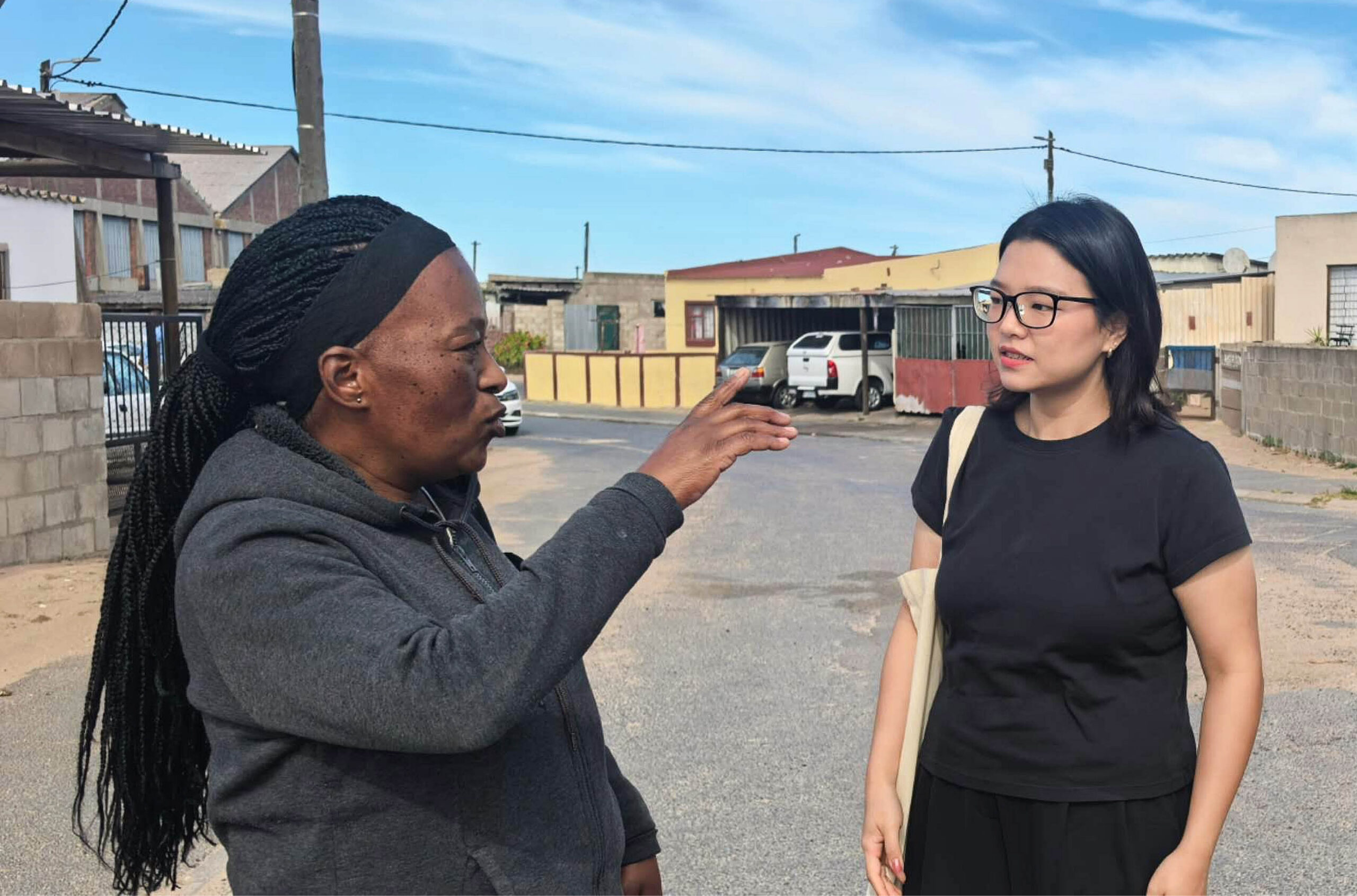
Heat waves and brain waves
IDRA scholarship winner Tianqi Zhao studies climate change and mental health in South Africa.
More from Policy
-

B.C. higher education: tweak or reform?
In the coming provincial election, parties offer different proposals for a system under strain.
-
Universities participating in Canadian militarization: the case against
Henry A. Giroux argues that the militarization of Canadian universities threatens to transform institutions devoted to critical inquiry and democratic life into extensions of the warfare state.
-

Canadian universities and the new defence imperative: the case in favour
Martin Maltais argues that Canadian universities must play a greater role in strengthening the country’s defence capacity while preserving academic freedom and scientific independence.
-

Science must become a pillar of Canadian foreign policy
With technological developments reshaping global governance, science cannot remain isolated from international relations.
More from Feature articles
-
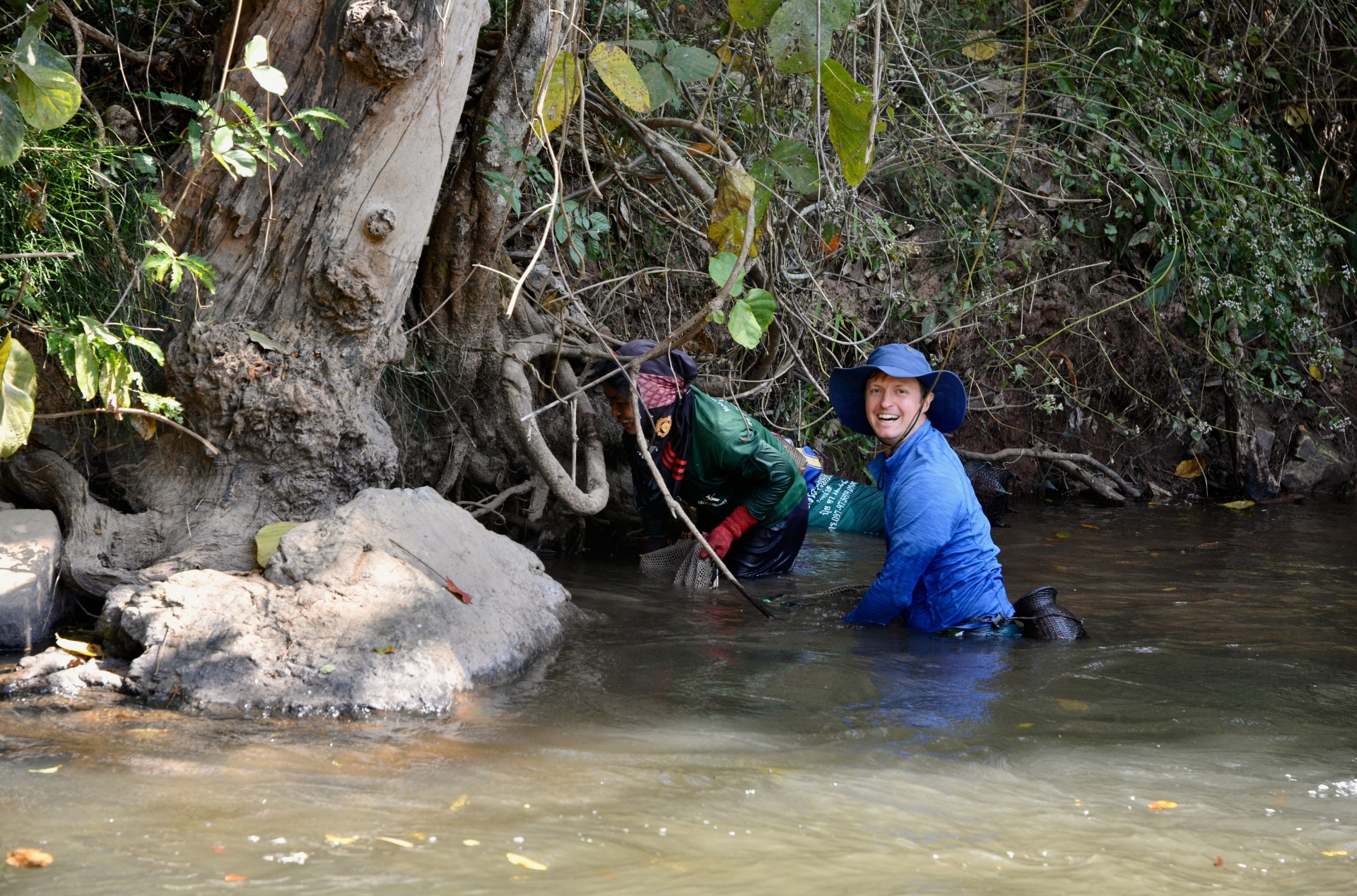
Take me to the river
IDRA scholarship winner Peter Duker studies community fishing practices in Thailand.
-

Two solitudes: Quebec Universities in WWII
Historical researcher explores English-French divide over Second World War.
-
How social movements shape Canadian universities
A history of clashes, challenges, and lessons learned.
-
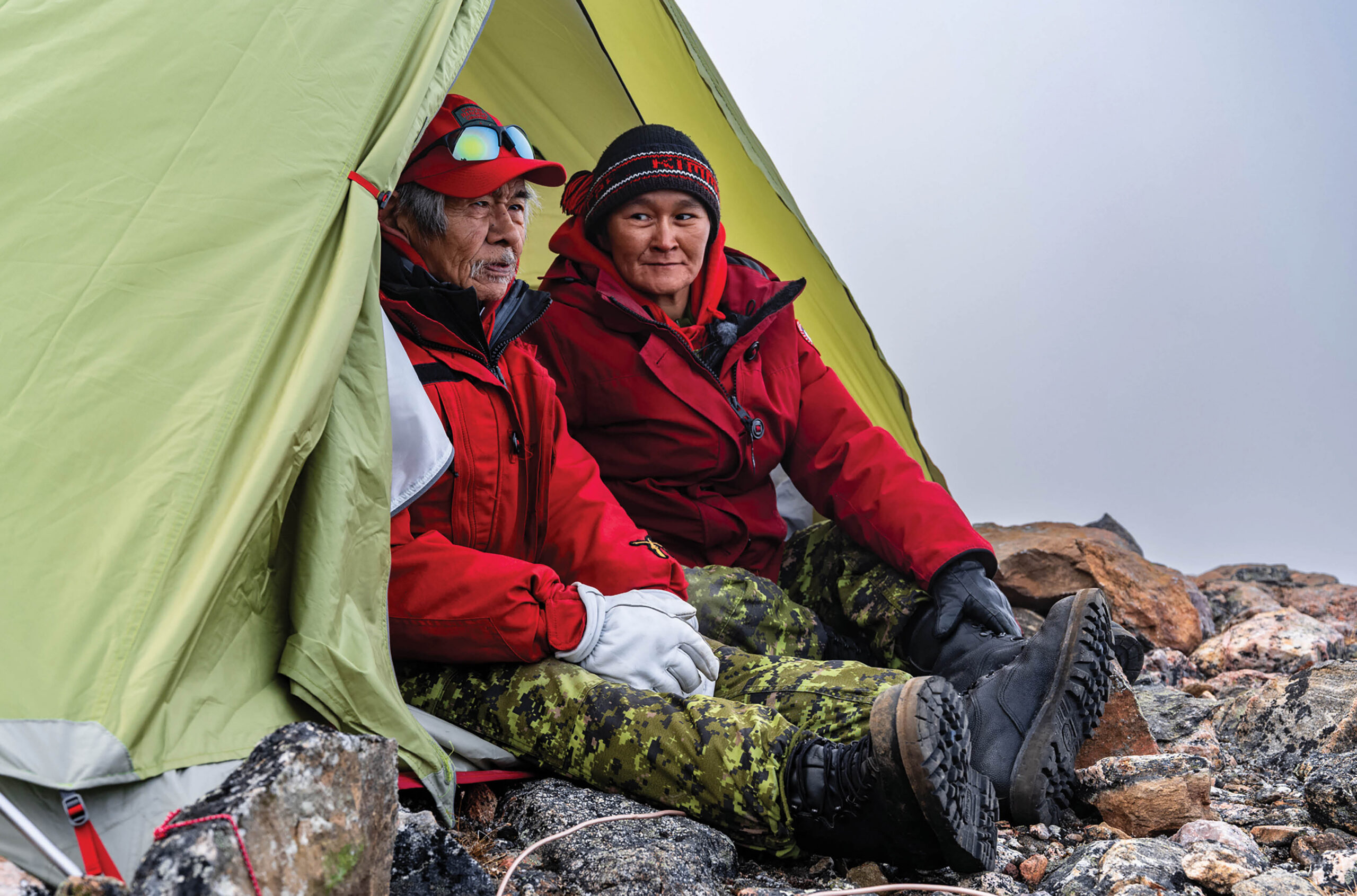
U the North
Working together with Inuit, First Nations and Métis, university researchers are bolstering sovereignty and improving living conditions in the Arctic.


Post a comment
University Affairs moderates all comments according to the following guidelines. If approved, comments generally appear within one business day. We may republish particularly insightful remarks in our print edition or elsewhere.
1 Comments
Seems strange perhaps (or perhaps not) that an article on the far-right in a university-focused publication would fail to mention some of the most vocal charges leveled against academia, notably in the USA at present but certainly potential targets in Canada. Cancel culture? DEI? Wokeness? Freedom of Speech is shown as a tag, but not mentioned in the article, nor is Academic Freedom, both at the heart of some of the allegations. Although capitalized on by the far right, these issues have been of enough concern among academics to lead to such organizations as the Society for Academic Freedom and Scholarship in Canada and the Heterodox Academy internationally. Perhaps time for some serious self-reflection lest it be thrust upon us as in our university-hostile neighbour to the south?