UBC student mobilizes climate advocacy to drive change
Sadie Vipond, a plaintiff in the country’s landmark youth climate lawsuit, is urging universities to prepare students to meet the realities of a warming world.


For Sadie Vipond, growing up in Calgary and spending weekends on the prairies, in the Badlands and along the edges of the Rockies built what she calls a “deep emotional connection” to nature.
By the age of 12, that connection had turned into public advocacy. She spoke before Calgary City Council with a self‑written speech that used Harry Potter as a metaphor for the climate crisis, casting Voldemort as climate change and the Ministry of Magic as the slow‑moving government. Years later, she learned her words helped sway votes in favour of a climate resiliency plan.
Now an environmental science student at the University of British Columbia, Ms. Vipond has been dubbed the “Calgarian Greta Thunberg,” named one of the Alberta Council for Global Cooperation’s Top 30 Under 30, and most famously, joined the youth plaintiffs in La Rose v. His Majesty the King, a landmark constitutional challenge set for trial in October 2026.
The youth‑led lawsuit is arguing that Canada’s response to climate change violates young people’s Charter rights to life, liberty, and security of the person.
She joined the case as a young teenager, years before she could vote and try to sway political priorities. “Voting is a key way people communicate political needs to the government,” she explains. “Young people will be impacted the most by the future, but we can’t be involved in those decisions until much later.”
The legal process has been slow and, at times, discouraging. When the case was initially struck down, Ms. Vipond learned the news in a Grade 8 science class. “I didn’t understand how the court could side with a government that wasn’t doing enough to protect us from the climate crises,” she says.
Still, she describes the public support around the case as one of its most meaningful outcomes. “Even if we don’t end up winning, the communication we’ve had—showing Canadians that young people are going to court to fight for our rights—has touched a lot of people and we’ve received many messages of support.”
The weight of the climate crises
At UBC, coursework has given her the language and context to sharpen her advocacy. It has also made the scale of the crisis harder to ignore.
“In one week, we learned about shifting animal ranges, the B.C. heat dome killing billions of invertebrates, and we were assigned writing about whether we will ‘beat’ the climate crisis,” she says.
On campus and beyond, Ms. Vipond says she hears a shared unease about what’s ahead.
“A lot of people are really scared but don’t know what to do, don’t feel hopeful and sometimes prefer to push it away.”
She doesn’t blame them. Between coursework, finances and career pressure, climate change can feel like one crisis too many. What can help, she notes, is moving from fear to agency, and that’s where campuses can make a real difference.
From anxiety to action: what campuses can do
Ms. Vipond’s recommendations start with the basics: build climate literacy across disciplines; create clear ways for students to shape sustainability planning; and support student‑led initiatives with more than one‑off grants.
She notes student clubs are one of the clearest ways to accomplish those goals. They’re where community forms, ideas get tested and students first see their actions matter. At UBC, that commitment shows up in the infrastructure itself: the sustainable gardening club she’s part of helps run a rooftop garden built directly into the Student Union Building’s design, with produce donated back to the community. “Clubs foster community and can create change beyond campus,” she says. “Networking and connecting with people who share your interests also helps raise up student voices.”
Ms. Vipond says universities also need to rethink how programs and courses prepare students for a climate‑shaped world. Interdisciplinary classes that connect climate science with policy, history and human behaviour should be built into the core curriculum, not treated as optional or occasional add‑ons. These courses help students see why evidence alone rarely moves institutions and how decisions actually get made. When programs focus too narrowly, students can miss the wider context that shapes real‑world outcomes.
But strong curriculum isn’t enough on its own. For Ms. Vipond, transparency and communication are the missing pieces: students can’t shape the institutions they’re part of if they don’t understand how choices are made or where their input lands. She wants universities to acknowledge the uncertainty students feel about their futures and to take their concerns seriously by listening and integrating feedback into actual decisions.
A generation leading with care
As the conversation turns from what campuses can do to what they can cultivate, Ms. Vipond returns to the deeper purpose of higher education: shaping not only skilled graduates, but compassionate citizens.
She believes students should leave university not only with technical knowledge or sharper critical‑thinking skills, but with a greater sense of empathy and ability to understand perspectives far from their own. “Understanding where people are coming from matters for good conversations and for decision making. Being flexible in how you communicate, and leading with empathy and connection instead of alienation, is what will get us through,” she says.
Despite the slow pace of institutional change, Ms. Vipond has confidence in the next generation of leaders, as she believes they are more educated on environmental issues, more globally connected and more willing to bring diverse perspectives into the work ahead. What sustains her isn’t just anger or fear, but what she describes as a growing ethic of collective care among her generation. “I’m increasingly seeing action built not only out of anger and fear, but also out of love for our planet and love for future generations and wanting to protect the Earth we care so much about,” she says. “Acknowledging that we’re doing this out of love is powerful.”



Featured Jobs
- Theatre and Film - Assistant Professor Without Review (Performance Practice)The University of British Columbia
- Global Inequalities and Trade - Faculty PositionUniversité Laval
- Director, Human Research Ethics & Strategic AdvisorUniversity of Manitoba
- International Studies - Faculty Position (Arctic Defence and Security)Université Laval
- Psychology - Assistant Professor (Clinical Psychology)Western University
More from Opinion
-

Faculty well-being in the age of GenAI
When every student has an AI assistant, the writing teacher's job becomes both harder and more essential.
-
Committee’s EDI recommendations are based on flawed logic
Excellence must be sufficiently rigorous and inclusive to identify talent wherever it exists.
-
Building resilience in Arts through interdisciplinary collaborations
In a technology-enabled future, Arts faculties have an opportunity to demonstrate their relevance by making collaboration across disciplines easier and more visible.
-

Science in French? Bien sûr!
As English dominates the publication landscape, support for French-language research is a strategic investment in the quality, equity and the future of knowledge.
More from Climate Change
-
The Campus Green
University Affairs launches new sustainability column.
-
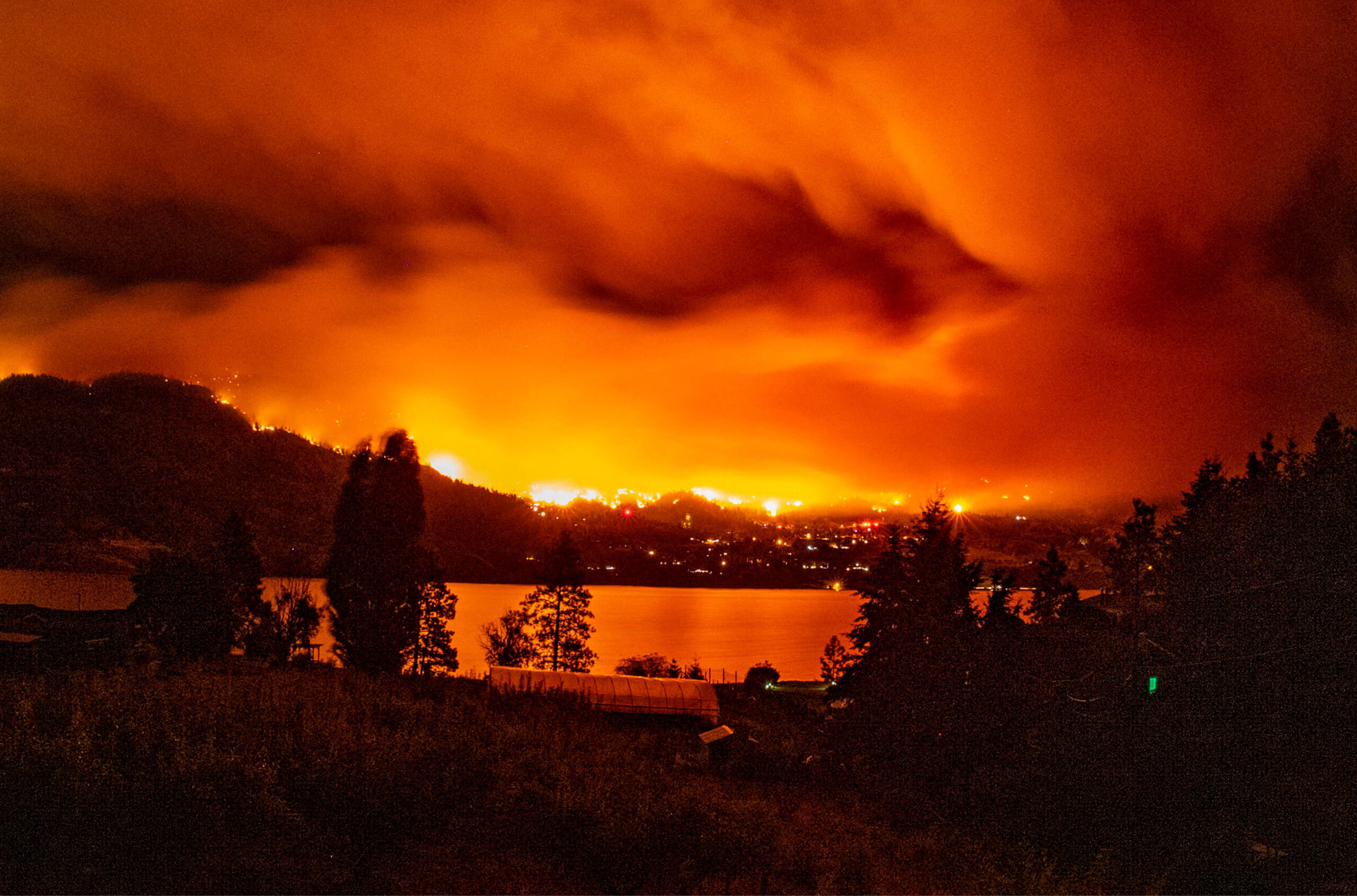
Fighting fire with science
Powerful analytical tools and a new generation of wildfire specialists take to the woods as Canadian forests burn.
-
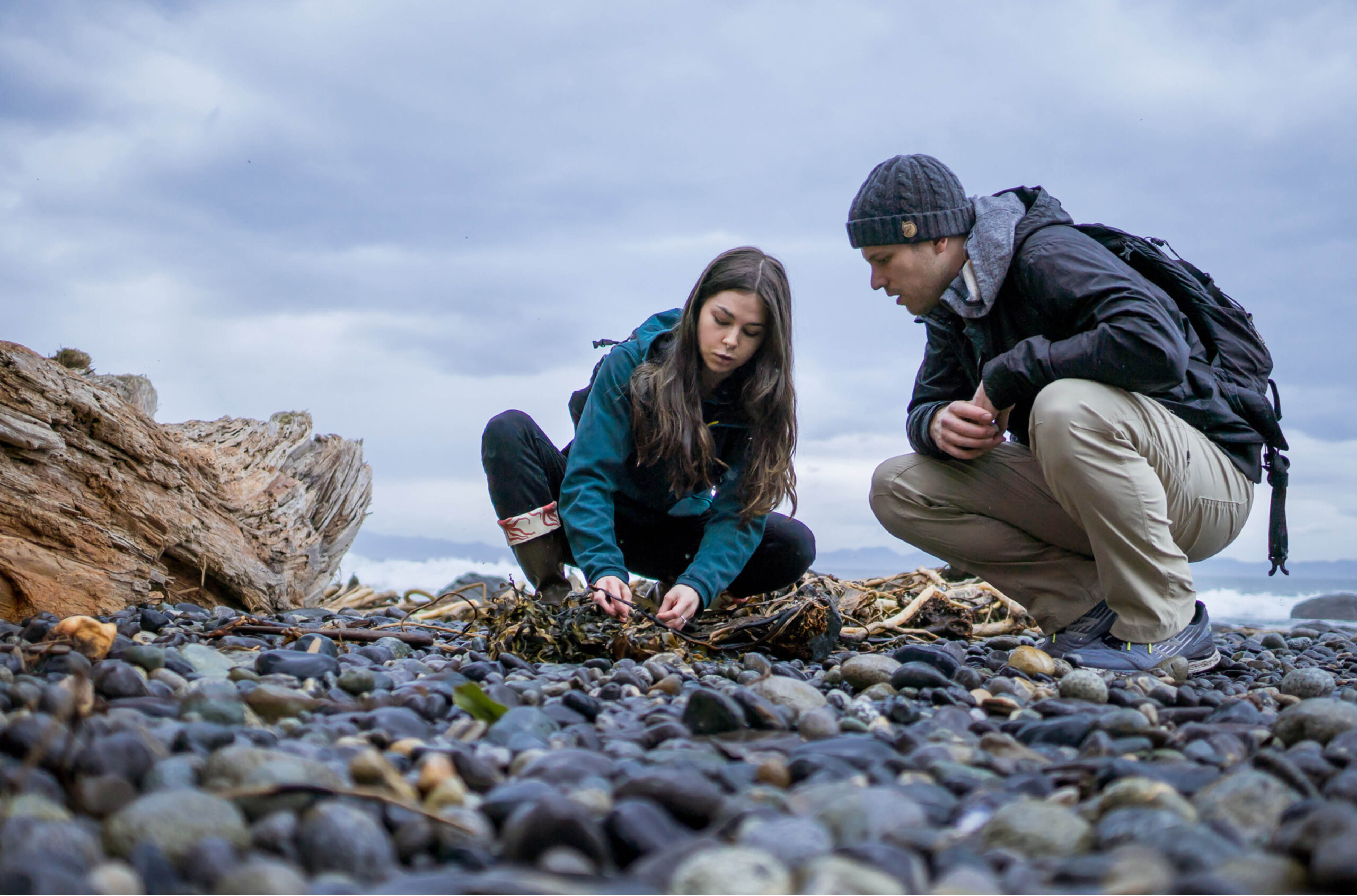
UVic prioritizing sustainability through a variety of initiatives
‘The climate crisis is here now. We have a responsibility to educate.’
-

How the climate crisis makes students feel
Three students talk ecological grief.
More from The Campus Green
-

Universities are beacons of knowledge lighting Canada’s path to a sustainable future
Steven Guilbeault reflects on Canada’s environmental pressures and the role higher education plays in shaping sustainable solutions.
-
Universities have a critical role to play in the fight against “forever chemicals”
As PFAS contamination spreads, universities must champion interdisciplinary learning, ethical reform and community partnerships, says Robert Bilott, the attorney at the center of Dark Waters.
-
Bob Rae urges universities to remain climate-change leaders
In a volatile world, universities form bulwarks of scientific integrity and technological development, says former U.N. ambassador.

Post a comment
University Affairs moderates all comments according to the following guidelines. If approved, comments generally appear within one business day. We may republish particularly insightful remarks in our print edition or elsewhere.