Training graduate students in research means investing in the future
Graduate research training shapes the thinkers, innovators and engaged citizens our society needs to address the defining challenges of the 21st century.


Our society is facing unprecedented challenges. Environmental crises, rapid digital transformations, and global economic and geopolitical uncertainty are forcing us to rethink how we live, produce and collaborate.
Universities are uniquely positioned to help address the challenges of the 21st century. They fulfill three core missions: educating students, advancing knowledge through research, and contributing to civic life. Together, these roles enable universities to help build a more prosperous, inclusive and sustainable future.
Universities also provide an environment that encourages innovation, leads people to challenge assumptions, and enables experimentation with new approaches. By fostering creativity and intersecting viewpoints, they help generate solutions to the complex issues we collectively face.
To fully realize these missions, universities must have the conditions needed to thrive. A healthy university relies on a strong academic community, the ability to attract and retain top talent, and the organizational support necessary to drive innovation.
A recent study whose findings were published in University Affairs noted that Canada ranks among the world’s top five higher education systems. Yet, this achievement comes despite comparative underfunding, especially from public funds and industrial partners which constrains further growth. This echoes concerns raised by Universities Canada (which publishes University Affairs) and the Canadian Association of University Business Officers (CAUBO), noting that universities need stable and predictable funding to maintain their capacity for innovation and impact.
Research training generates far more than just knowledge
Addressing today’s challenges requires diverse knowledge and perspectives. University education, at all levels, plays a key role in this regard. At the graduate level, research training deepens knowledge and develops advanced integration and synthesis skills.
It also develops highly sought-after transferable skills that are essential across professional and societal contexts, including the ability to solve complex problems, apply rigorous methodologies, and communicate ideas clearly.
More broadly, research training shapes thinkers capable of understanding complex scientific, social and economic systems, bridging disciplines, and turning knowledge into concrete action. It cultivates an intellectual approach grounded in the ability to formulate relevant and constructive questions, display rigour, make progress amid uncertainty, and transform ideas into sustainable solutions. In short, it trains engaged citizens who are well equipped to contribute to the common good.
Measuring research impact through graduate pathways
This raises an important question: how can we measure these contributions in practice? A team at Université Laval (ULaval) recently led one of the first studies on the trajectories of research-trained graduates to assess their contributions to society. This study falls under one of six high-impact initiatives launched as part of ULaval’s 2023–2028 institutional plan titled Working Together to Boost Our Impact, for which we recently published a mid-term review.
Drawing on survey data and semi-structured interviews, the study assessed the societal impact of research training through the pathways of graduates. The findings are compelling. More than half of respondents said their training enabled them to contribute knowledge and skills to initiatives with concrete societal impacts, such as the responsible oversight of technology and the integration of scientific evidence into public policy development.
These results — discussed at more length in another article — confirmed what we had hypothesized: many of our graduates become powerful agents of change in their communities and organizations. By applying the skills they learn in university, they help tackle societal challenges while strengthening ties between science and society.
Results that reach beyond a single institution
Although this study was conducted at ULaval, its implications extend far beyond our institution. University graduates across Canada are similarly driven to develop a thorough understanding of the world so they can better contribute to it.
Our universities are powerful drivers of change. They cultivate the values of openness, integrity, and solidarity that form the foundation of a resilient society. Universities do more than just prepare students for the workforce: they give them the skills they need to act on major societal issues and set them down a committed path to contribute to the common good.
Realizing this ambition, however, depends on collective choices. It depends on our willingness to recognize the value of graduate research training and to provide it with the resources it needs to thrive.



Featured Jobs
- Global Inequalities and Trade - Faculty PositionUniversité Laval
- KAUST Global Fellowship Program - Postdoctoral Fellowship (Call 2027)King Abdullah University of Science and Technology
- International Studies - Faculty Position (Arctic Defence and Security)Université Laval
- Director, Human Research Ethics & Strategic AdvisorUniversity of Manitoba
- Theatre and Film - Assistant Professor Without Review (Performance Practice)The University of British Columbia
More from Opinion
-

Committee’s EDI recommendations are based on flawed logic
Excellence must be sufficiently rigorous and inclusive to identify talent wherever it exists.
-
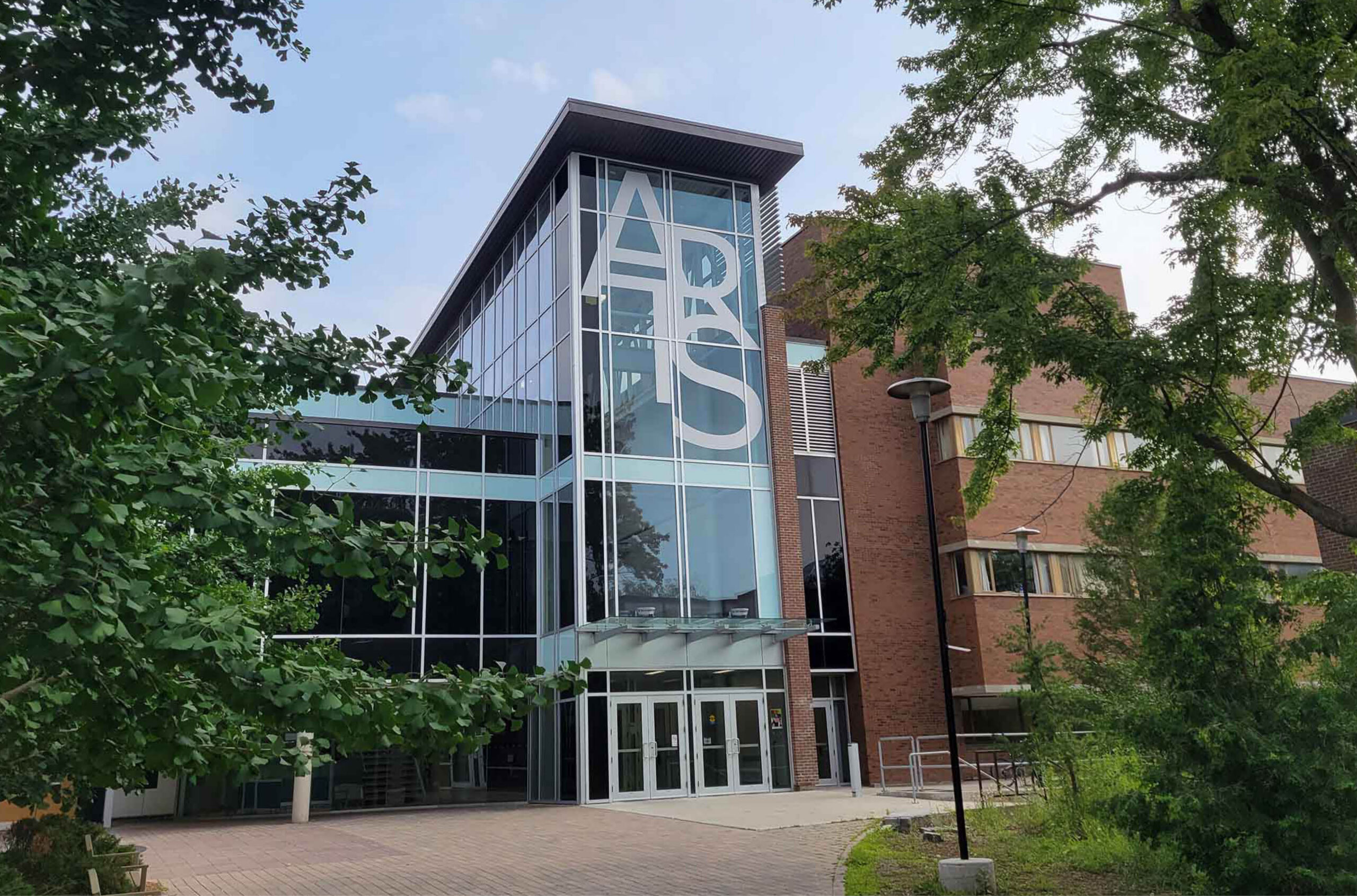
Building resilience in Arts through interdisciplinary collaborations
In a technology-enabled future, Arts faculties have an opportunity to demonstrate their relevance by making collaboration across disciplines easier and more visible.
-

Science in French? Bien sûr!
As English dominates the publication landscape, support for French-language research is a strategic investment in the quality, equity and the future of knowledge.
-

Why Canadian academics shouldn’t boycott U.S. conferences
Show up in person and do good trouble instead.
More from Research
-

From doctoral student to entrepreneur
Resources abound to help you turn your PhD research into a business startup.
-
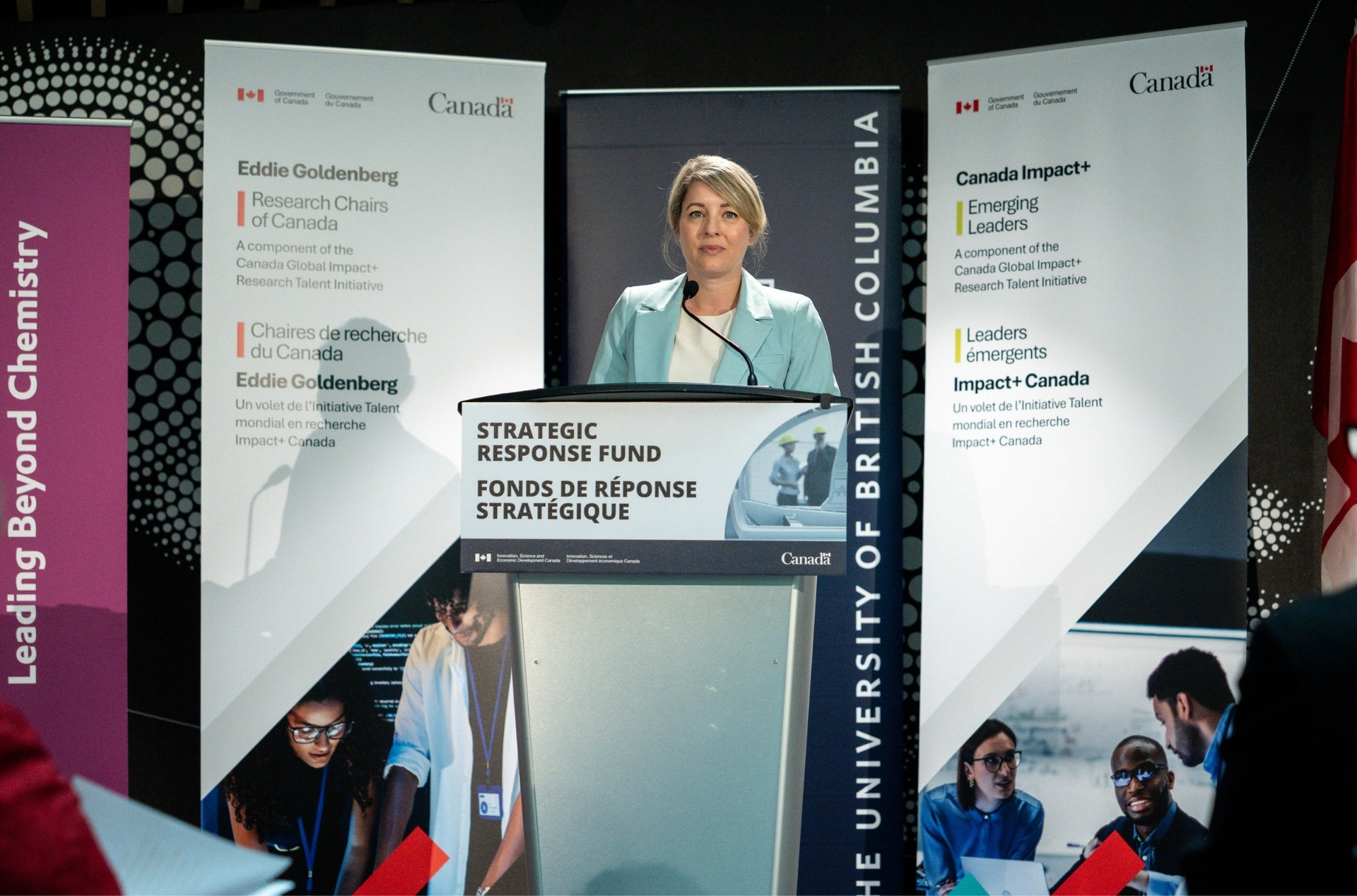
Ottawa announces 64 new research chairs in international talent attraction strategy
Top-tier researchers from 13 countries to join Canadian universities in first wave of appointments.
-
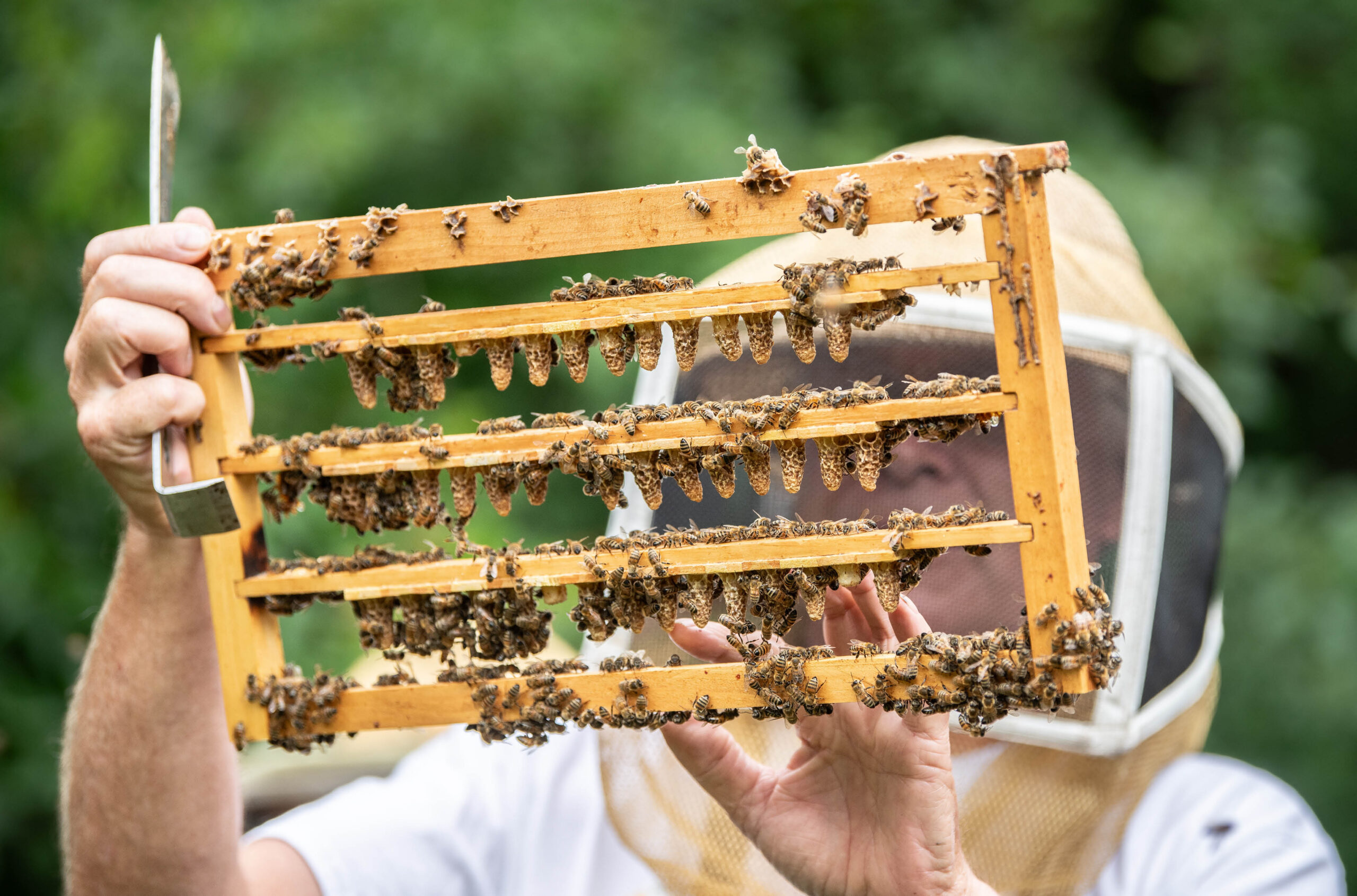
A look inside the hive: celebrating honey bee research at two Canadian universities
As MacEwan University marks 10 years of bees on campus, the University of Guelph kicked off the year by unveiling its newest centre for honey bee research.
-

Canada needs a national strategy to protect scholars at risk
Supporting displaced academics is a strategic investment in Canada's research and innovation ecosystem.
More from In My Opinion
-

Gen Z meets genAI
We are the first generation to learn alongside AI. What do we owe the next?
-

Canada’s sovereignty is being tested
As Canada faces mounting pressure from the United States, an Indigenous-led exhibition at the Gwangju Biennale offers a timely way to think about conflict, responsibility and the choices ahead.
-

It’s time to boycott U.S. conferences
As trade hostilities continue, we shouldn’t use taxpayers’ dollars to travel stateside.
-

Rebuilding Jewish students’ trust in universities
As students return to campus, discussions of the Middle East conflict deserve a scholarly, responsible and robust treatment that recognizes antisemitism in all its forms.


Post a comment
University Affairs moderates all comments according to the following guidelines. If approved, comments generally appear within one business day. We may republish particularly insightful remarks in our print edition or elsewhere.