Take me to the river
IDRA scholarship winner Peter Duker studies community fishing practices in Thailand.

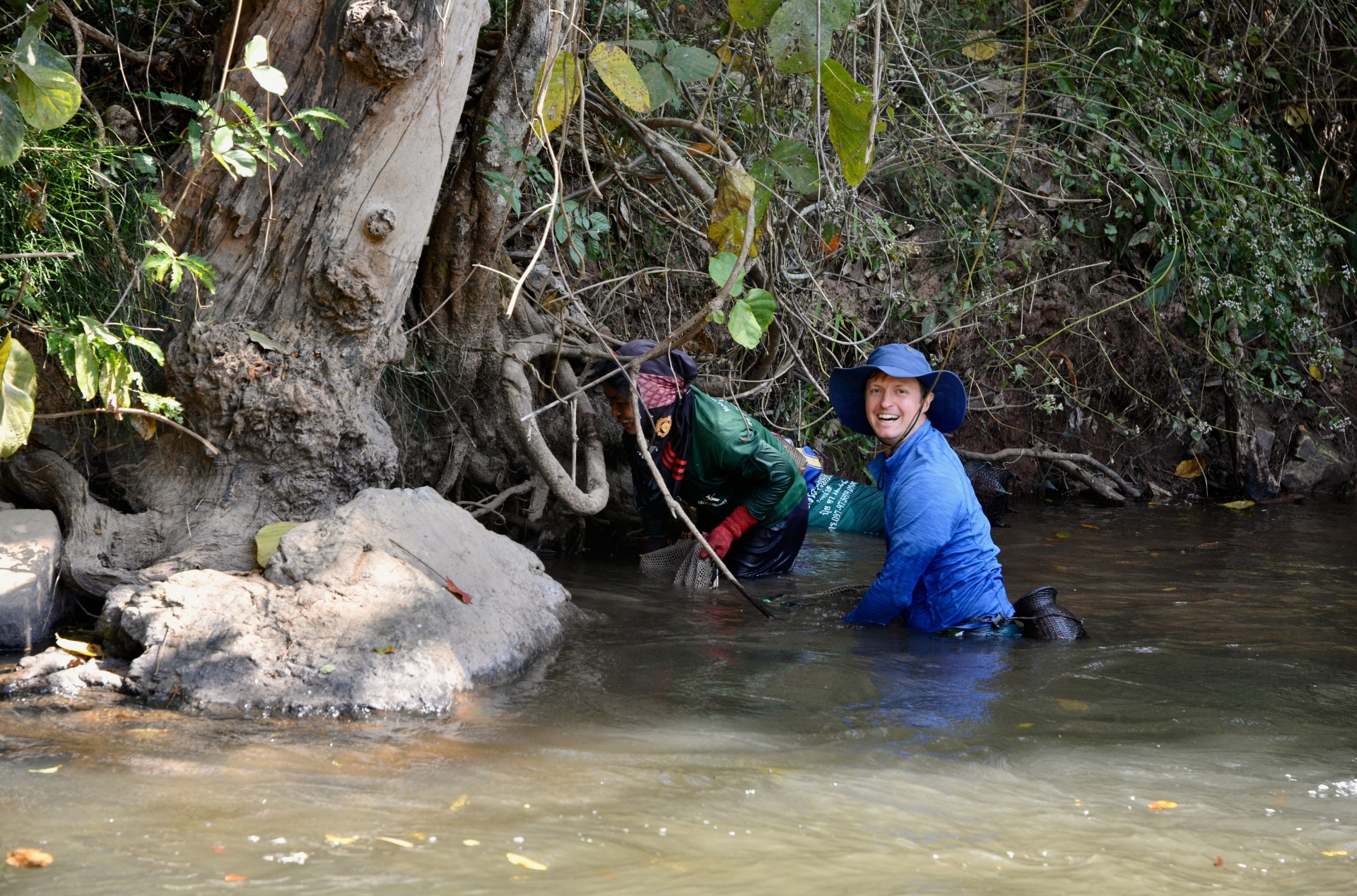
Peter Duker is a University of Guelph PhD student in geography with specialties in political ecology and environmental governance. After winning an IDRA scholarship in 2024, he spent a year and a half doing field research in Northern Thailand. He spoke to University Affairs about his work.
Q: You completed your field research in Thailand in 2025. Could you describe the nature of the fieldwork you conducted there?
A: I conducted community-engaged fieldwork, working with an Indigenous Pgakenyaw-led NGO and with four partner Pgakenyaw communities across Northern Thailand. In this project on Indigenous approaches to environmental governance, I sought to document and understand Pgakenyaw riverine practices and knowledges that have otherwise been little attended to by researchers and organizations.
We employed a variety of mixed methods. I visited each of the four communities four times over the course of the year, engaging in qualitative methods including participant observation, individual interviews, focus groups, and participatory activities like walking meetings, livelihood mapping and food calendars. I also trained two youth leaders in each community to collect quantitative data throughout the year through weekly fish catch monitoring and 24-hour dietary recalls. To be able to do this kind of work, I drew upon cross-cultural competencies developed while working in the country over the past 10 years and the relationships I built while spending time with the communities and NGO staff prior to beginning my fieldwork, including during a two-month visit in 2023 and a four-month visit in 2024.
This nine-minute documentary video, produced with Pgakenyaw creator Thinnaphat Phattharakiatthawee (Pokwa Productions), showcases some of the work that we did. The video has been used to disseminate the messages from our gathering event that culminated the project more broadly amongst other Pgakenyaw communities and broader society in Thailand.
Q: What was a key highlight from your fieldwork experience?
A: One of my key highlights was the relationships I developed with community members over the fieldwork period, particularly through participant observation, when I would join in fishing activities. In addition to documenting their riverine practices with my camera, I also tried my hand at their fishing methods. In one community, I infamously only caught a single tiny fish on my first day — a result they will never let me forget. Not only was it fun for me, but community participants found it special to have me come along. One woman told me: “I love to go fishing, but I love it even more when you are with us.” Such experiences were pleasant reminders of the intangible, surprising outcomes of research.
Q: What aspects of your experience did you find most surprising, and what were the greatest challenges you faced?
A: When I started my project, I expected to focus on the role of inland fisheries for material benefits, like food security. What surprised me were all the non-material benefits. I would typically see people fishing in groups, and I would hear all sorts of sounds of enjoyment, like laughter and shouts of encouragement. These experiences helped me see fishing activities’ contributions to good mental health and strong community. And while nearly everyone can and does go fishing, we often found that fishers were women, youth and the elderly, highlighting the important role of these activities for these groups.
The greatest challenge I faced was the demanding physical and mental toll from the frequent travel. Nearly every other week I was leaving my base residence in Chiang Mai to spend time with my partner communities. Compounding these visits were additional trips to the field with my partner NGO, as I supported their work during this period as well. Despite the challenges with fatigue, all these experiences were enriching and worth it in the end.
Q: How did this fieldwork shape your understanding of your research topic or approach?
A: Being on the ground led to fundamentally different understandings than those derived from other approaches. My earlier master’s research was conducted during the COVID-19 pandemic. As a result of the pandemic, I had to pivot my approach for that project to work remotely with a local research assistant to collect data on my behalf. While I learned a considerable amount during that project, by being in person and spending significant time in communities for my PhD project, I found that sometimes what happens in practice does not match what people share with their words. For example, while community members might report that fish are important for their diets, my time spent in person and weekly data collection showed that these foods were not eaten as frequently as they once had been. What I found was not that participants were dishonest, but that their understandings were likely based on historical truths more than contemporary realities. Instead, as noted above, I found that fish can contribute to all sorts of different kinds of benefits, even if they are not consumed in the same quantities and do not play the same role as in the past. This kind of information is vital for policy-makers and for the communities themselves to better manage human activities to take good care of nature.
Q: How do you plan to share or disseminate the knowledge and insights gained from your fieldwork with academic, professional, or local communities?
A: I have already begun knowledge mobilizations from this research. In February 2026, I brought the four partner communities together, along with some other communities and our academic and NGO allies, for a knowledge sharing gathering and celebration of the project’s culmination. My research assistants presented findings from their respective communities, and I shared broader insights from the research. Participants also learned about, and got to experience first-hand, how their river conservation practices can contribute to potential ecotourism options to earn income for their communities. In the evening, we listened to elders from each community share traditional stories and poems.
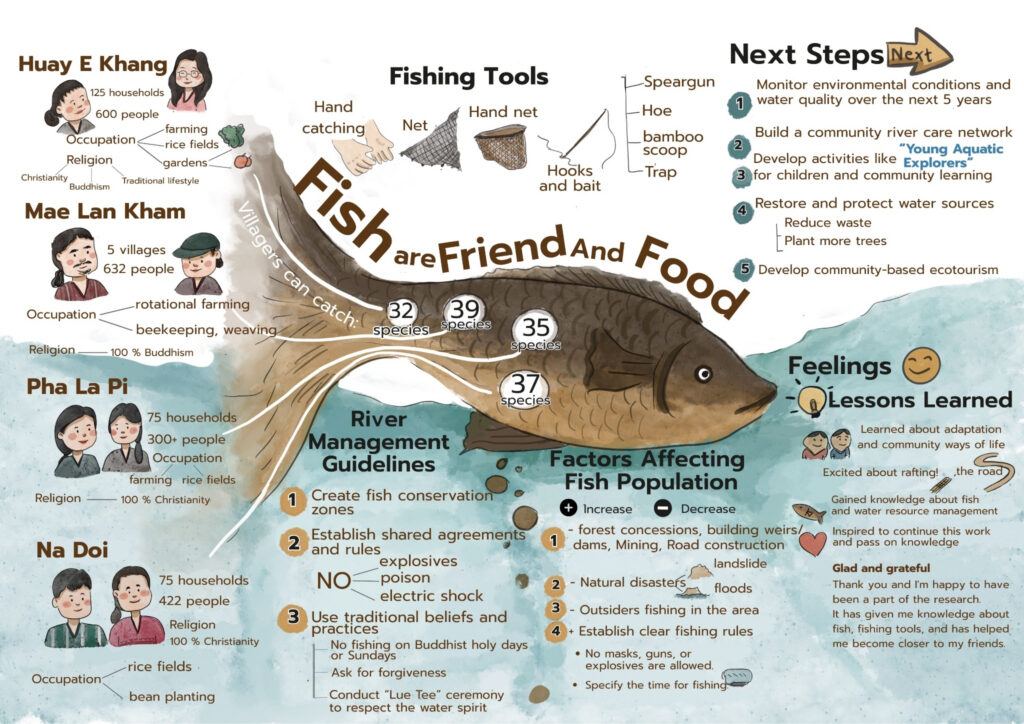
Finally, we reflected on how our communities can continue to take care of our rivers into the future. The visual notes created by Indigenous Hmong illustrator Oranee Saewan, summarized some key findings of the project and discussion points by participants. We discussed how the riverine livelihoods of Pgakenyaw communities are interlinked with intimate ecological knowledge and effective environmental management, with particular regard to the importance of women and women’s knowledges. Our work also demonstrated communities’ ability to strategically enact different knowledge systems, such as traditional knowledges and modern science, to maintain riverine ecological health in the face of changes happening within and beyond their communities. While such knowledges and practices have always been a part of these communities, this project helped remind communities of the importance of these knowledges and practices, and it provided the foundation from which participants can further develop their activities.
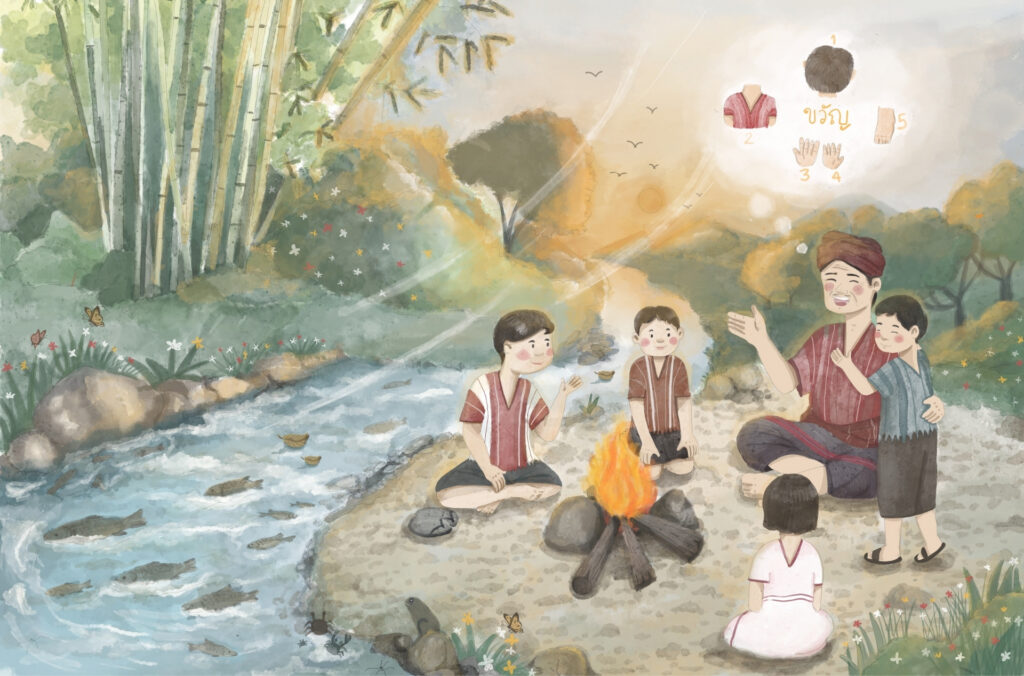
Furthermore, I created educational books for Pgakenyaw youth that wove some of the project’s key findings and teachings from elders into a story that explains the practices, knowledges, and relationships between Pgakenyaw communities and their rivers over time. I also included a suggested survey activity and much of the ecological data collected with the research assistants in the books, so that these will be available to help the communities continue to monitor their rivers into the future. These books also contain illustrations by Oranee Saewan.
Finally, I am also creating academic outputs, such as the three journal articles planned as part of my dissertation. In these articles, I will showcase how Indigenous peoples and local communities (IPLCs) like the Pgakenyaw, and particularly women, are engaging multiple knowledge systems to effectively take care of nature through political, economic and environmental change. These articles will demonstrate why IPLCs and women should have more power in environmental governance to help address past harms on these groups and better situate us to face impending environmental crises.
Q: What are your next steps, and how do you plan to build on this fieldwork experience?
A: I am planning to finish my dissertation in the next year. For my next steps, I seek to develop an international research program that works with IPLCs in multiple countries on how their experiences have led to different manifestations of environmental governance that take into account multiple knowledge systems. IPLCs have much to teach mainstream society and this research agenda will organize a new transnational IPLC community network.
My research program will continue to focus on rivers, as these ecosystems are by their very nature highly interconnected and thus facilitate the kinds of pan-community dialogue that the project seeks to build. Building upon my experiences leading an 11-person research team during my doctoral fieldwork, I will train and create research teams in each partner community. Engagement in the project will also allow each community’s research team to build connections with the other communities involved in the project, creating a new network that will advocate for IPLCs’ capacities to lead effective environmental governance for positive social and environmental outcomes. This research agenda will thus contribute towards community capacity-building in addition to knowledge production.

More from Features
-
A bridge to human rights
IDRA scholarship winner Karen Spring studies Central American communities seeking redress for harms caused by major development projects.
-
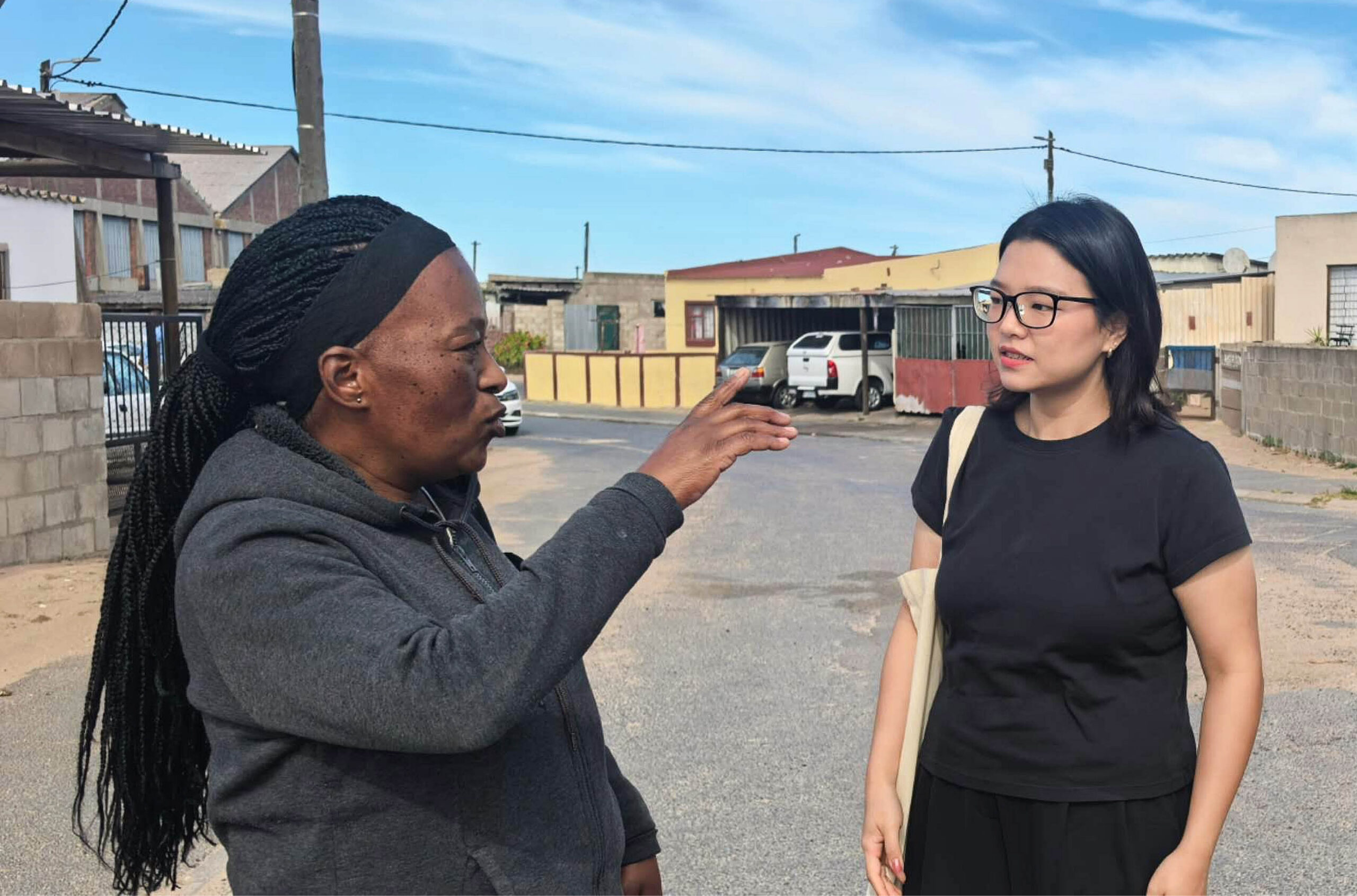
Heat waves and brain waves
IDRA scholarship winner Tianqi Zhao studies climate change and mental health in South Africa.
-

Northern Shift
The alarming rise of far-right movements in Canada.
-
How social movements shape Canadian universities
A history of clashes, challenges, and lessons learned.
More from Research
-
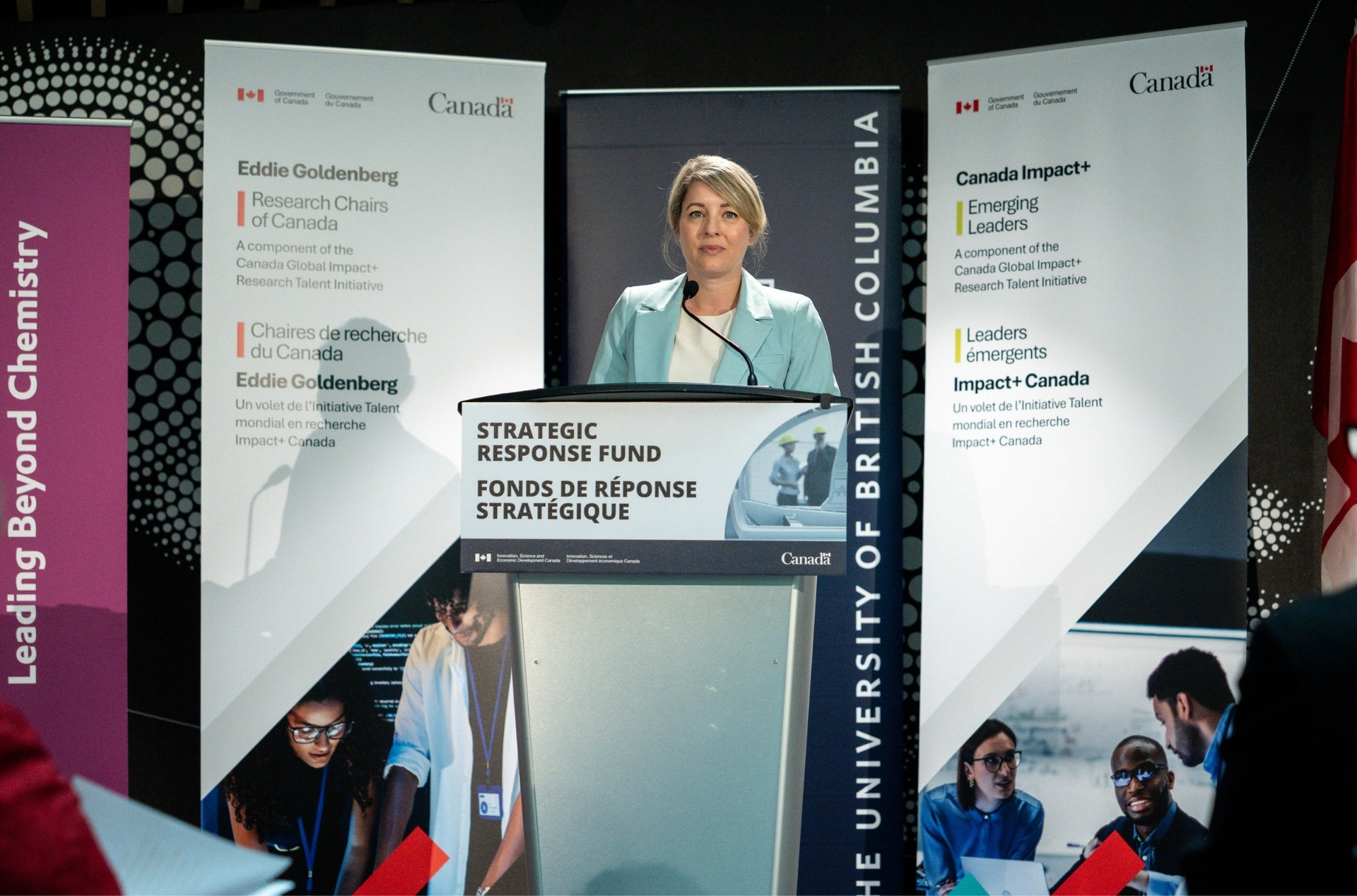
Ottawa announces 64 new research chairs in international talent attraction strategy
Top-tier researchers from 13 countries to join Canadian universities in first wave of appointments.
-
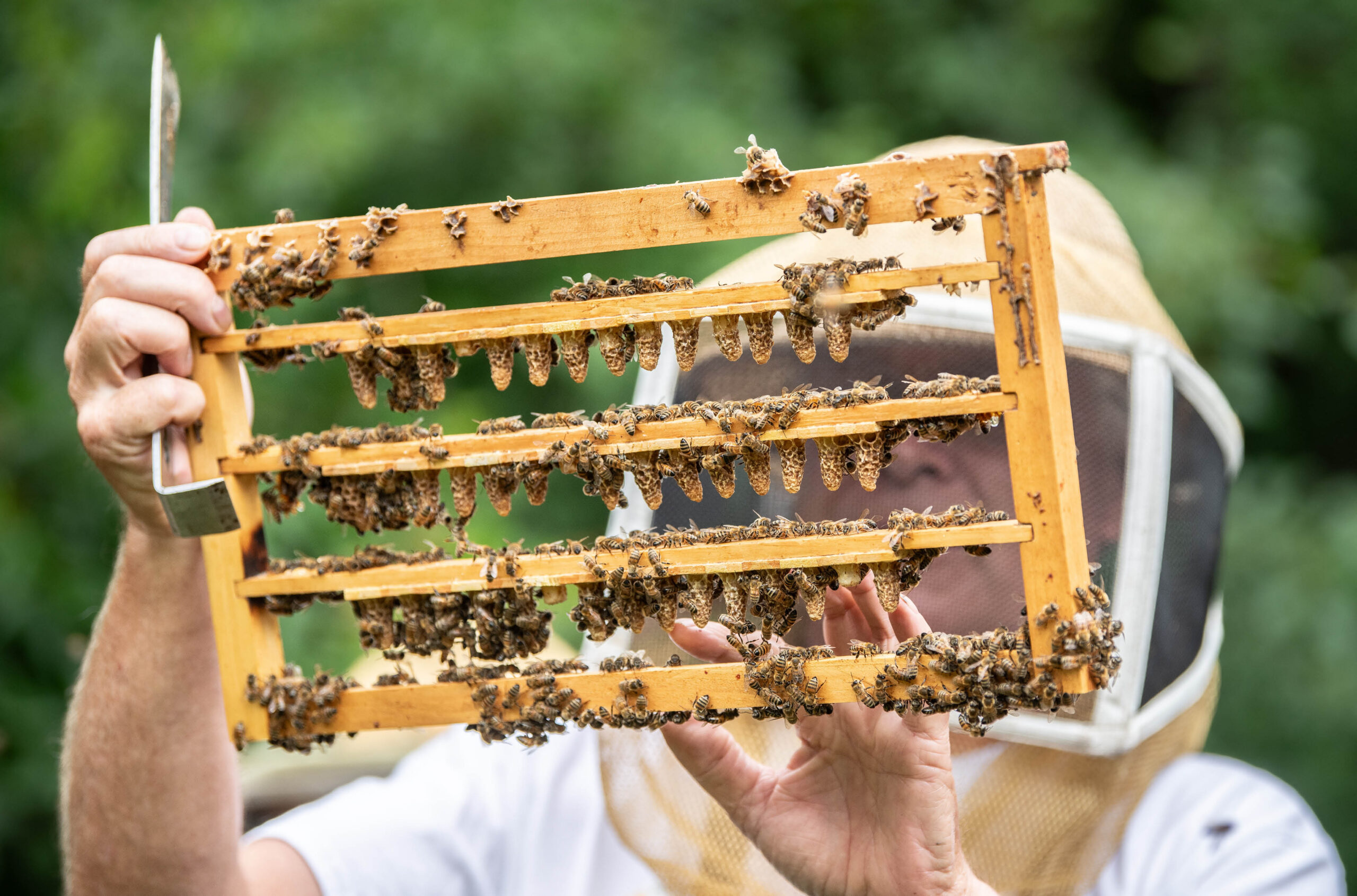
A look inside the hive: celebrating honey bee research at two Canadian universities
As MacEwan University marks 10 years of bees on campus, the University of Guelph kicked off the year by unveiling its newest centre for honey bee research.
-

Canada needs a national strategy to protect scholars at risk
Supporting displaced academics is a strategic investment in Canada's research and innovation ecosystem.
-
Proposed Alto rail route slashes through Queen’s field biology station
Federal government praises the wilderness station as ‘globally unique,’ considers cleaving it with high-speed train.
More from Feature articles
-
Two solitudes: Quebec Universities in WWII
Historical researcher explores English-French divide over Second World War.
-
U the North
Working together with Inuit, First Nations and Métis, university researchers are bolstering sovereignty and improving living conditions in the Arctic.
-
Degrees of Change
British Columbia’s funding pressures, shifting enrolment and policy reforms signal sweeping changes ahead for colleges and universities across the province.
-
Flight of the Valkyrie
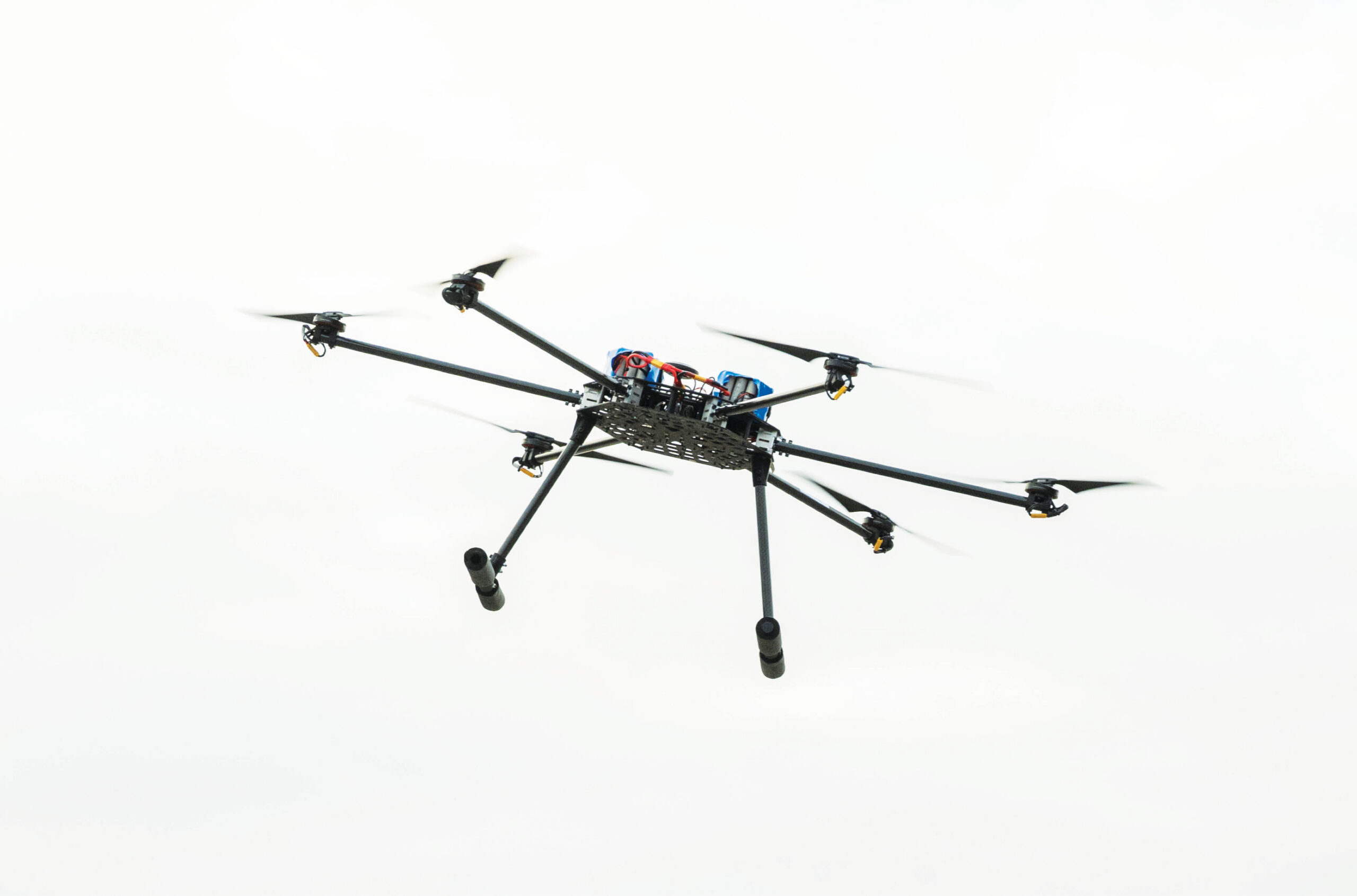
Waterloo engineering students compete for glory with an AI-enhanced urban firefighting drone.


Post a comment
University Affairs moderates all comments according to the following guidelines. If approved, comments generally appear within one business day. We may republish particularly insightful remarks in our print edition or elsewhere.