Aligning curricula with the workforce: the case against
Mazen Guirguis argues that the university should return to its Socratic roots.


This article is part of our Prof v. Prof summer debate series, where academics take opposing viewpoints on hot topics in higher education. Read all the articles from the series here.
The first few courses I took in philosophy were a revelation. Without any hint of what awaited me, I was thrown into a foreign universe of isms, each more spectacular than the next. Empiricism, rationalism, dualism, materialism — the list went on and on. I was hungry for ideas and ready to devour every new one that came my way. Most impressive of all were the isms named after people who once lived and breathed — Platonism, Cartesianism, Kantianism — for these spoke directly to my ego and fueled my sense of ambition. Initially, I found it hard to navigate the myriad arguments and opinions. I was persuaded by almost every position taken, until a rival view proposed to displace it. But eventually things settled down, and I found both my convictions and my prejudices.
The students I teach today do not lack enthusiasm, but many arrive on campus animated by aspirations of a different order: professional success, financial prosperity and the hope of finding a secure place in an increasingly volatile world. Those concerns are understandable, and often pressing. Yet the contrast is revealing. What struck me most as an undergraduate was the sense that university existed principally as a place for intellectual discovery. Now, it is often described as a pathway to employment and economic mobility. The change is not merely one of student priorities, but of institutional self-understanding, and it raises a broader question about the purpose of higher education: what, exactly, are universities for?
Policy makers emphasize labour-market outcomes, employers demand “work-ready” graduates, and students — facing rising costs and uncertain futures — seek degrees that translate into stable careers. Higher education is thus often reframed as machinery for “skills alignment,” as though its primary purpose were to inject human capital into the economy. Yet this conception marks a shift in how the purpose of the university has been understood: from a complex civic and scholarly institution toward a narrower training apparatus.
Historically, higher learning in Western traditions has never been reducible to vocational preparation alone. While the institutional form of the modern university emerged much later, the ideal of education as a pursuit of understanding can be traced to the Socratic emphasis on dialogue, inquiry and self-examination. Learning in this sense is not merely the acquisition of settled expertise, but the cultivation of reflective capacities through the search for knowledge. These ideals were subsequently developed through medieval and early modern traditions of scholarship before being rearticulated during the Enlightenment, when scientific investigation, liberal political theory and rights-based frameworks increasingly depended upon norms of public reasoning and critique. The university emerged from these overlapping intellectual currents while also serving the administrative and professional needs of society. Its identity has therefore long been dual: civic-intellectual and professional-technical.
Read also: Aligning curricula with the workforce: the case in favour
But contemporary debates tend to emphasize only one side of this duality. Universities are increasingly encouraged by governments and funding models to shape curricula in response to labour demand. While this may appear reasonable, problems arise when employment outcomes become the dominant measure of educational value. Markets are not neutral indicators of social need; they are dynamic systems shaped by technological and economic change. Skills in high demand today may quickly lose relevance, while new fields emerge in ways that are difficult to anticipate. Moreover, signals drawn from the labour market offer only a partial guide to human flourishing and development. Many socially valuable activities — such as civic participation, basic research and cultural preservation — produce long-term benefits that markets struggle to measure and reward. An educational system overly attuned to short-term pressures risks moulding itself to transient conditions rather than fostering the intellectual and moral capacities that endure amid changing circumstances.
More fundamentally, equating learning with employability compresses cognitive development into functional roles. Training prepares individuals to perform defined tasks within systems; education cultivates the capacity to evaluate those systems and imagine alternatives. This distinction is especially significant in democratic societies, where challenges like climate change, dignified governance and widening inequality require not only technical skills, but ethical judgment, historical perspective and political insight.
At the same time, the relationship between universities and labour markets is not antagonistic. Professional programs often require close integration with practice, and universities have long prepared students for skilled work in fields such as medicine, law and engineering. In addition, so-called “transferable skills”— critical thinking, communication, adaptability — are central to the productivity of rapidly changing economies. The irony is that these very skills are forged most directly through disciplines not easily reducible to immediate vocational outcomes. The humanities and social sciences do not oppose employability; they often sustain it over time by developing flexible forms of reasoning that remain valuable across occupations and throughout civic life. The central question, then, is not whether universities should serve economic purposes, but how those purposes are situated among others. Here, the danger is in overlooking the obvious: when materialistic influences become dominant, civic and educational functions are gradually degraded.
A more adequate conception of the university recognizes its plural role: economic prosperity, civic engagement, intellectual advancement and the cultivation of the self. These goods are not always aligned, and tensions between them will inevitably emerge. The task is not to collapse them into a single metric, but to make space for their negotiation.
The debate over higher education is ultimately a debate about what kind of society we wish to sustain. A university conceived primarily as a training centre treats knowledge as an instrument to predetermined ends. A university in the Socratic tradition treats knowledge as an activity of inquiry, criticism and discovery whose outcomes cannot always be anticipated in advance. Modern universities should serve economic and professional demands, but their deepest purpose is to preserve a space where society can reflect upon and contest the ends it pursues — especially when economic imperatives alone cannot tell us what is worth pursuing.



Featured Jobs
- Global Inequalities and Trade - Faculty PositionUniversité Laval
- Psychology - Assistant Professor (Clinical Psychology)Western University
- Director, Human Research Ethics & Strategic AdvisorUniversity of Manitoba
- Theatre and Film - Assistant Professor Without Review (Performance Practice)The University of British Columbia
- International Studies - Faculty Position (Arctic Defence and Security)Université Laval
More from Opinion
-

Faculty well-being in the age of GenAI
When every student has an AI assistant, the writing teacher's job becomes both harder and more essential.
-
Committee’s EDI recommendations are based on flawed logic
Excellence must be sufficiently rigorous and inclusive to identify talent wherever it exists.
-
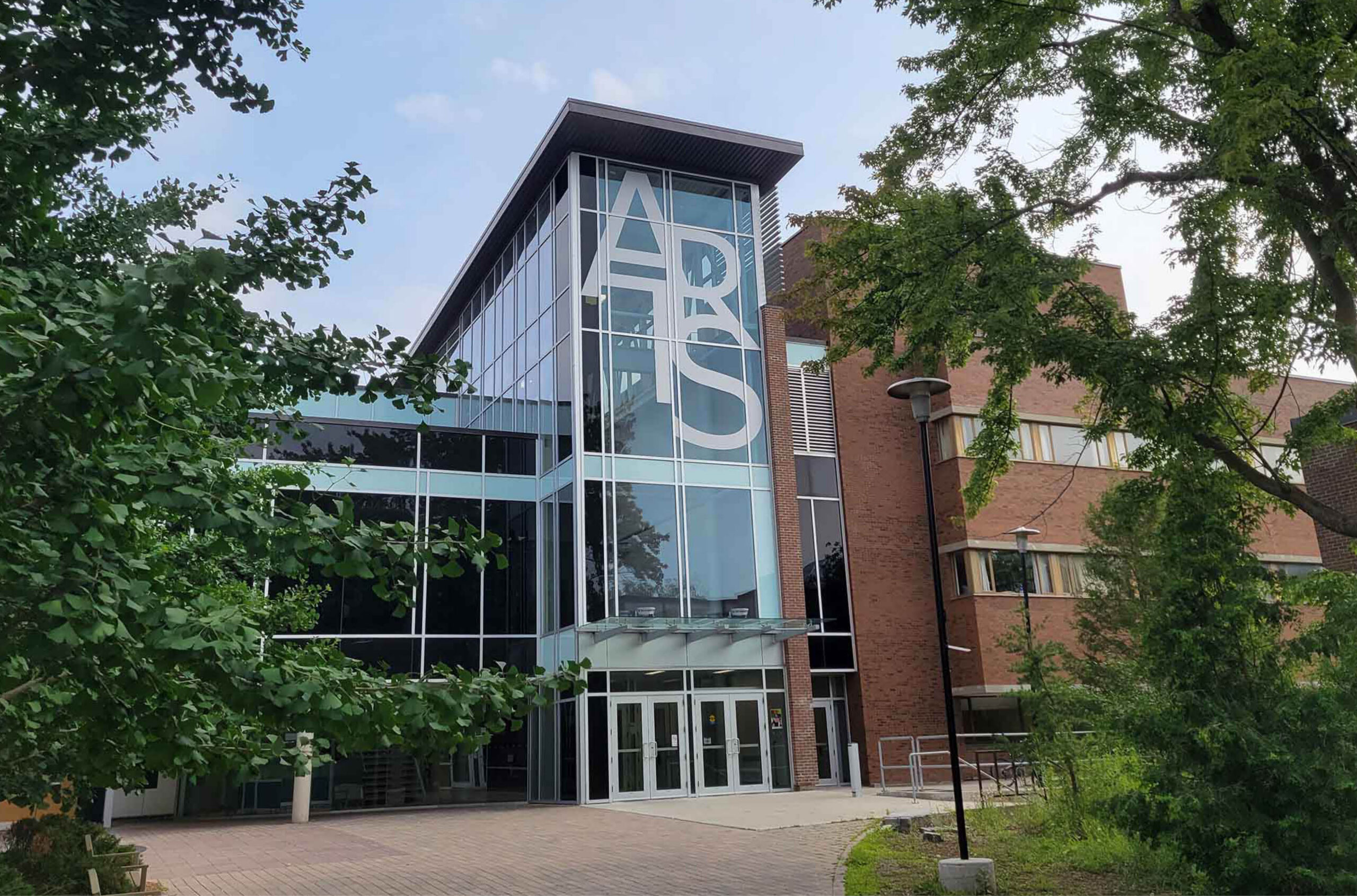
Building resilience in Arts through interdisciplinary collaborations
In a technology-enabled future, Arts faculties have an opportunity to demonstrate their relevance by making collaboration across disciplines easier and more visible.
-

Science in French? Bien sûr!
As English dominates the publication landscape, support for French-language research is a strategic investment in the quality, equity and the future of knowledge.
More from Teaching
-

Good medicine: new programs train country doctors
Université de Montreal follows Queen’s prescription to heal the shortage of family physicians in rural areas.
-

Level Up Learning
Amélie Vallières investigates how story-driven video games can support learning and build identity.
-

Aligning curricula with the workforce: the case in favour
Matthew McKean and Valerie Walker argue that students aren't choosing between learning and work, so why should universities?
-

Why some people succeed at university without being the ‘top students’
How to help students navigate the unwritten rules of the academy.
More from Prof v. Prof
-
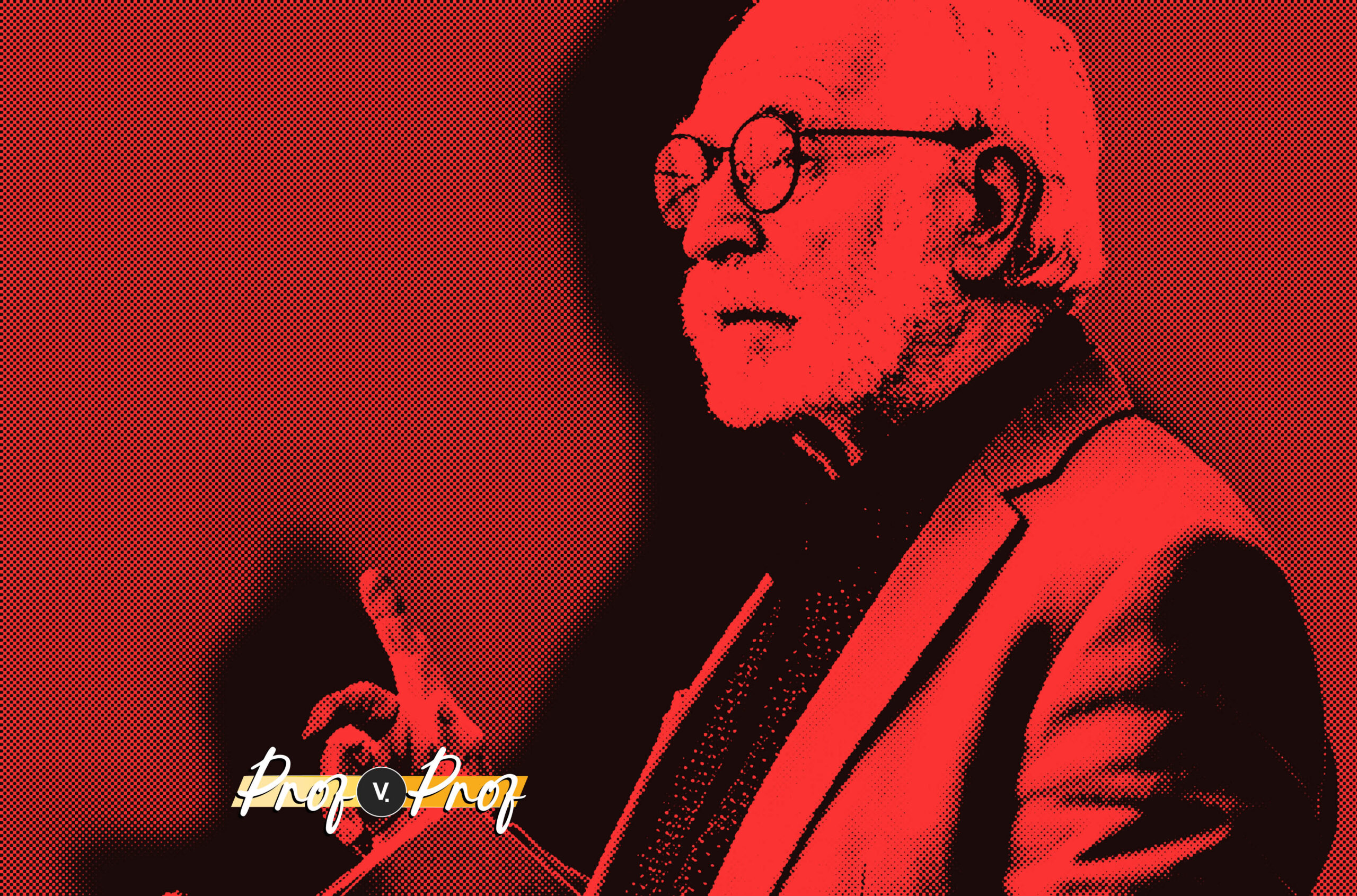
Mandatory retirement: the case against
Joe Norris argues that forcing academics to retire is a form of systemic violence.
-
Mandatory retirement: the case in favour
Jamie Paris argues that guaranteed employment for life skews the age balance of the professorate while enabling the exploitation of early- and mid-career scholars.
-

AI in universities: the case in favour
Joël Blit argues integrating AI into curricula and pedagogy can make universities more human, not less.
-

AI in universities: the case against
Ping Lam Ip and Andrea DeKeseredy argue generative artificial intelligence has no place in higher education.


Post a comment
University Affairs moderates all comments according to the following guidelines. If approved, comments generally appear within one business day. We may republish particularly insightful remarks in our print edition or elsewhere.
1 Comments
I agree with Professor Guirguis that universities should not focus simply on current workplace needs or requirements. As I noted in a University Affairs article at the beginning of last year, what we are really teaching our students are “skills for life”. (See: Barnfield, A. What I really teach. https://universityaffairs.ca/opinion/what-i-really-teach/ )
As Guirguis notes, markets are “dynamic systems”, and subject to rapid change. The currently fashionable ways of doing things change or die out, it is the “overall” skills (critical thinking, reasoning, communications, etc.) learned in universities which will be of use always.