The Nuisance Variable
Two-thirds of Alzheimer’s patients in Canada are women. Why does research still treat them as an afterthought?
At her retirement party, Susan Boughs spoke excitedly about the future. After 30 years practicing law in Calgary, she was moving to Ontario to be closer to her sons, Mitch and Jake, and to welcome her first grandchild. She planned to tutor at-risk youth, travel and reconnect with old friends. None of it came to pass.
Unbeknownst to her family, Susan was developing Alzheimer’s disease. Within months, what had seemed like harmless quirks — misplacing keys, struggling to stay organized, saving every receipt — became unmistakable signs of decline. By the time she reached Toronto, conversations couldn’t be kept up and memories impossible to recall. She spent hours on the phone each day with her sons and brother, her voice filled with loneliness, fear and confusion. “Her world was just collapsing,” says her son Jake. “But the toughest moments were the lucid ones. Once she turned to me and said, ‘I’m a real loser, aren’t I?’ It just broke me.”
Alzheimer’s disease is a neurodegenerative disorder that destroys brain cells, causing cognitive ability and memory to decline over time. More than 120 years after it was first diagnosed in a 55-year-old German woman, Auguste Deter, researchers continue to unravel the disease’s biology. We now know that harmful protein deposits, called amyloid plaques and tau tangles, are hallmarks of the disease, and a gene variant (APOE4), is the strongest known risk factor for developing late onset of the disease. Scientists have also discovered that Alzheimer’s, which makes up 80 per cent of all dementia cases, can develop years — if not decades — before symptoms first appear. These advances helped pave the way for the first symptom-treating drugs in the 1990s.

That work is driven by neuroscientists such as Gillian Einstein, professor of psychology at the University of Toronto and Canada’s inaugural Wilfred and Joyce Posluns Chair in Women’s Brain Health and Aging. In 1984, Dr. Einstein had recently earned her PhD in neuroanatomy and the visual system and was completing a second post-doctoral fellowship at Duke University when she noticed something peculiar. The lab was collecting brains for autopsy to study a region called the extrastriate cortex, a part of the visual system that, unusually, is affected by Alzheimer’s. As the afflicted brains came in, one after the next, Dr. Einstein made a striking observation:
“Most of the brains that were coming to us were women’s brains,” she says. “And so I asked myself the question: Why do more women than men have Alzheimer’s disease?”
Forty years on, that question has become remarkably urgent. Canada is shuttling towards one million people living with Alzheimer’s or another form of dementia by 2030 — and more than two-thirds of those diagnosed with Alzheimer’s disease are women.
Yet researchers are only slowly, but increasingly, recognizing sex as an important factor in Alzheimer’s risk and progression. This is due to the uphill march of scientists like Dr. Einstein who have fought for decades to have sex differences — that is, the cellular composition of females and males — recognized by the scientific community as credible, worthy and fundamental science. But the consequences of neglecting female bodies in clinical trials (and, to this day, rodent models) extends far beyond the laboratory.
In the past five years, two medications have entered the market that can — albeit modestly — slow Alzheimer’s disease progression. Unfortunately for 51 per cent of the Canadian population, only one of those medications works effectively in women.
Bikini medicine
When Liisa Galea walks into grocery stores, the automatic doors stay shut. She’s shorter than the average woman. But when she raises her arm and waves her hand over her head, they open. “There’s a metaphor for my life!” she says.
To Dr. Galea, a neuroscientist and lead of the Women’s Health Cluster at the Centre for Addiction and Mental Health in Toronto, Canada’s largest mental health hospital, the experience is one example of how the physical world reflects a gender bias in design: it’s built for the height of the average man. It’s no surprise to her. Much of her career is devoted to combatting the same bias in health research, data collection and analysis.
That bias can be traced back to a centuries-old belief that the only difference between the male and female body is reproductive organs. This assumption has shaped decades of research, narrowing women’s health to reproduction while sidelining areas such as brain health, autoimmune disease and cardiology. Among critics, it’s referred to as “bikini medicine” because of its diminution of women’s health to simply those areas covered by a two-piece bathing suit.
“There has always been a long-standing view: if we talk about brains, why do we really need to study men and women? Our brains are the same, right? We have two arms. Two legs. The only thing that is different is a penis and a vagina,” she says.
“But XX versus XY is in every single nucleated cell in our body; in your lungs, your heart, your kidneys and all areas of your brain.”
A note on sex and gender
Sex refers to biological characteristics, including chromosomes, hormones and reproductive anatomy, and is most commonly categorized as male or female. Gender refers to the socially constructed roles, behaviours, expressions and identities of girls, women, boys, men and gender-diverse people. Both can influence health outcomes: biological differences can affect disease risk, symptoms and responses to treatment, while gender norms and inequalities can shape exposure to health risks, access to care, diagnosis and treatment.
Source: Canadian Institutes of Health Research
A globally recognized researcher on how hormones affect the brain and behaviour, Dr. Galea was among the first to study how pregnancy and motherhood shape the aging brain. Her work has shown that female and male brains age differently due to hormonal variations, stress responses and immune signalling which influences memory, depression and neurodegenerative diseases such as Alzheimer’s. She also designed the first rodent model for postpartum depression.
In 2021, Dr. Galea, then at the University of British Columbia (UBC), had her students analyze 3,193 papers published across six leading psychiatry and neuroscience journals. They found that, in 2019, a paltry 3 per cent focused solely on females.
The acceptance of the male “norm” as standard human biology is so deep-rooted that it permeates medical education. Medical texts typically default to the male standard, and when females are depicted, it’s often limited to examples of reproductive anatomy. While there have been improvements in Canada, in 2021 only 8.6 per cent of program overviews and course descriptions across 16 medical schools referred specifically to “women’s health.”
Without sex-specific data, health care providers rely on incomplete scientific evidence, making it difficult to appropriately diagnose and treat people who present symptoms outside the classic male pattern. The Heart and Stroke Foundation of Canada reports that half of women who experience a heart attack have symptoms go unrecognized, for example, while new research suggests Alzheimer’s disease may be harder to detect in women because they perform better on verbal memory tests, which can mask early disease onset.
A landmark population-wide study from the University of Copenhagen shows the scale of these medical blind spots. Researchers analyzed the hospital visits of seven million Danish individuals over 21 years and found women are diagnosed on average four years later than men across more than 700 disorders. For cancer, that diagnosis comes 2.5 years later. For ADHD, it’s six years.
“And still there are researchers out there that say we shouldn’t study sex at all,” says Dr. Galea, “that sex has nothing to do with biology.”
Sex differences are to be enjoyed
Jeff Mogil was waiting to go out for drinks with colleagues from the University of California, Los Angeles. It was 1991, and the now-famed pain researcher worked in a lab that, unusually, had both male and female mice. At the time, approximately 80 per cent of animal studies were performed solely on males, but to save money, Dr. Mogil’s supervisor bred mice instead of buying them. “And what are you going to do? Throw half of them away,” he says, referring to the practice of euthanizing “the breeders,” still common in biomedical research.
Mice are central to neuroscience because they share a considerable amount of structural organization and genetic information with humans, allowing researchers to manipulate their genomes and build models of human diseases.
Luckily the young post-doc had written down the sex of each mouse the lab was testing on for a potential pain-relieving drug. With a few minutes to spare, he ran an analysis to see if sex influenced the outcome. It took seven-and-a-half minutes.
“Our moderate effect was a complete drug effect in male mice and there was absolutely nothing in female mice.”
Despite Dr. Mogil’s excitement, his supervisor sought to convince him to forget the results. “And he said something to me I’ll never forget: ‘Sex differences are to be enjoyed, not studied,’” he recalls. “Fortunately for my career, I didn’t listen to him.”
“There is a systemic exclusion of women, female bodies and women’s experiences from our health research ecosystem.”
That discovery is among the most influential in the history of pain science: males and females process pain differently. The scientific establishment, however, has been slow to follow Dr. Mogil’s example. Although the U.S. National Institutes of Health began mandating the inclusion of women in human trials in 1993, no comparable requirement applied to animal models.
But Dr. Mogil, who now runs his own lab at McGill University, remained adamant, imploring his peers to include both sexes. “Basic scientists are shirking their responsibilities to half the human population by avoiding the use of direct animal models of them,” he wrote in 2005. A decade later, discovering no improvement, he lamented in the renowned science journal Nature, “researchers have an obligation to attempt to solve the problems that are important to society.”
“Most patients with pain are women.”
It’s a myth
The pain discovery demonstrates perhaps the most egregious oversight in the women’s health gap: female subjects remain underrepresented even in animal models of female-prevalent diseases. Nowhere is this practice more prevalent than in neuroscience. Although women are vastly more likely to be under- or misdiagnosed for neurological disorders, male-only studies outweigh female-only studies five to one. There are several reasons (or to critics, excuses) for why this gap persists.
The predominant explanation is that the hormone cycle in females is more variable than males. Similar to the menstrual cycle in humans, female mice have a four-day fluctuation in hormones (specifically estrogen and progesterone) known as the estrous cycle. This cycle, it is assumed, causes excessive variations in behaviour, brain function and responses to drugs and treatment. The only problem with that rationale is it’s empirically false.
“It’s a myth,” says Dr. Galea. “In rats, mice, and in humans, there is no difference: males are equally variable.”
While hormones in female mice cycle over four days, male hormones such as testosterone and corticosterone (a stress hormone) can change dramatically over 24-hours. Male mice also have sex-specific behaviours that introduce variability, such as cage fighting to establish dominance, which increases stress and hormonal responses.
“Females may be more complicated in one way, but male mice are more complicated in another way,” says Dr. Mogil, adding, “virtually every sex difference I’ve found in the last 10 years has been testosterone linked.”
Yet the belief that females are too hormonal — too complicated — is deeply entrenched: in the studies analyzed by the UBC team in 2019, “reducing variability” was the leading rationale for single-sex studies. Although the findings revealed some improvements, such as a 30 per cent increase in studies that included both sexes, simply adding females doesn’t guarantee researchers can detect differences between the sexes.
To do so, studies must be statistically “powered” for sex — meaning they include a large enough sample size of each sex to reliably identify whether males and females respond differently to an intervention. An optimal design would involve at least an equal number of each sex — yet only 15 per cent of papers reviewed at UBC included a balanced ratio, while an even smaller fraction (5 per cent) examined whether sex had an impact on experiment outcomes.
Rather than treating sex as a variable of interest, known as a “discovery variable,” it is assigned as a “covariate,” or factor that influences results but isn’t the intention of the study. Scientists then control for sex, leaving it out of the analysis.
“People say: that’s a nuisance variable,” says Dr. Galea. “We don’t care about it. Let’s take it out.”
A second common explanation is that including both sexes requires researchers to double their sample size, thereby increasing costs. But Dr. Mogil argues that, to keep costs at par, researchers can simply include a 50-50 split between male and female mice. That is enough to detect large sex differences — “the low-hanging fruit.” If no major discrepancies are discovered, researchers can combine the data and analyze the group as a whole, without having lost anything by including both sexes in the first place.
Still, the science community remains reticent, to the dismay of Dr. Mogil. “By all means, continue doing all your experiments in males. You’re just opening the door for me or someone like me to come along a few years later and point out that what you published is half wrong.”
Individual researchers aren’t entirely to blame. Academics depend on publishing studies in high-profile journals for career advancement. By sticking with males only, researchers insulate their labs from the potential ‘risk’ of identifying sex differences that could muddy their data — potentially slowing or preventing publication. Such was the situation with Dr. Mogil’s supervisor: the researchers had taken something that they could explain (that the pain drug works moderately in all mice) and turned it into something that they couldn’t explain (that the drug works in males and not females).
These practices can have serious negative consequences when research advances from animal models to clinical trials involving humans. “Those drugs are going to work in men but not women, so the trial is going to fail,” according to Dr. Mogil. “And they are never going to know why because they didn’t even look most of the time.”
This not only increases the costs but creates risks to human health, as clinical trial data informs the development of medications. McKinsey Health Institute (MHI) found that, since 1980, medications withdrawn for safety reasons are 3.5 times more likely to be removed because of safety risks to women patients as compared to men.
One of the clearest examples of this is Ambien, a sleep medication approved by the U.S. Food and Drug Administration in 1992. The standard adult dose, 10 mg, was prescribed to all adults regardless of sex, until the agency received reports of impaired driving ability in women. After additional trials discovered women metabolize the drug more slowly, the dosage was cut in half for women — two decades after its initial approval.
“They’re including females, they’re just not learning anything,” says Dr. Einstein. “And that’s true for the new Alzheimer’s drug, for example.”
Checkbox exercise
When Angela Kaida was pursuing her PhD at UBC in the early 2010s, the experiences of women living with HIV were largely overlooked. “People don’t think about HIV as a virus that affects women,” says the global epidemiologist, “but actually there are more women living with HIV in the world than there are men.”
Dr. Kaida’s research has shone a light on how HIV-positive women experience stigma and discrimination in clinical trials — a pattern that, she says, echoes across the health research landscape. “I’ve come to learn it’s not specific to [HIV research],” she says. There is a systemic exclusion of women, female bodies and women’s experiences from our health research ecosystem.” Today, Dr. Kaida, now a Canada Research Chair Tier 1 in HIV and Sexual & Reproductive Health Equity at Simon Fraser University, is focused on shaping policies to address this exclusion.
Since the late 1990s, Canada has introduced a series of guidelines aimed at narrowing the women’s health gap. Health Canada adopted its Gender-Based Analysis Policy in 2000, requiring the department to consider how its initiatives might affect men and women differently. That approach evolved into Sex and Gender-Based Analysis (SGBA) in 2009, which now considers how sex and gender interact with factors such as race, age, disability, geography and socioeconomic status to shape health outcomes.
“This isn’t some sort of woke exercise. It’s fundamentally about the best science for the best health.”
The Canadian Institutes of Health Research (CIHR), Canada’s funding agency, went further. In 2013, it began requiring grant applicants to consider sex and gender in research designs, which became part of the scoring criteria for funding applications in 2019. By 2022, 90 per cent of CIHR funding applications integrated sex and 40 per cent integrated gender at the application stage.
Dr. Kaida, who directs the CIHR’s Institute of Gender and Health, says the agency has also invested in SGBA training for applicants and peer reviewers, from the basics — such as defining sex and gender — to best practices for identifying sex differences, “so we can hold ourselves to a higher standard.”
Critics such as Dr. Galea, however, argue that many researchers are simply “checking boxes” to increase their chances of receiving funding. The guidelines, she points out, don’t mandate female exclusion: researchers must explain whether sex and gender are relevant and justify their approach, but face no consequences for excluding sex and gender from study analyses.
Still, Dr. Kaida says SGBA has led to a “huge improvement” in awareness. “This isn’t some sort of woke exercise,” she adds. “It’s fundamentally about the best science for the best health.”
Ottawa has also invested directly into women’s health research. In 2021, the federal government made what it called a “first-in-a-generation” investment of $26.9 million in the National Women’s Health Research Initiative, supporting 58 research grants in historically under-researched areas. But advocates say the funding falls far short of what is needed. “My ultimate goal in life is to have commensurate funding into women’s health,” says Dr. Galea. “But as a society we don’t value women’s health research.”
The numbers bear out some of that concern. Even with policy changes and growing awareness, female-specific grants accounted for just seven per cent of CIHR-funded projects in 2023, despite the significant financial cost of diseases that disproportionately impact women, such as Alzheimer’s.
Funding for female-specific grants by health condition, 2009 – 2023
Grants total 7 per cent of $6.9 billion awarded by CIHR
The annual economic burden in Canada of dementia alone is close to $40 billion from health-care costs, unpaid caregiving and lost productivity. That’s equivalent to the economy of a small province, or more than 10 times the annual budget of the federal research granting councils combined.
The estrogen effect
The funding gap is even more pronounced in Alzheimer’s research. An examination of CIHR-funded projects over 15 years found that just eight of 10,629 projects focused specifically on Alzheimer’s disease and dementia in females. These projects accounted for only 0.09 per cent of the total $6.9 billion in taxpayer-funded health research awarded over that period.
Despite limited funding, researchers are making important discoveries in understanding how the disease progresses in females.
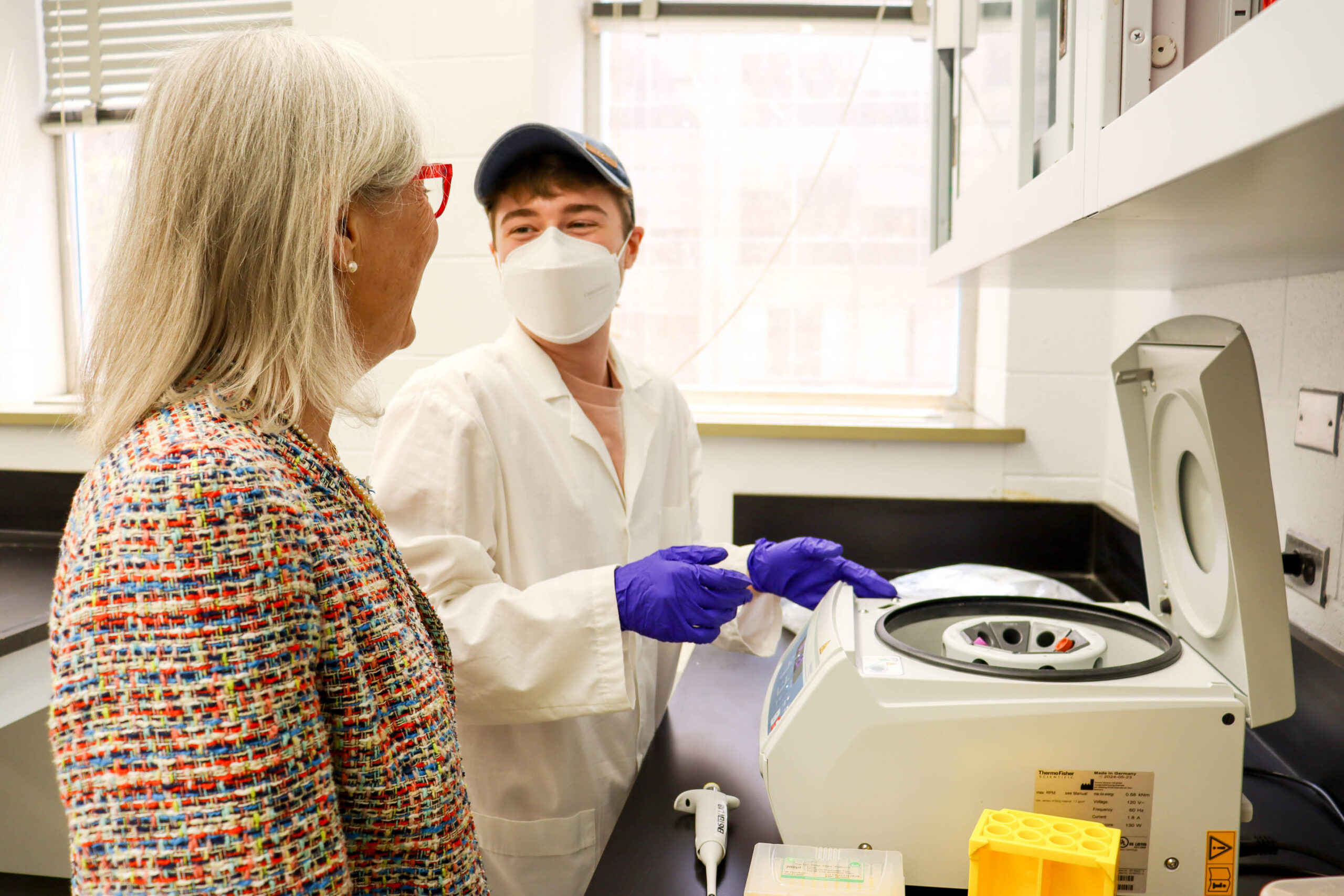
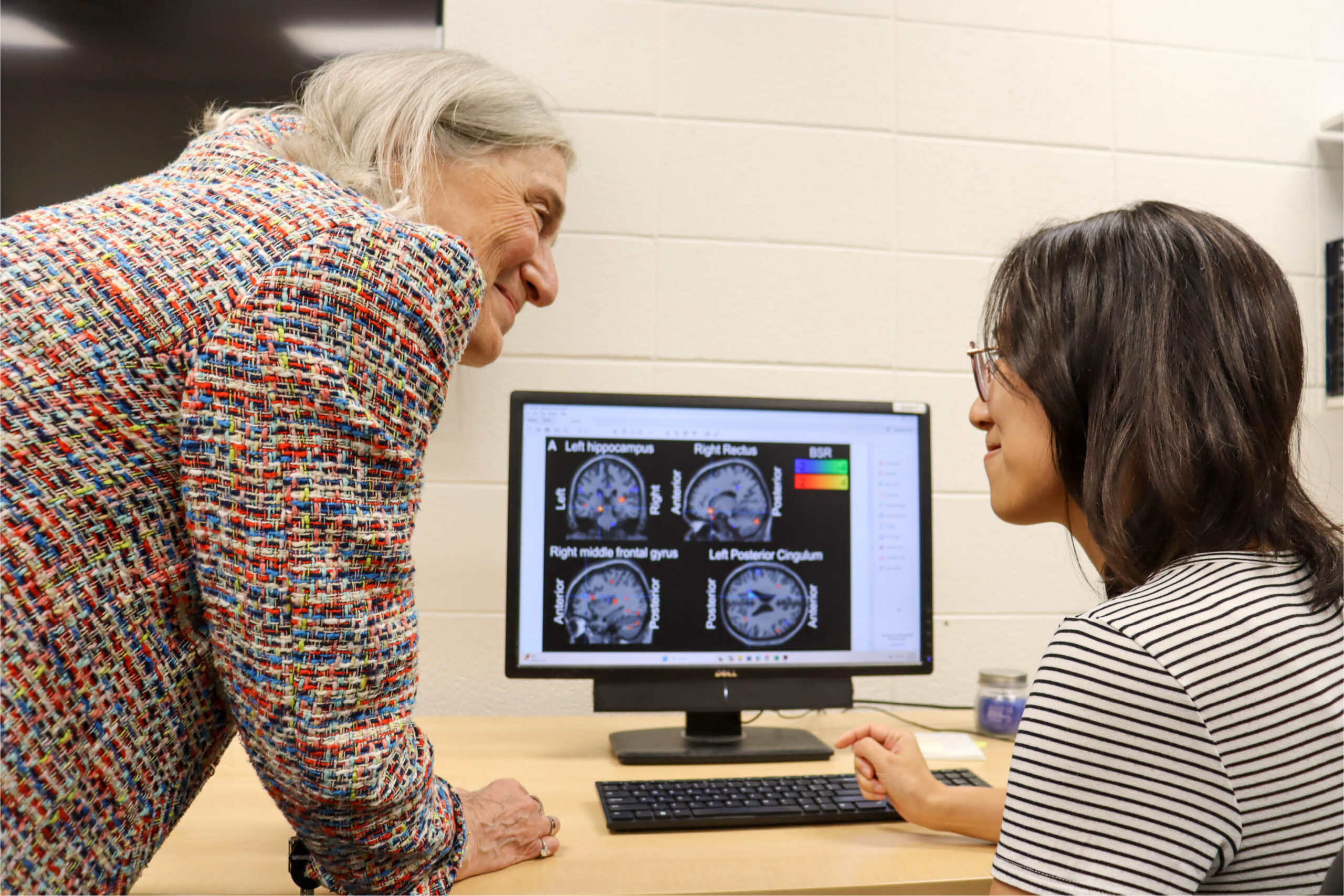
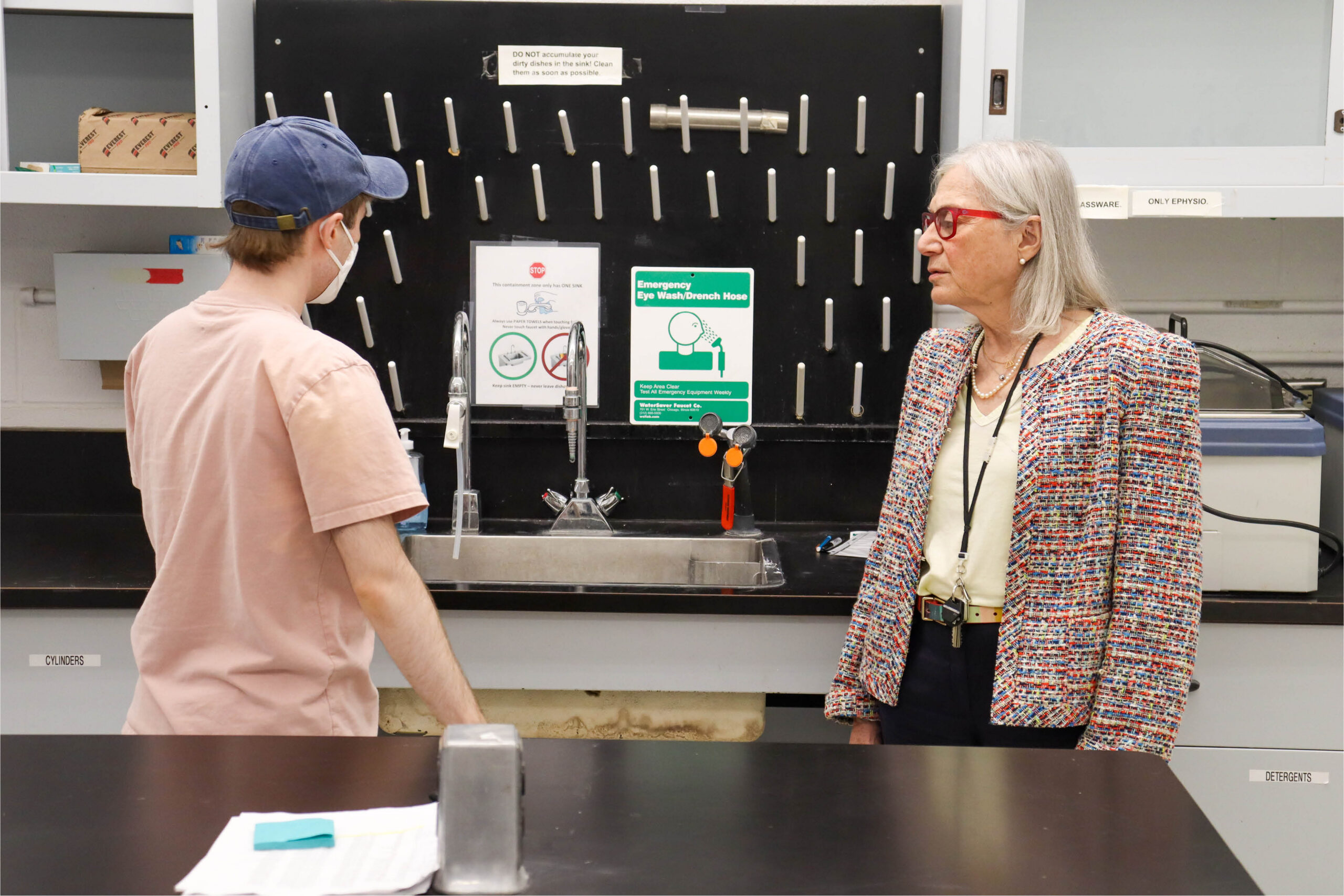
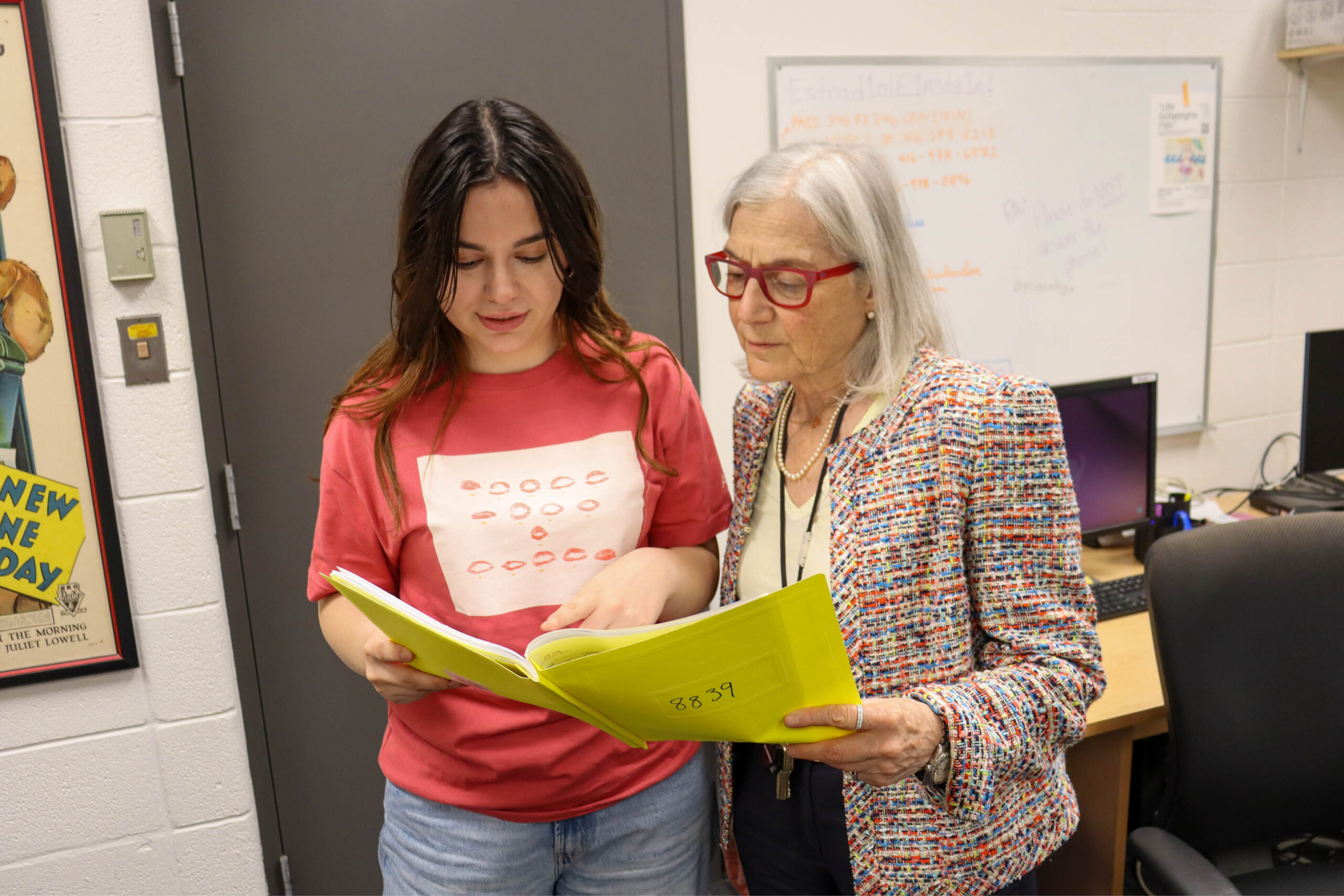
Research by Dr. Einstein, for one, has contributed to a growing body of evidence demonstrating the fundamental role that estrogen plays in the aging brain. Estrogen (or estradiol) helps shape connections between neurons in the hippocampus (a key brain region affected by Alzheimer’s) and increases dendric spines, or the structures that allow brain cells to communicate. When aging female rodents are given estradiol, the density of these spines goes up, which helps strengthen the neural networks involved in learning, memory and navigating new environments. In males, however, it goes down.
“This in itself might be an indication to us that we might want to develop different treatments for Alzheimer’s disease in women and men if we want to increase spine density and maintain neuronal survival,” says Dr. Einstein.
Several studies have helped to establish that a woman’s lifetime exposure to estrogen — via contraceptives, the number of births she has, or hormone therapy — may influence her risk of developing Alzheimer’s disease. The early removal of both ovaries, which triggers menopause, can increase that risk, because the surgery abruptly severs the connection between estrogen-producing ovaries and the brain. Similar research has shown that women who undergo surgically induced menopause at a younger age experience faster cognitive decline, more amyloid plaques and tau tangles and greater brain volume loss — particularly in regions involved with memory and decision-making. That risk is especially pronounced among women carrying the APOE4 gene variant, revealed Dr. Einstein’s research, with those who had their ovaries removed and who carried the gene facing up to four times the risk of developing Alzheimer’s disease.
Beyond ‘perfect’
The Alzheimer’s example lays bare the consequences of overlooking sex differences — and how better data could help direct investment into historically neglected areas. The Canadian Consortium on Neurodegeneration in Aging (CCNA), a coalition of research teams across the country, is working to address these gaps. With a mix of funding from the Canadian government and private partners, the consortium is following close to 1,200 Canadians living with or at risk of developing dementia. The goal is to look beyond the “perfect” cases of Alzheimer’s disease — to understand how it affects people in the real world, with multiple health conditions, hormone histories and genetic backgrounds. The findings could help clinicians better identify who is most at risk and develop the best diagnostic tools.
“Women are done suffering. They’re done dying when they don’t need to.”
Dr. Einstein leads the CCNA’s Sex and Gender Hub. “Our mission is to get everybody who’s doing this research to consider sex and gender, and to help them do it as well as possible.”
Beyond the research community, women’s health advocates are also mobilizing. In July of 2025, IWK Foundation president and CEO Jennifer Gillivan helped convene more than 40 leaders from across research, philanthropy, advocacy and health-care delivery to craft a proposal to the federal government to establish a national women’s health equity strategy.
She says that without coordination, fragmented efforts — such as the National Women’s Health Initiative — will fail to deliver meaningful benefits for Canadian women. “When you find out that less than seven percent of all CIHR research money makes up anything specific to women’s bodies, and when women make up 50 per cent of the workforce and the tax base, it’s not a good return on investment. Full stop.”
Women's Health Gap by Province
The total potential GDP impact of closing the gap in Canada is $37 billion by 2040.
The investment disparities are borne out by Canadian women, who spend 24 per cent more time in poor health than men, the MHI reports. Closing that gap would mean one more week of healthy life for every Canadian woman. “Women are done suffering,” says Ms. Gillivan. “They’re done dying when they don’t need to.”
For families like the Boughs, the consequences are measured in precious time lost to a disease that might have been recognized — and perhaps treated — much sooner.
By the time Susan was diagnosed, more than a decade had passed since her first symptoms, and the warning signs stretched back even further. She carried a genetic risk — her father had Alzheimer’s, though she rarely spoke about it — and lived with several factors now linked to dementia: untreated hearing loss, chronic stress, poor sleep, limited exercise and social isolation driven by the demands of work, single motherhood and caregiving.
When she finally received symptom-treating drugs, it was too late for them to make a meaningful difference. “The saddest part is having a bit of hope that maybe we can stabilize it — that maybe we can stop the drop and keep her here, at this stage, as long as we can,” Jake says.
“But the reality is you have no control. It’s like a plane whose engines have cut out. You might catch an updraft, but it’s only going in one direction.”

More from Features
-

Quebec universities: 60 years of change
From the Quiet Revolution to the present day, universities have profoundly transformed Quebec society. As a provincial election rapidly approaches, we reflect on their changing mission over six decades of often tense history.
-

A bridge to human rights
IDRA scholarship winner Karen Spring studies Central American communities seeking redress for harms caused by major development projects.
-

Heat waves and brain waves
IDRA scholarship winner Tianqi Zhao studies climate change and mental health in South Africa.
-

Take me to the river
IDRA scholarship winner Peter Duker studies community fishing practices in Thailand.
More from Research
-

How serendipity built a cross-disciplinary career
Taking research positions out of economic necessity allowed me to gather a broad set of skills and knowledge.
-

Science in French? Bien sûr!
As English dominates the publication landscape, support for French-language research is a strategic investment in the quality, equity and the future of knowledge.
-

From doctoral student to entrepreneur
Resources abound to help you turn your PhD research into a business startup.
-

Ottawa announces 64 new research chairs in international talent attraction strategy
Top-tier researchers from 13 countries to join Canadian universities in first wave of appointments.
More from Feature articles
-

Two solitudes: Quebec Universities in WWII
Historical researcher explores English-French divide over Second World War.
-

Northern Shift
The alarming rise of far-right movements in Canada.
-

How social movements shape Canadian universities
A history of clashes, challenges, and lessons learned.
-
U the North
Working together with Inuit, First Nations and Métis, university researchers are bolstering sovereignty and improving living conditions in the Arctic.


Post a comment
University Affairs moderates all comments according to the following guidelines. If approved, comments generally appear within one business day. We may republish particularly insightful remarks in our print edition or elsewhere.