Waterloo battery researcher wins Canada’s top science prize
Linda Nazar receives NSERC Herzberg Gold Medal for research on cutting-edge energy storage technology.

University of Waterloo chemist Linda Nazar, whose pioneering research has advanced the development of next-generation batteries, has been awarded NSERC’s Gerhard Herzberg Canada Gold Medal for Science and Engineering, the federal agency’s highest honour.
Dr. Nazar, a distinguished professor in the department of chemistry, is being recognized for more than three decades of research that has helped transform battery science, paving the way for safer, more powerful and sustainable energy storage technologies.
The medal, awarded annually by the Natural Sciences and Engineering Research Council of Canada (NSERC), recognizes sustained excellence and influence in Canadian research. It comes with up to $1 million in research funding over five years.
“To me, it’s the highest honour in Canada because, of course, it’s the award that takes into account all of science and engineering,” said Dr. Nazar. “I’m just incredibly thrilled and pleased and delighted and honoured by this award.”
The announcement of the Herzberg medal winner marks the culmination of a star-studded week for Canadian scientists, which began with the announcement of the Arthur B. McDonald Fellowship winners on Monday and the Synergy Awards for Innovation laureates on Tuesday. On Wednesday, NSERC announced the winners of the Brockhouse Canada Prize for Interdisciplinary Research in Science and Engineering, the Donna Strickland Prize for Societal Impact, and the John C. Polanyi Award.
Dr. Nazar has spent much of her career tackling one of the biggest challenges in renewable energy storage: developing batteries that can store more electricity, last longer and operate safely.
In the early 2000s, her research helped advance understanding of lithium iron phosphate, a material which is today widely used in lithium-ion batteries in electric vehicles. Lithium-ion batteries also power smartphones and laptops and are used in grid-scale energy storage and in military and aerospace applications.
But the technology comes with considerable disadvantages. Lithium-ion batteries can overheat and catch fire, their performance deteriorates over time, and production relies on a fixed supply of critical minerals whose extraction imposes significant environmental damage.
To overcome these limitations, Dr. Nazar turned her sights on advancing lithium-sulphur batteries, which use relatively more abundant, inexpensive sulphur instead of costly cathode materials such as cobalt and nickel. The technology has the potential to store considerably more energy by weight than conventional lithium-ion batteries, making it particularly promising for applications where battery weight matters.
Her landmark research helped establish the scientific foundations for lithium-sulphur batteries. A seminal paper she co-authored has been cited nearly 6,000 times.
“It opened up that field, which hasn’t been as successful in terms of commercial endeavours because it’s a really difficult technology, but we established that groundwork,” said Dr. Nazar.
She has also led breakthroughs in zinc-ion, sodium-ion, lithium-oxygen and magnesium battery chemistries, uncovering how ions and electrons move through complex materials.
Her recent work on solid-state batteries has been equally, or arguably more, influential. She and her research team have developed new classes of superionic conductors, revealing the principles that enable ions to move rapidly through solid materials and across the interfaces where solid materials meet. Dr. Nazar’s discoveries have helped overcome key scientific barriers to developing safer, high-energy batteries and brought the technology closer to commercialization.
Alongside her fundamental research, Dr. Nazar has collaborated with major industrial partners consistently throughout her career, including Toyota, General Motors, BASF and Nissan. She is currently working with Solid Power, a Colorado-based solid-state battery company.
She said these partnerships help academic researchers better understand the practical challenges facing industry, while emphasizing the importance of pursuing scientific discoveries beyond immediate commercial needs.
“Academics always have a different focus of things, and they sometimes don’t see what industry really needs,” she said. “But at the same time, industry often can be quite short-sighted.”
Dr. Nazar joined the University of Waterloo in 1987 and has remained in Canada despite opportunities to work abroad.
“I’m Canadian, and I like it here,” she said.
Today, her Waterloo research group includes approximately 20 researchers working across materials science, computational methods and battery fabrication.
“I would say that actually right now is probably more exciting than it ever has been,” she said. “The opportunities are immense, and the challenges are immense, and it’s really quite exciting.”



Featured Jobs
- Theatre and Film - Assistant Professor Without Review (Performance Practice)The University of British Columbia
- International Studies - Faculty Position (Arctic Defence and Security)Université Laval
- Global Inequalities and Trade - Faculty PositionUniversité Laval
- Canada Impact+ Emerging Leader in Quantitative and AI-enabled Electron Microscopy for Quantum and Advanced MaterialsMcMaster University
- Toldo Chair in Christian StudiesAssumption University
More from News
-
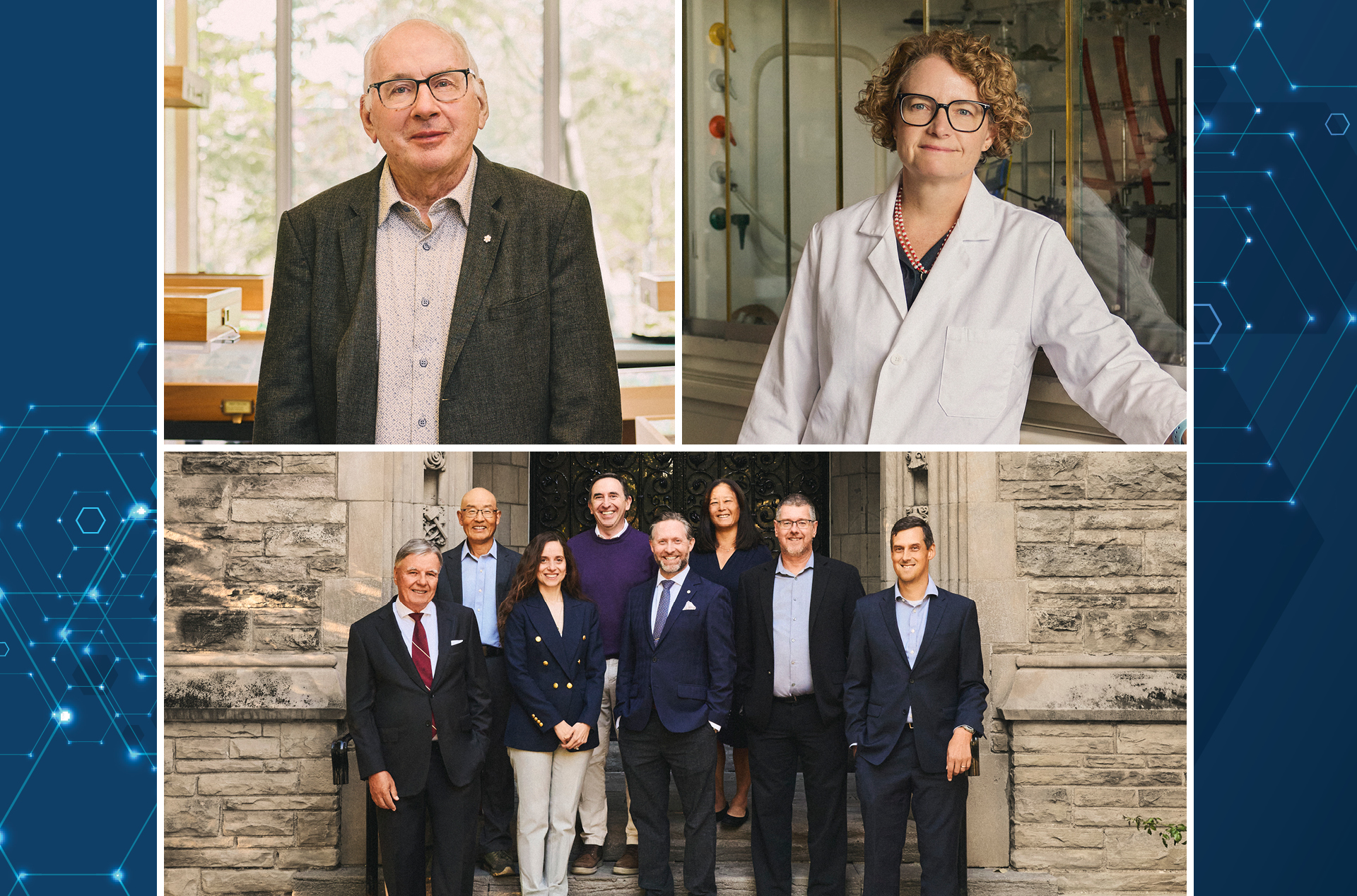
NSERC laureates help save people — and the planet
Researchers at McMaster, Western and the University of Guelph honoured for work in human health and environmental protection.
-

Budget pressures put satellite campuses under threat
Universities wrestle with educational mission, financial realities.
-

Universities in Guelph, Toronto, Alberta and Trois-Rivières win Synergy Awards
From cell biology to sustainable packaging, the NSERC prizes recognize innovative research partnerships.
-

NSERC announces Arthur B. McDonald Fellowship winners
Research council kicks off a week of prizes with grants for early-stage academics.
More from Research
-

Canada ‘muddling through’ without national research infrastructure strategy, panel finds
Expert report says fragmented governance and funding threaten Canada's research competitiveness and scientific sovereignty.
-

The Nuisance Variable
Two-thirds of Alzheimer’s patients in Canada are women. Why does research still treat them as an afterthought?
-

How serendipity built a cross-disciplinary career
Taking research positions out of economic necessity allowed me to gather a broad set of skills and knowledge.
-

Science in French? Bien sûr!
As English dominates the publication landscape, support for French-language research is a strategic investment in the quality, equity and the future of knowledge.
More from Articles
-

Feds announce $880 million for research
Funding will support both established health scientists and emerging cross-disciplinary researchers.
-
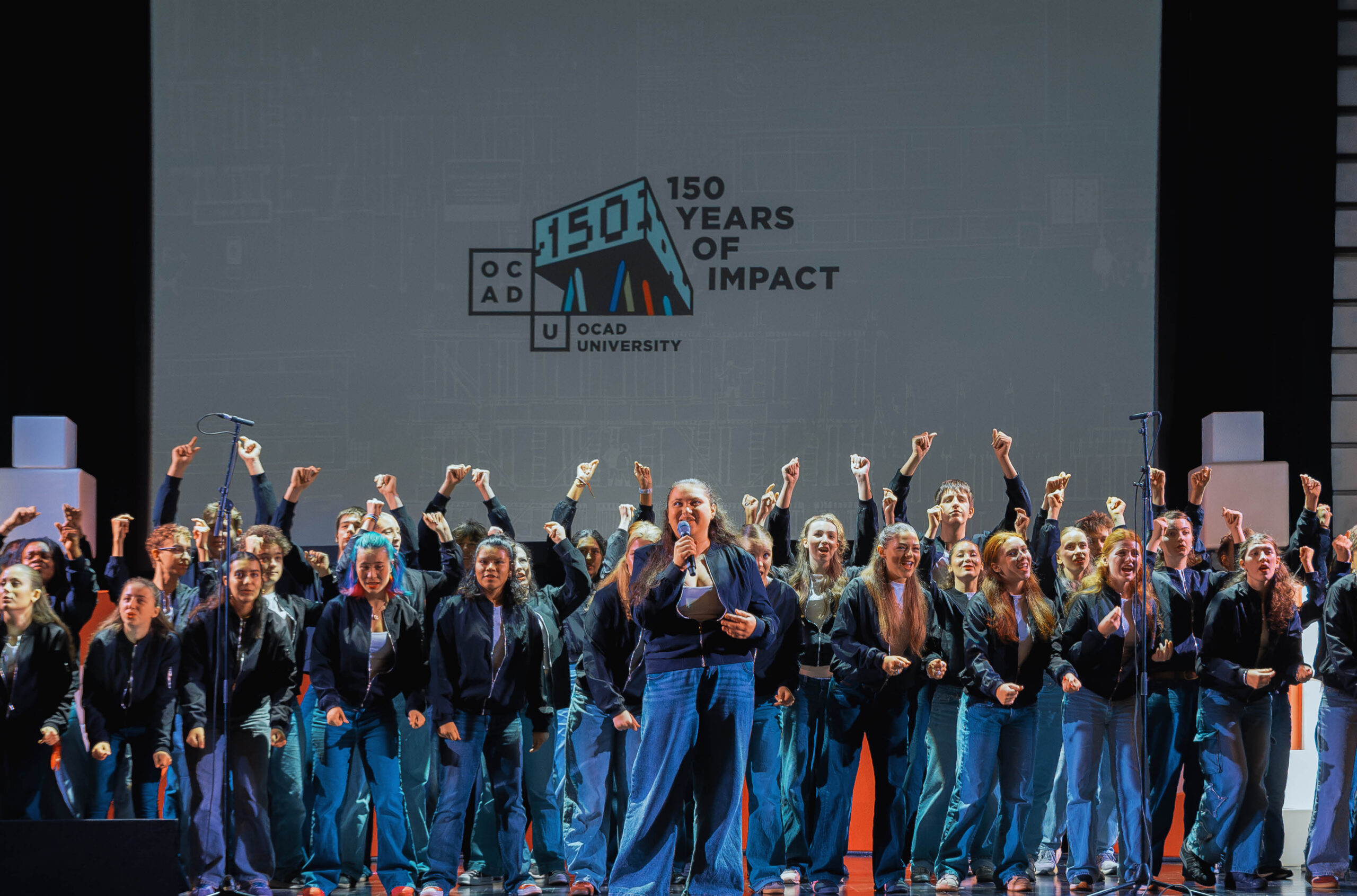
OCAD University celebrates 150 years of shaping Canadian culture
Art and design university launches $6-million campaign for 150 scholarships to mark 150th anniversary.
-

B.C. higher education: tweak or reform?
In the coming provincial election, parties offer different proposals for a system under strain.
-

Ottawa won’t restrict student visas from countries with high asylum-claim rates
India will help Canada ‘crack down’ on student program abuses, high commissioner says.

Post a comment
University Affairs moderates all comments according to the following guidelines. If approved, comments generally appear within one business day. We may republish particularly insightful remarks in our print edition or elsewhere.