NSERC announces Arthur B. McDonald Fellowship winners
Research council kicks off a week of prizes with grants for early-stage academics.

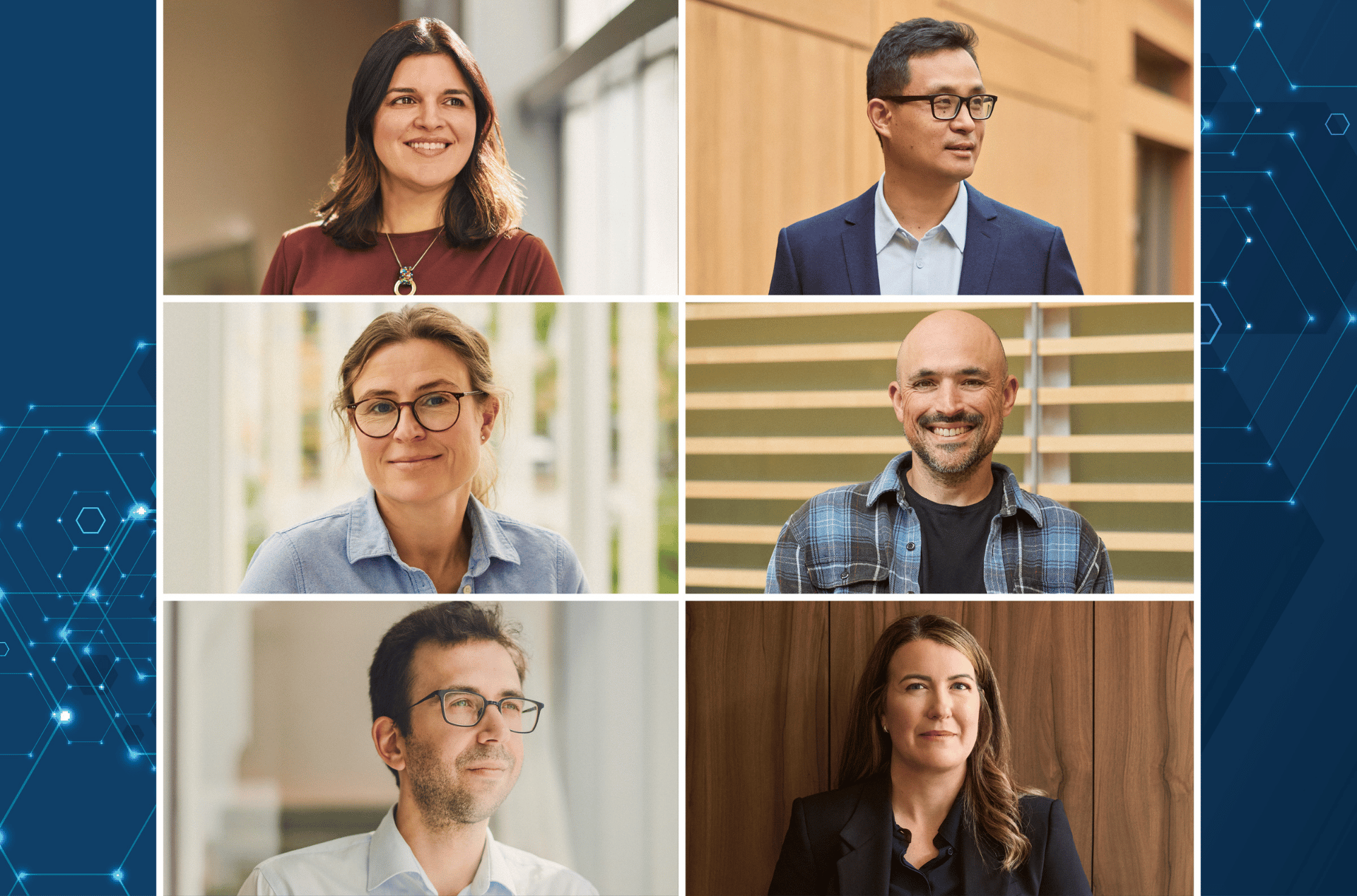
It’s a big week for Canadian scientists as NSERC announces its Excellence in Research awards, a suite of prizes for individuals and teams whose achievements in science and engineering merit special recognition.
The accolades begin today, with six Arthur B. McDonald Fellowships granted to early-stage academic researchers in the natural sciences and engineering. Each fellowship includes a research grant of up to $250,000 and salary support of up to $180,000 to enhance the recipients’ research capacity, enabling them to inspire others and become leaders in their field.
The prize-giving continues tomorrow, with the annual Synergy Awards for Innovation recognizing outstanding partnerships between universities or colleges and partner organizations.
Wednesday brings a raft of recognitions, as honourees are unveiled for the Brockhouse Canada Prize for Interdisciplinary Research in Science and Engineering, the Donna Strickland Prize for Societal Impact of Natural Sciences and Engineering Research, and the John C. Polanyi Award.
The festivities culminate on Thursday with the Gerhard Herzberg Canada Gold Medal for Science and Engineering. This prestigious award, accompanied by a research grant of up to $1 million, recognizes an individual whose body of work, conducted in Canada in the natural sciences or engineering, has demonstrated persistent excellence and influence.
This year’s recipients of the Arthur B. McDonald Fellowships are: Marie-Claire Arrieta, Kathryn Grandfield, Feng Jiang, Lawrence Kazak, Nicolas Papernot and Corinna Schindler (see bios below).
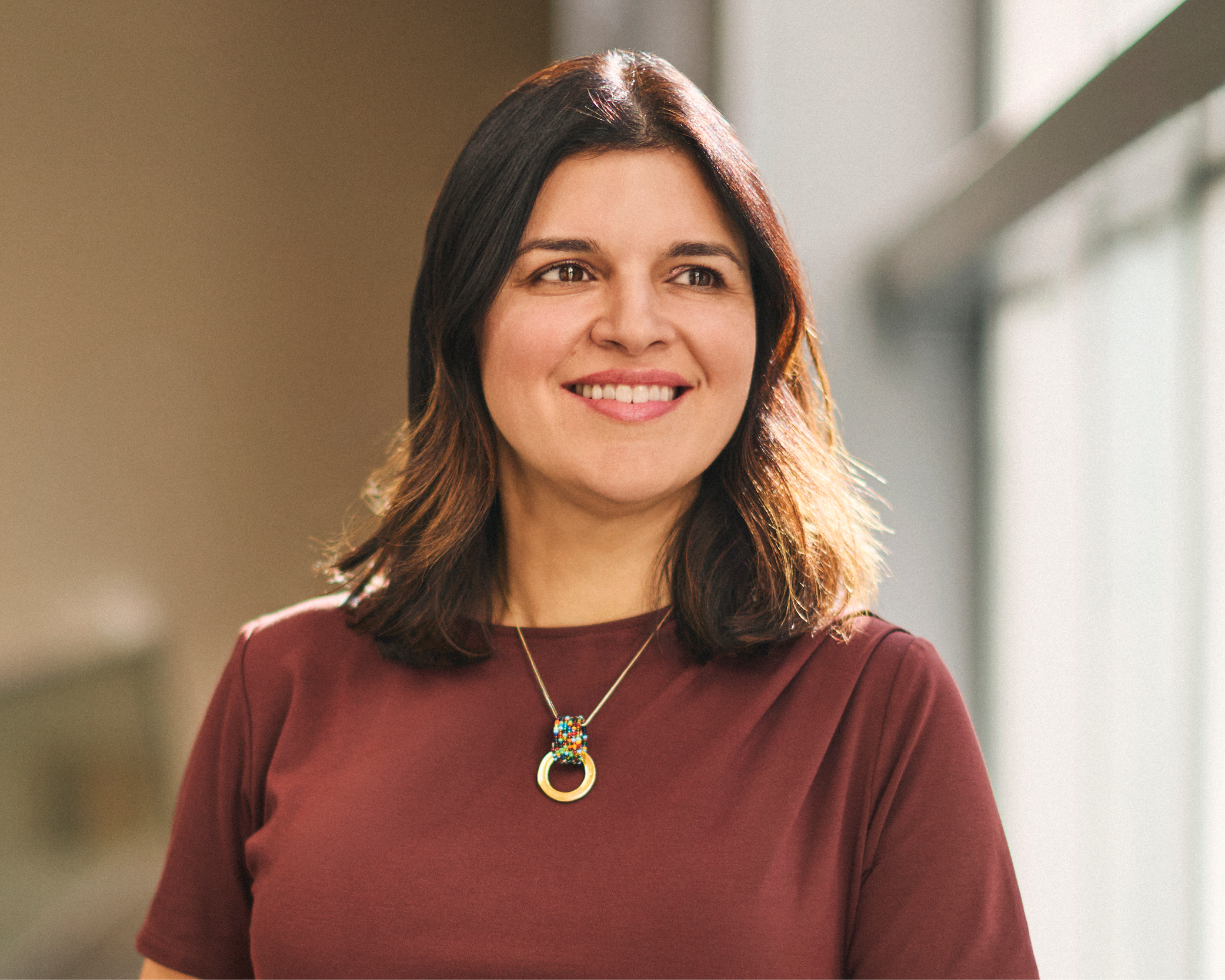
Marie-Claire Arrieta
University of Calgary, Cumming School of Medicine
Read biography
Marie-Claire Arrieta has expanded our understanding of how the microbiome shapes human health from the earliest stages of life. She and her research team are investigating how microbial communities influence immune development, metabolism and long-term disease risk. Their findings have revealed that healthy development depends not only on genetics, but on the ecological relationships that are established between hosts and microbes after birth.
Dr. Arrieta helped open a new frontier by demonstrating that intestinal fungi actively regulate immune and metabolic development. Using longitudinal infant cohort data, gnotobiotic models (models whose microbiome is completely known), and advanced multi-layered analyses (multi-omic analyses), her laboratory has shown how disruptions to early-life microbial communities can change the way the immune system develops and increase the risk of chronic inflammatory disease. Her team also discovered how the fungal genus Malassezia adapts to human breast milk, providing new insights into the ecological processes that shape the infant microbiome.
Dr. Arrieta’s discoveries are reshaping how scientists understand early-life development, revealing that human health is not shaped by genetics alone, but by a complex partnership between hosts and their microbial communities.
Kathryn Grandfield
McMaster University, department of materials science and engineering
Read biography
Kathryn Grandfield is making breakthroughs in our ability to visualize living tissues and biomaterials. She and her research team have developed multidimensional microscopy techniques that capture biological structures at the atomic, chemical and tissue levels, revealing how bone forms, remodels and interacts with implanted materials. Their work provides new tools for the next generation of medical treatments and therapies.
Successful joint replacements and dental implants depend on biological processes that take place at a scale far too small for conventional imaging. To overcome this limitation, Dr. Grandfield developed a microscopy framework that combines atom probe tomography, ion beam microscopy and liquid electron microscopy, allowing specimens to be examined in unprecedented detail while preserving their native structures. Using this approach, she and her team discovered “nano-osseointegration”— a phenomenon that occurs when bone and implant surfaces become integrated at the atomic level — and were able to identify previously unknown mineral structures within human bone that had escaped detection for decades.
By revealing biological phenomena that were once invisible, Dr. Grandfield is reshaping our understanding of skeletal tissues and providing new foundations for advanced implants, regenerative therapies, and next-generation biomaterials.
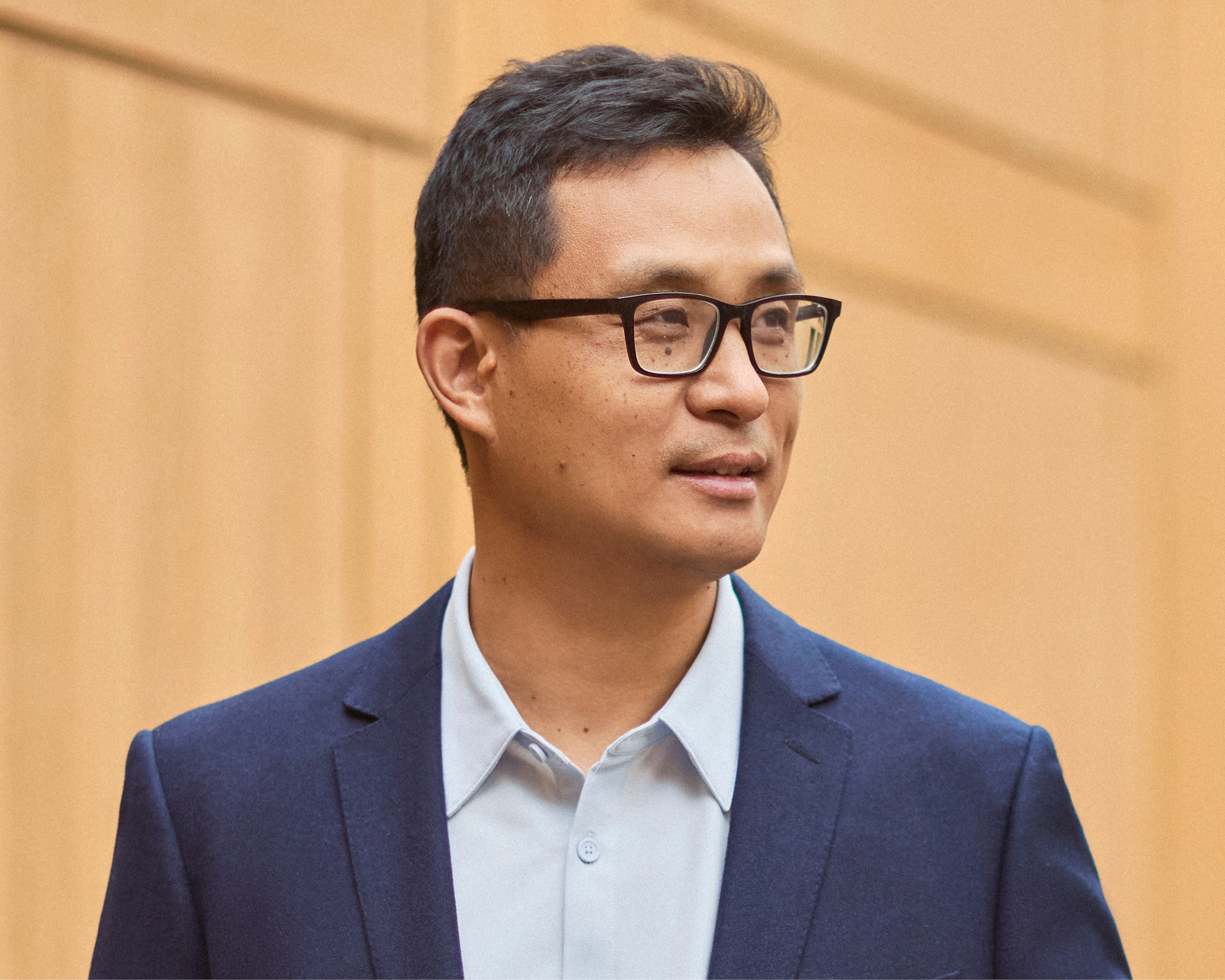
Feng Jiang
The University of British Columbia, department of wood science, faculty of forestry and environmental stewardship
Read biography
Feng Jiang is developing sustainable materials that can compete with petroleum-based products in terms of performance, cost and environmental impact. His research transforms underutilized forest residues into high-value bioproducts, creating new opportunities to support the development of a low-carbon bioeconomy.
Many renewable materials show promise in the laboratory, but are too expensive or resource-intensive to produce for widespread adoption. To overcome this challenge, Dr. Jiang’s research team has pioneered scalable methods for producing lignocellulosic nanomaterials — tiny materials made from plant fibres — using recyclable, environmentally friendly solvents. These innovations have dramatically improved the sustainability of the materials’ production process while enabling the development of advanced products, from super-insulating aerogels and biodegradable packaging to durable textile and structural materials.
Beyond the laboratory, Dr. Jiang works closely with First Nations communities and industry partners to translate these discoveries into practical applications and economic opportunities.
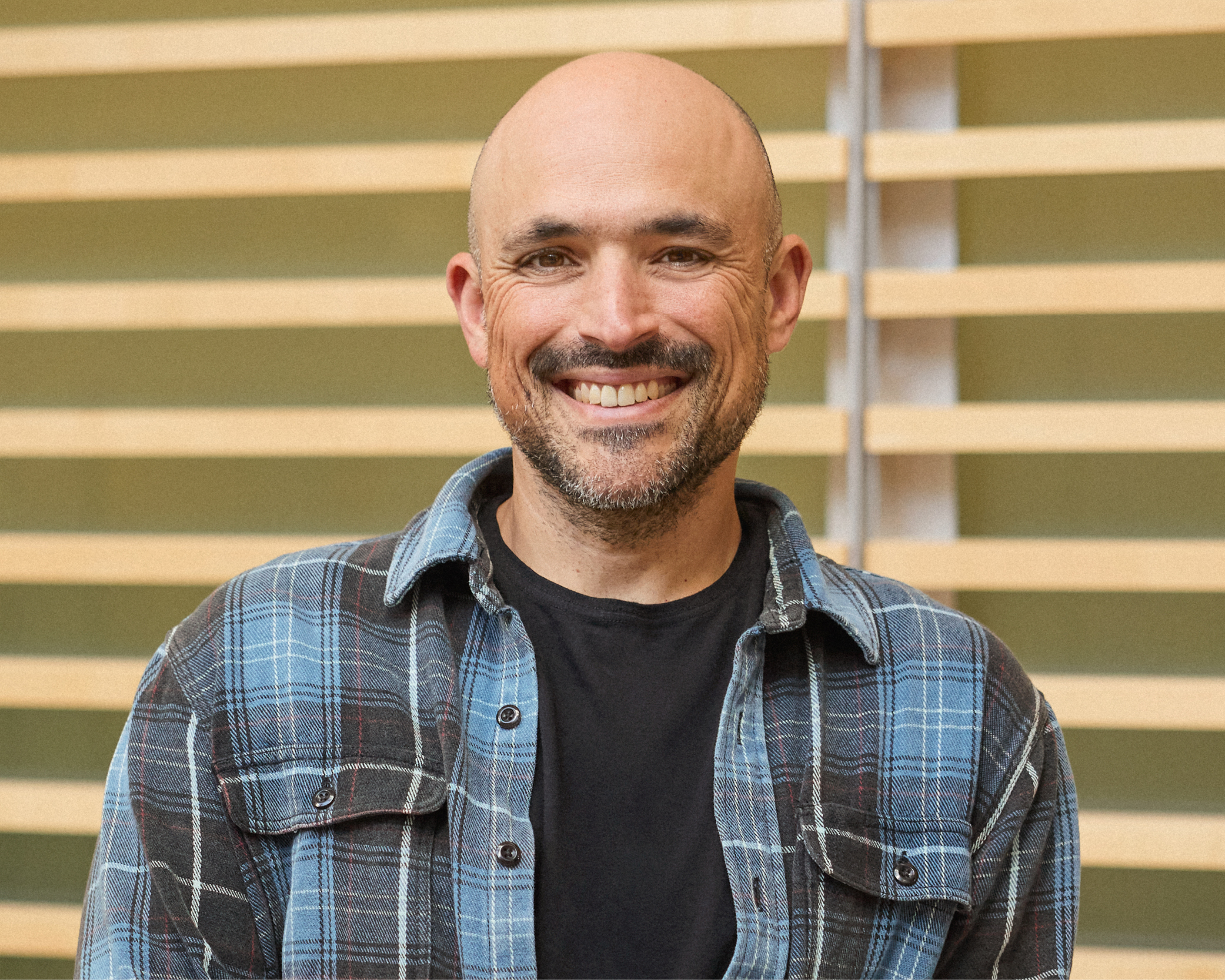
Lawrence Kazak
McGill University, department of biochemistry and the Goodman Cancer Institute
Read biography
Lawrence Kazak is advancing our understanding of how the body expends energy. His research investigates the molecular mechanisms that allow fat cells to convert nutrients into heat — a process known as thermogenesis that has important implications for obesity, metabolic disease and skeletal health.
For decades, scientists believed that thermogenesis in adipose tissue depended primarily on a single protein known as UCP1. Dr. Kazak challenged this view by discovering the futile creatine cycle, a previously unknown thermogenic pathway that enables fat cells to burn energy independently of UCP1. His research team subsequently demonstrated that these pathways work in parallel to maximize energy expenditure, a finding that reshaped the fundamental understanding of adipose biology.
These discoveries have sparked international research efforts, providing researchers with new targets for understanding, monitoring and ultimately treating metabolic and skeletal disorders.
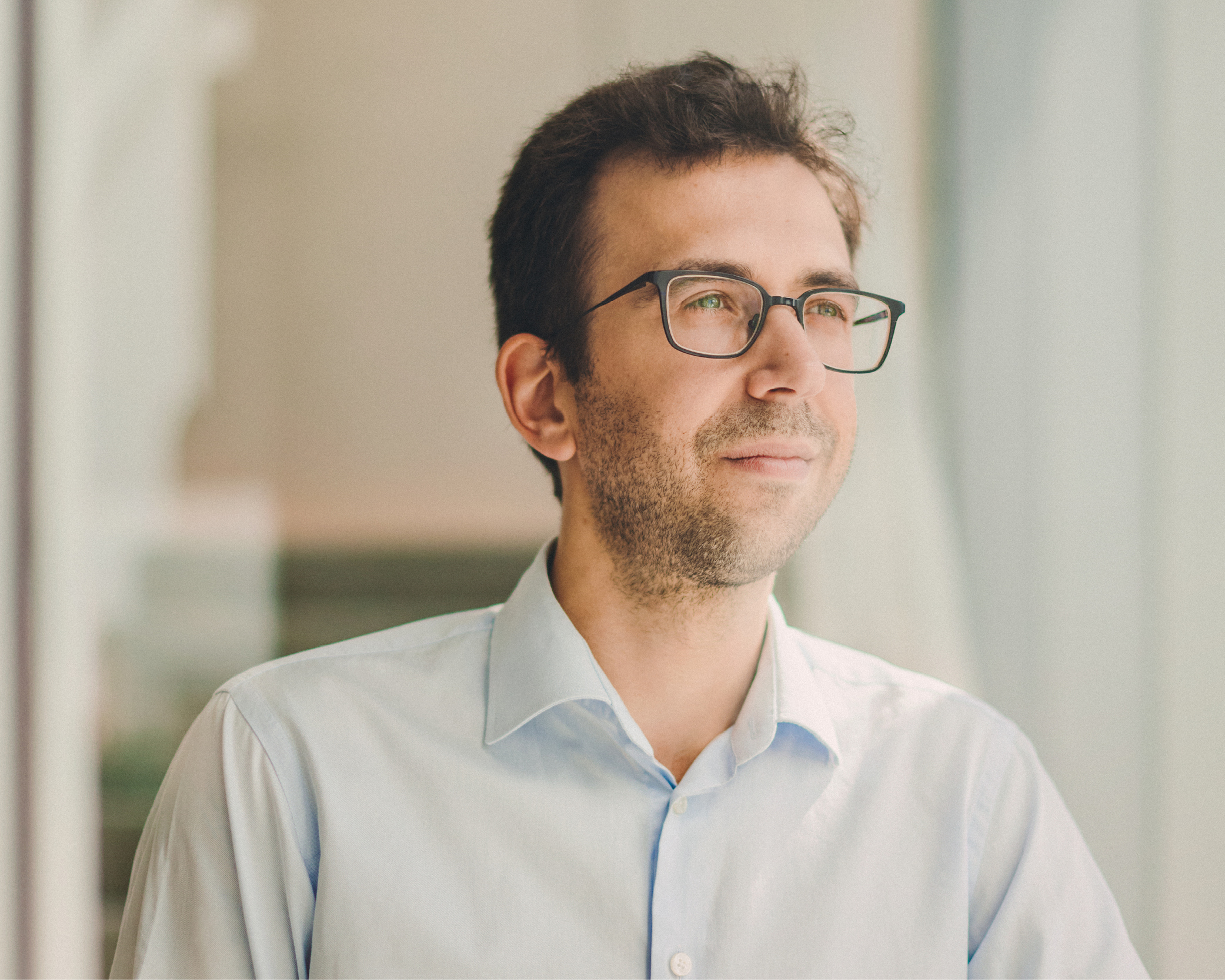
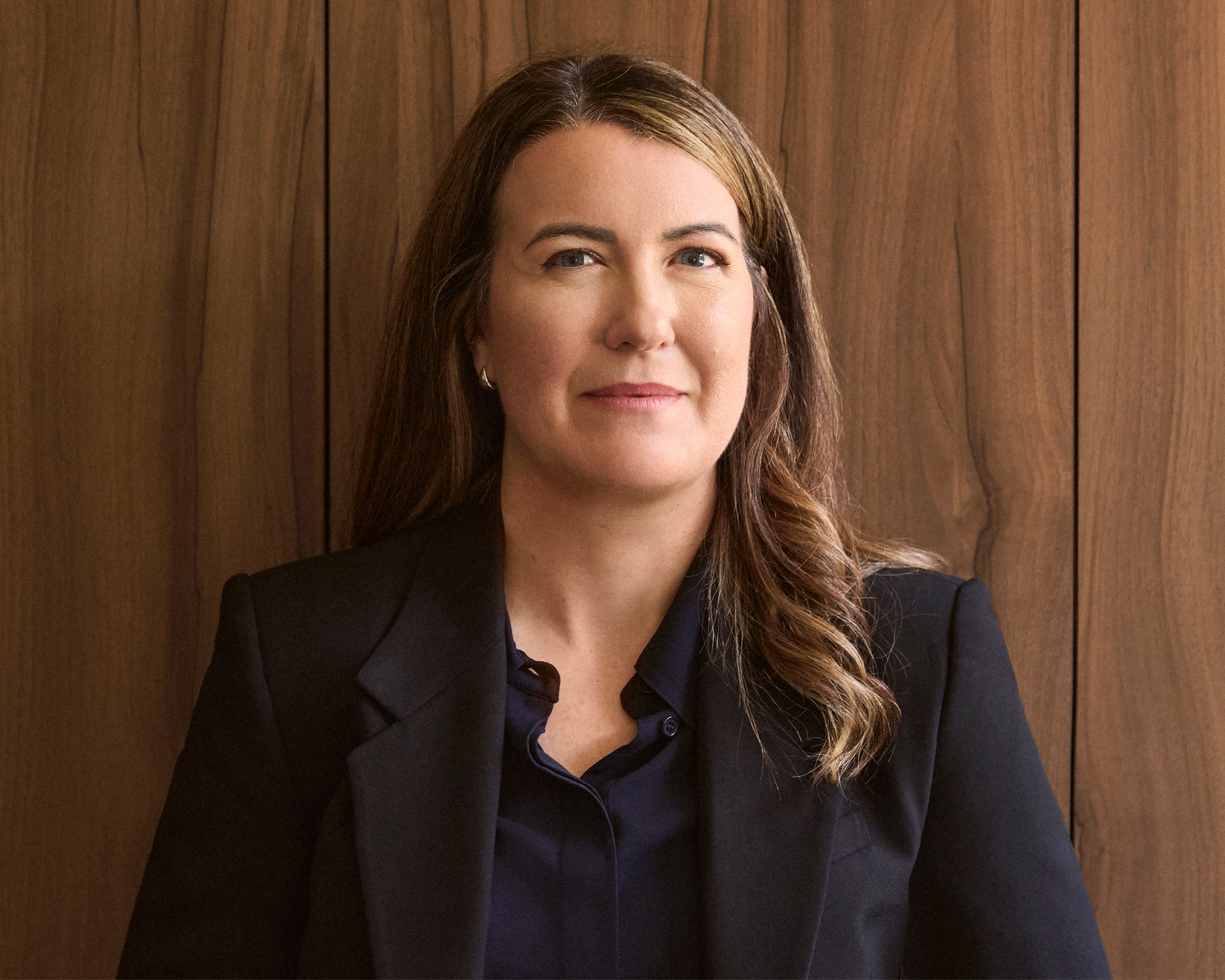
Nicolas Papernot
University of Toronto, department of electrical and computer engineering and the Vector Institute for Artificial Intelligence
Read biography
Nicolas Papernot’s research examines how machine learning systems can fail, be manipulated, or expose sensitive information. He is also developing methods to make these systems more secure, reliable and accountable.
For governments, industries and citizens around the world, ensuring that artificial intelligence systems behave safely and predictably has emerged as a critical challenge. Dr. Papernot helped establish the field of adversarial machine learning by revealing how seemingly accurate AI systems can be systematically deceived using carefully crafted inputs. Since then, he and his research team have developed techniques to strengthen the robustness and privacy of machine learning models while advancing new approaches to independent verification. Most notably, his team developed methods that use zero-knowledge proofs to audit important properties of AI systems without exposing proprietary models or sensitive training data.
As more responsibilities are delegated to artificial intelligence in our workplaces and societies, Dr. Papernot’s work is helping to ensure that these systems can be independently verified and responsibly governed to earn public trust.
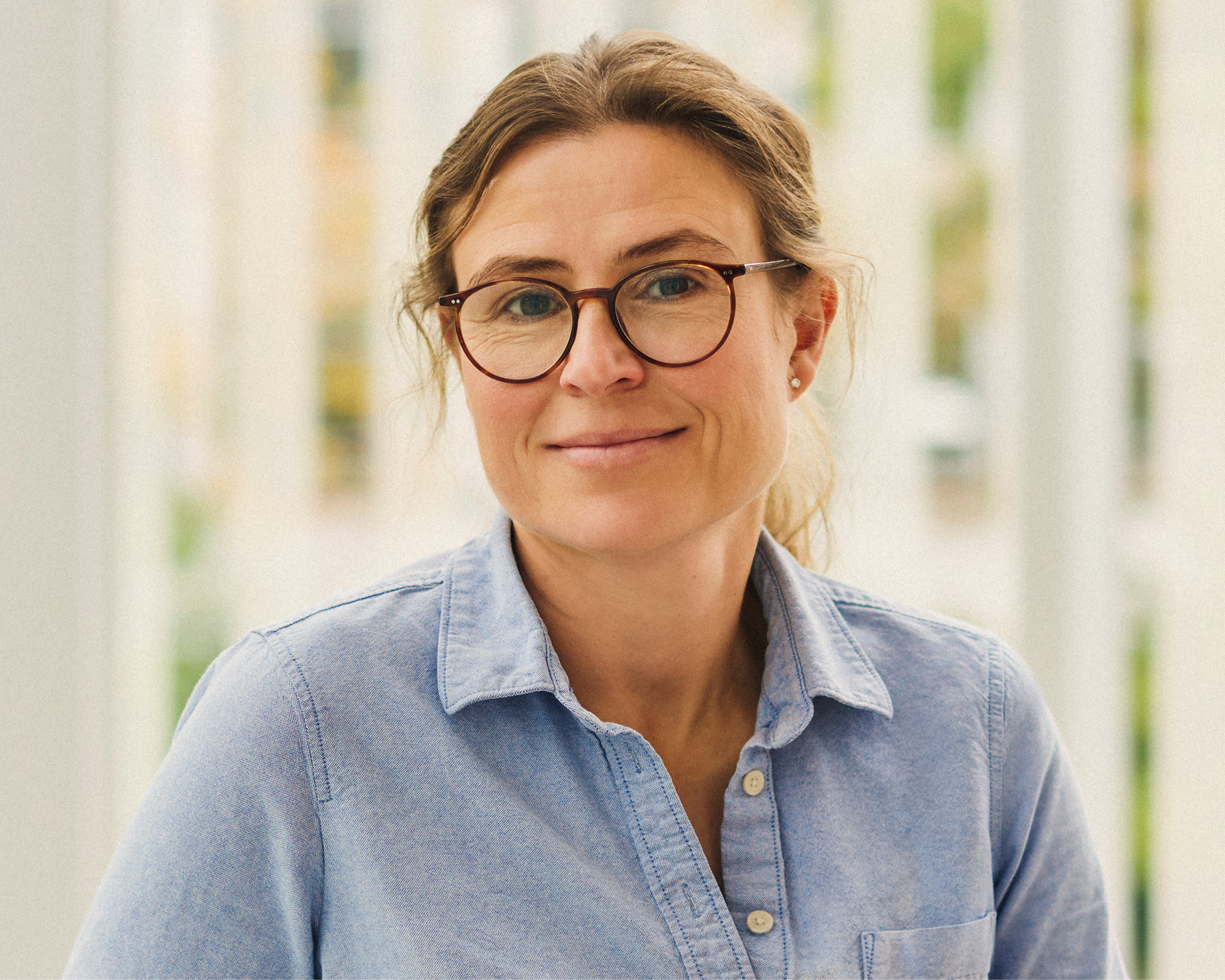
Corinna Schindler
The University of British Columbia, department of chemistry
Read biography
Corinna Schindler is transforming how chemists construct complex molecules. She and her research team are developing innovative chemical reactions that use catalysts and light to create molecular structures important in medicine, materials science and chemical biology. Through a series of breakthrough discoveries, she has solved longstanding challenges that had limited synthetic chemistry for decades.
Many promising therapeutics and advanced materials remain difficult to produce because the chemical transformations needed to build them are inefficient or difficult to achieve. Dr. Schindler’s team is pioneering new strategies that overcome these barriers. Notably, they established the first general catalytic platform for carbonyl–olefin metathesis — a reaction long regarded as a major unsolved challenge in synthetic chemistry. They also developed a visible-light approach for constructing azetidines, valuable molecular structures increasingly sought in pharmaceutical research.
These advances are expanding the possibilities for discovery across medicine, materials science and chemical biology.


Featured Jobs
- Theatre and Film - Assistant Professor Without Review (Performance Practice)The University of British Columbia
- Movember Institute Discovery Research Program FellowshipsThe University of British Columbia
- Canada Impact+ Emerging Leader in Quantitative and AI-enabled Electron Microscopy for Quantum and Advanced MaterialsMcMaster University
- Psychology - Assistant Professor (Clinical Psychology)Western University
- Toldo Chair in Christian StudiesAssumption University
More from News
-
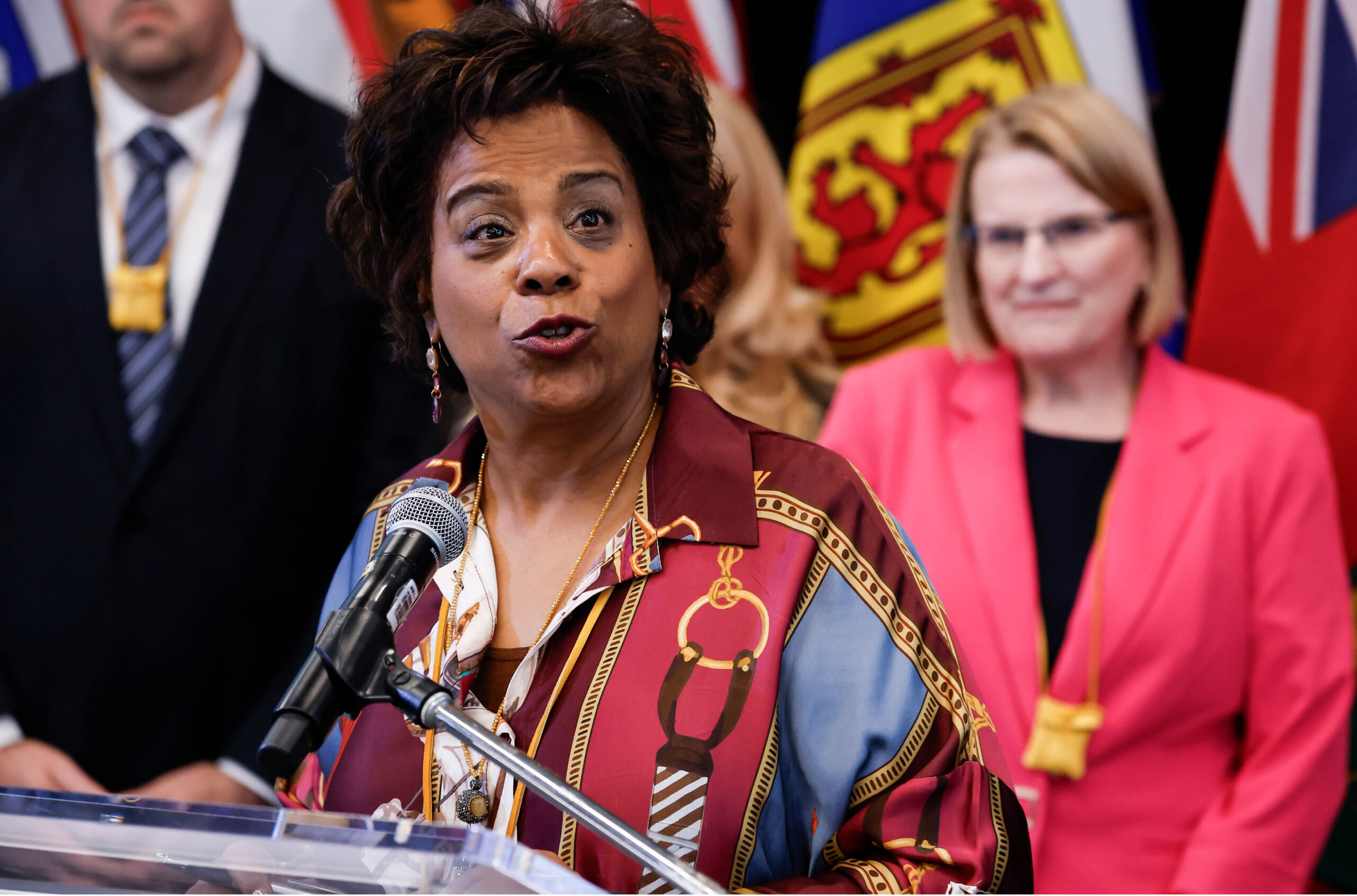
Feds announce $880 million for research
Funding will support both established health scientists and emerging cross-disciplinary researchers.
-
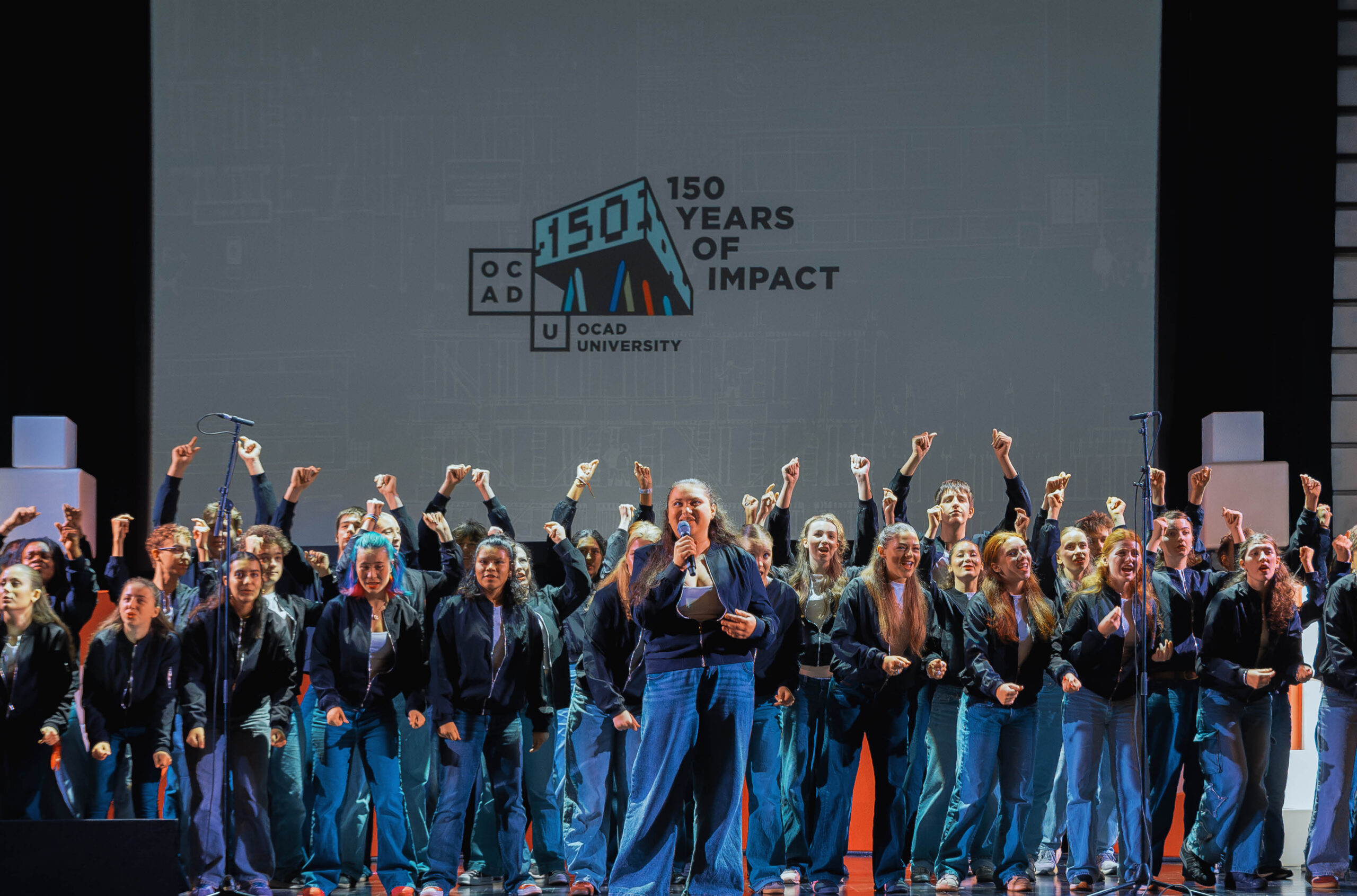
OCAD University celebrates 150 years of shaping Canadian culture
Art and design university launches $6-million campaign for 150 scholarships to mark 150th anniversary.
-
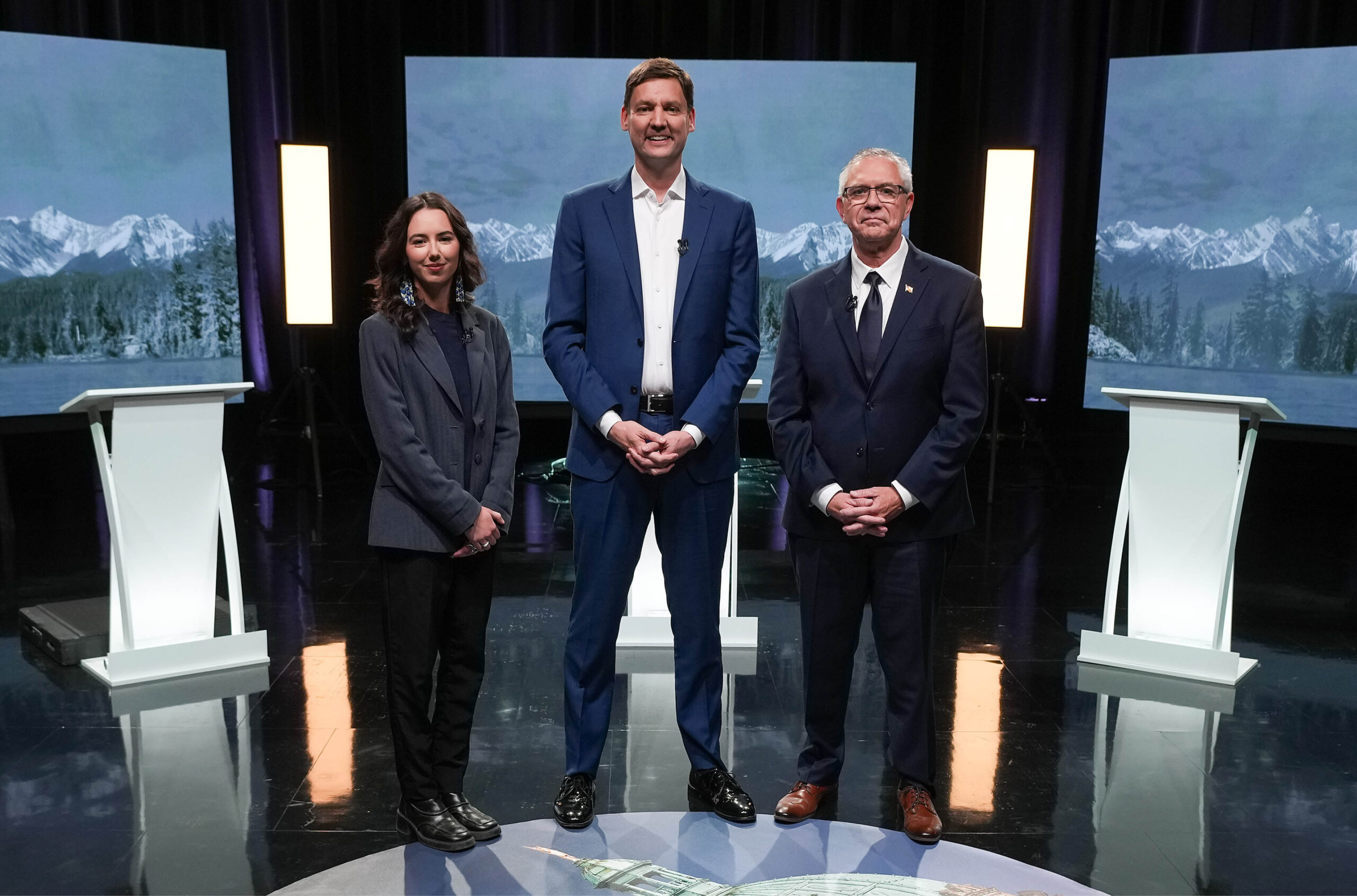
B.C. higher education: tweak or reform?
In the coming provincial election, parties offer different proposals for a system under strain.
-

Canada ‘muddling through’ without national research infrastructure strategy, panel finds
Expert report says fragmented governance and funding threaten Canada's research competitiveness and scientific sovereignty.
More from Research
-
The Nuisance Variable
Two-thirds of Alzheimer’s patients in Canada are women. Why does research still treat them as an afterthought?
-
How serendipity built a cross-disciplinary career
Taking research positions out of economic necessity allowed me to gather a broad set of skills and knowledge.
-

Science in French? Bien sûr!
As English dominates the publication landscape, support for French-language research is a strategic investment in the quality, equity and the future of knowledge.
-
From doctoral student to entrepreneur
Resources abound to help you turn your PhD research into a business startup.
More from Articles
-
Ottawa won’t restrict student visas from countries with high asylum-claim rates
India will help Canada ‘crack down’ on student program abuses, high commissioner says.
-

Students and seniors under the same roof
Intergenerational living helps with loneliness and the high cost of rent.
-
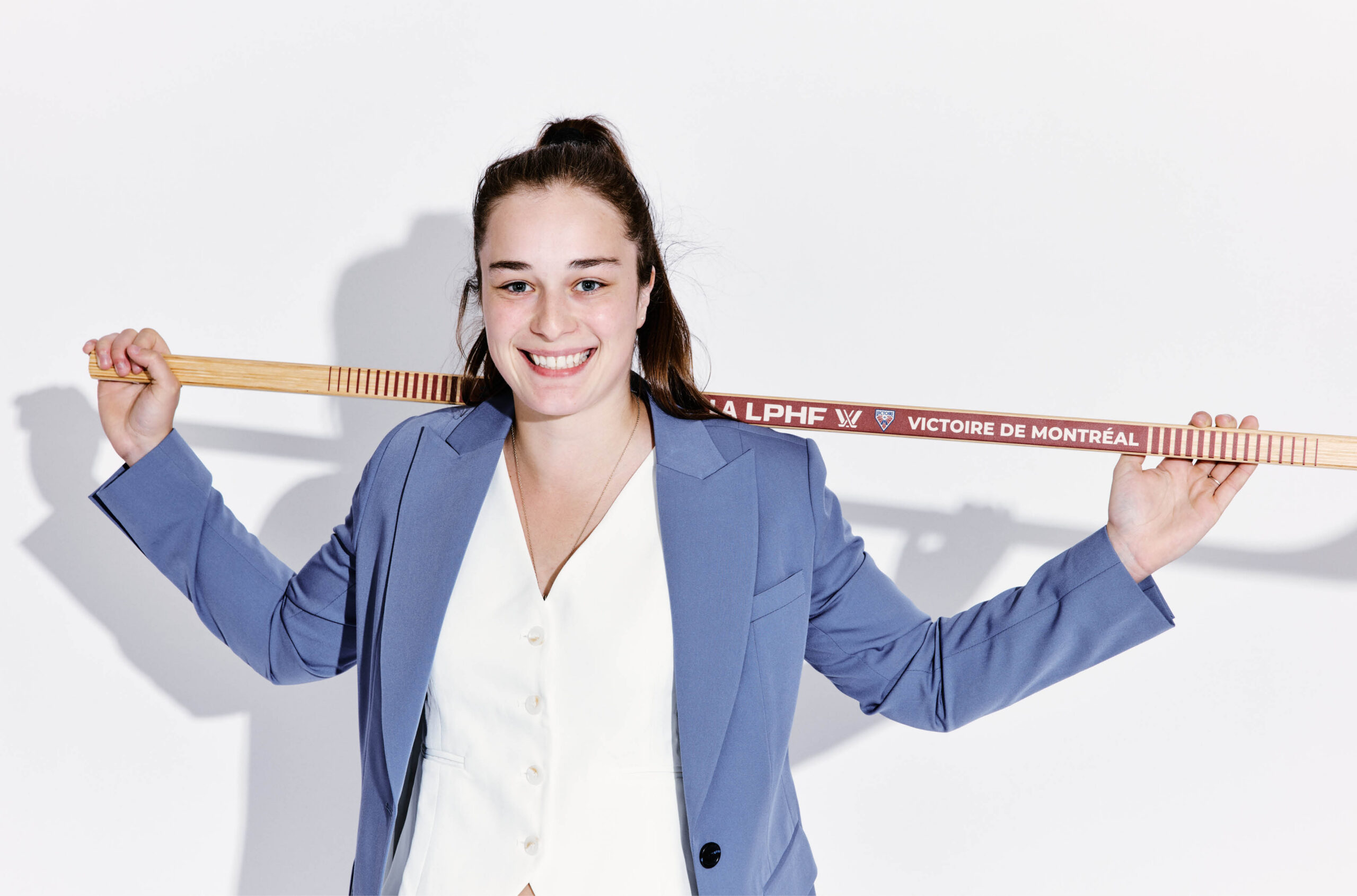
U Sports alum lace up for PWHL season
Canadian grads eager to show their mettle on women’s pro hockey teams.
-

The hidden problem of student homelessness
As high rents push more students into precarious housing, it's time to stop romanticizing the 'poor scholar'.


Post a comment
University Affairs moderates all comments according to the following guidelines. If approved, comments generally appear within one business day. We may republish particularly insightful remarks in our print edition or elsewhere.