From bright idea to commercial partnership
How a University of Guelph grad student’s interest in immunology led to healthier cattle herds.

In 2002, the publication Follow the Leaders profiled 21 of Canada’s most promising biotechnology initiatives. In this series, we catch up with some of the surviving university-spawned enterprises to find out how they turned scientific discoveries into tangible new technologies.
Bonnie Mallard gets a faraway look in her eyes as she summons up the singular moment when research, innovation and business came together for her. In the early 1980s, she was a master’s student at the University of Guelph (U of G) with a good idea: developing a way of breeding livestock with better immune systems. That prospect captured the imagination of her supervisor, Ted Burnside, who arranged a meeting with one of his close contacts, Morris “Moe” Freeman, General Manager of Semex Canada, a company in the highly competitive, multi-national industry of livestock breeding.
Sitting in Dr. Freeman’s office and expecting Dr. Burnside to explain what she wanted to do, the young master’s student was caught off guard when he asked her to do the talking.
“I fumbled my way through that whole conversation,” she recalls. “I can still see it in my mind’s eye. The conversation had ended. Moe is sitting behind his desk. He reached into his top right-hand drawer and pulled out a cheque book. He wrote a cheque and handed it to Ted.”
Dr. Mallard, who went on to a long and successful academic career at U of G, attributes this moment to sowing the “seed of trust,” a key point in building a working relationship that would foster innovation for decades to come. From that point forward, Dr. Mallard, Dr. Burnside, and a variety of their colleagues at the university would collaborate with Semex on a number of new technologies, patented and licenced to other agri-food firms around the world — a partnership continuing well beyond Dr. Freeman’s passing in 2013.
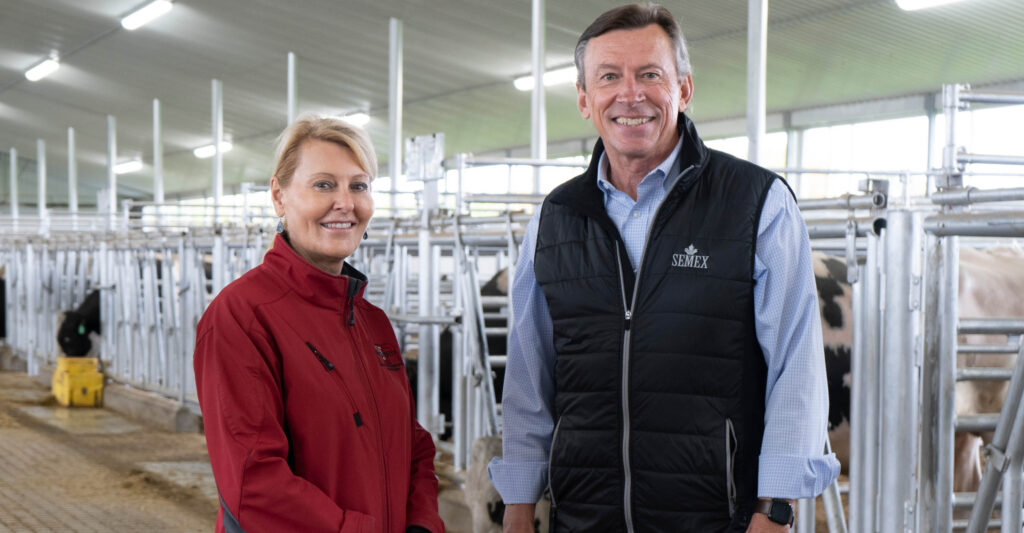
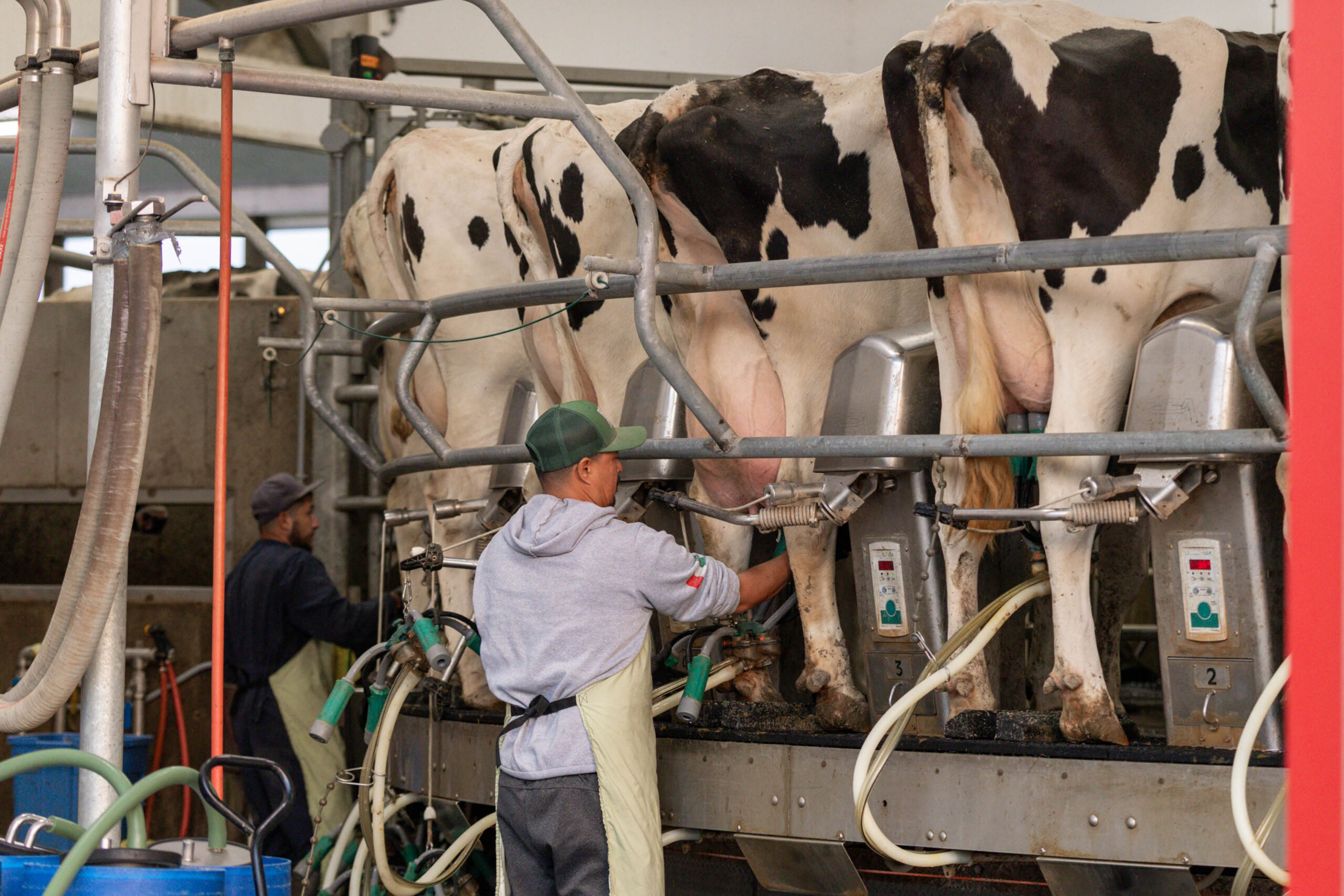
More specifically, the good idea she had as a master’s student became a pivotal product called Immunity+, which tests the genome of dairy cows to measure their immune system response. Based on the results, animal breeders can ensure the healthiest cows pass on these traits to the next generation, ultimately leading to herds with better milk production and lower incidence of disease. Semex now markets Immunity+ in some 80 countries around the world.
Put this way, the path from scientific discovery to successful commercial product might look straightforward, but Dr. Mallard soon realized what a tortuous route it can be. One of the most challenging aspects was understanding the importance of intellectual property, something the university was eager to manage.
“If there’s tons of IP in universities — and there is — how do we get it out?” she asks. “For the most part, professors were really interested in the research, they weren’t really interested in business. It took me a very long time to learn anything about the business side, and I’m still learning.”
Progress based on understanding
Along the way, Dr. Mallard helped partners like Dr. Freeman better understand the research environment, just as they helped her understand the workings of Semex. The company has also directly supported this kind of academic activity across the country, through industry research networks and funding for academic chairs.
READ ALSO: From veterinary research lab to patent powerhouse
One such initiative, the NSERC-Semex Industrial Chair at Université Laval, laid the foundation for an entirely new approach to in vitro fertilization (IVF) in cattle, which transformed Semex into an unrivalled global player. The chair was maintained from 1990 to 2000, when it was held by Marc-André Sirard, a practising veterinarian who is now a professor in the university’s Faculté des sciences de l’agriculture et de l’alimentation.
His original interest was in oocytes — the simple cells that become eggs in the ovaries. Fascinated by the fact that these cells are technically immortal, not aging and dying like all the other cells in the body, Dr. Sirard wanted to know if secrets hidden in oocyte DNA could address the underlying causes of disease and death. “I want to understand this system, built in by nature, that makes us age, while the oocyte does not,” he explained in the federal government’s 2002 profile of his work.
As lofty as that goal may sound, it had major implications for the practical challenge of breeding cattle. The potential caught the attention of Semex, which applied Dr. Sirard’s work to increase the number of surviving embryoes from the industry average of 35 per cent to an unprecedented 85 per cent.
“It’s not because we found a magic bullet,” he says. “It’s because we took the time to understand how the ovary works and how it influences the oocyte to become an embryo.”
Scientific passion drives commercial success
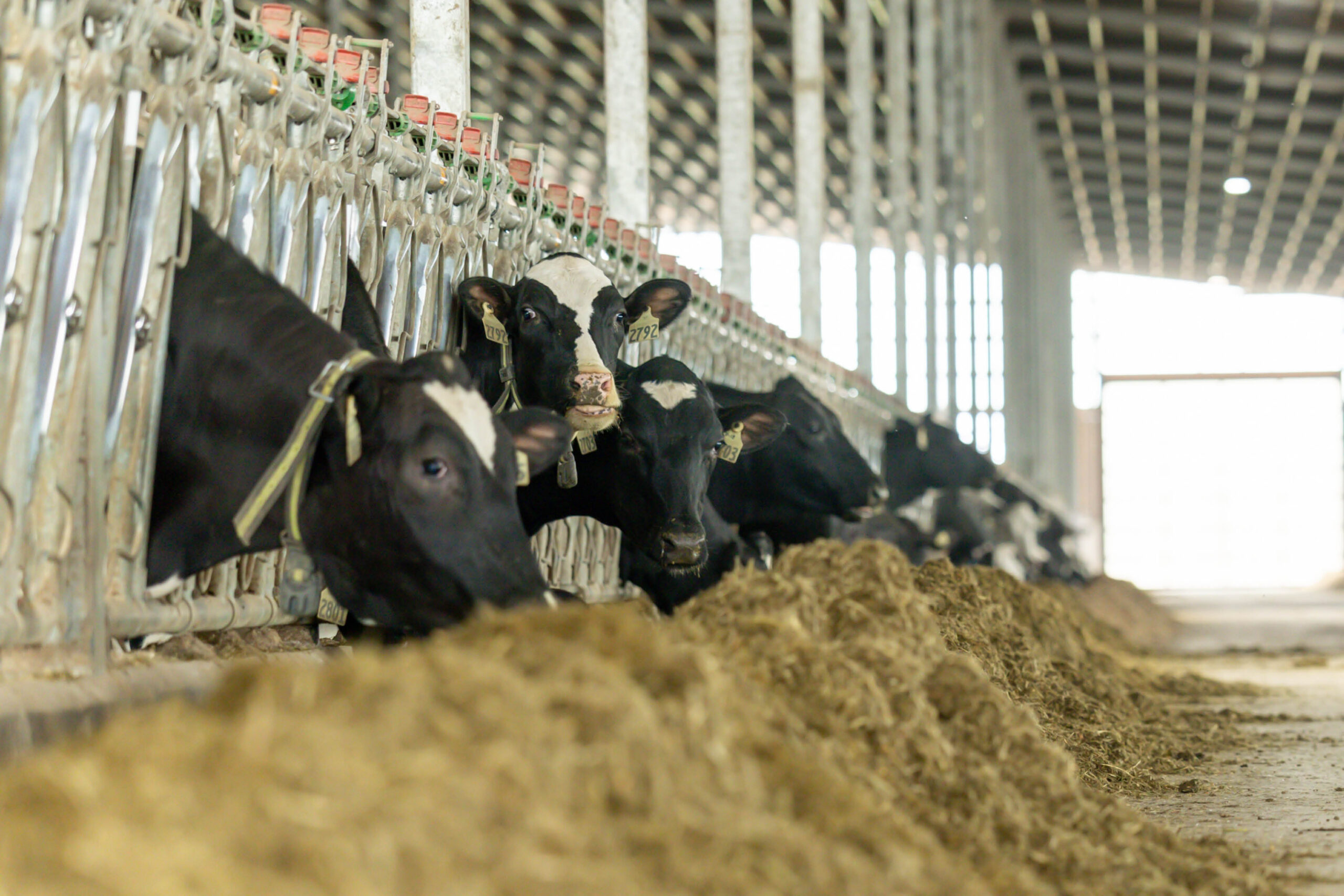
For more than 35 years, Dr. Sirard’s fascination with oocytes has spawned biotechnology breakthroughs fundamentally altering the way dairy cattle are bred. On the academic side, he expanded the brain trust of like-minded researchers by creating the Centre de Recherche en Biologie de la Reproduction (now Centre de recherche en reproduction, développement et santé intergénérationnelle) at ULaval, as well as a pan-Canadian research network, EmbryoGENE. Meanwhile, Semex honed its own findings into patented methods for identifying the genetic features of cattle embryos faster than any competitor, making it the undisputed market leader in selecting the most promising livestock.
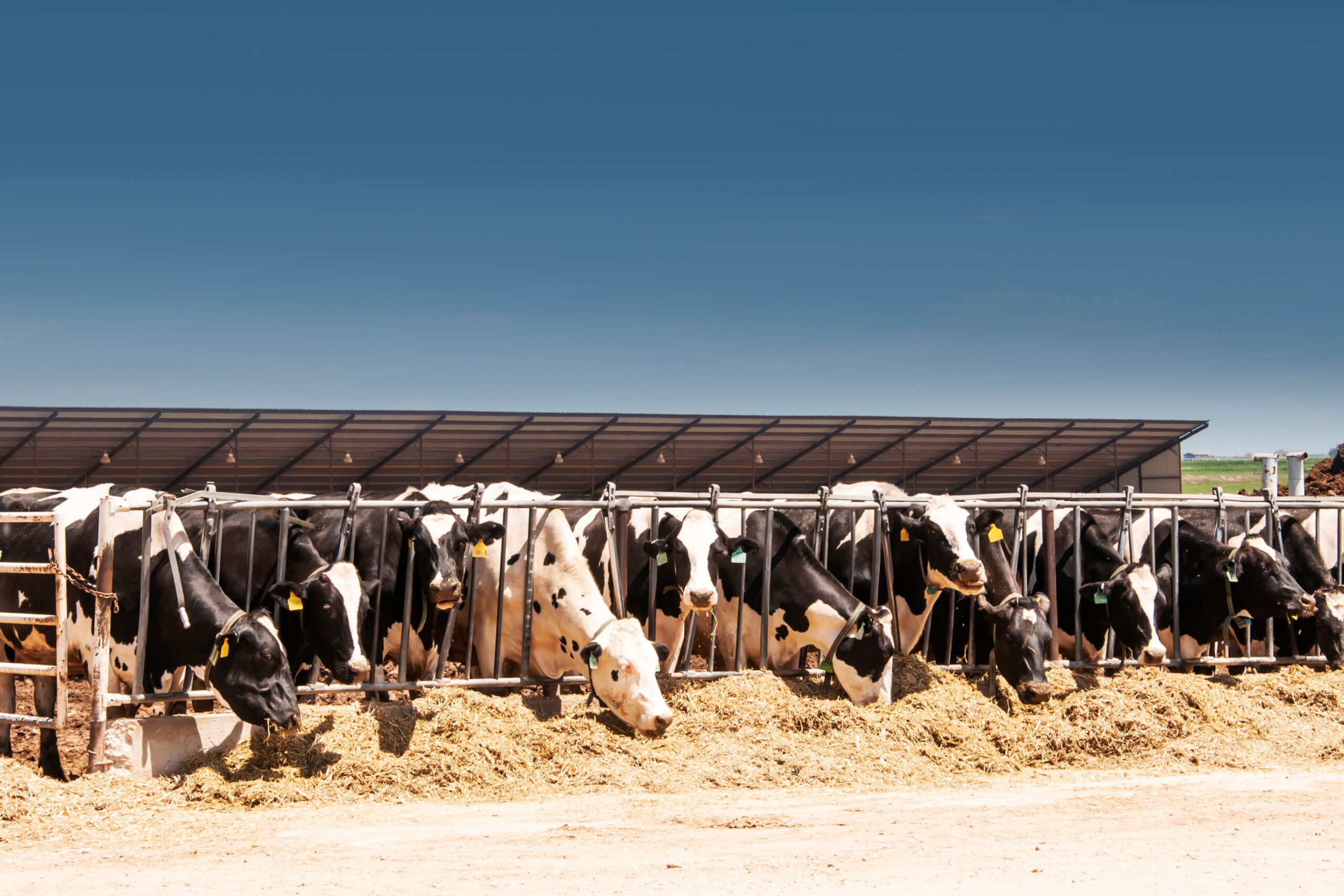
“It’s an extraordinary system to learn,” says Dr. Sirard, referring to the rapid profiling technique that was no more than a theoretical possibility at the beginning of his career.
At the same time, his passion for understanding the oocyte remains undiminished, if tempered somewhat by the ongoing challenges of basic scientific research. “Scientists want to give their discoveries to the world,” he says, noting the desire to publish their findings may be pre-empted by the need to protect a patent. It amounts to a significant academic sacrifice, he acknowledges, but one that could benefit the world as a whole.
Dr. Mallard has come to regard the demands of innovation in much the same way. “I keep my eyes peeled well in advance when I see IP,” she says. “We’ve got to capture it and lock it down. And that’s hard, because sometimes it means a student isn’t going to publish.”
Nor is that the worst outcome, according to Dr. Sirard, who has seen a decreasing portion of his PhD students head into academic careers. If, instead, they wind up working for some of the same industry partners who fueled his innovative activities, their presence will only deepen the university’s ties with such enterprises.
“The best way to transfer knowledge from a lab to a company is students,” he argues.
Nevertheless, Dr. Mallard insists, as deep and productive as these interactions have become after several decades, the fruit they bear begins with the seed of trust. This precious starting point is often beset by arcane rules in grant applications or long waits for funding to arrive, slowing the pace of discovery and innovation for students and seasoned researchers alike. She wonders if any of them will ever know the transformative impact of simply watching a cheque written out for them.
“This never happens today,” she concludes, “and it should be able to happen.”


More from News
-

Ontario university students protest OSAP changes
Cuts to grants and rising cost of living put the squeeze on student finances.
-
Budget 2026 provides small investment in post-secondary sector
Budget 2026 invests in defence innovation, emerging technologies and research commercialization.
-
Scholarships strengthen ties with Irish universities
Inaugural De Chastelain scholars foster peace and reconciliation through academic collaboration.
-
From veterinary research lab to patent powerhouse
How the University of Saskatchewan’s VIDO defied academic norms to succeed.
More from Discovery Inc.
-
Lessons from a quarter-century of innovation
Our four-part series spotlights scientists who overcame obstacles to successfully commercialize their biotech breakthroughs.
More from Articles
-

Computer science students uncertain of job prospects
AI is disrupting their career prospects, but most still have a positive view of the technology.
-
Waterloo battery researcher wins Canada’s top science prize
Linda Nazar receives NSERC Herzberg Gold Medal for research on cutting-edge energy storage technology.
-
NSERC laureates help save people — and the planet
Researchers at McMaster, Western and the University of Guelph honoured for work in human health and environmental protection.
-
Budget pressures put satellite campuses under threat
Universities wrestle with educational mission, financial realities.
Post a comment
University Affairs moderates all comments according to the following guidelines. If approved, comments generally appear within one business day. We may republish particularly insightful remarks in our print edition or elsewhere.