From veterinary research lab to patent powerhouse
How the University of Saskatchewan’s VIDO defied academic norms to succeed.

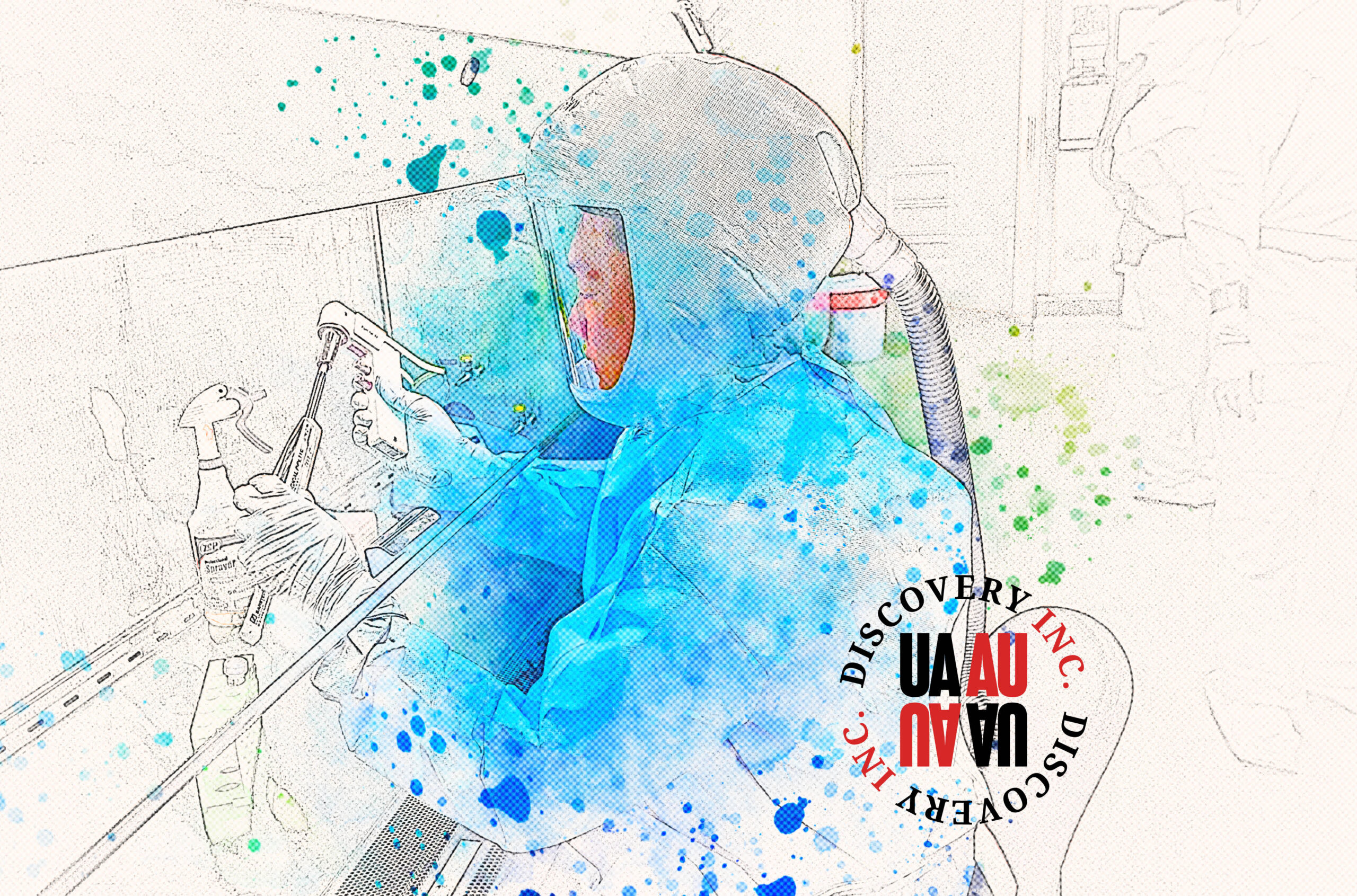
In 2002, the government department then known as Industry Canada profiled 21 of the country’s biotechnology initiatives in a colourful publication with an enthusiastic title: Follow the Leaders. Today, fewer than one-quarter of these entities remain as distinctly Canadian enterprises. About half were absorbed into large foreign firms; others petered out through lack of funding or viable results; and a few metamorphosed into new work in entirely different organizations. In this series, we profile some of those surviving university-spawned enterprises. Their stories reveal much about what went right, and offer lessons for what Canadians need to continue to get right if we want to turn future scientific discoveries into tangible new technologies.
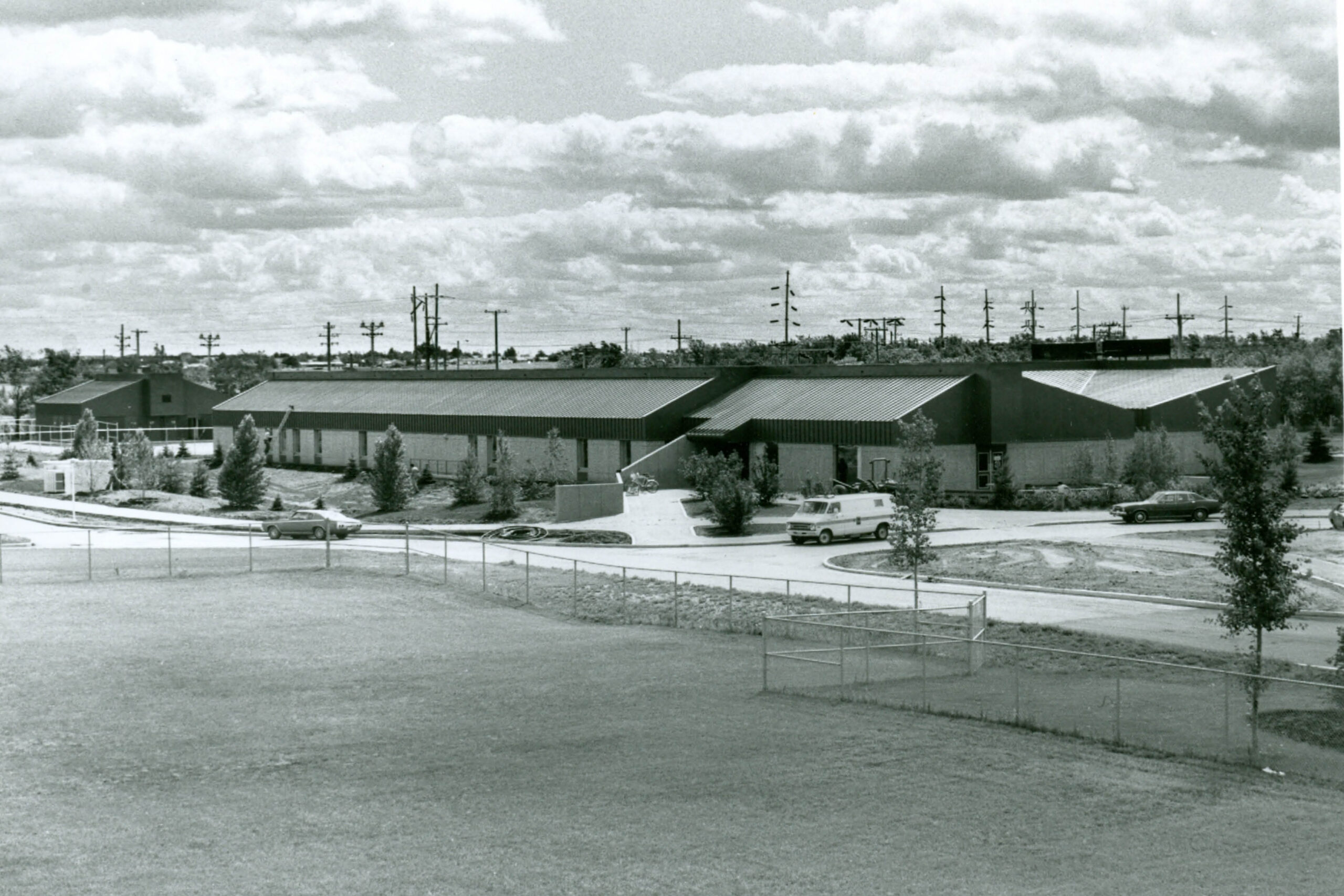
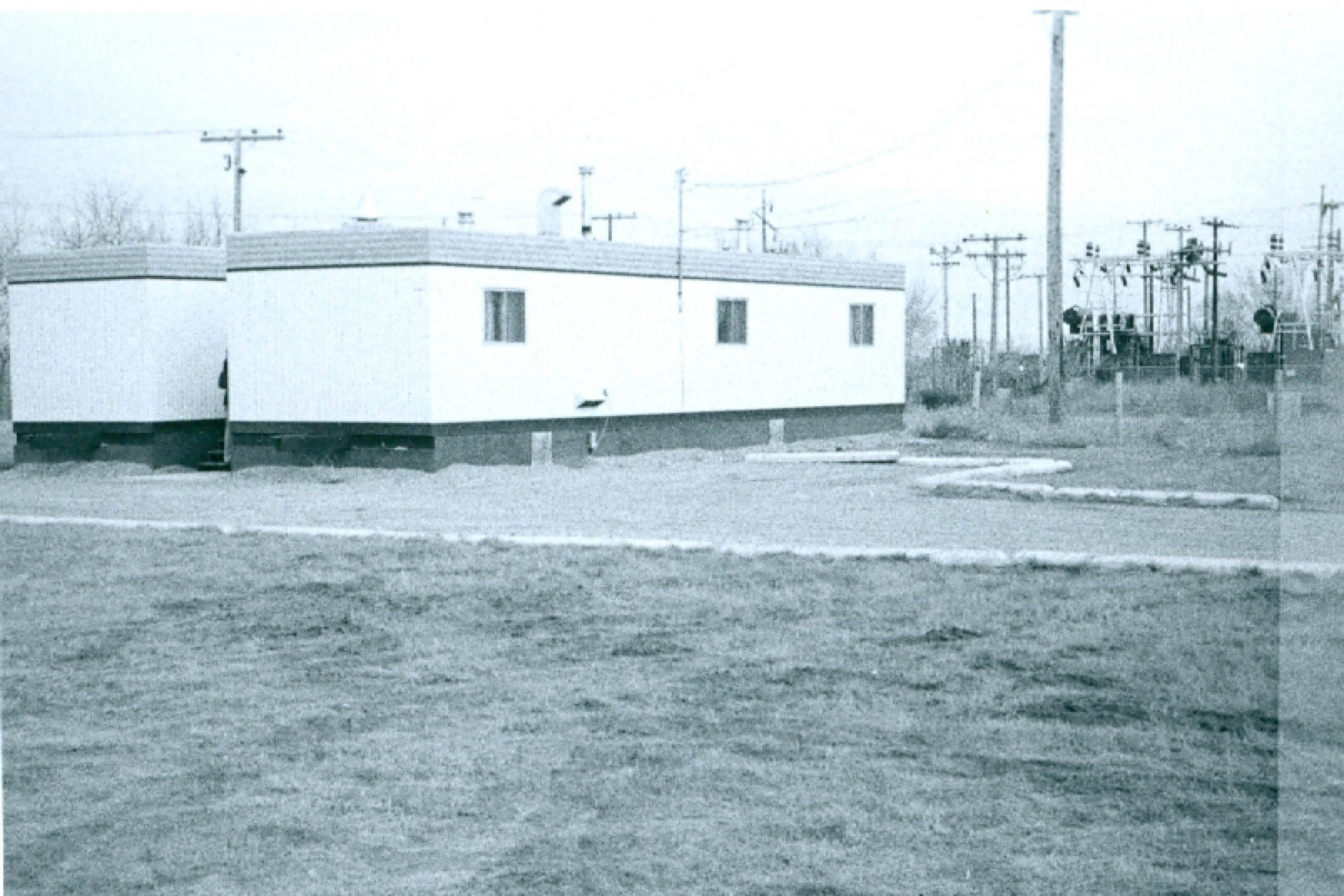
The University of Saskatchewan’s prairie campus offers a decent amount of elbow room, and VIDO takes up its fair share. What began in 1975 as the Veterinary Infectious Disease Organization, a modest research group occupying two trailers, now has a footprint of some 230,000 square metres — larger than Toronto’s Eaton Centre mall — with more to come in the next few years. Now called the Vaccine and Infectious Disease Organization, it can isolate and study hundreds of animals at a time, making VIDO home to one of the largest and most secure facilities in the world for investigating and dealing with any kind of disease-causing organism.
Beyond the academic research this site has fostered for decades, it’s also a jumping-off point for commercial success, as dozens of discoveries have made their way from lab benches to patent offices, and into the manufacturing lines of pharmaceutical firms whose products are sold around the world. When the COVID-19 pandemic descended on Canada in 2020, VIDO became an international focal point for research and testing of some of the many vaccine candidates developed to deal with this public health emergency.
Four decades of vaccine innovation at VIDO
Explore key vaccine developments from 1978 to 2020.

VIDO vaccine milestones
Scroll through key vaccine developments from 1978 to 2020.
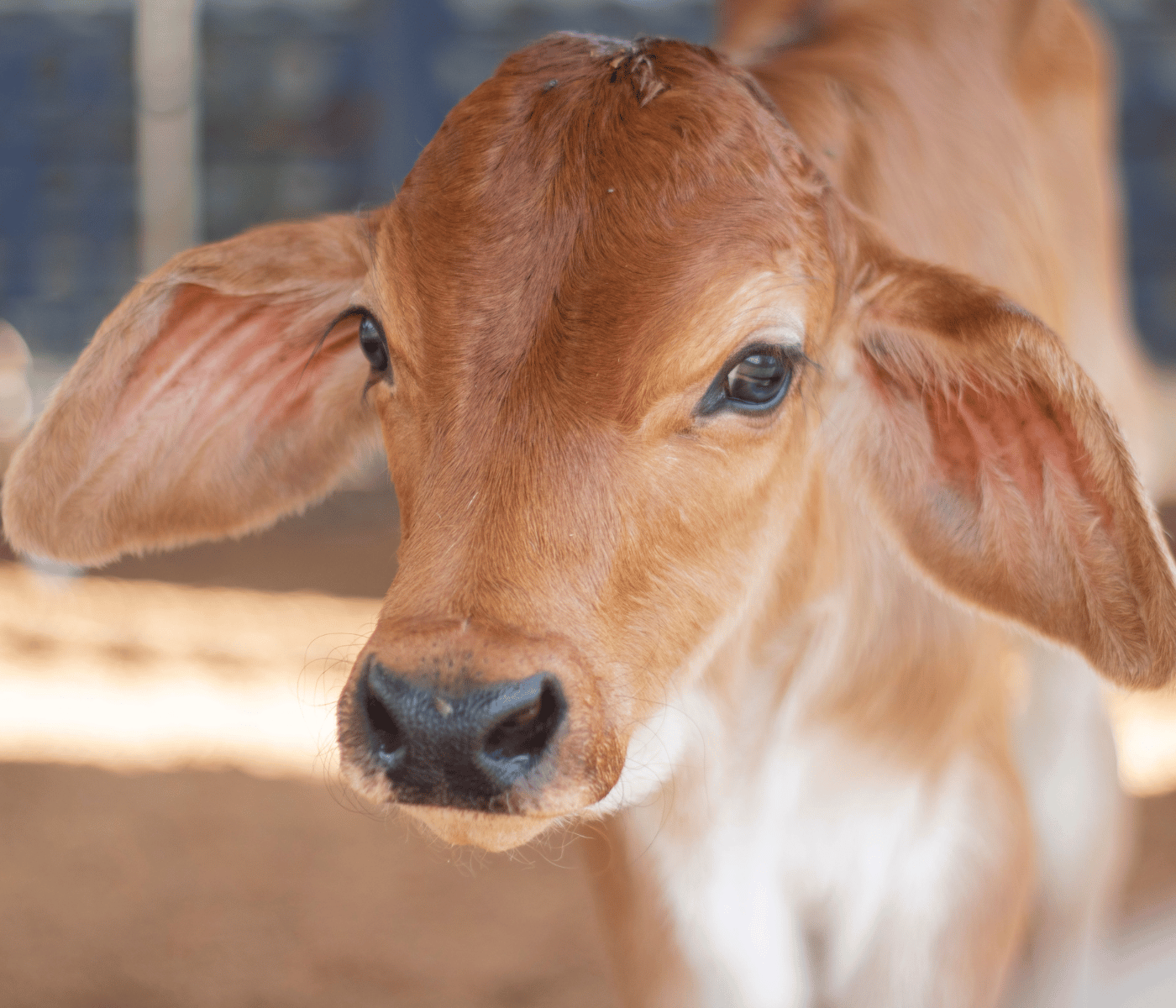
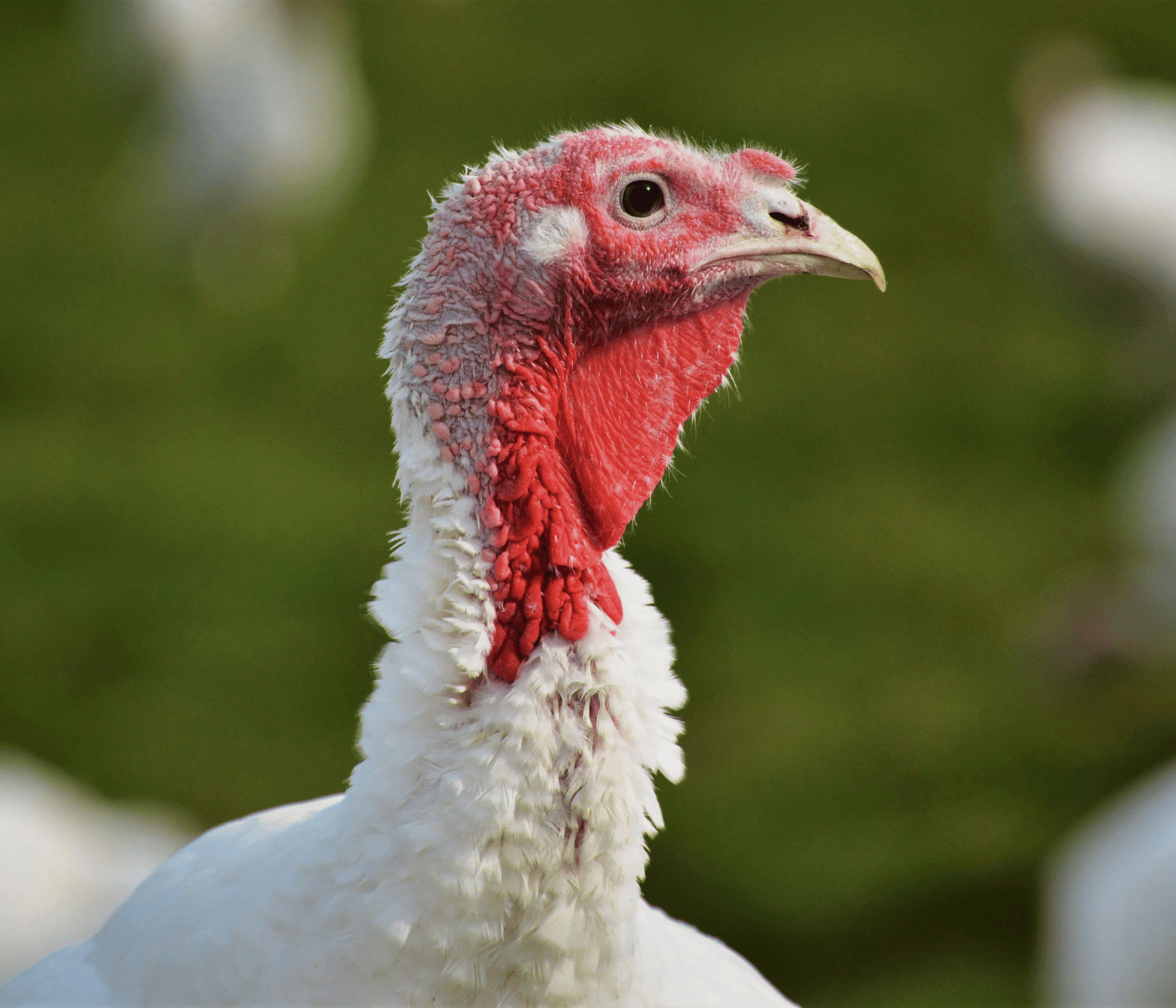
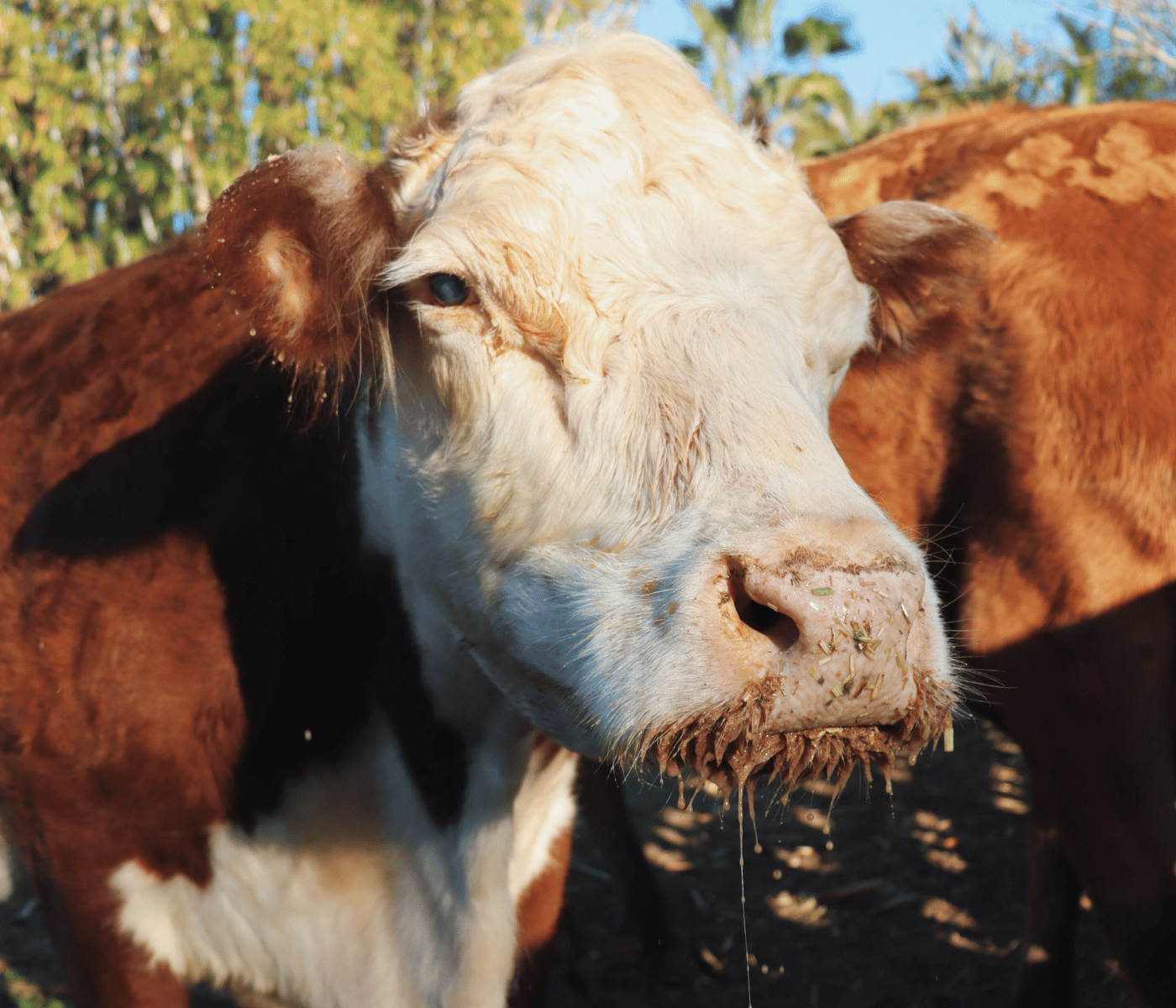



None of this happened by accident, but emerged from steady efforts to push the limits of the possible in a university setting. The federal government’s 2002 profile of VIDO refers to its “unique structure,” allowing it to operate at arm’s length from university administrators, with its own revenue stream and board of governors. “Unlike most academic research units, it retains total control over its intellectual property and keeps all the royalties,” the text noted, reporting VIDO’s patent collection as being larger and more profitable than all the rest of the university’s IP assets combined.
According to former VIDO director Lorne Babiuk, these distinctive features were part of a practical mandate present from the very beginning. The objective was to significantly increase the amount of research being done in veterinary medicine, translating scientific discoveries into tools to benefit livestock producers and animal health. As one of the first faculty members to attach his career to that ambitious goal, he is pleased to recall what life was like in those early days, as well as how the next 50 years went. His former student and current VIDO director Volker Gerdts has even more to say about what the future will look like.
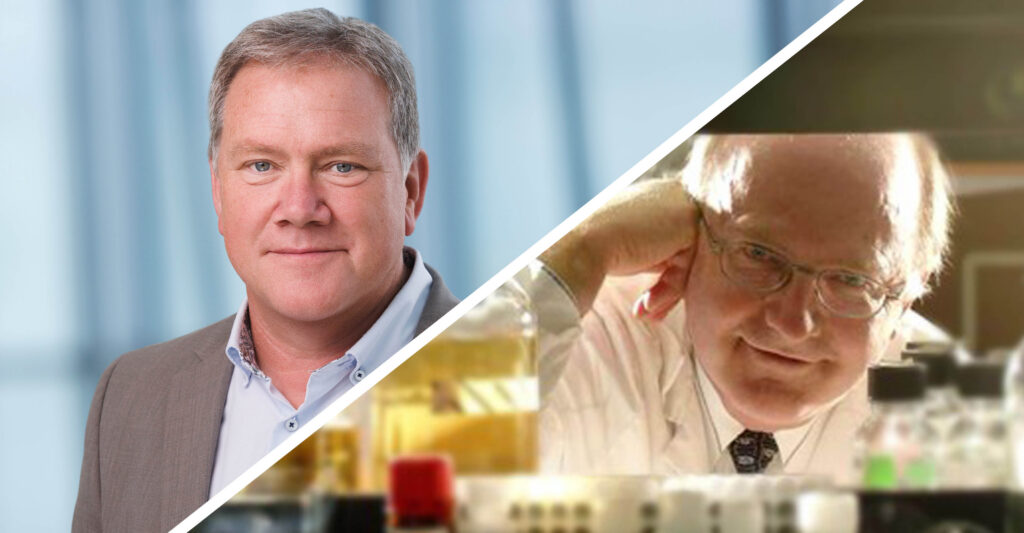
“We will be the only non-government lab in Canada to have access to Level 4 laboratories,” says Dr. Gerdts, referring to recent government investments of almost $150 million to attain the world’s highest biosafety standard, as well as enhancing VIDO’s vaccine development and manufacturing potential. “This will allow us to study human and animal pathogens at any required level of containment, using relevant species ranging from mosquitoes and ticks to livestock and primates. We have the infrastructure needed to respond to whatever the next pathogen, or ‘Disease X’ may be.”
A farm boy’s view of research
The VIDO of today would have struck Dr. Babiuk as a fever dream in the 1970s, when the place consisted of two trailers, two faculty members and a technician. Having just arrived from the University of British Columbia with a background in human medicine, he saw in VIDO an opportunity to link discoveries to practical outcomes, reaching past the typical bounds of university culture.
“Their [the university’s] reward system, all of their philosophy, is output,” he explains. “How many papers did you write, what quality of journal were they in? And that’s all they worry about. I guess being a farm boy, I was more interested in outcome.”
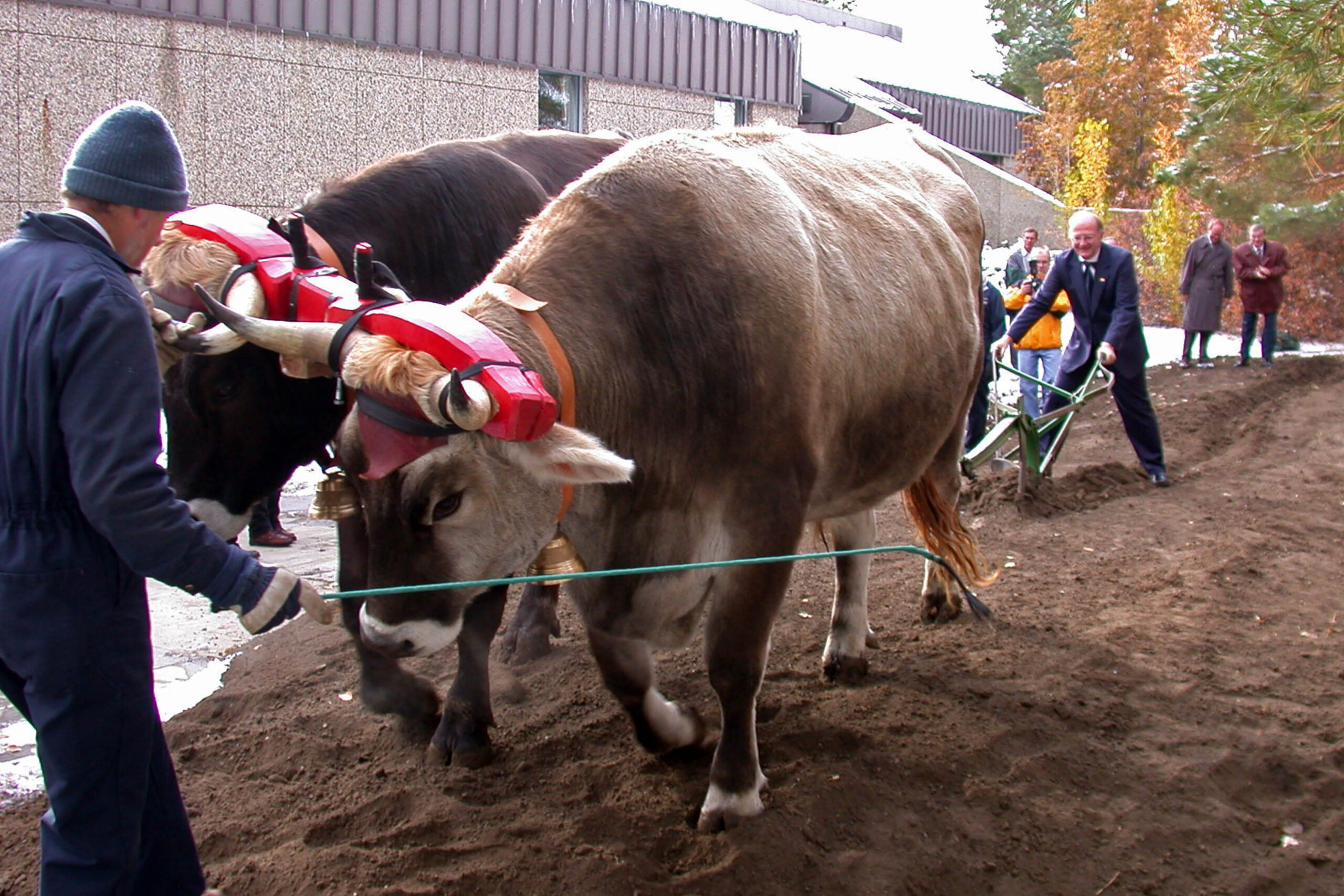
This crucial distinction shaped VIDO’s aspirations. Scientific publications remained important, but researchers were also encouraged to consider whether their findings could lead to vaccines, diagnostics or other tools addressing real-world problems. A new building was constructed with support from the university and additional funding from the Alberta and Saskatchewan governments and the Devonian Group of Charitable Foundations. As VIDO began to develop entirely new classes of vaccines for farm animals, industry partners also began to invest in its efforts to improve livestock care and agricultural productivity. Such work ultimately expanded beyond veterinary vaccines to include infectious diseases affecting both animals and people, prompting a name change to reflect these capabilities.

Moving from lab to marketplace
The mainstay of these developments was intellectual property, which remains the centrepiece of VIDO’s approach to innovation. For Dr. Babiuk, retaining a California-based patent lawyer with a PhD in molecular biology was “the best investment we ever made.” She regularly offered her own suggestions about the kind of data researchers should be collecting to protect valuable IP in a competitive marketplace and to ensure discoveries would be positioned for commercial development.
Nevertheless, patents alone would not turn those discoveries into products. According to Dr. Gerdts, research organizations must carefully consider what companies and regulators require from a prospective vaccine, diagnostic tool or treatment. By way of example, he describes the development of a new vaccine:
“Once you start talking about developing vaccines, you need to clearly identify your initial stock — your master stock — [and] you have to outline and document every path you made from that stock and your working stocks — every little vial,” he says.
This more comprehensive and demanding level of documentation is especially important to commercial partners, who need every assurance that the time and money they put into a university’s discovery will lead to a marketable product. Known in business circles as “de-risking”, this is an essential step in innovation all too easily missed by researchers who either do not understand it, or are unwilling to undertake the heavy lifting it imposes on their staff and facilities.
“We need to do our research in a way that Canadian companies can adapt and accept those technologies through licence agreements, without having to go back and repeat everything from the beginning,” Dr. Gerdts says. “Everything we do will meet the requirements of the regulator, so the company we’re partnering with can use our data, our experiments, our results in their regulatory submission. That saves time. That’s what we need to drive innovation in Canada.”
Many hands make innovation work
Nearly 25 years after being hailed by Industry Canada as one of the country’s leading biotechnology innovators, VIDO stands as a model for integrating the several stages of innovation within a single organization. This capacity is increasingly important to governments and industry partners seeking to strengthen Canada’s domestic productivity and reduce reliance on research and manufacturing capacity outside the country.
VIDO embraced this major challenge from the outset, Dr. Babiuk recalls, which initially made for slow progress and limited revenue streams. “VIDO never, ever should have succeeded,” he concludes. “Everything was stacked against us.”
Progress happened, he adds, by combining academic research with long-term partnerships, intellectual property management, a focus on practical outcomes and, above all, VIDO’s team-based culture. When intellectual property generated revenue, the organization shared some of the benefits broadly among staff rather than recognizing only the investigators named on the patents.
“It wasn’t my research, it was team research,” says Dr. Babiuk. “People really felt like part of a family. Some of these things, which nobody thinks about, can make a huge difference in the culture of an organization and how you value people.”



Featured Jobs
- Impact+ Canada Emerging Leaders in Computational Design and Engineering of Proteins (Faculty Positions)Université Laval
- Movember Institute Discovery Research Program FellowshipsThe University of British Columbia
- Toldo Chair in Christian StudiesAssumption University
- Canada Impact+ Emerging Leader in Quantitative and AI-enabled Electron Microscopy for Quantum and Advanced MaterialsMcMaster University
More from News
-
Waterloo battery researcher wins Canada’s top science prize
Linda Nazar receives NSERC Herzberg Gold Medal for research on cutting-edge energy storage technology.
-
NSERC laureates help save people — and the planet
Researchers at McMaster, Western and the University of Guelph honoured for work in human health and environmental protection.
-

Budget pressures put satellite campuses under threat
Universities wrestle with educational mission, financial realities.
-

Universities in Guelph, Toronto, Alberta and Trois-Rivières win Synergy Awards
From cell biology to sustainable packaging, the NSERC prizes recognize innovative research partnerships.
More from Discovery Inc.
-
Lessons from a quarter-century of innovation
Our four-part series spotlights scientists who overcame obstacles to successfully commercialize their biotech breakthroughs.
More from Articles
-

NSERC announces Arthur B. McDonald Fellowship winners
Research council kicks off a week of prizes with grants for early-stage academics.
-

Feds announce $880 million for research
Funding will support both established health scientists and emerging cross-disciplinary researchers.
-

OCAD University celebrates 150 years of shaping Canadian culture
Art and design university launches $6-million campaign for 150 scholarships to mark 150th anniversary.
-

B.C. higher education: tweak or reform?
In the coming provincial election, parties offer different proposals for a system under strain.


Post a comment
University Affairs moderates all comments according to the following guidelines. If approved, comments generally appear within one business day. We may republish particularly insightful remarks in our print edition or elsewhere.