Lessons from a quarter-century of innovation
Our four-part series spotlights scientists who overcame obstacles to successfully commercialize their biotech breakthroughs.

In 2002, the government department then known as Industry Canada profiled 21 of the country’s biotechnology initiatives in a colourful publication with an enthusiastic title: Follow the Leaders.
Today, fewer than one-quarter of these entities remain as distinctly Canadian enterprises. About half were absorbed into large foreign firms; others petered out through lack of funding or viable results; and a few metamorphosed into new work in entirely different organizations.
That track record might seem dismal, and many Canadians might wish all of this R&D had remained in the country. However, such “churn” has become a familiar part of high-tech development everywhere, accepted as the price of progress.
More importantly, the surviving research activity reveals much about what went right, with lessons for what Canadians need to continue to get right if we want to turn future scientific discoveries into tangible new technologies.
In this series, we look at some of the discoveries highlighted in that 2002 Industry Canada report, and how the scientists behind them overcame obstacles to achieve commercial success.
Instalments will be published every Tuesday throughout the month of November.
Part 1: From veterinary research lab to patent powerhouse
We begin by looking at how, by placing the needs of industry ahead of those of academic administrators, the University of Saskatchewan’s Vaccine and Infectious Disease Organization evolved from a modest veterinary medicine research group to one of Canada’s six designated Major Research Facilities — capable of handling the next pandemic and much more.
Part 2: From bright idea to commercial partnership
Our second article explores how scientists at the University of Guelph and Université Laval built strategic relationships with agricultural industry representatives, to take their genetic research beyond the pages of scholarly journals. Their discoveries became the basis of patented livestock breeding technology employed by a major Canadian consortium, serving all of Canada and licensed to firms all over the world.
Part 3: How a laboratory surprise took on a life of its own
The story of a serendipitous discovery at Queen’s University illustrates how dedicated members of the research community can overcome setbacks and find creative ways of keeping their work alive, with new partners and new ideas.
Part 4: Turning knowledge into money
In 2002, biotechnology was one of the most promising fields of the day; in 2026, that same energy swirls around artificial intelligence and quantum computing. And just as they did before, Canadians are bound to attach high expectations to the prospect of research discoveries that turn into products or services enhancing our economy and quality of life. However, the path from lab to lifestyle is far more fraught, complex, and demanding than most of us would like to imagine. By examining what has worked well since 2002, perhaps we stand a better chance of meeting the expectations for this latest round of discovery and innovation.



Featured Jobs
- International Studies - Faculty Position (Arctic Defence and Security)Université Laval
- Global Inequalities and Trade - Faculty PositionUniversité Laval
- Psychology - Assistant Professor (Clinical Psychology)Western University
- Director, Human Research Ethics & Strategic AdvisorUniversity of Manitoba
- Canada Impact+ Emerging Leader in Quantitative and AI-enabled Electron Microscopy for Quantum and Advanced MaterialsMcMaster University
More from News
-

Waterloo battery researcher wins Canada’s top science prize
Linda Nazar receives NSERC Herzberg Gold Medal for research on cutting-edge energy storage technology.
-
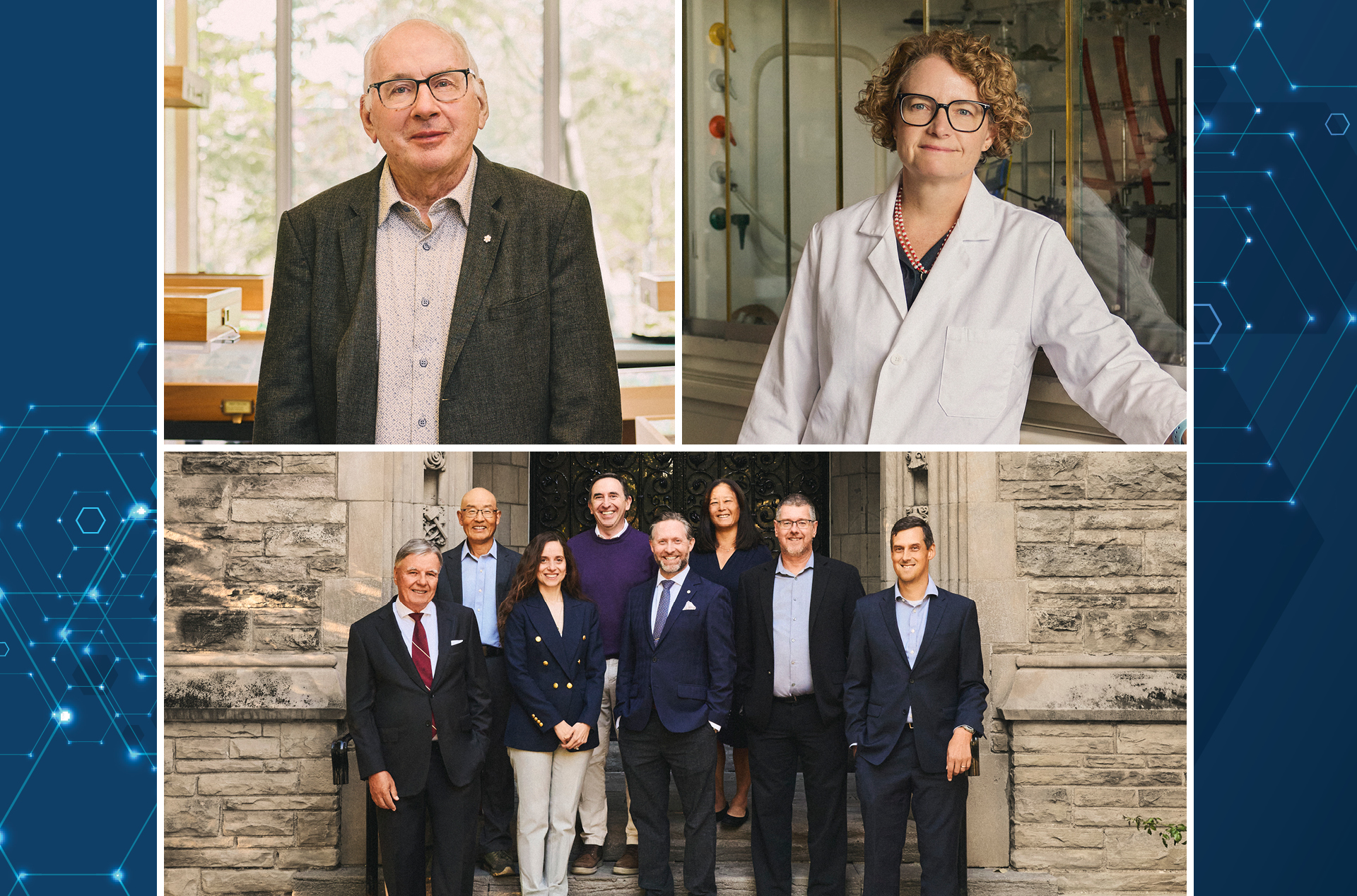
NSERC laureates help save people — and the planet
Researchers at McMaster, Western and the University of Guelph honoured for work in human health and environmental protection.
-
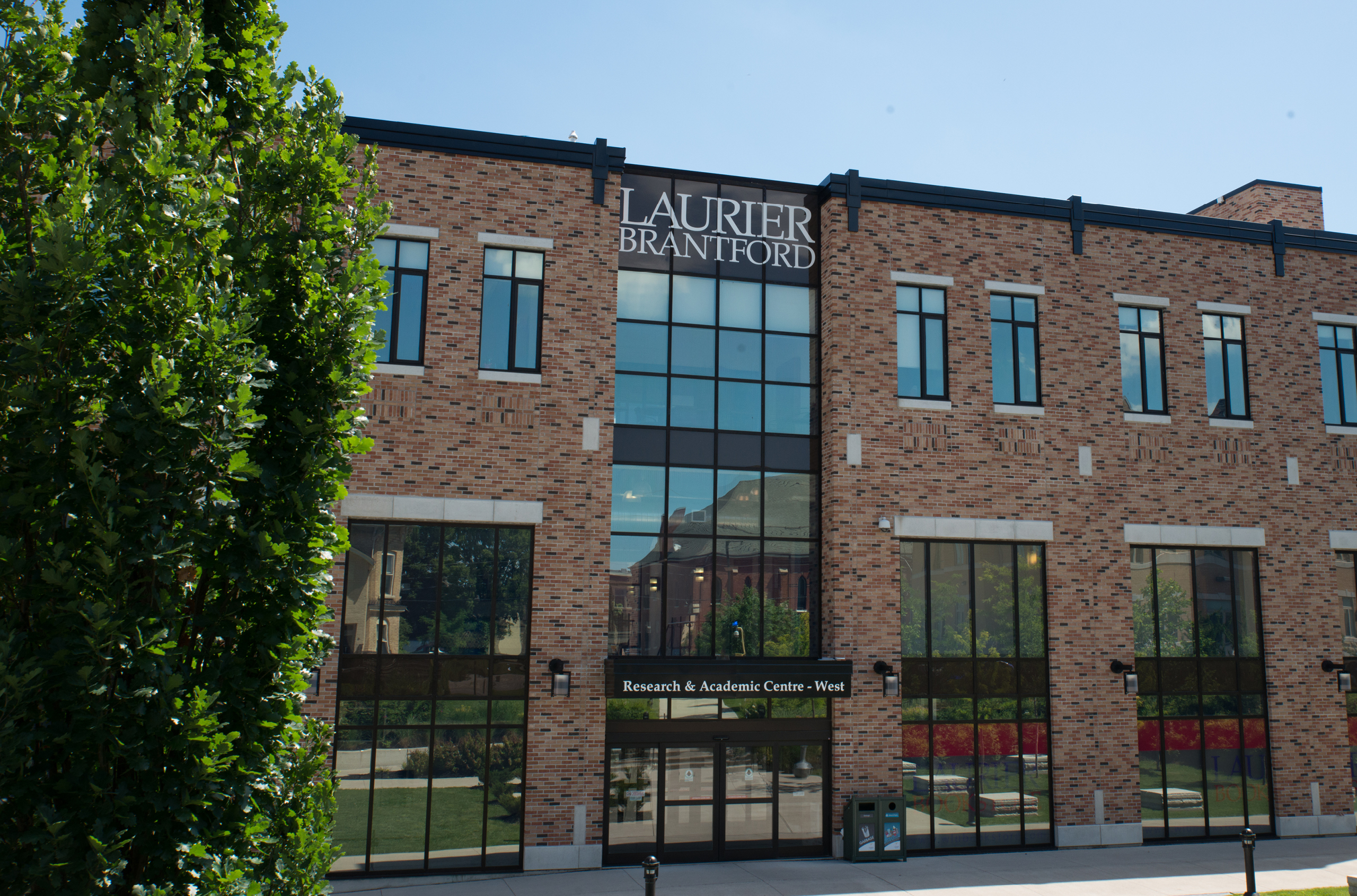
Budget pressures put satellite campuses under threat
Universities wrestle with educational mission, financial realities.
-

Universities in Guelph, Toronto, Alberta and Trois-Rivières win Synergy Awards
From cell biology to sustainable packaging, the NSERC prizes recognize innovative research partnerships.
More from Articles
-

NSERC announces Arthur B. McDonald Fellowship winners
Research council kicks off a week of prizes with grants for early-stage academics.
-

Feds announce $880 million for research
Funding will support both established health scientists and emerging cross-disciplinary researchers.
-
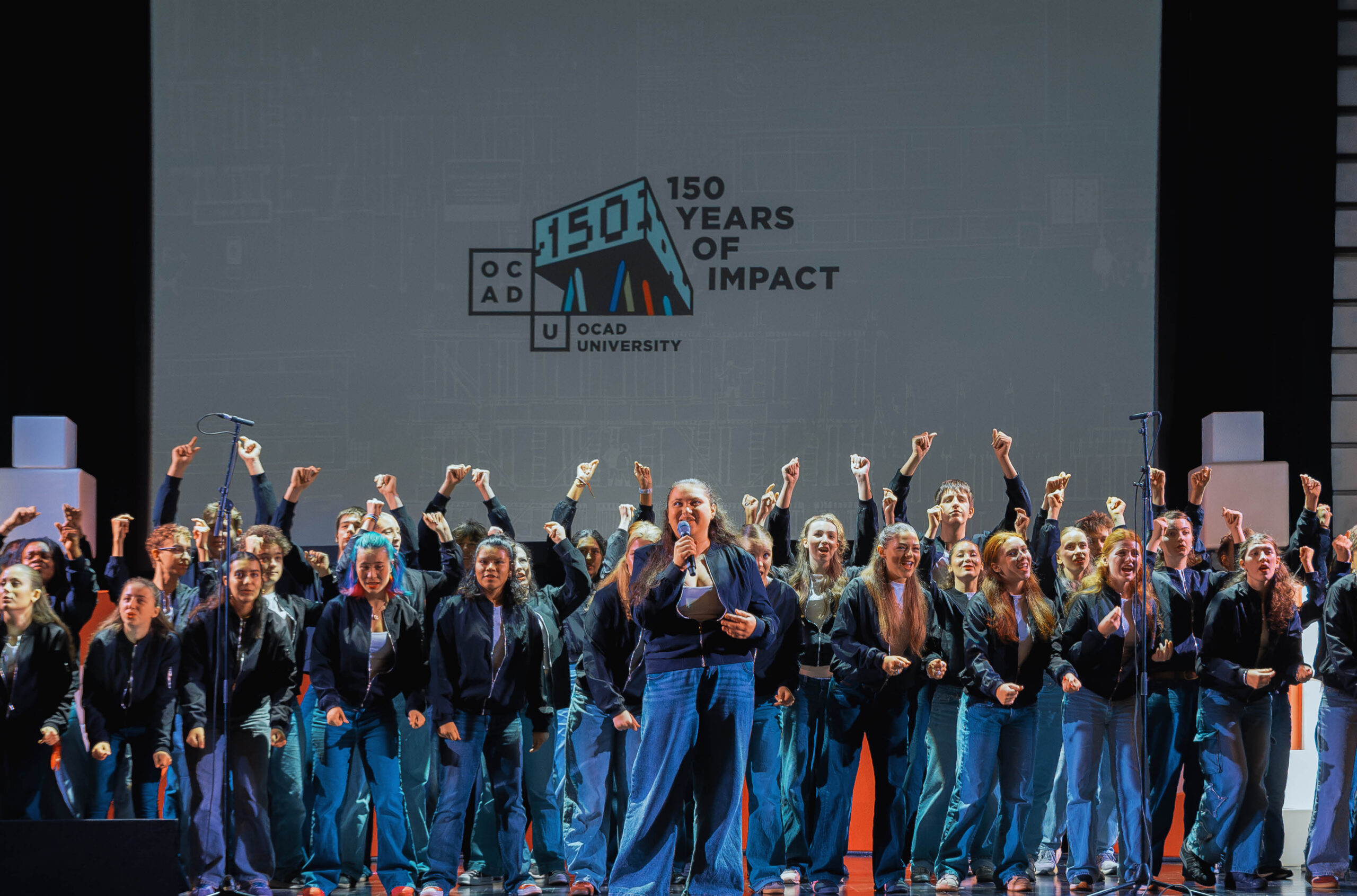
OCAD University celebrates 150 years of shaping Canadian culture
Art and design university launches $6-million campaign for 150 scholarships to mark 150th anniversary.
-

B.C. higher education: tweak or reform?
In the coming provincial election, parties offer different proposals for a system under strain.


Post a comment
University Affairs moderates all comments according to the following guidelines. If approved, comments generally appear within one business day. We may republish particularly insightful remarks in our print edition or elsewhere.