Universities honour veterans and highlight the importance of peace
From the shores of Newfoundland and Labrador to British Columbia, Canadian universities will pause to reflect on Remembrance Day.

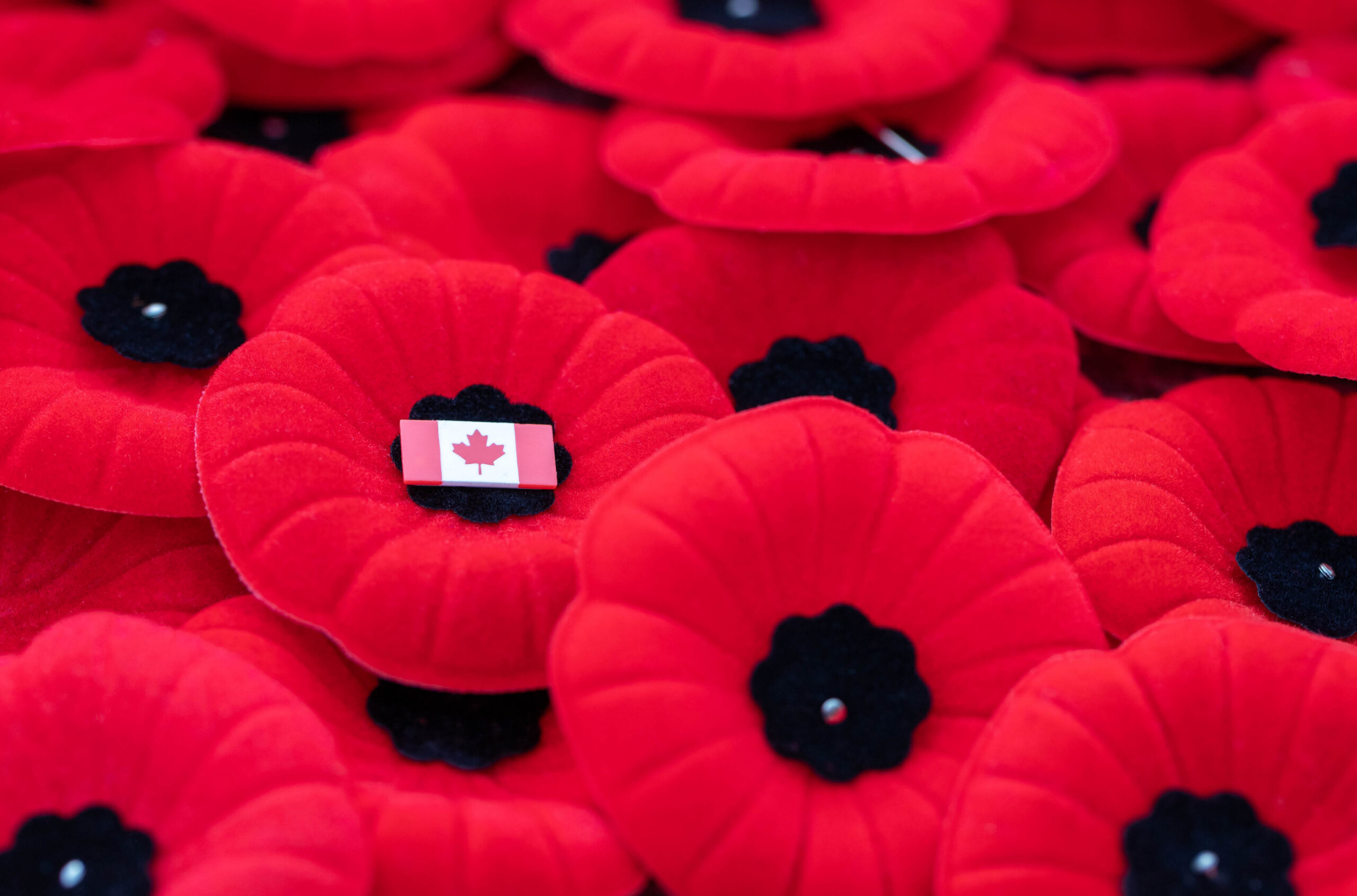
When poppy-red lights illuminate the University of Regina’s campus on Remembrance Day, Jeff Keshen will be reflecting on his late father’s service to our country.
“I grew up at a time when my dad was a World War II veteran,” shares Dr. Keshen, president and vice-chancellor at the U of R, who holds a doctoral degree from York University with a research concentration in the history of war and conflict. “I met many veterans of World War I.”
Dr. Keshen acknowledges that many of today’s students don’t have that personal link to war, which impacts how relevant Remembrance Day may feel to them.
“I think there needs to be a greater appreciation and understanding of the past,” he suggests of the student body. “As we become more distant from those times, you have less people directly connected to it; your knowledge of [war] and your connection dissipates, so it becomes that much more of a challenge.”
In addition to observing Remembrance Week and Veterans’ Week (Nov. 5 to 11), the U of R also commemorated National Indigenous Veterans’ Day on Nov. 8, honouring First Nations, Inuit, and Métis military service and sacrifice. But beyond the ceremonies and moments of silence, the university is implementing concrete measures to enhance community connections with the military.
“We’ve recently introduced a number of measures to help veterans’ recognition; we are able to recognize their credits for military service, training and other areas that can be linked to academic service,” Dr. Keshen explains, adding the university also provides priority registration to veterans.
Since the U of R began tracking self-declarations of military status in 2025, 161 students have self-declared military status. Dr. Keshen says the university is striving to offer them more tailored supports.
“We’re helping our faculty to be confident in providing military folks –– who have service obligations –– flexibility in the delivery of their course material,” he says. “We also provide specialized student service support, to help them navigate programs that are available, like specialized scholarship, but also utilizing things they might not be aware of in the military itself –– the financial support that’s provided.”
Serving as a living memorial
Founded in 1925 in honour of Newfoundlanders who lost their lives in World War I, Memorial University campuses are home to several physical symbols of war and conflict. The iconic clocktower –– which keeps watch over the St. John’s campus –– acknowledges the sacrifice of the men and women who served their country, while the Danger Tree sculpture at the Grenfell campus commemorates the centenary of the Battle of Beaumont-Hamel in France. The university also holds three copies of the Book of Remembrance; every day a page is turned with reverence at both Grenfell and St. John’s campuses.
To ensure remembrance is not a passive act, ceremonies of remembrance are planned on three of Memorial University’s campuses. Attended by faculty, staff and students, the services include a wreath laying, performances from a military band and speeches about the meaning of remembrance. There will be no classes and administrative offices will be closed.
But there’s more to remembrance than our monuments, plaques and founding ideals, says Janet Morrison, president of Memorial University.
“The practice of remembrance and the fundamental purpose of a university education share many qualities,” suggests Dr. Morrison. “These include helping students critically examine the choices we make as a society, the consequences of those decisions and the importance of protecting peace, freedom and human rights.”
Through active remembrance, she notes, students gain a deeper appreciation of learning from our past to inform how we respond to the pressures in the present.
“What we hope to instil here is that remembrance is not only about honouring the dead,” she says. “It’s also about helping students reflect on what could have been lost –– and the fate they could have inherited –– had those who came before them not fought for their liberties.
“Reflecting on this can inspire students to embrace their own responsibility to shape a better future.”
Learning the whole story
At the University of Northern British Columbia (UNBC), Bill Owen emphasizes that remembrance means learning the whole story –– including the parts that have been overlooked for too long.
“That responsibility belongs, in part, to universities,” says Dr. Owen, interim President and vice-chancellor at UNBC, where students, faculty and staff are encouraged to attend Indigenous Veterans Day and Remembrance Day events in their communities. Nov. 11 is a statutory holiday in B.C., and no classes will be held. “Through teaching, research and community partnerships, institutions like UNBC help keep that memory alive.”
Dr. Owen adds that today, veterans study and work at UNBC, while researchers continue to advance understanding of service, trauma and recovery.
“Honouring veterans reminds us of the responsibility to understand their experiences, support their well-being and ensure they are treated with dignity and respect,” he says. “Their sacrifices have helped preserve the freedoms we enjoy today, including the opportunity to pursue post-secondary education.”
Back at the U of R, Dr. Keshen underscores what we can learn from our surviving and late veterans.
“They’re the ones who saw the evil and the horror of war; they’re the ones who saw people dismembered in Afghanistan,” says Dr. Keshen. “Those people fought for something, and I think that if we forget, it is at our peril.
“The lessons of history teach us the consequences of doing certain things; history doesn’t necessarily repeat itself exactly, but it does tend to mimic in many ways.”


More from News
-
From bright idea to commercial partnership
How a University of Guelph grad student’s interest in immunology led to healthier cattle herds.
-
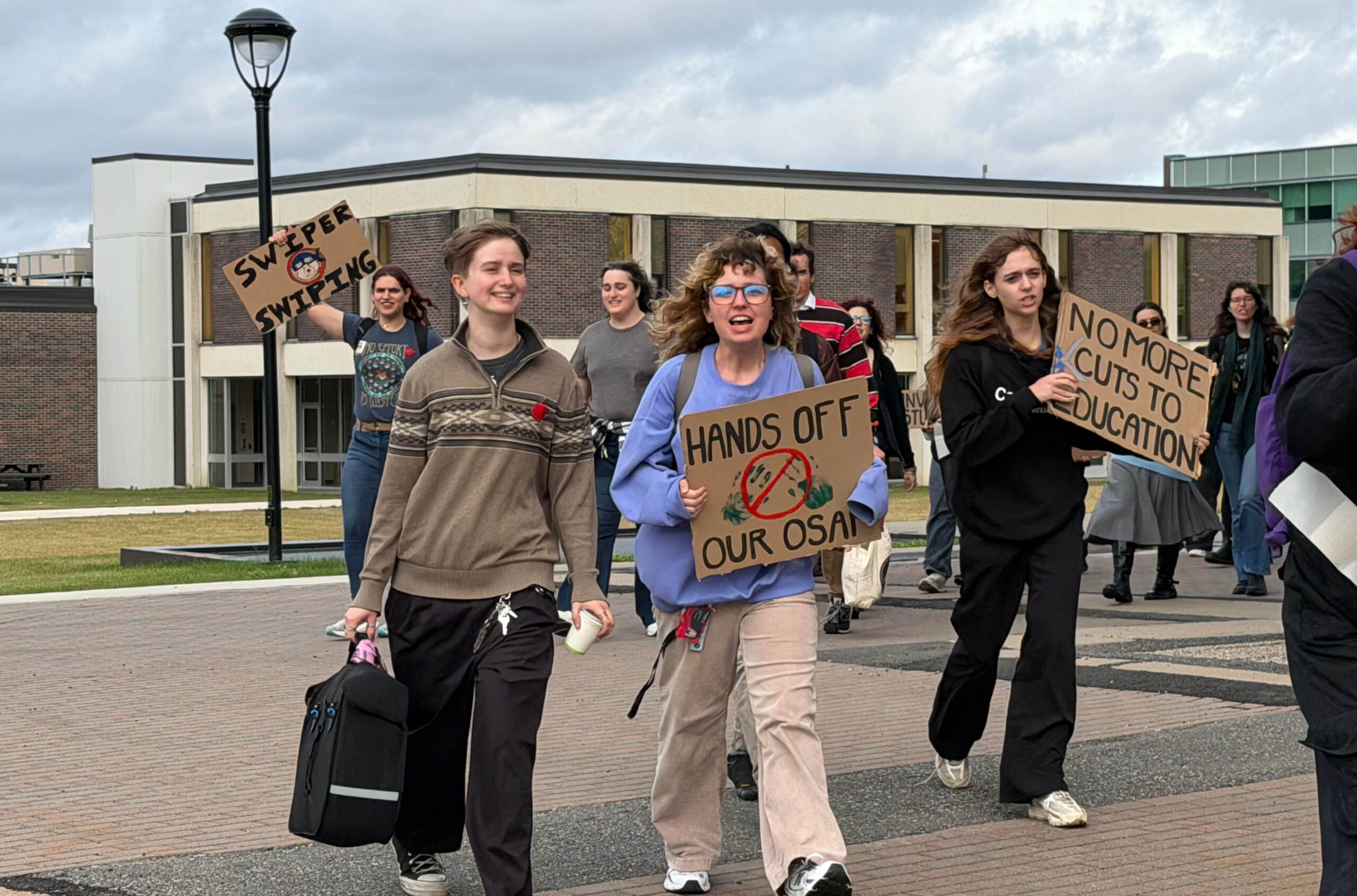
Ontario university students protest OSAP changes
Cuts to grants and rising cost of living put the squeeze on student finances.
-
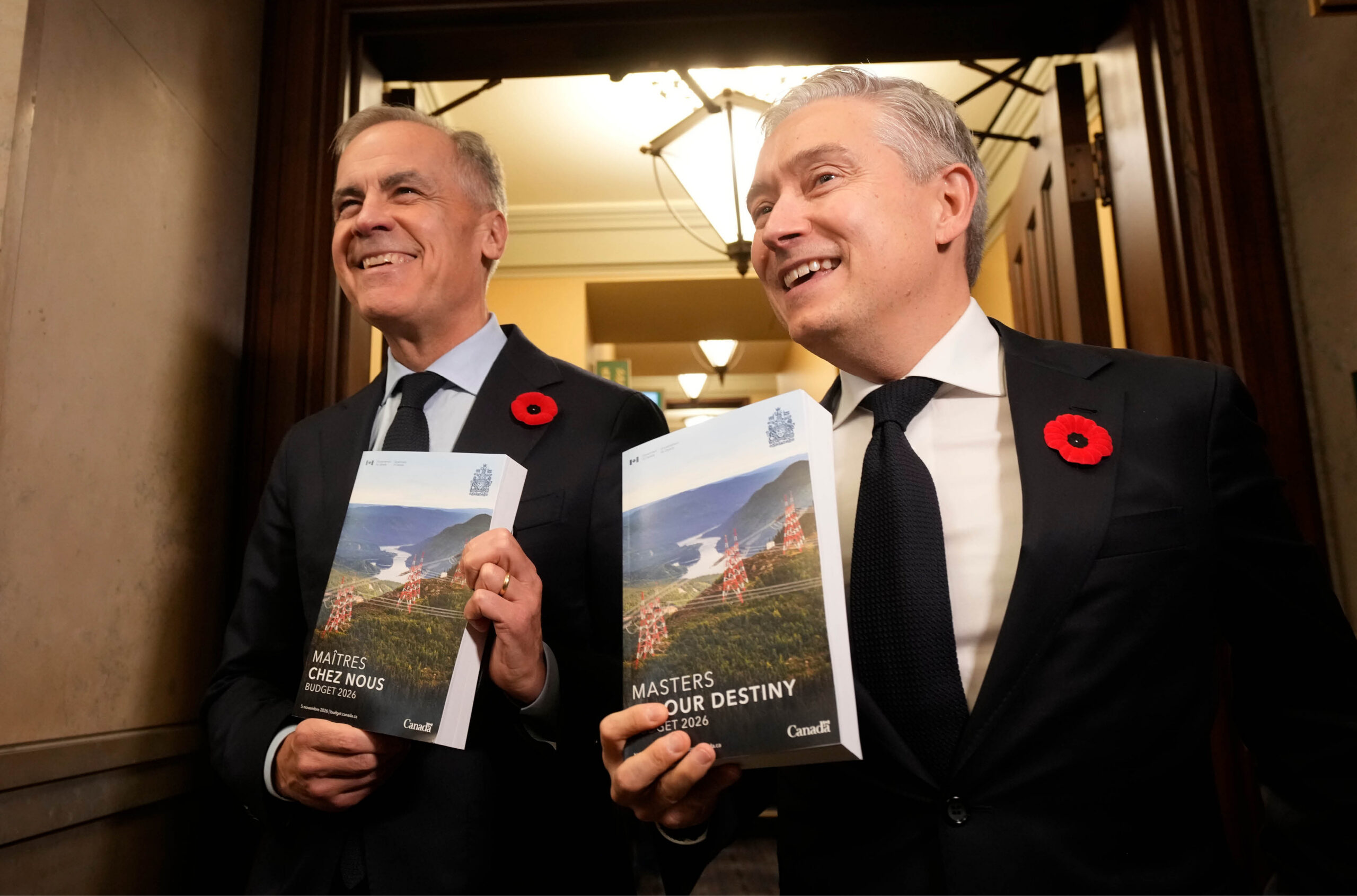
Budget 2026 provides small investment in post-secondary sector
Budget 2026 invests in defence innovation, emerging technologies and research commercialization.
-
Scholarships strengthen ties with Irish universities
Inaugural De Chastelain scholars foster peace and reconciliation through academic collaboration.
More from Campus news
-
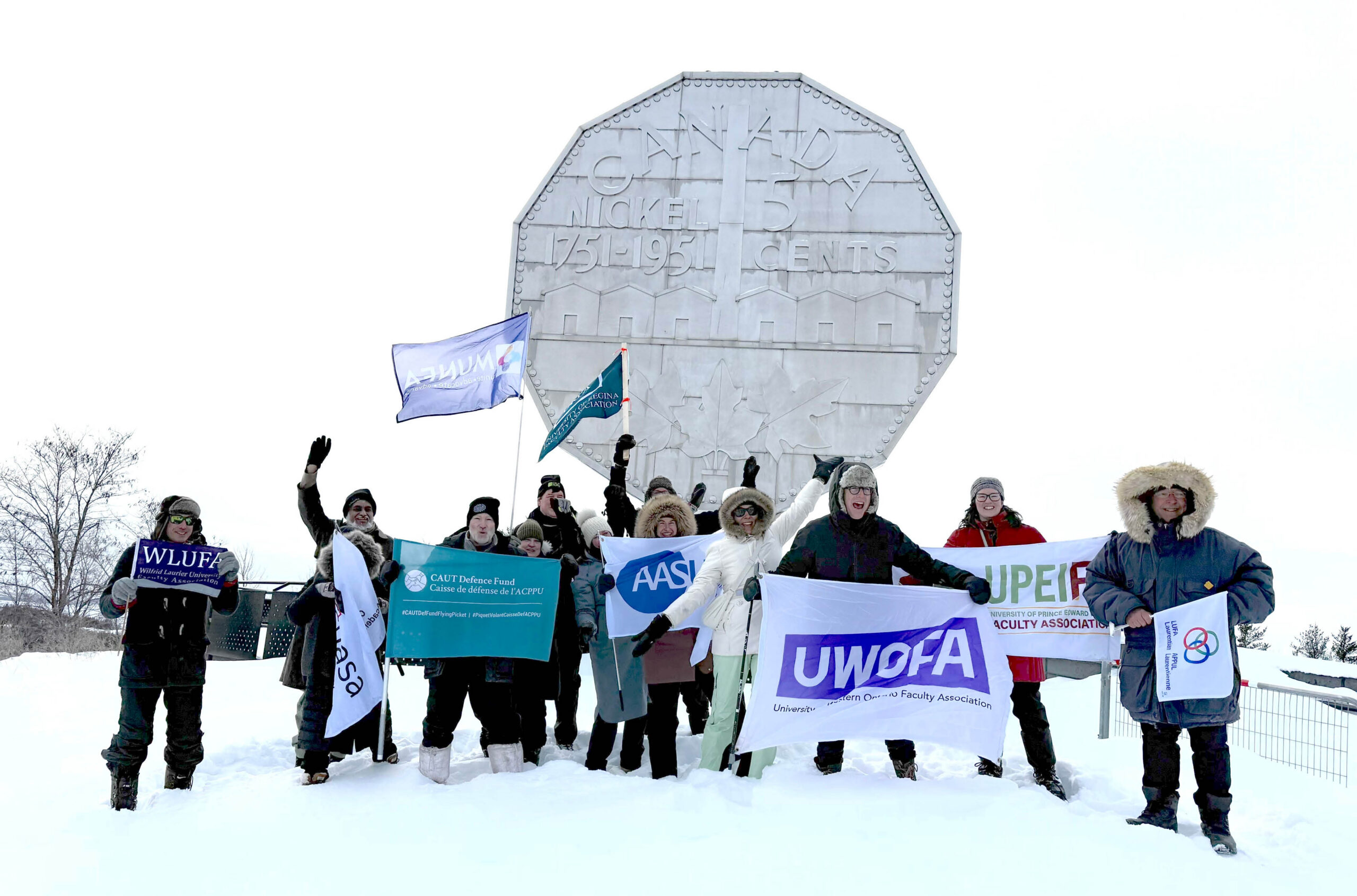
Strike over, but strife remains at Laurentian
Faculty ratify new collective agreement, but say the deal still puts them behind other Ontario universities.
-
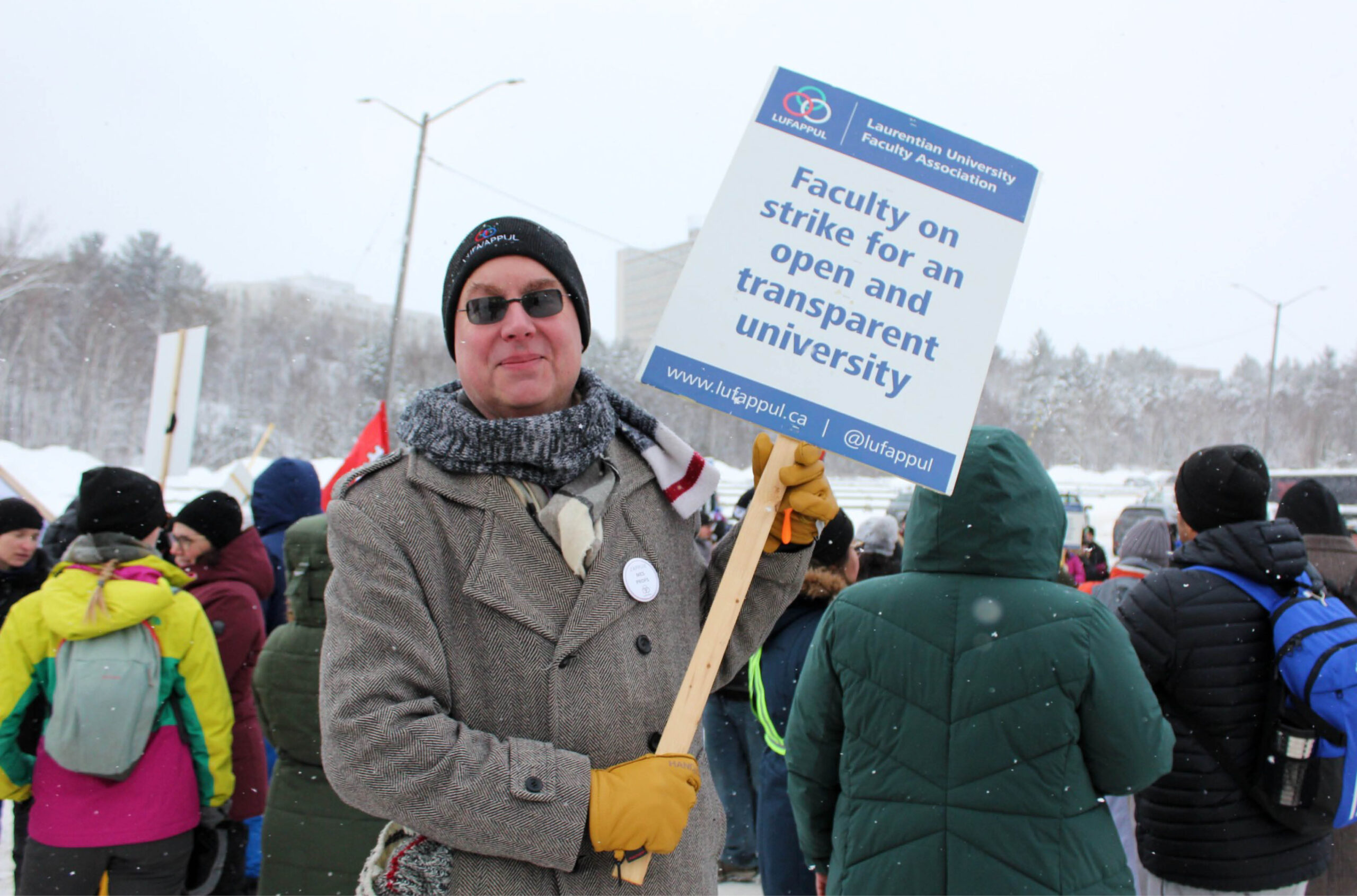
Faculty strike at Laurentian
Negotiations fail, picket lines rise at northern Ontario university.
-

Quebec universities weather an unprecedented storm
The province’s institutes of higher learning are navigating immigration restrictions, language policies, budget cuts and challenges to academic freedom.
-

Reflecting the cultural temperature
A look back at some of Spring’s convocation speeches at Canadian universities.
More from Articles
-
From veterinary research lab to patent powerhouse
How the University of Saskatchewan’s VIDO defied academic norms to succeed.
-

Computer science students uncertain of job prospects
AI is disrupting their career prospects, but most still have a positive view of the technology.
-
Waterloo battery researcher wins Canada’s top science prize
Linda Nazar receives NSERC Herzberg Gold Medal for research on cutting-edge energy storage technology.
-
NSERC laureates help save people — and the planet
Researchers at McMaster, Western and the University of Guelph honoured for work in human health and environmental protection.
Post a comment
University Affairs moderates all comments according to the following guidelines. If approved, comments generally appear within one business day. We may republish particularly insightful remarks in our print edition or elsewhere.