How serendipity built a cross-disciplinary career
Taking research positions out of economic necessity allowed me to gather a broad set of skills and knowledge.


Something about my NSERC grant proposal bothered me the whole week. I could not pinpoint what it was, so I spent the week rereading it, tweaking sentences, replacing phrases, and sometimes just staring at it. Feedback from my colleagues could not help with my disquiet; they thought the proposal was in great shape and required only minor cosmetic edits.
Then, one evening, I had a strong urge to revisit an old email I had sent in 2010, seeking feedback from Canadian and American professors on a PhD proposal. At the time, I was a sessional instructor teaching chemical-reaction engineering at a university in Zimbabwe. I had just been shortlisted for a Fulbright Scholarship, and I was proposing to develop an analytical technique that would model how organisms unwittingly take up pesticides in soil. Although I won the scholarship, I ended up tackling a completely different subject for my PhD.
I am now a tenured associate professor in Canada, and my angst, I realized, stemmed from the fact that the research I was proposing to NSERC was an elaborate iteration of that one-page PhD proposal I’d sent out 16 years ago.
A winding career path
My career trajectory epitomized the old saying, “Wait until you get tenure, then you will do whatever research you want!” So it turned out. When I arrived in California to start my PhD, I discovered my supervisor already had several doctoral students working on a topic related to the one I’d proposed. I ended up pursuing the second-best topic available, chiral pollutants in the environment. This taught me a valuable lesson on adaptability and cognitive flexibility: although it seemed unfair, as I had to develop new analytical methods, it gave me the opportunity of understanding how advanced analytical instruments worked, developing procedures and guidelines, and gaining subject mastery. Today, I can break apart such instruments and build them up again without a manual.
When I arrived in China for my postdoctoral fellowship on protecting Chinese white dolphins, I found my supervisor and I came from different fields: he was a marine ecologist, while I was an environmental chemist. When we talked about the project, we had to rely on analogies to understand each other. Because of my time teaching reaction engineering in Zimbabwe, I envisioned the Chinese white dolphins as reactors, fish as raw materials, and the marine environment as a closed system receiving inputs from land- and ocean-based activities. As my analogical thinking grew, it became easier for me to contribute to other projects my supervisor was working on, which ranged from developing bioremediation strategies for cleaning up soil using marine microorganisms, to assessing toxicity of chemicals using dolphin skin cells, to evaluating the diversity of fish in coastal environments.
After securing a permanent position as an assistant professor in forensic science in England, I moved away from China. It was during this period that I realized my atypical career path could make it difficult for me to progress. During a progress review meeting, one of my line managers expressed concern about the diversity of my research interests, asking: “When you are up for promotion, your professorship will be in what field?” I never had the privilege to think about that: I had done research in analytical chemistry, microbial ecology, marine mammalian toxicology, environmental chemistry and environmental engineering. Now, I had to think seriously about specializing, but I needed grant money for that, and funders needed proof that I had specialized enough for the proposed research to succeed. So, I left for Canada — to the University of Saskatchewan where my atypical research background was considered valuable, as it could promote collaborations within the University.
The advantage of not specializing
As I revised my NSERC proposal, I noticed how almost every aspect of it, from the writing process to the final product, paid homage to my interdisciplinary travelogue. While the proposal took me back to my environmental chemistry roots — looking at how complex chemical mixtures behave in the environment — it also borrowed ideas from marine ecology, where chance and circumstance shape community diversity. My experience teaching chemical-reaction engineering enabled me to reimagine an organism as a set of interconnected unit operations that can each be best understood by tracking what goes in, what changes, and what comes out. Designing my proposed fieldwork, I paid homage to my stint in forensic science by remembering that every contact leaves a trace.
I have printed out my old PhD proposal and placed it in a frame; I am going to hang it in my office to serve as a reminder that in these past 16 years I have never taken a detour. Rather, my research journey was like a treasure hunt: in each area I studied, I collected skills, tools, experiences and knowledge to add to my chest. Together, they proved helpful in applying for — and winning — my recent NSERC Discovery Grant.



Featured Jobs
- Psychology - Assistant Professor (Clinical Psychology)Western University
- International Studies - Faculty Position (Arctic Defence and Security)Université Laval
- Theatre and Film - Assistant Professor Without Review (Performance Practice)The University of British Columbia
- Global Inequalities and Trade - Faculty PositionUniversité Laval
- Director, Human Research Ethics & Strategic AdvisorUniversity of Manitoba
More from Career Advice
-

From doctoral student to entrepreneur
Resources abound to help you turn your PhD research into a business startup.
-

Internationalizing Truth And Reconciliation through multilingual storytelling
Faculty share stories in their home and heart languages in the University of the Fraser Valley’s Leq'áleq’el Video Series.
-

Show it clearly: illustrating a report for your community partners
Part II: How to design figures that tell your story.
-

Life lessons from the World Happiness Report
Happiness is a gift for elders to pass on to the younger generation.
More from Research
-

Science in French? Bien sûr!
As English dominates the publication landscape, support for French-language research is a strategic investment in the quality, equity and the future of knowledge.
-
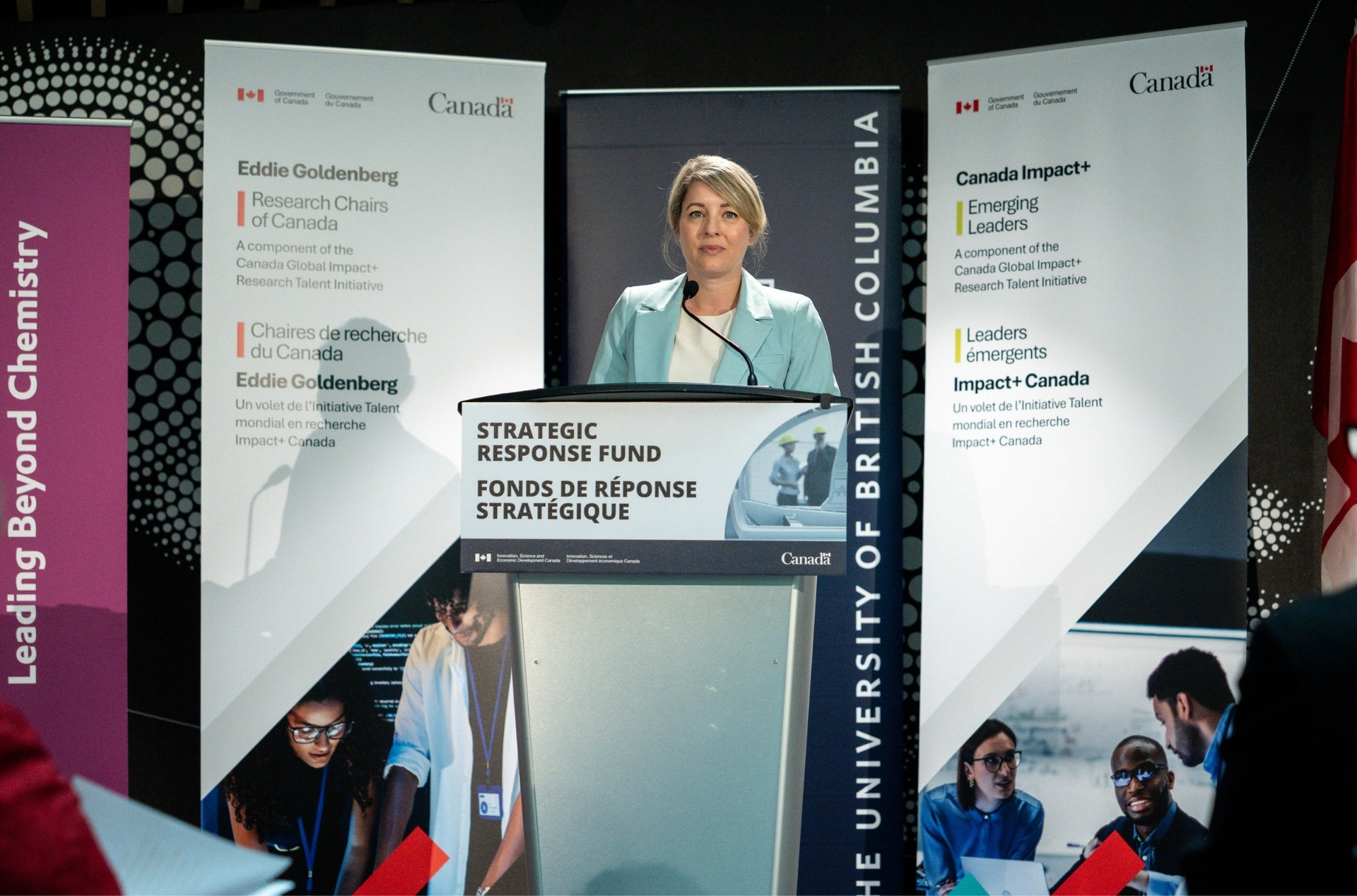
Ottawa announces 64 new research chairs in international talent attraction strategy
Top-tier researchers from 13 countries to join Canadian universities in first wave of appointments.
-
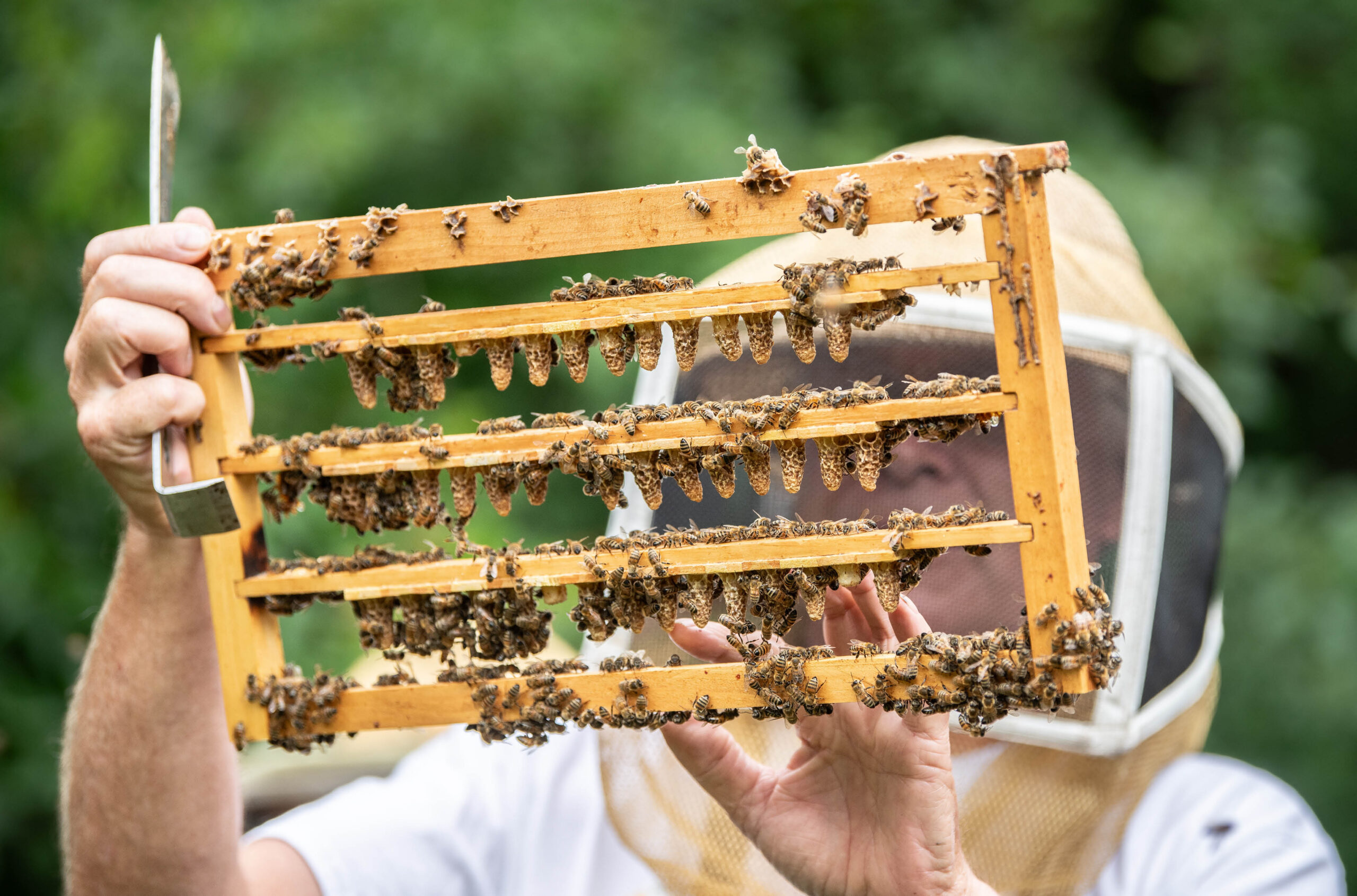
A look inside the hive: celebrating honey bee research at two Canadian universities
As MacEwan University marks 10 years of bees on campus, the University of Guelph kicked off the year by unveiling its newest centre for honey bee research.
-

Canada needs a national strategy to protect scholars at risk
Supporting displaced academics is a strategic investment in Canada's research and innovation ecosystem.
More from Career Advice Articles
-

Can you spot an essay written by AI?
Learn the common patterns, limitations, and clues that may reveal AI-generated writing.
-

The secret to good labour relations
Two negotiators — one from a faculty association, one from a university administration — share their advice for building trust and achieving the common good.
-
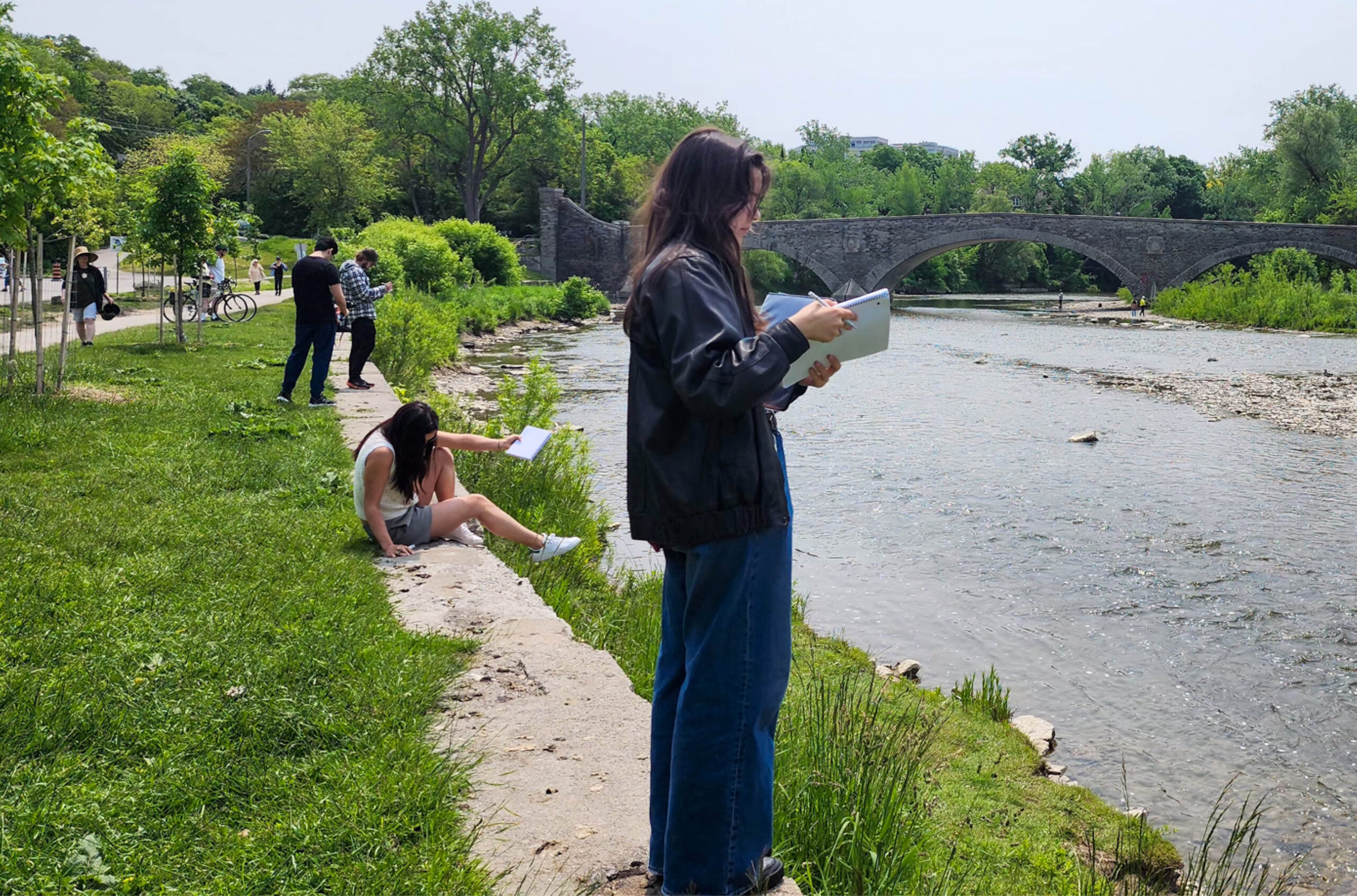
Teaching in the great outdoors
A unique creative writing class at the University of Toronto connects students to nature.
-

Why are multiple-choice questions making a comeback?
Distinguishing the correct answer from plausible, but incorrect, alternatives sharpens students' skills in detecting AI slop.

Post a comment
University Affairs moderates all comments according to the following guidelines. If approved, comments generally appear within one business day. We may republish particularly insightful remarks in our print edition or elsewhere.