Internationalizing Truth And Reconciliation through multilingual storytelling
Faculty share stories in their home and heart languages in the University of the Fraser Valley’s Leq'áleq’el Video Series.

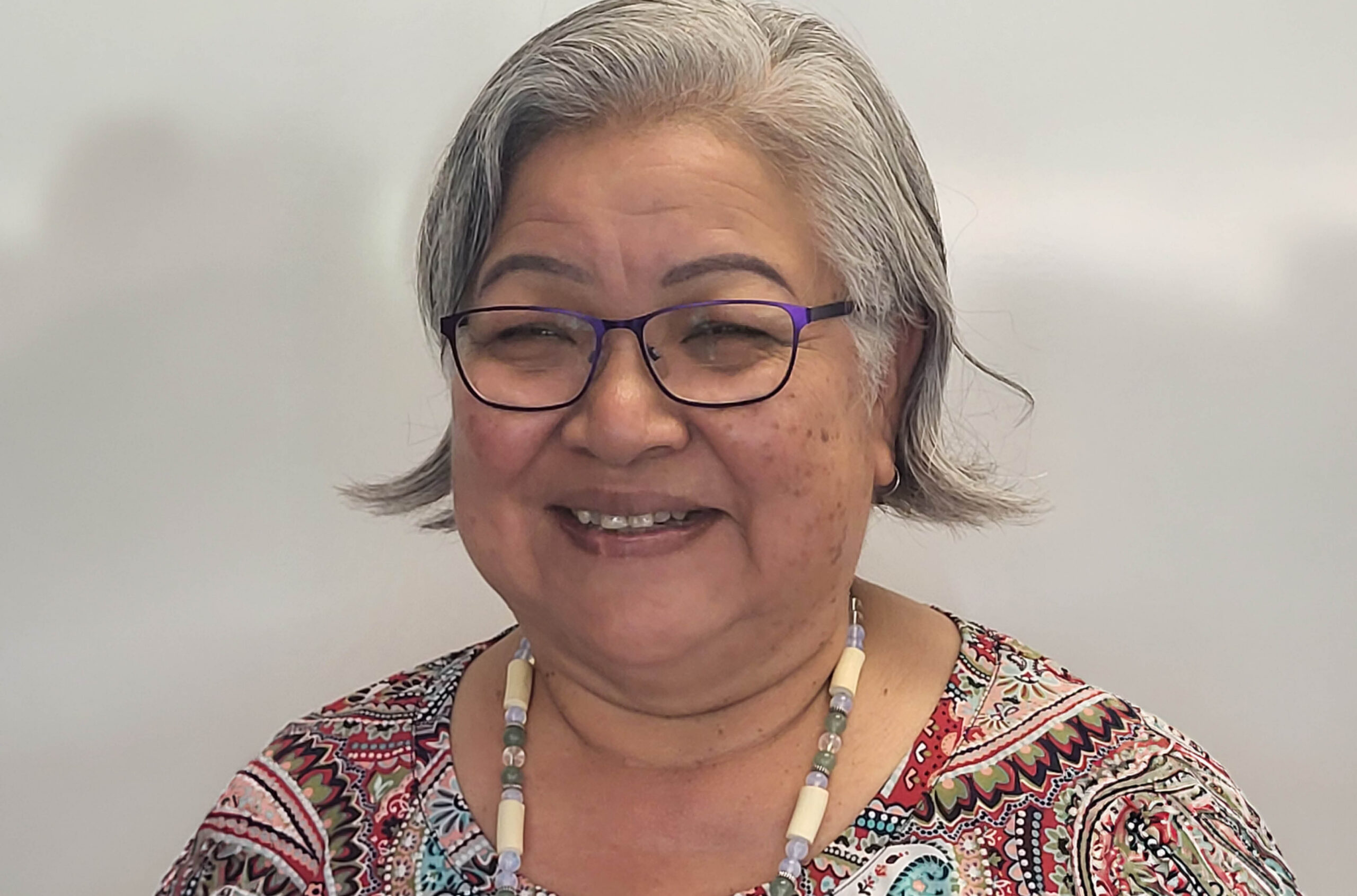
Leq’áleq’el means “journey” in Halq’eméylem, the upriver Halkomalem-language dialect of the Stó:lō people. In the context of decolonization, Indigenization, and reconciliation, Leq’áleq’el refers to a heart journey rooted in understanding, connection, listening and action. We recognize that each person’s journey and commitment to Truth And Reconciliation is rooted in their own histories and experiences, which shape their engagement in Indigenization both personally and professionally.
A few years ago, we sat down to discuss how we could engage with a broader range of histories and experiences in conversations about decolonization, Indigenization, and reconciliation. How could we create spaces where people’s unique journeys are welcomed and shared? How might we internationalize those spaces in ways that look or sound different than what already existed?
Our response was to create the Leq’áleq’el Video Series, a public resource where viewers could hear about the journeys of faculty in a way they had never heard them before: through the home and heart languages of the storytellers.
With each video lasting five to ten minutes, viewers can listen to personal journeys told in seven heart languages: Hindi, Punjabi, Farsi, Greek, Korean, Filipino and English. All videos also have English subtitles so that viewers can enjoy multiple stories.
Fresh connections to decolonization, Indigenization, and reconciliation
Through the Leq’áleq’el project, we were gifted unexpected stories of faculty journeys toward decolonization, Indigenization, and reconciliation. Faculty lamented the absence of Indigenous representation in their early stages of immigration and called on newcomers to learn the truth about Residential Schools. Some spoke of how they had found common ground between Indigenous cultures and their own experiences or values. For example, second-generation immigrants or multilingual Canadians had also navigated questions of language maintenance, identity and belonging across generations. Others shared connections between their cultural approaches to hospitality and Indigenous relationality. Faculty also made explicit connections to their own decolonization process, explaining how learning with and from Indigenous peoples had supported them in critically examining the legacies of colonization within their own countries.
All spoke about how relationships transformed their understanding and commitment to decolonization, Indigenization, and reconciliation and suggested steps to get started, such as engaging with the Truth and Reconciliation Commission of Canada’s Calls to Action. As one storyteller, Satwinder Kaur Bains, states, “We can’t just be observers. We need to be participants, so if we see anyone needing help, we are there.”
Heart languages, heartfelt impact
English-only education has played a significant role in the destruction of Indigenous cultures worldwide. It has also created systems of exclusion for many other multilingual speakers. For us, embracing a multilingual approach was a powerful and heartwarming experience and an opportunity to further decolonize conversations about Truth And Reconciliation.
Hearing the storytellers speak their heart languages impacted us in ways we didn’t expect. The storytellers’ tones changed. Their postures shifted. In conversations afterwards, some shared that using their heart languages in an institutional space was a unique, and often emotional, experience. We observed that faculty moved away from institutional rhetoric about Indigenization and issued warm invitations to accept Indigenous hospitality, to recognize Indigenous existence, and to learn more about the legacies of Residential Schools.
We heard equally intriguing responses from colleagues who viewed the videos. Viewers expressed gratitude that the experiences of immigrants, refugees and multilingual communities were being brought into conversations about Indigenization. Others described the surprise of hearing their own languages in an institutional setting. Many left curious about how they might bring other languages and perspectives into their classrooms, including doing land acknowledgements in their heart languages.
These reactions underscore the importance of creating multilingual spaces within post-secondary education. They also surface the extent to which English has dominated at our institution, as it does in many Canadian post-secondary spaces.
Our experiences in this project reaffirm our belief that our languages live deep in our hearts and bodies. They are the breath of our cultures and histories. Multilingual storytelling does not distract from reconciliation efforts; it can deepen them by helping more members of our communities find meaningful and personal pathways into the work. Presenting videos in many languages at post-secondary institutions is a radical act of inclusion and decolonization — one we hope you’ll embrace in your own classrooms and institutional spaces.
Engage with the video series
We invite you to start with the video by Stó:lō matriarch Thet-simiya, also known as Sq’wóthelwét– Wendy Ritchie. Sq’wóthelwét shares the story of the beginning of time, reminding us how we as humans rely on the water, air and all other beings to survive. Her video sets the tone for understanding our interconnections and that this work belongs to all of us.
Then, after watching a faculty story or two, ask yourself:
What surprised you?
How did it feel to hear about these journeys in multiple languages?
How are others’ journeys different or similar to yours?
How can you create spaces for these experiences and connections in your institution?
Share the videos with others to hear their perspectives. Their reactions might surprise you and unveil new pathways for you in the work of Truth And Reconciliation.
Final thoughts on working together in a good way
Traditional institutional conversations about Truth and Reconciliation often focus on learning about Indigenous history, policies and the Calls to Action. While this knowledge is essential, the multilingual stories invited participants to enter the conversation through relationships, language, memory, migration and lived experiences of colonization. Rather than positioning reconciliation as someone else’s work, these stories helped participants locate themselves within it. Dr. Abhi Rao, a University of the Fraser Valley learning specialist put it: “Indigenization is not just about learning history and facts about the community, but being able to have heartfelt appreciation of the culture and genuine connections and friendships.”
The Stó:lō peoples have a phrase in Halq’eméylem to encourage coming together in a good way, léts’e mó:t, léts’e th’á:lé — “one mind, one heart” — often shortened to léts’e mó:t. The main understanding of léts’e mó:t is that we are “on the same page/want the same thing,” not necessarily that we all think and believe the same thing. But, in a given moment, wherever we are from and whoever we are, we can work with respect and good thoughts and feelings about everyone and everything.
We want to acknowledge how the storytellers’ good work and commitment to decolonization, Indigenization, and reconciliation has inspired us over the years and to thank them for allowing us to share their stories in the Leq’áleq’el Video Series.
Chítole tset – We thank you all.


Featured Jobs
- International Studies - Faculty Position (Arctic Defence and Security)Université Laval
- Theatre and Film - Assistant Professor Without Review (Performance Practice)The University of British Columbia
- KAUST Global Fellowship Program - Postdoctoral Fellowship (Call 2027)King Abdullah University of Science and Technology
- Psychology - Assistant Professor (Clinical Psychology)Western University
- Director, Human Research Ethics & Strategic AdvisorUniversity of Manitoba
More from Career Advice
-

Show it clearly: illustrating a report for your community partners
Part II: How to design figures that tell your story.
-

Life lessons from the World Happiness Report
Happiness is a gift for elders to pass on to the younger generation.
-

Can you spot an essay written by AI?
Learn the common patterns, limitations, and clues that may reveal AI-generated writing.
-

The paradox of doctoral learning
Completing a PhD doesn’t mark the end of learning, but rather the loss of the illusion that learning ever ends.
More from Indigenous
-

Canada’s sovereignty is being tested
As Canada faces mounting pressure from the United States, an Indigenous-led exhibition at the Gwangju Biennale offers a timely way to think about conflict, responsibility and the choices ahead.
-

Decolonization efforts entangle Franco-Albertan heritage
The University of Alberta’s Campus Saint-Jean is wrestling with the historical legacy of its founders, who represent French Canadian survival to some but colonial oppression to others.
-
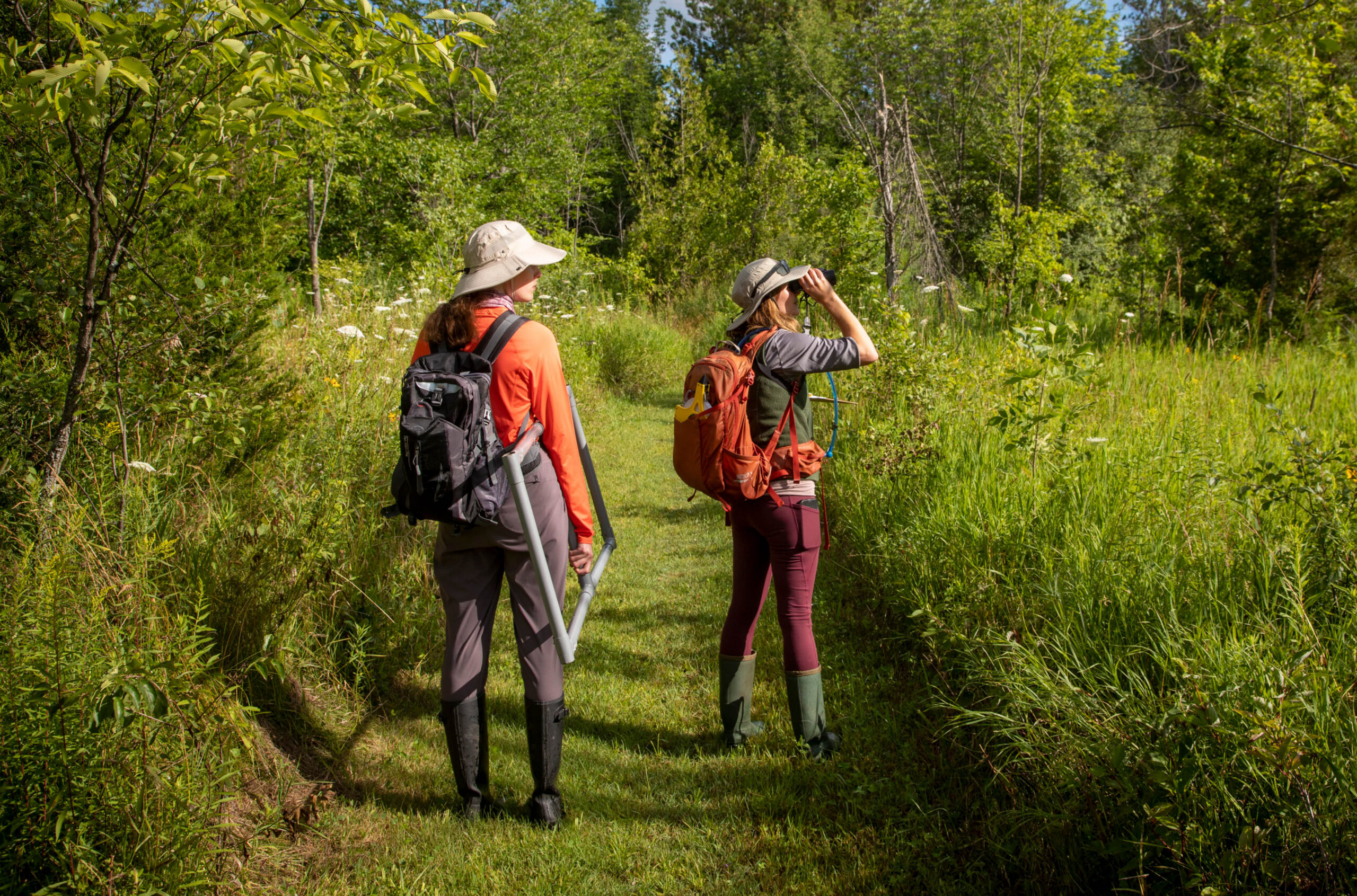
Nature and First Nations honoured at Trent University
New stewardship plan reconnects campus green space to Anishinaabe knowledge.
-

U the North
Working together with Inuit, First Nations and Métis, university researchers are bolstering sovereignty and improving living conditions in the Arctic.
More from Career Advice Articles
-

The secret to good labour relations
Two negotiators — one from a faculty association, one from a university administration — share their advice for building trust and achieving the common good.
-
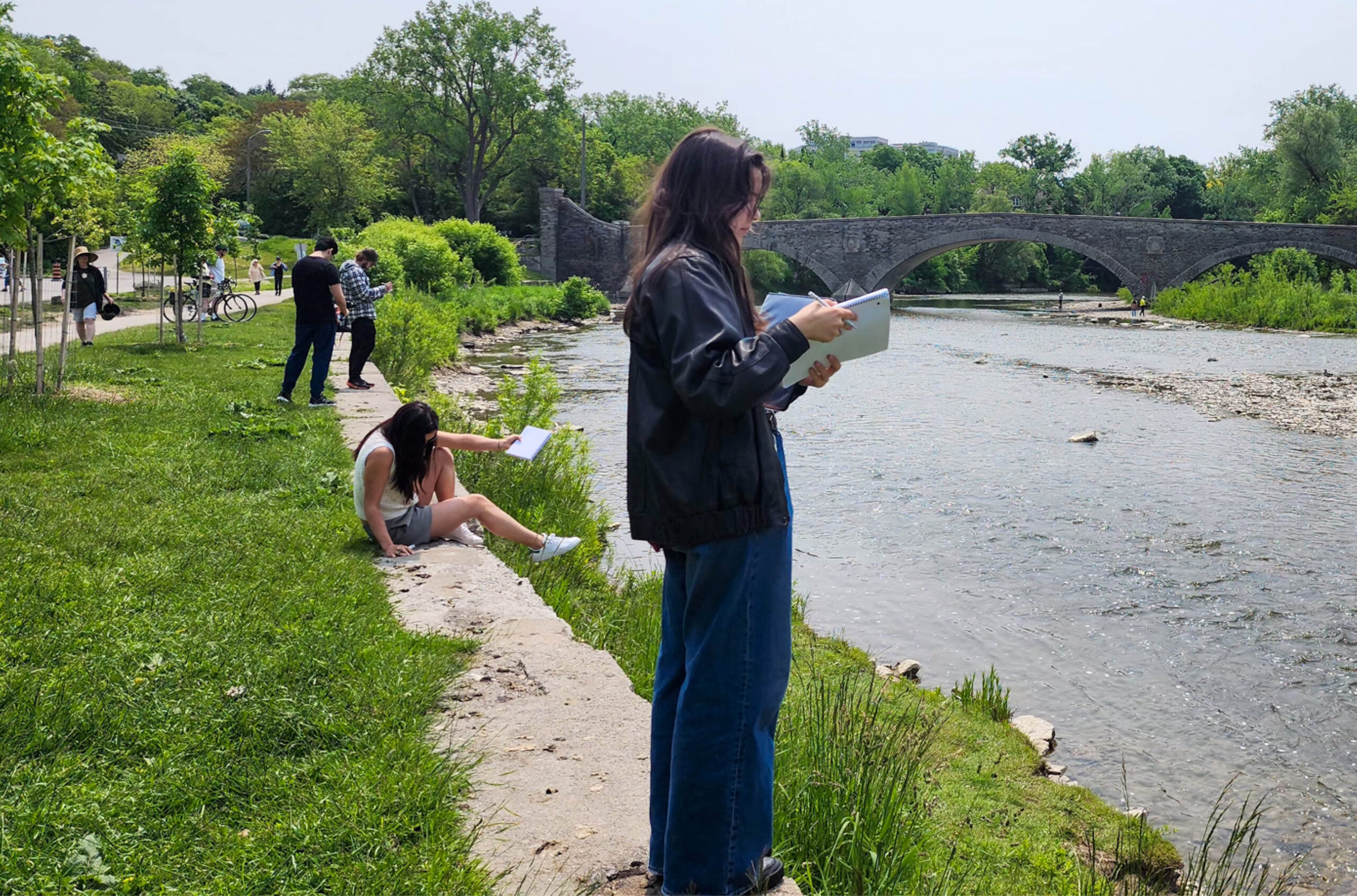
Teaching in the great outdoors
A unique creative writing class at the University of Toronto connects students to nature.
-

Why are multiple-choice questions making a comeback?
Distinguishing the correct answer from plausible, but incorrect, alternatives sharpens students' skills in detecting AI slop.
-

Help! AI stole my students’ brains!
Why professors must teach undergrads to think critically about artificial intelligence tools.


Post a comment
University Affairs moderates all comments according to the following guidelines. If approved, comments generally appear within one business day. We may republish particularly insightful remarks in our print edition or elsewhere.