How a shelter worker brought victims’ voices into academic research
The SSHRC Talent Award finalist Crystal Giesbrecht brings front-line experience to her research on intimate partner violence.


The rate of violence between intimate partners is higher in Saskatchewan than in any other province in Canada. Yet University of Saskatchewan researcher Crystal Giesbrecht is one of the few people studying the problem.
A Banting Postdoctoral Fellow in the department of psychology and health studies, Dr. Giesbrecht combines a PhD in justice studies with years of practical experience working with victims of abuse. She has accumulated a vast body of both quantitative data and personal testimony from survivors, perpetrators, and front-line workers.
“Without her, we would actually have very limited research data on IPV [intimate partner violence] in the entire province of Saskatchewan,” said her postdoctoral research supervisor, Keira Stockdale. “So not only is she a national and international leader in this space, without her work, we wouldn’t have the data we have around IPV in Saskatchewan at all.”
For her academic excellence, leadership and ability to combine research with knowledge mobilization, Dr. Giesbrecht has been named a finalist for the 2026 SSHRC Talent Award. The winner will be announced in December.
“It’s really a vote of confidence, I think, that I’m on the right track with this research,” Dr. Giesbrecht said. “Being nominated also shows the importance of studying intimate partner violence, and the importance of doing this work.”
Front-line work sparks an interest in research
The path to becoming a researcher wasn’t always obvious for Dr. Giesbrecht. After graduating from high school, she took some time to work and travel, unsure what career path to follow. She later pursued two consecutive undergraduate degrees at the University of Regina (U of R): a BA (honours) in psychology and a bachelor of social work.
Her interest in intimate partner violence began “fairly early on” in her undergraduate studies. After completing her practicum at a domestic violence shelter during her social work degree, she began working on a casual basis at another. “I was interested in doing that because I saw an opportunity, I suppose, to help, to look at ways to just be involved in making people’s lives a little bit easier in a very small way,” she said.
That led her to think about researching intimate partner violence. Dr. Giesbrecht said she was interested in “looking at how things could change for people who are using violence and looking at … the opportunities to interrupt and change that cycle.”
Shortly after graduating for the second time from U of R, Dr. Giesbrecht began working at the Provincial Association of Transition Houses and Services of Saskatchewan (PATHS), a membership organization for Saskatchewan-based agencies that provide support and services for victims of intimate partner violence.
She was one of the experts the provincial government consulted before enacting Clare’s Law, a law that allows police to inform people if their intimate partner has a history of violence that is likely to put them at risk.
Christa Baron, executive director of PATHS, said Dr. Giesbrecht brings “a ton of credibility.”
“She has expertise that is informed by her academia and her research, but she also … really brings that lens of listening and hearing from survivors and from the member agencies that are doing the on-the-ground, front-line work,” Ms. Baron said.
While still working at PATHS, Dr. Giesbrecht obtained a master’s degree in social work, a graduate certificate in forensic practice, and then her PhD in justice studies through the SSHRC-funded Vanier Canada Graduate Scholarship.
“I was able to already be doing research after completing my master’s, but I knew that continuing on and doing a PhD would help me build the skills that I needed to do the work I wanted to do,” Dr. Giesbrecht said. “So, I’ve been doing my academic research and my community-based research at the same time, and it’s really went very well together. It’s different pieces of working toward the same goal.”
Listening to the voice of survivors
Although she has done a variety of research, Dr. Giesbrecht says a great deal of it has focused on survivors. Recently, she’s been studying the experiences that survivors of intimate partner violence have with the justice system.
“Survivors, I think, in many cases, they know what the issues are, and they know where the system needs to change, where we need to see improvements,” she said.
As part of her Banting Postdoctoral Fellowship, Dr. Giesbrecht is continuing her doctoral research concerning the types of offenders who commit intimate partner violence, but this time with more variables and data specific to Saskatchewan. She is also conducting the first-ever evaluation of Saskatchewan’s Stopping Abuse for Everyone (SAFE) program, a provincial intervention program for perpetrators of intimate partner violence that began in 2020.
She’s evaluating whether the program is achieving its “desired intent” of reducing the number of people who re-commit intimate partner violence and improving outcomes for both victims and perpetrators.
Dr. Giesbrecht said becoming a finalist for the SSHRC award has given her opportunities to share her research with a wider circle of people. “This isn’t just work where we want to publish it and put it on the shelf,” she said. “But the really important thing is to try to move the conversation forward so that the general public has more information about intimate partner violence.”



Featured Jobs
- Canada Impact+ Emerging Leader in Quantitative and AI-enabled Electron Microscopy for Quantum and Advanced MaterialsMcMaster University
- Education - Assistant Professor, TermAmbrose University
- Impact+ Canada Emerging Leaders in Computational Design and Engineering of Proteins (Faculty Positions)Université Laval
More from Features
-

Portraits of a human library
At the University of Ottawa's human library, stereotypes melt away in conversation with people from unfamiliar backgrounds and life experiences.
-
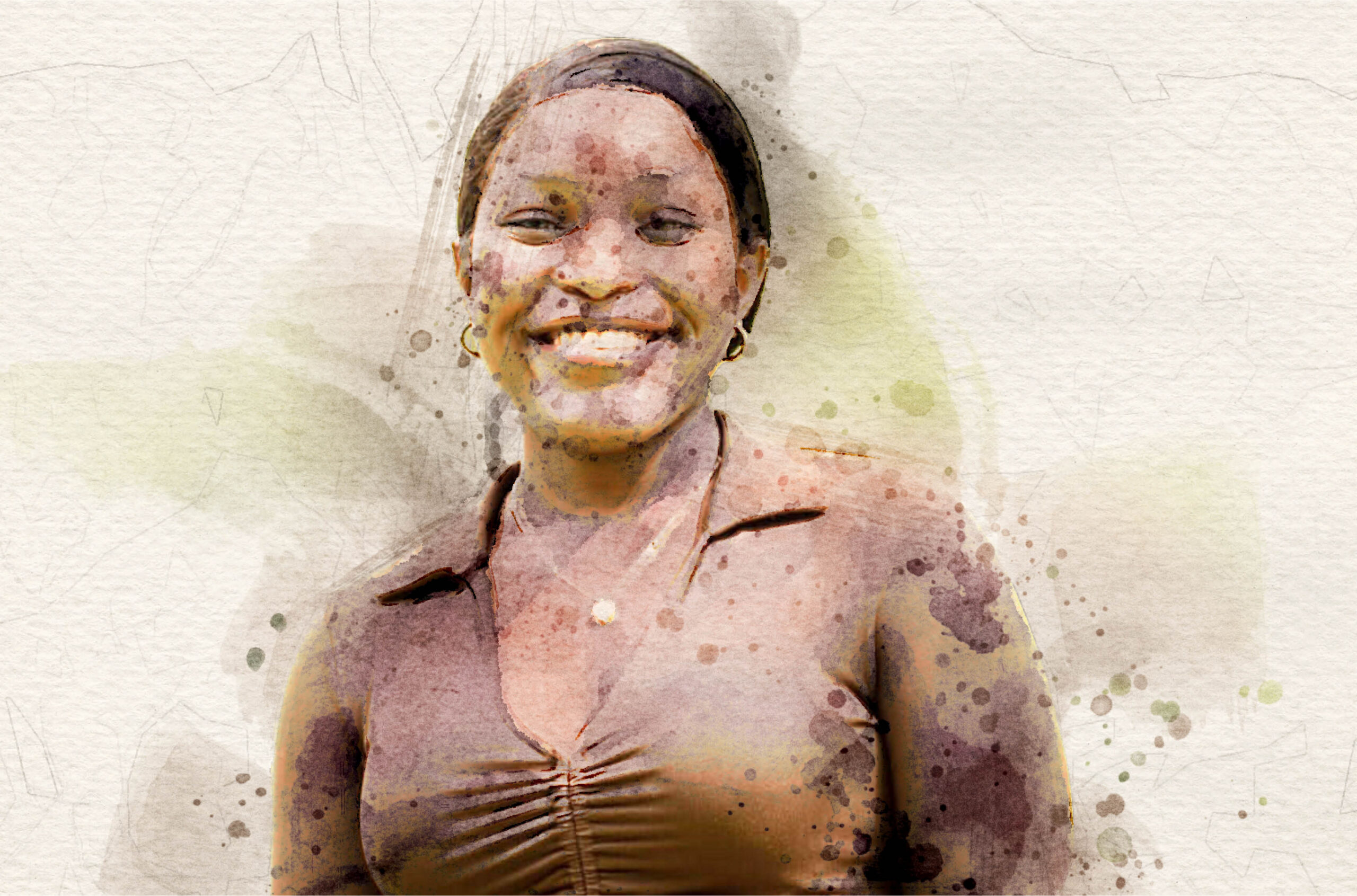
Merveille Moungang Djifo: Advocate for a new generation of Black doctors
The recipient of the 2025 Black Physicians of Canada Leadership Award, Merveille Moungang Djifo is dedicated to improving equity in medicine.
-

The Nuisance Variable
Two-thirds of Alzheimer’s patients in Canada are women. Why does research still treat them as an afterthought?
-

Quebec universities: 60 years of change
From the Quiet Revolution to the present day, universities have profoundly transformed Quebec society. As a provincial election rapidly approaches, we reflect on their changing mission over six decades of often tense history.
More from People to know
-

The human face of Arctic research
Q&A with Jackie Dawson, Canada Research Chair in the Human and Policy Dimensions of Climate Change.
-

Jeremy Hansen: From physics to the moon
Behind the first Canadian to circle the moon lies a rigorous academic journey and close ties to university research.
-
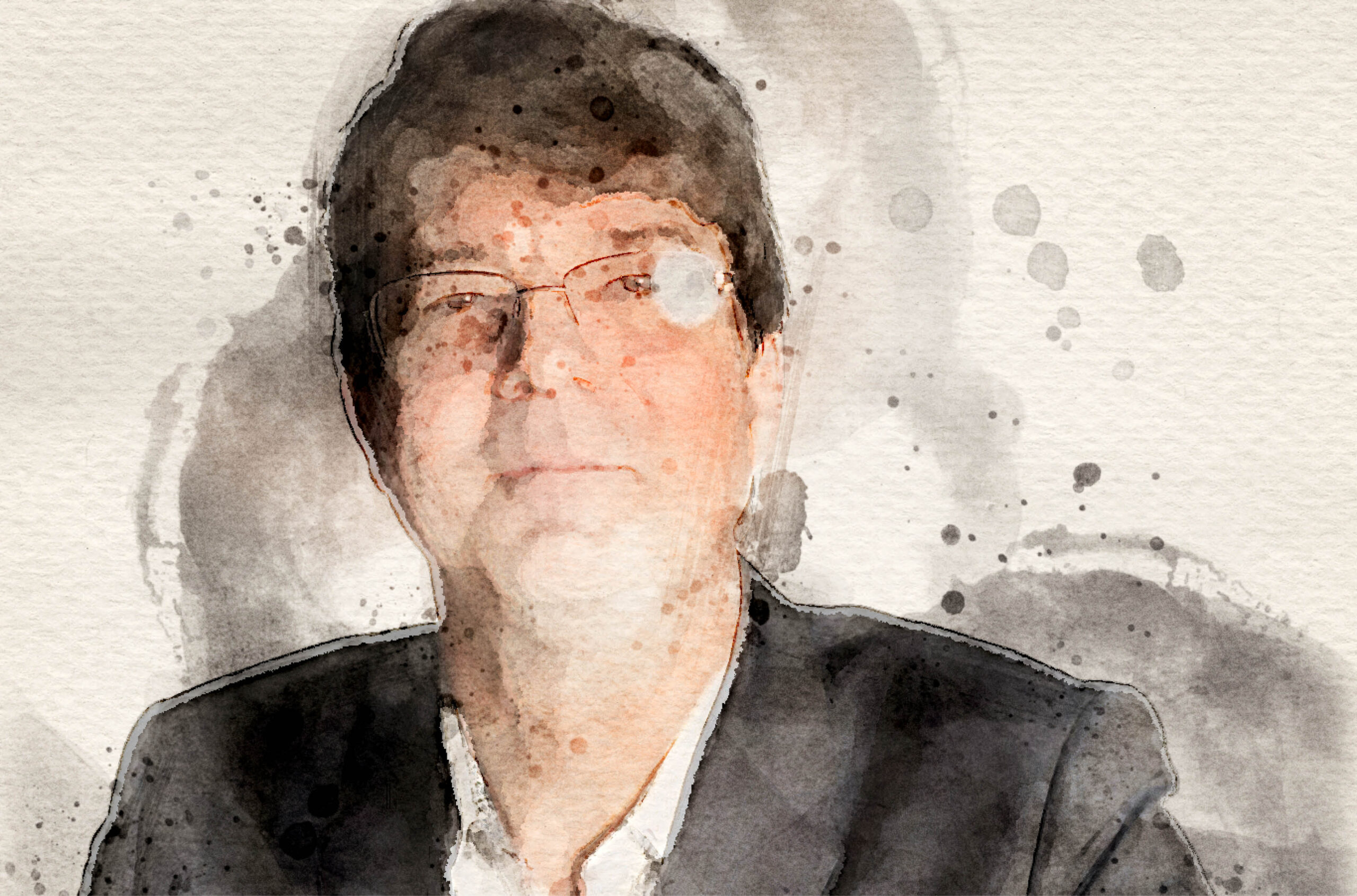
A story of perseverance and commitment to education
Despite an ALS diagnosis in 2023, Jean-François Champagne continues to champion access to education
-
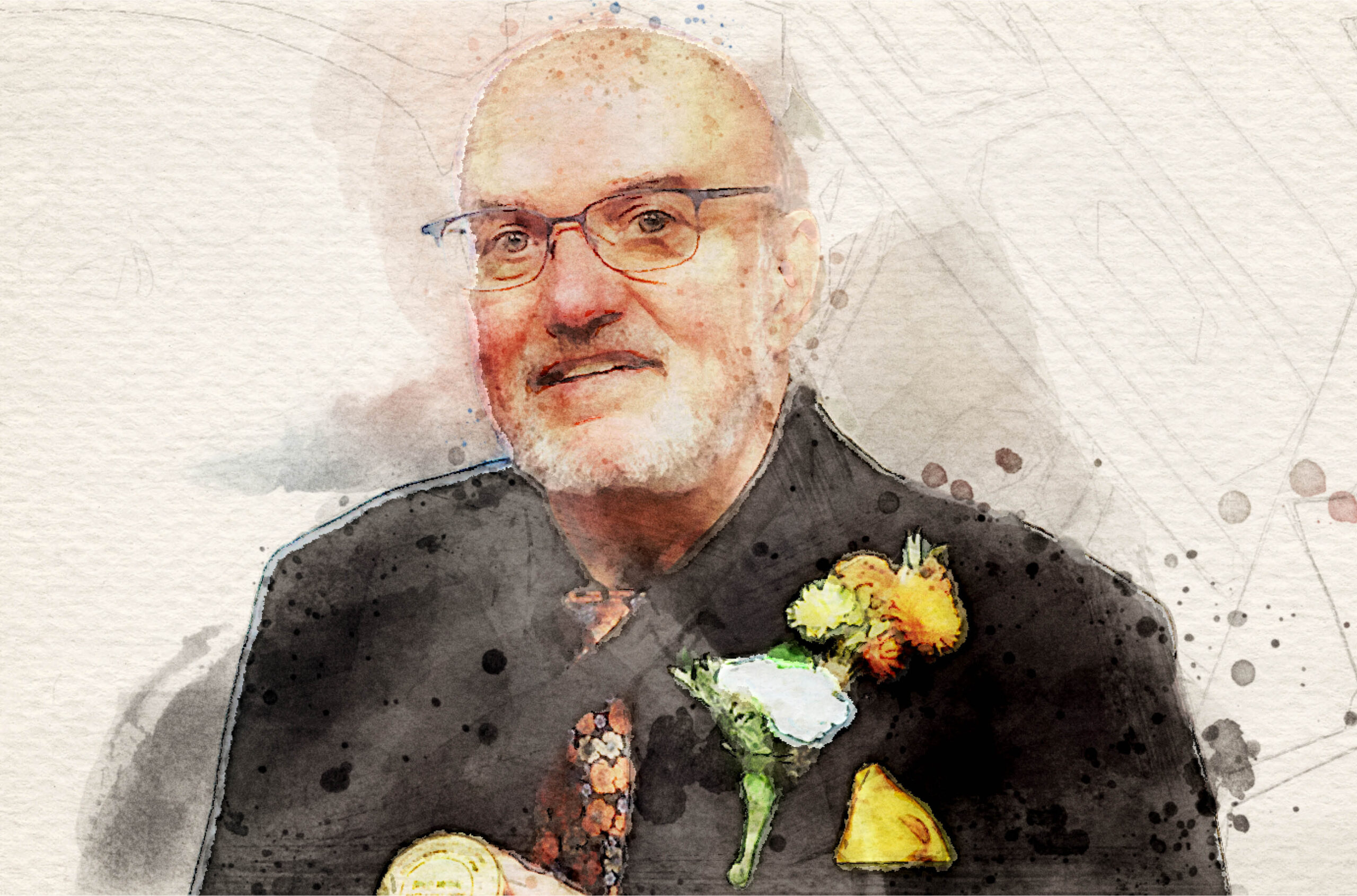
Jean-Marc Narbonne: A philosophical approach to our era
Through his work on ancient philosophy and commitment to democracy, Jean-Marc Narbonne highlights how critical thinking and civic debate can help us better understand and contend with contemporary challenges.
More from Feature articles
-

A bridge to human rights
IDRA scholarship winner Karen Spring studies Central American communities seeking redress for harms caused by major development projects.
-
Heat waves and brain waves
IDRA scholarship winner Tianqi Zhao studies climate change and mental health in South Africa.
-
Take me to the river
IDRA scholarship winner Peter Duker studies community fishing practices in Thailand.
-

Two solitudes: Quebec Universities in WWII
Historical researcher explores English-French divide over Second World War.


Post a comment
University Affairs moderates all comments according to the following guidelines. If approved, comments generally appear within one business day. We may republish particularly insightful remarks in our print edition or elsewhere.