Proposed Alto rail route slashes through Queen’s field biology station
Federal government praises the wilderness station as ‘globally unique,’ considers cleaving it with high-speed train.

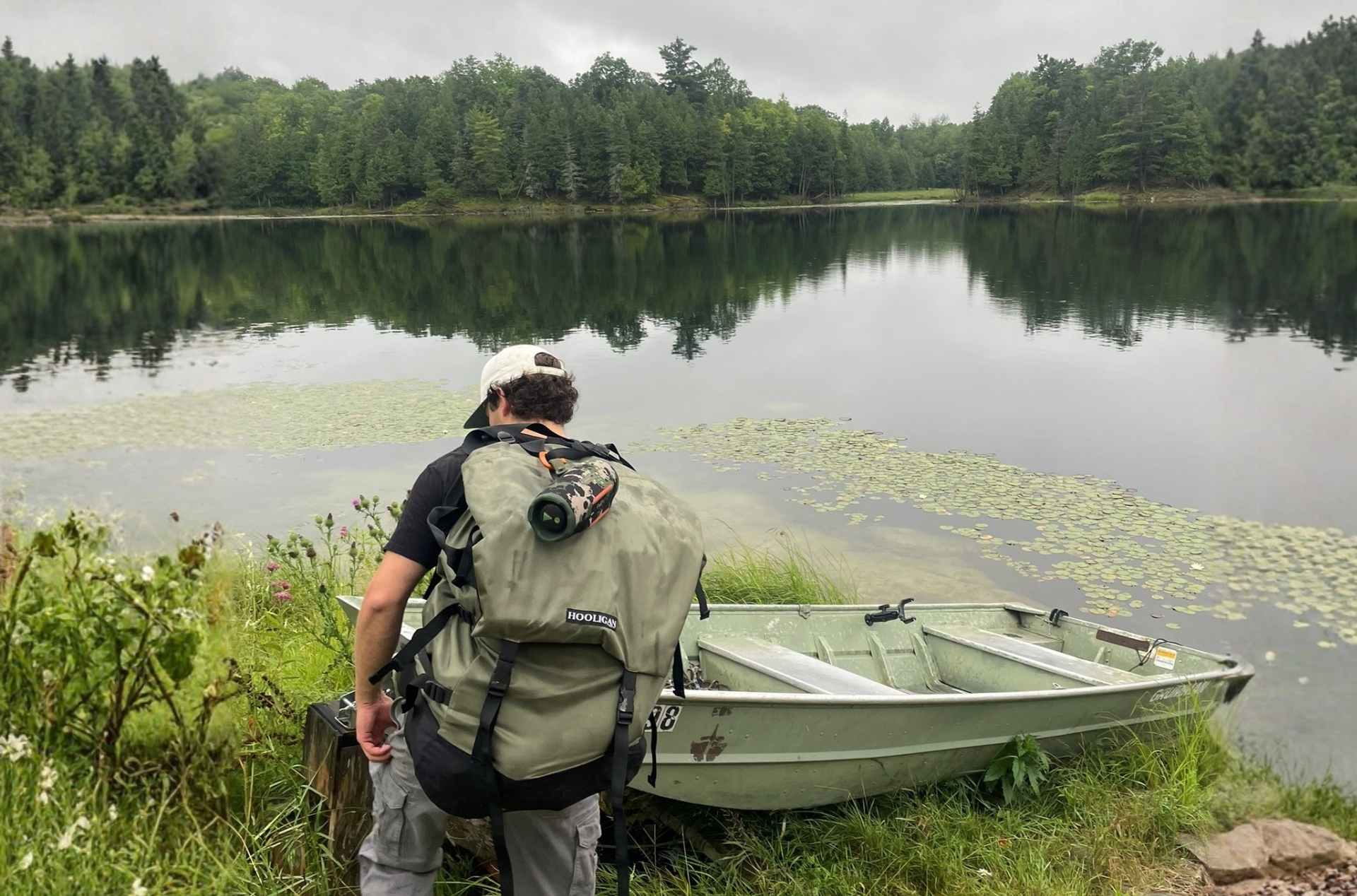
Last February, Queen’s University’s sprawling 3,400-hectare biological station was put on notice that it could be ripped in two by a federally funded high-speed passenger railway project. Ironically just weeks earlier, the federal government had lauded the wilderness campus as “a globally unique research and teaching facility,” in its official strategy to preserve Canada’s natural lands, A Force of Nature.
Staff at the Queen’s University Biological Station (QUBS) have never been officially notified of the passenger rail project bearing down on it, but they did get details of the project at a community information session at a rural Lions Club hall in mid-February. There, hundreds of concerned landowners from two counties were told that Alto, a federal Crown corporation backed by over $4 billion in taxpayer dollars, was building a double-track rail line through eastern Ontario on land to be expropriated under C-15, which amended the federal Expropriation Act. The public meeting marked the start of a three-month consultation process after which Alto would begin mapping a one-kilometre-wide construction corridor between Toronto and Quebec City.
Alto is considering two possible routes for the Ottawa-to-Toronto stretch: the southern route through QUBS, or a northern route along Highway 7.
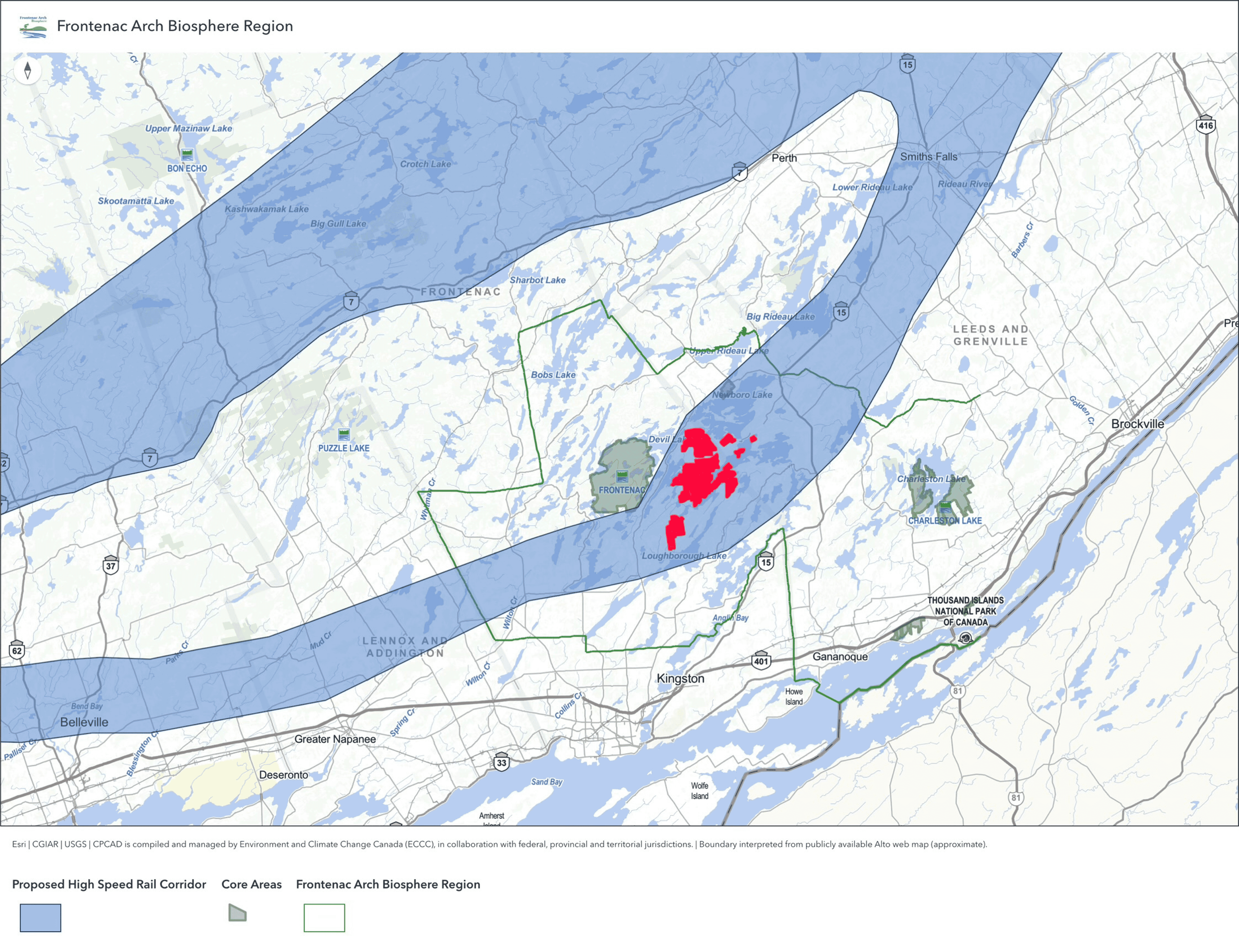
A barrier through the biosphere
A few weeks after the community information session, QUBS director Shelley Arnott attended an Alto roundtable where participants were asked to discuss the benefits of the project.
“It made me laugh,” she recalls. “Because every question was framed… like, how will the train line benefit your community? They listened to our concerns, for sure, (but) they definitely pitched it in terms of wanting to hear positives.”
Few attendees could identify community benefits, because the 300 km/h electric train initially offered no station stops between Peterborough and Ottawa. Even worse, the 60-metre-wide track bed and its high metal fence will effectively create an impenetrable barrier through the heart of eastern Ontario and western Quebec. Farmers will be cut off from their fields. Rural commuters will face dead ends on local roads. And QUBS researchers — and the wildlife they study — will lose easy access to the region’s complex ecosystem of lakes, marshes and woodlands.
Former QUBS director Stephen Lougheed, who held the position from 2011 to2025, is unwavering in his opposition.
“Let me be very blunt. That southern route should not happen. The integrity of the Frontenac Arch Biosphere Reserve to me is inviolable,” he explains, referring to the area’s conservation designation that has won itinternational status as a UNESCO biosphere reserve.
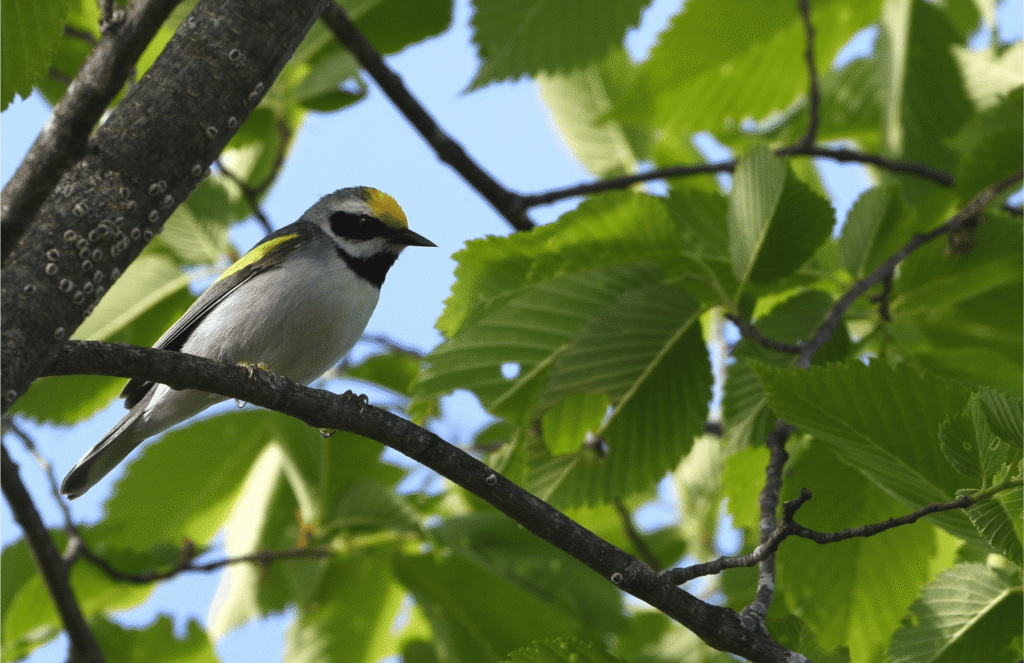
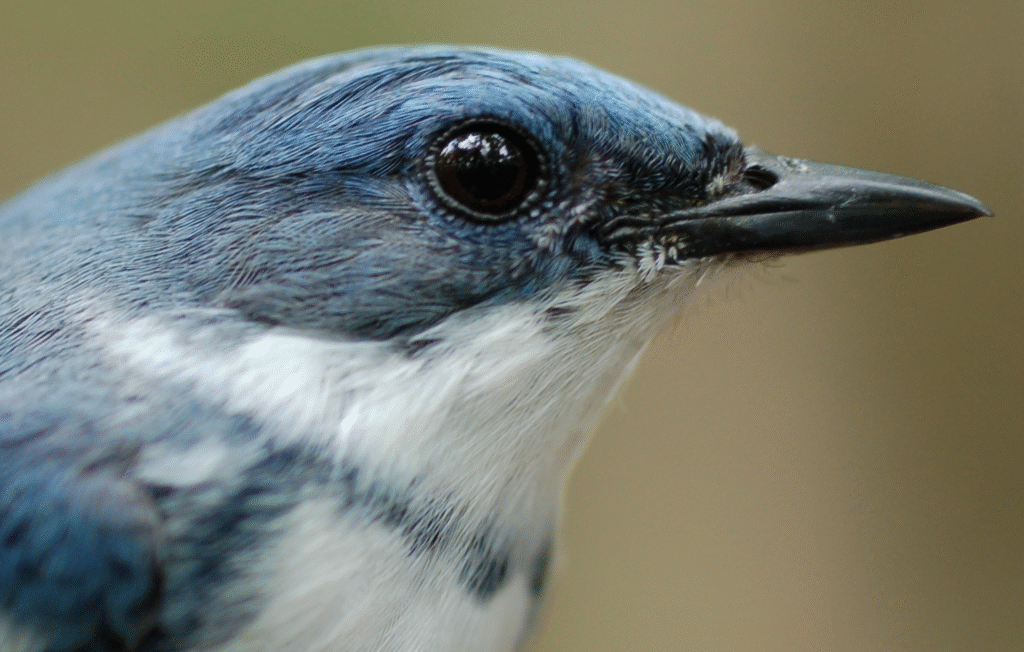
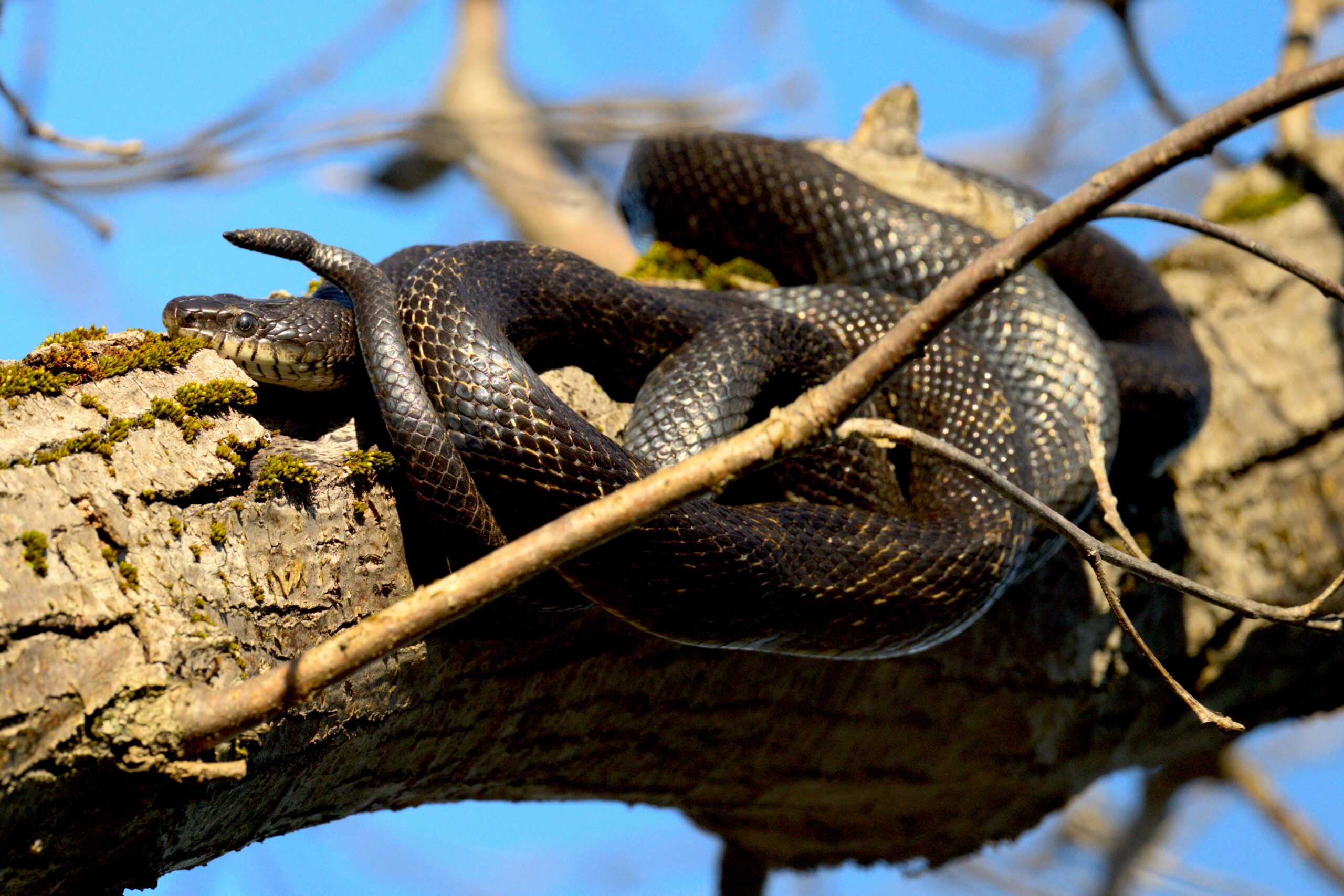
While he has serious concerns about damage to the integrity of QUBS research activities, Dr. Lougheed’s primary fear is the destruction of habitat. Thirty-five of the region’s native species are identified as “at-risk” including whippoorwills, cerulean warblers, gray ratsnakes and Blanding’s turtles.
“This (rail line) is an absolute barrier for movement of wildlife … and if you want to maintain connectivity, which is imperative for maintaining biodiversity, you can’t have such an absolute barrier to dispersal and movement. It has huge impacts on wildlife,” he warns.
According to Dr. Lougheed, the Frontenac Arch received its UNESCO heritage designation because it is an integral part of a crucial “land bridge” between the wilderness regions of Algonquin Provincial Park and New York’s Adirondack Park.
“And with climate change, you need to facilitate range shift.”
Alto did not respond to a request for comment.
A long-established research station
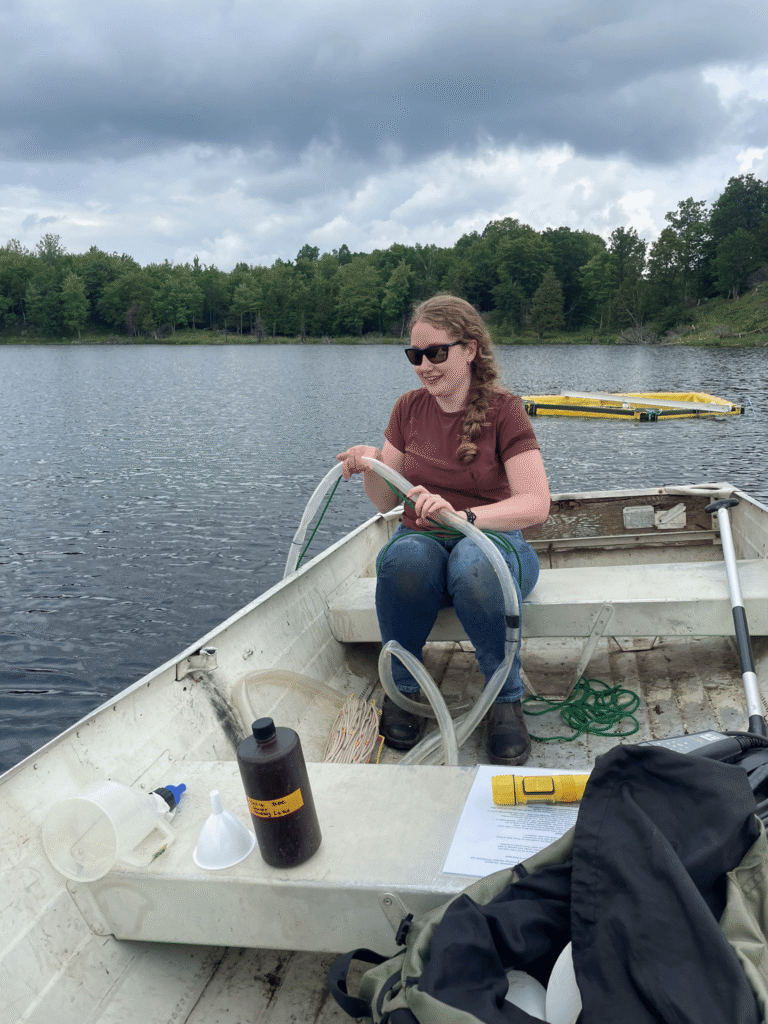
QUBS has grown substantially since Queen’s established it in 1945 on the edge of Lake Opinicon, near the Rideau Canal’s Chaffeys Lock, an hour’s drive north of Kingston. Since that modest beginning, it has expanded from a cluster of sleeping cabins and a wartime Quonset hut into a bucolic campus made up of 13 properties acquired through purchase and bequest. Among the 32 buildings on the main Opinicon campus are the Raleigh J. Robertson Biodiversity Centre, a library, a dozen laboratories and numerous sleeping cabins. The Elbow Lake Environmental Education Centre a few kilometres away hosts conferences and student outreach programs.
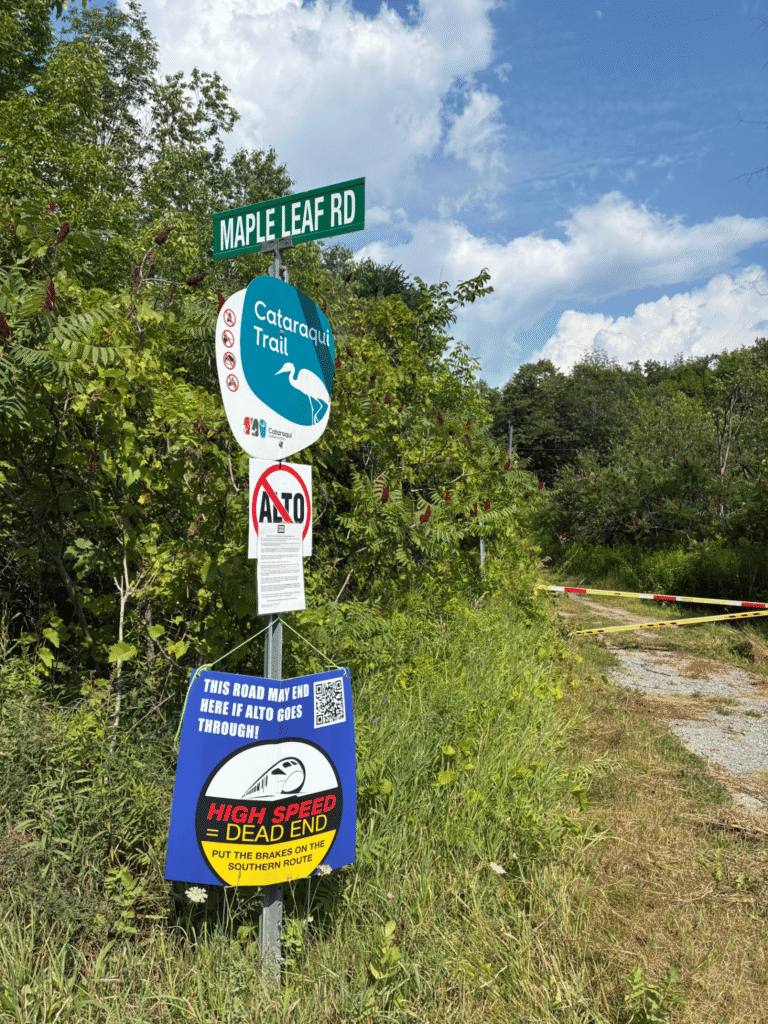
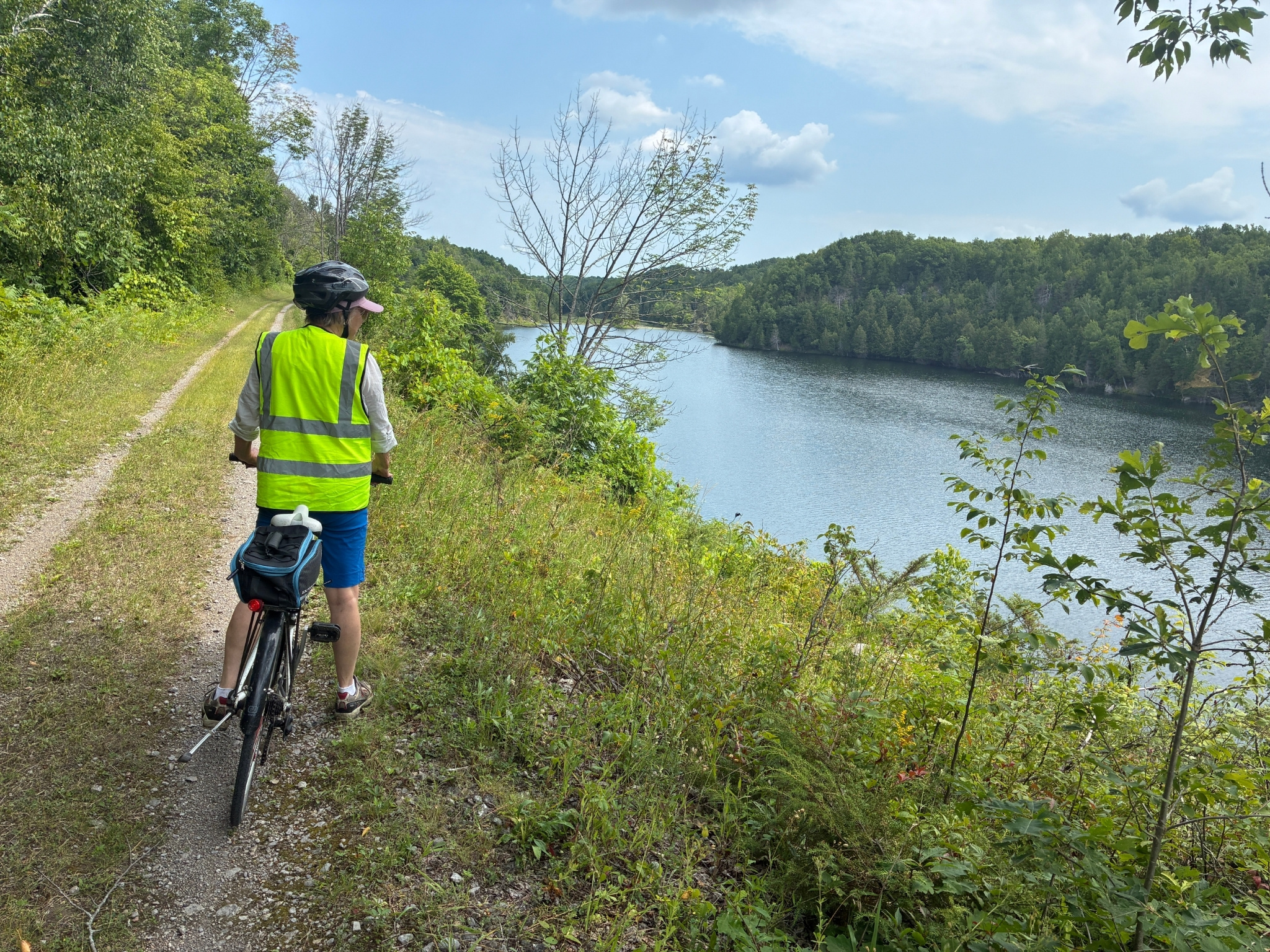
Alto is not the area’s first railway line. In 1913, Canadian National Railway Co. completed a track between Napanee and Smiths Falls that connected the string of villages, mines and mills that dotted the Frontenac Arch region, but it was abandoned 71 years later. Recently the track bed was converted to a popular multi-use recreational trail that runs through through the QUBS properties, giving hikers and cyclists a clear view of the natural areas now at risk from Alto. This summer the trail is spotted with anti-Alto signs, erected by users who fear that the old right-of-way could be used for the Crown corporation’s high-speed line.
Because of its education and research activities, the Queen’s University Biology Station is recognized as an OECM (the acronym stands for Other Effective area-based Conservation Measure), a working landscape that preserves biodiversity while also serving other purposes. The federal government’s Force of Nature strategy highlights the important conservation role of the Queen’s station and other OECMs, as the government aims to protect 30 per cent of Canadian lands and waters by 2030 — a target colloquially known as “30 by 30.”
“If they want to achieve “30 by 30,” they’re going to have to use the so-called OECMs,” says Dr. Lougheed.
Construction brings destruction
Station managers also worry that some of the worst damage to QUBS will come long before the Alto trains run through the region in 2050.
“During construction and after, you are creating a conduit for invasive species,” Dr. Lougheed warns. “We have a bunch of lakes where there are (still) relatively rare mollusks that (elsewhere) have been driven to local extinction by things like zebra mussels and quagga mussels.… I’m absolutely certain that this corridor will facilitate the invasion of all these invasive species.”
For now, Queen’s awaits the outcome of Alto’s consultation period. Alto CEO Martin Imbleau recently told CBC radio, “Business-wise, we’ve looked at the comments we received and it’s kind of persuasive that a stop in Kingston would make sense.” But he didn’t reveal if that might shift the entire project further south, away from QUBS and closer to the existing VIA rail passenger route.
QUBS director Dr. Arnott sighs when asked about her next step. “It’s hard to know what to do…. We have not received any information or updates.”
“We worry about the organisms that live on our property and that will be impacted as well as our ability to continue conducting research and teaching…. QUBS attracts international researchers. It has a far reach. It’s not just a local issue.
With research by Hailey Leggett.
Interactive map: Frontenac Arch Biosphere Region
To use the interactive map, tick the box and click “Enter.” The map allows viewers to zoom in and and out, and to view various features such as protected areas, wildlife corridors, and the proposed Alto route.



Featured Jobs
- Global Inequalities and Trade - Faculty PositionUniversité Laval
- Psychology - Assistant Professor (Clinical Psychology)Western University
- Toldo Chair in Christian StudiesAssumption University
- International Studies - Faculty Position (Arctic Defence and Security)Université Laval
- Director, Human Research Ethics & Strategic AdvisorUniversity of Manitoba
More from News
-

Canada ‘muddling through’ without national research infrastructure strategy, panel finds
Expert report says fragmented governance and funding threaten Canada's research competitiveness and scientific sovereignty.
-

Ottawa won’t restrict student visas from countries with high asylum-claim rates
India will help Canada ‘crack down’ on student program abuses, high commissioner says.
-

Students and seniors under the same roof
Intergenerational living helps with loneliness and the high cost of rent.
-

U Sports alum lace up for PWHL season
Canadian grads eager to show their mettle on women’s pro hockey teams.
More from Research
-

The Nuisance Variable
Two-thirds of Alzheimer’s patients in Canada are women. Why does research still treat them as an afterthought?
-

How serendipity built a cross-disciplinary career
Taking research positions out of economic necessity allowed me to gather a broad set of skills and knowledge.
-

Science in French? Bien sûr!
As English dominates the publication landscape, support for French-language research is a strategic investment in the quality, equity and the future of knowledge.
-

From doctoral student to entrepreneur
Resources abound to help you turn your PhD research into a business startup.
More from Articles
-

The hidden problem of student homelessness
As high rents push more students into precarious housing, it's time to stop romanticizing the 'poor scholar'.
-

Parliamentary committee urges stronger support for research in French
Granting agencies should consider funding targets specifically for French-language projects, the Standing Committee on Science and Research recommends.
-
Remove EDI from research funding decisions, parliamentary committee says
The Standing Committee on Science and Research says ‘discriminatory’ EDI policies are ‘weakening the quality of Canadian research’.
-

Good medicine: new programs train country doctors
Université de Montreal follows Queen’s prescription to heal the shortage of family physicians in rural areas.

Post a comment
University Affairs moderates all comments according to the following guidelines. If approved, comments generally appear within one business day. We may republish particularly insightful remarks in our print edition or elsewhere.
3 Comments
Queen’s alum here, from a family of Queen’s grads. We’re your neighbours, with multigenerational lands and farms down the potentially dead-ended road. Some clarity, since you find it hard to know what to do: talk with us.
No matter where you live in Canada, whether you care about Queens or not – this is $90-120Bn tax-payer dollars funneled into the largest expropriation of land in recent Canadian history, without any public business plan. Talk with your neighbours in South Frontenac. We support QBS. No thanks, Alto.
Absolutely ridiculous that they are even thinking about putting a HSR through such a beautiful world heritage site like our Rideau Canal.
An absolute tragedy that they are even talking about destroying dozens of endangered species that’s survival depends on these lands to remain protected.
I hope Queens holds no punches in bringing this to a complete stop!! Calling on Queens Alumni lawyers and judges to step up and stop this insanity.
For research-based, non-partisan criticism of the ALTO proposal go to https://altohsrcitizenresearch.ca