High-stakes research
At the Alberta Gambling Research Institute, experts are uncovering the trends behind the bets.

Canadians spend more than $19 billion a year on gambling — a legal but risky activity that continues to grab the attention of researchers across the country.
At the Alberta Gambling Research Institute (AGRI), researchers from the universities of Lethbridge, Calgary, and Alberta have conducted hundreds of projects to understand gambling trends and behaviour: from the economics to the neuroscience, to addiction issues and everything in between.
“Through the last twenty-five years, we’ve comprehensively studied what types of gambling create the most harm, what is the etiology of problem gambling, what personal and gameplay factors lead to problem, the most effective treatments, and the best prevention programs, as well as the overall social and economic impacts of gambling,” said Robert Williams, AGRI research coordinator and professor in the faculty of health sciences at the University of Lethbridge.
AGRI, the world’s premier and longest standing gambling research institute, was created in 2000 in response to the introduction of video lottery terminals (VLTs) in Alberta. “The provincial government decided it would fund a research institute to understand the impacts of these new machines and how to mitigate the harm,” said Dr. Williams.
Owned and regulated by the Alberta Gaming and Liquor Commission (now Alberta Gaming Liquor & Cannabis, a Crown commercial enterprise that reports to the provincial government) VLTs were introduced in 1991 as publicly accessible electronic devices used to play a variety of games of chance. Today, there are more than 6,000 VLTs scattered across the province.
Problem gambling, however, is not limited to VLTs. In fact, in 2024-25, casinos had the highest gross gambling revenue (GGR), bringing in just over $1.3 billion. (GGR is a measure of the revenues remaining after the deduction of prizes and winnings have been paid to gamblers). VLT’s had the second highest GGR at about $537 million, while lotteries and online formats raked in a lesser haul.
While Alberta had an overall GGR of $2.5 billion in 2024-25, Ontarians gambled away the most money of all provinces: a striking $9.3 billion, as reported by the Canadian Gambling Statistics Database (ANP-2).
In June 2021, betting on single sports events, such as football or hockey games, became legal in Canada with the passage of Bill C-218. While most provinces chose to restrict legal sports betting to government-run corporations, Ontario opened up its sports gambling market to private companies in 2022. Alberta followed suit on July 13 of this year.
David Hodgins, University of Calgary research coordinator at AGRI, said that while fewer people are gambling now than in the past, and the rates of people with gambling disorders are dropping, the overall amount being wagered has plateaued. “That seems to be related to the fact that it has increased in Ontario,” he said.
Personality may influence whether a person chooses to gamble, Dr. Hodgins said. “People with more impulsive personalities are a little bit more likely to get over involved in gambling.” Gambling behaviour becomes problematic, he added, when people use it as a form of “escape.” He also noted that, while only 0.6 percent of the population struggles with problem gambling, the activity should “be done in a way that recognizes the potential for harm that can be associated with it.”
In one of Dr. Hodgins’ projects, he and his fellow-researchers created a set of guidelines that should be considered when gambling: “There were three pieces of advice for the public, and that is: that you shouldn’t spend more than one per cent of your gross family income on gambling; and the second one is, you shouldn’t gamble in more than two types of gambling; and the third is, you shouldn’t gamble more than once weekly. If you exceed any of those guidelines, then you’re at increased risk of developing and experiencing harm associated with your gambling.”
One of the biggest problems researchers are seeing is that gambling has become normalized, with sports betting, for example, constantly advertised during televised professional sporting events. Dr. Hodgins emphasized this point, noting that “it went from something that very few people did … to something that is really, very normal now.” He warns: “I hope [in the future] we prioritize the health of the public over industry profits.”




Featured Jobs
- International Studies - Faculty Position (Arctic Defence and Security)Université Laval
- Global Inequalities and Trade - Faculty PositionUniversité Laval
- Theatre and Film - Assistant Professor Without Review (Performance Practice)The University of British Columbia
- Director, Human Research Ethics & Strategic AdvisorUniversity of Manitoba
- KAUST Global Fellowship Program - Postdoctoral Fellowship (Call 2027)King Abdullah University of Science and Technology
More from News
-

Parliamentary committee urges stronger support for research in French
Granting agencies should consider funding targets specifically for French-language projects, the Standing Committee on Science and Research recommends.
-

Remove EDI from research funding decisions, parliamentary committee says
The Standing Committee on Science and Research says ‘discriminatory’ EDI policies are ‘weakening the quality of Canadian research’.
-

Good medicine: new programs train country doctors
Université de Montreal follows Queen’s prescription to heal the shortage of family physicians in rural areas.
-

Quebec’s English-language universities embrace new French requirements as fall cohort begins
McGill, Concordia and Bishop’s universities roll out new initiatives to encourage students to learn French on and off campus.
More from Research
-

Science in French? Bien sûr!
As English dominates the publication landscape, support for French-language research is a strategic investment in the quality, equity and the future of knowledge.
-

From doctoral student to entrepreneur
Resources abound to help you turn your PhD research into a business startup.
-
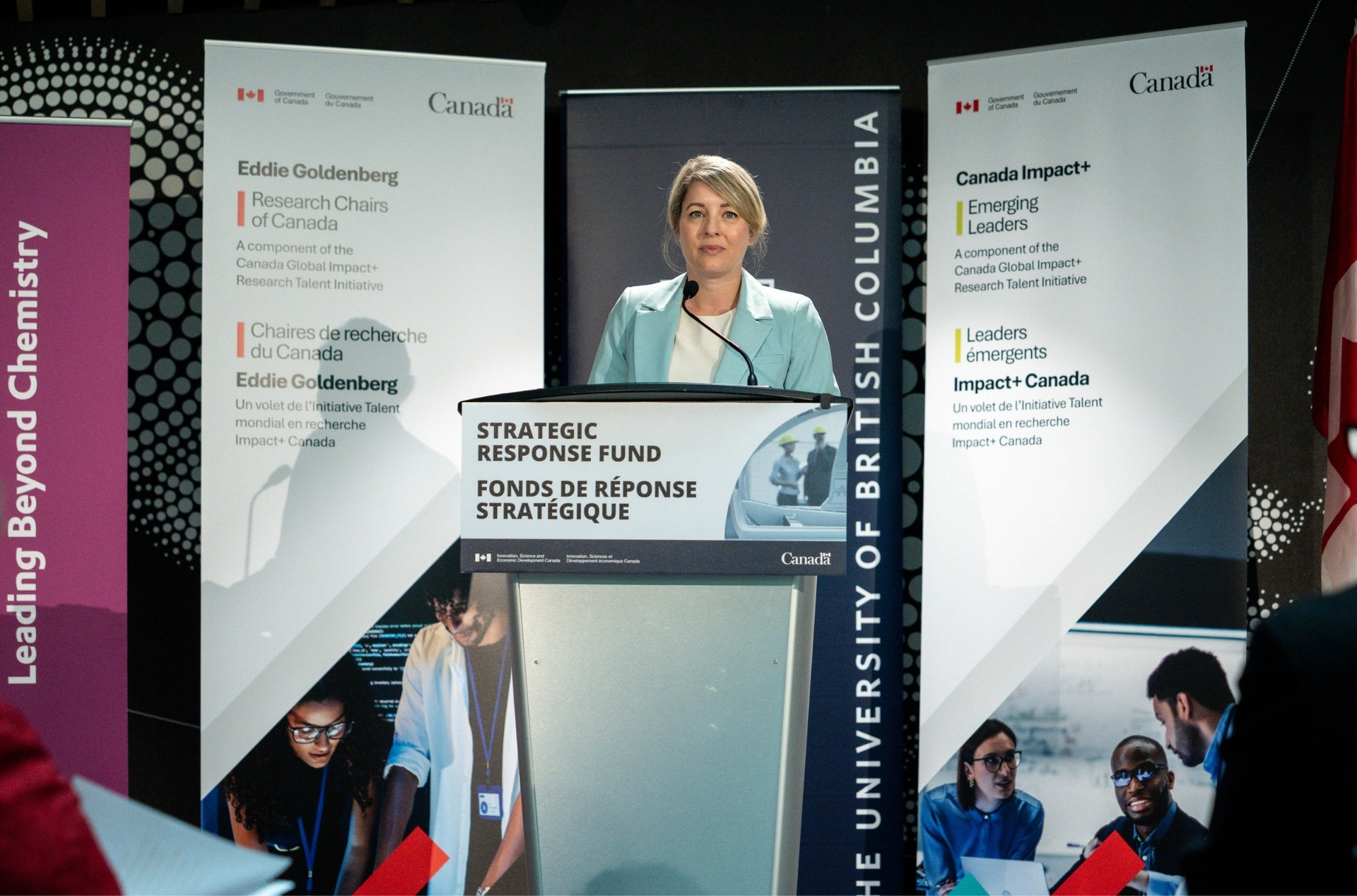
Ottawa announces 64 new research chairs in international talent attraction strategy
Top-tier researchers from 13 countries to join Canadian universities in first wave of appointments.
-
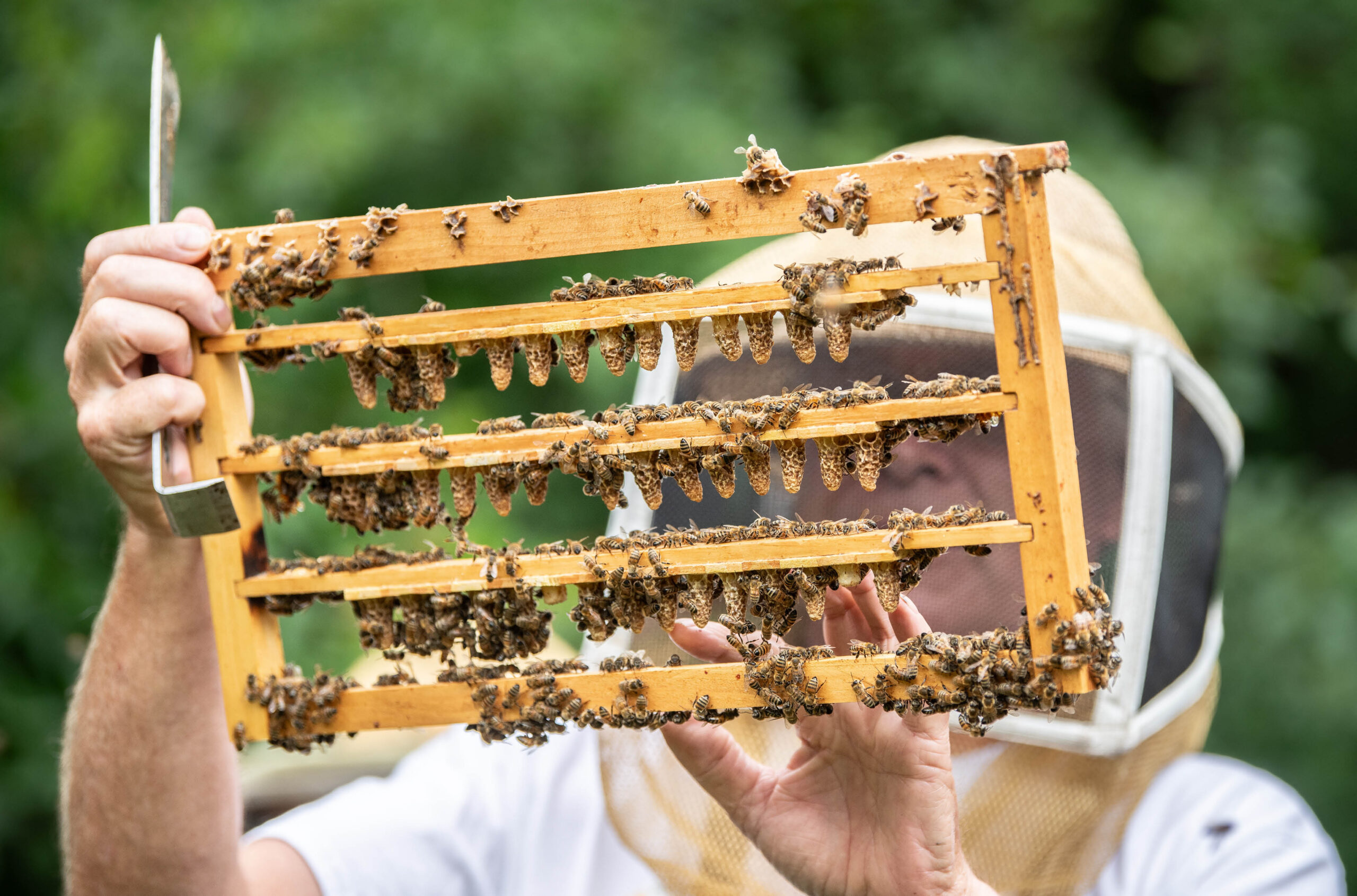
A look inside the hive: celebrating honey bee research at two Canadian universities
As MacEwan University marks 10 years of bees on campus, the University of Guelph kicked off the year by unveiling its newest centre for honey bee research.
More from Articles
-

Universities struggle to be heard in Quebec election
In a campaign dominated by the U.S. trade war and the soaring cost of living, universities assert their continued importance.
-
Attacks on higher education spread globally, including in liberal democracies, Scholars at Risk report finds
Canada urged to defend values amid erosion of institutional autonomy in the U.S.
-

Grad student visas double since 2025
Policy changes drive sharp rise in permits for international master’s and PhD candidates.
-

Where do Quebec’s political parties stand on higher education?
With the provincial election less than a month away, we provide a roundup of platforms and promises.

Post a comment
University Affairs moderates all comments according to the following guidelines. If approved, comments generally appear within one business day. We may republish particularly insightful remarks in our print edition or elsewhere.