The double-edged sword of autonomy
Professors enjoy enviable freedoms, but our inner taskmasters can put us in chains.

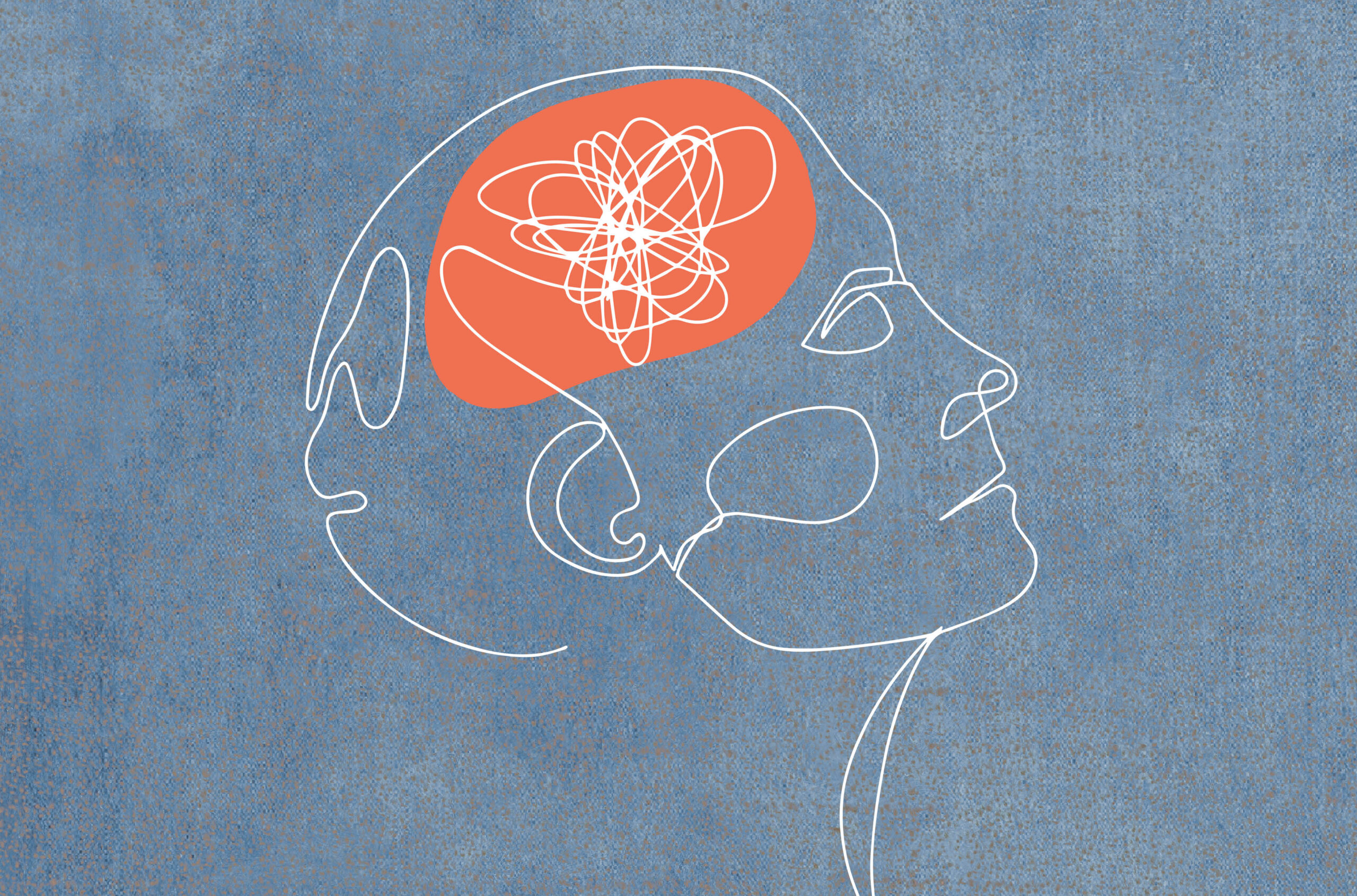
Do university professors love our jobs? Based on the amount of work we put in — nights, weekends, and even on vacation — the answer is a resounding “yes.” Yet, if there’s one thing our column has explored over the past year, it’sthe double-edged sword of our professional commitment. Passion is our fuel, but it can also be a trap. We’ve previously argued for collegiality and open dialogue to help mitigate the culture of performance — but it’s also important to look within.
Let’s start from the premise that university professors enjoy a high degree of independence and autonomy. The job security provided by tenure is increasingly rare in the modern working world. In addition, academia offers professors a remarkable amount of leeway in choosing our research topics, teaching methods, public engagements, and administrative involvement. Few jobs allow people to shape their work to such a degree. In many ways, being a university professor combines the best aspects of salaried work and self-employment — with all the associated freedoms and responsibilities.
Studies in psychology and management have shown that workplace well-being relies on two factors: a sense of security and a latitude for initiative. At its best, an academic career is almost unique in how well it blends the two. That’s nothing to scoff at.
So why do so many academics describe themselves as overwhelmed, exhausted, at the end of their rope? We’ve tackled this question from our very first article, which sought to distinguish between objective workloads and the subjective experience of workload. We’ve also discussed how learning the ins and outs of academia can help scholars navigate their careers and exercise freedom of choice. We’ve explored how collegiality functions as a peer-based management structure, at once challenging and enriching, and examined its sometimes paradoxical effects on the individual. We’ve discussed the dilemmas of public engagement, the best time to accept an administrative position, and the importance of choosing conferences carefully instead of chasing every opportunity.
Here’s the common thread: professorial freedom is not a passive state. It has to be exercised, negotiated (both internally and externally), and consciously safeguarded. The flip side of professional autonomy, which deserves closer attention, is that it shifts the source of pressure from external to internal. When there’s no boss breathing down our neck; when we’re free to set our own agenda; when the line between passion and obligation blurs, that’s when our inner taskmaster takes over — a taskmaster who is often more demanding than any reasonable employer. We devote ourselves to our work. We take on new passion projects. We sit on committees to expand our knowledge. We return to annual conferences again and again, both out of comfort in the familiar and in hopes of learning something new. Taken together, all this can lead to the heavy feeling of overwork that we addressed in our début column.
READ MORE: Let’s talk about workload
The solution lies neither in positive thinking, nor in quiet quitting. Instead, it’s about daring to face a truth that remains largely taboo in academic circles: passion and independence are excellent motivators, but they don’t protect us from burnout. In some cases, they can even contribute to it by obscuring the warning signs.
Self-care isn’t just an individual responsibility; it’s also a collective duty. Several of our columns have insisted on the importance of dialogue among colleagues. By speaking to each other, we also care for each other and set collective boundaries.
We have the privilege of engaging in meaningful, fulfilling work. Our work shapes minds, produces knowledge, sheds light on social issues, and strengthens democracy. The freedom in this job is real and valuable. This privilege should be safeguarded, even against its own excesses. By acknowledging this, we are not endorsing laziness, but rather creating the conditions that allow us to continue this inspiring and fulfilling work.
With all that said, we wish you an excellent summer, full of well-deserved rest.



Featured Jobs
- Global Inequalities and Trade - Faculty PositionUniversité Laval
- Psychology - Assistant Professor (Clinical Psychology)Western University
- Movember Institute Discovery Research Program FellowshipsThe University of British Columbia
- Toldo Chair in Christian StudiesAssumption University
- International Studies - Faculty Position (Arctic Defence and Security)Université Laval
More from Career Advice
-

How serendipity built a cross-disciplinary career
Taking research positions out of economic necessity allowed me to gather a broad set of skills and knowledge.
-

From doctoral student to entrepreneur
Resources abound to help you turn your PhD research into a business startup.
-

Internationalizing Truth And Reconciliation through multilingual storytelling
Faculty share stories in their home and heart languages in the University of the Fraser Valley’s Leq'áleq’el Video Series.
-

Show it clearly: illustrating a report for your community partners
Part II: How to design figures that tell your story.
More from Mental Health
-

Life lessons from the World Happiness Report
Happiness is a gift for elders to pass on to the younger generation.
-
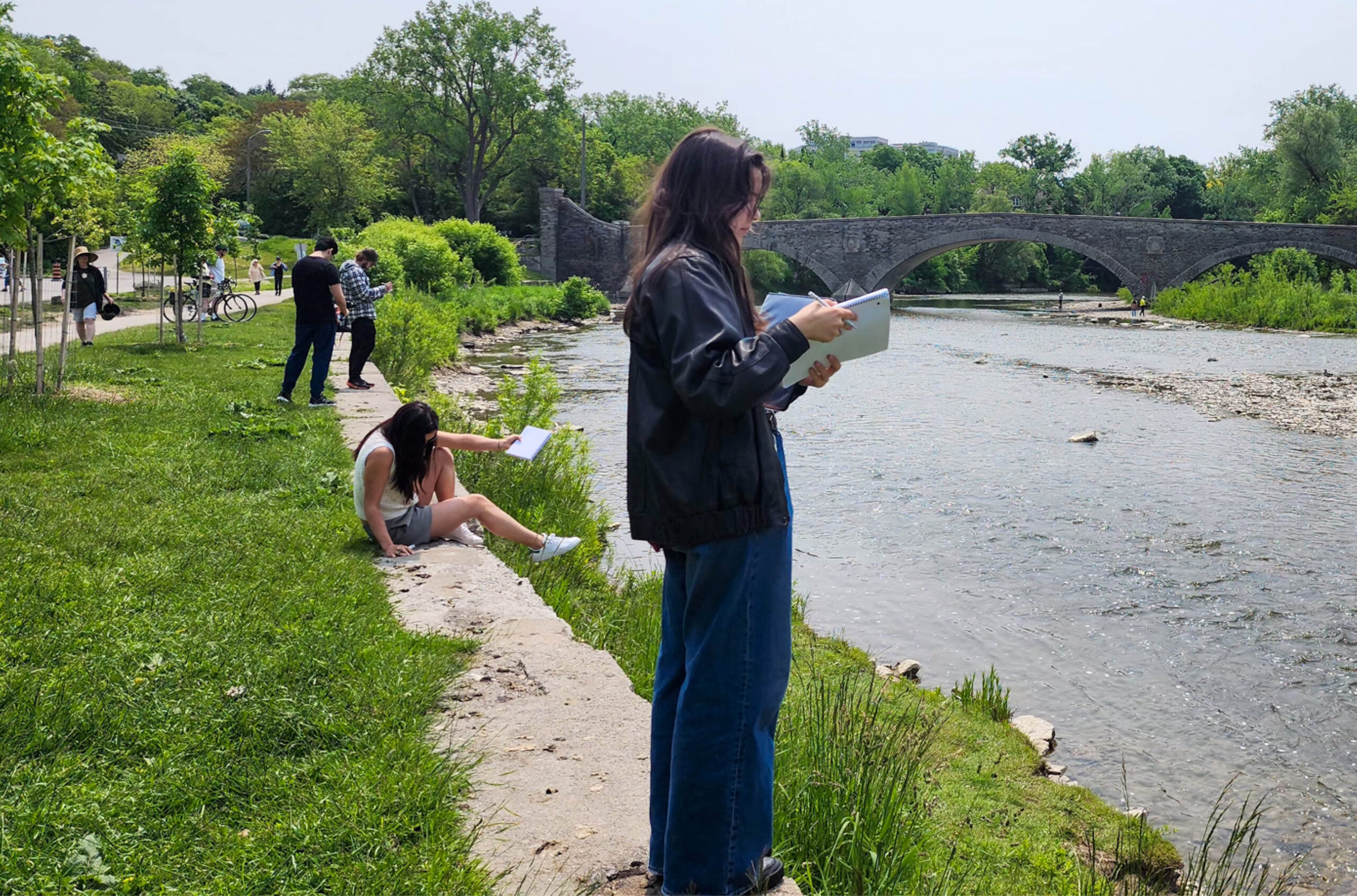
Teaching in the great outdoors
A unique creative writing class at the University of Toronto connects students to nature.
-

When misconduct moves on
Universities need a fair way to share serious misconduct findings across institutions.
-

When misconduct disappears into university bureaucracy
Universities have procedures for misconduct, but too often lack the governance structures needed to see the patterns that emerge across sectors.
More from Career Advice Articles
-

Can you spot an essay written by AI?
Learn the common patterns, limitations, and clues that may reveal AI-generated writing.
-

The secret to good labour relations
Two negotiators — one from a faculty association, one from a university administration — share their advice for building trust and achieving the common good.
-

Why are multiple-choice questions making a comeback?
Distinguishing the correct answer from plausible, but incorrect, alternatives sharpens students' skills in detecting AI slop.
-

Help! AI stole my students’ brains!
Why professors must teach undergrads to think critically about artificial intelligence tools.


Post a comment
University Affairs moderates all comments according to the following guidelines. If approved, comments generally appear within one business day. We may republish particularly insightful remarks in our print edition or elsewhere.
1 Comments
“With all that said, we wish you an excellent summer, full of well-deserved rest.”
This comment says it all. It propagates the widely held belief by the general public that university professors are like high school teachers; we get the summer off at taxpayers’ expense. For faculty members in STEM departments, with active research labs, summer is the busiest and most stressful time. Uninitiated summer students to supervise, graduate students doing intensive research to finish their projects, thesis drafts to read under time pressure, papers to write and get into the publishing stream as soon as possible. All these tasks create “self-imposed” deadlines and expectations; but we can’t let our protégés down. Forget summer holidays, forget rest, we don’t have time!