Eight tips to sail through your science or engineering PhD
One-third of people who start a PhD don’t finish within 10 years. Don’t be one of them.


If you’re looking for strategies to help you succeed in your engineering or science PhD, Caroline Boudoux’s It Goes without Saying: Taking the Guesswork Out of Your PhD in Engineering (336 pages, MIT Press) has you covered. A professor of engineering physics at Polytechnique Montréal, Dr. Boudoux wrote the book she wished she could have read when she began her PhD in the Harvard-MIT program in health sciences and technology. Here are eight key steps that drive her strategy.
1. Choose your thesis supervisor carefully
The quality of your relationship with your thesis supervisor is a good predictor of your success as a PhD student. Are they internationally renowned but rarely available? Are they the type of person who points out every mistake without suggesting solutions? Completing an internship or spending a few days in your prospective supervisor’s lab before starting your degree is a great way to discover if their management style aligns with your needs. At the very least, it’s good to meet the members of your prospective supervisor’s team. If that’s not an option, Dr. Boudoux advises, sit down together to lay out your expectations. If you’re not making progress, one solution could be to suggest co-supervision.
2. Put some thought into your career goals
Before diving into your PhD, Dr. Boudoux recommends considering your career options. Since nine out of 10 people who complete their PhD don’t become university professors, she says, it’s important to consider other paths. Pay attention to the work of the PhDs you meet along your graduate-degree journey and ask them questions. How did they get their position? What do they wish they’d learned during their PhD that would have helped their work now? Which skills made them the best person for the job? Dr. Boudoux suggests making a list of five or six skills to develop during your degree, such as leadership, management and communication. Then you can work toward them by teaching a course, working on a grant proposal or taking an internship.
3. Write yourself a letter about why you’re doing this
The discovery phase during the first year of your PhD can feel like a honeymoon period, says Dr. Boudoux. But it doesn’t last, she warns. Take the opportunity to write yourself a letter about why you’re doing this. Maybe you want to invent a tool that will change the world. You can inject a sense of meaning back into what you’re doing by rereading the letter during hard times.
4. Take care of your mental health
Pursuing a PhD can be very isolating, says Dr. Boudoux. That goes double if you move abroad, which can be very stressful. Then there are the other life stresses: a breakup or a sick parent. Meanwhile, your colleagues from undergrad might be landing good jobs or buying a house. Dr. Boudoux advises prioritizing your mental health from the outset, and keeping in mind that PhD studies are very intense. Most people don’t work a simple nine-to-five schedule. It’s hard to switch off. But it’s important to look after yourself. If you find yourself struggling, read your letter of motivation, of course, but be sure to also talk to your thesis supervisor. They can direct you to the university’s mental health resources and make sure you’re taken care of.
5. Throw yourself into your thesis proposal
In their first year, PhD students have to prepare a thesis proposal. This is when you really explore your topic and make it your own, says Dr. Boudoux. You have to read everything that’s been written on the subject, understand what different research groups are doing worldwide and pinpoint what interests and skills you can bring to the topic.
6. Avoid predatory journals
Publishing your research findings is part of being a scientist. Just make sure to submit to reputable journals. Every journal has its own format, and reading multiple papers to grasp a particular journal’s style will help you with the writing process. Even then, your paper may get rejected; it’s an experience that happens to everyone. But for a PhD student who’s used to being at the top of their class, encountering failure for the first time can be challenging. When that happens, it can be tempting to submit to a “predatory” journal with an expedited peer review process, or without one at all. These journals often reach out to people directly to write an article for them, says Dr. Boudoux. While this can be flattering, but these journals create more trash than treasure. To identify which journals are reputable, Dr. Boudoux recommends asking your university librarians.
7. Create a flexible plan for your research project
Set yourself up for success by planning out your work for the next five years — then adjust as you go. The first year is all about your thesis proposal, but it’s still important to go to the lab and get up to speed on the research infrastructure alongside more advanced students, says Dr. Boudoux. Ideally, you’ll also obtain preliminary findings to integrate into your proposal. She suggests planning to publish approximately three articles between years two and four. The idea is to avoid taking three years to complete your first article, then running out of time for the others. If your research runs aground, your thesis committee can help you pivot.
8. Write your chapters around your articles
Ideally, after four years, you’ll have published a few articles. The final months of your PhD will be spent writing all of the surrounding chapters: the introduction, literature review, general discussion and conclusion. This will generally involve incorporating much of the work you did for your thesis proposal and scientific articles, but don’t forget to check out anything that’s been published since. The most challenging part, she says, is writing the articles themselves: That’s the core of your thesis, your unique contribution to science.


Featured Jobs
- Psychology - Assistant Professor (Clinical Psychology)Western University
- International Studies - Faculty Position (Arctic Defence and Security)Université Laval
- Toldo Chair in Christian StudiesAssumption University
- Canada Impact+ Emerging Leader in Quantitative and AI-enabled Electron Microscopy for Quantum and Advanced MaterialsMcMaster University
- Global Inequalities and Trade - Faculty PositionUniversité Laval
More from News
-
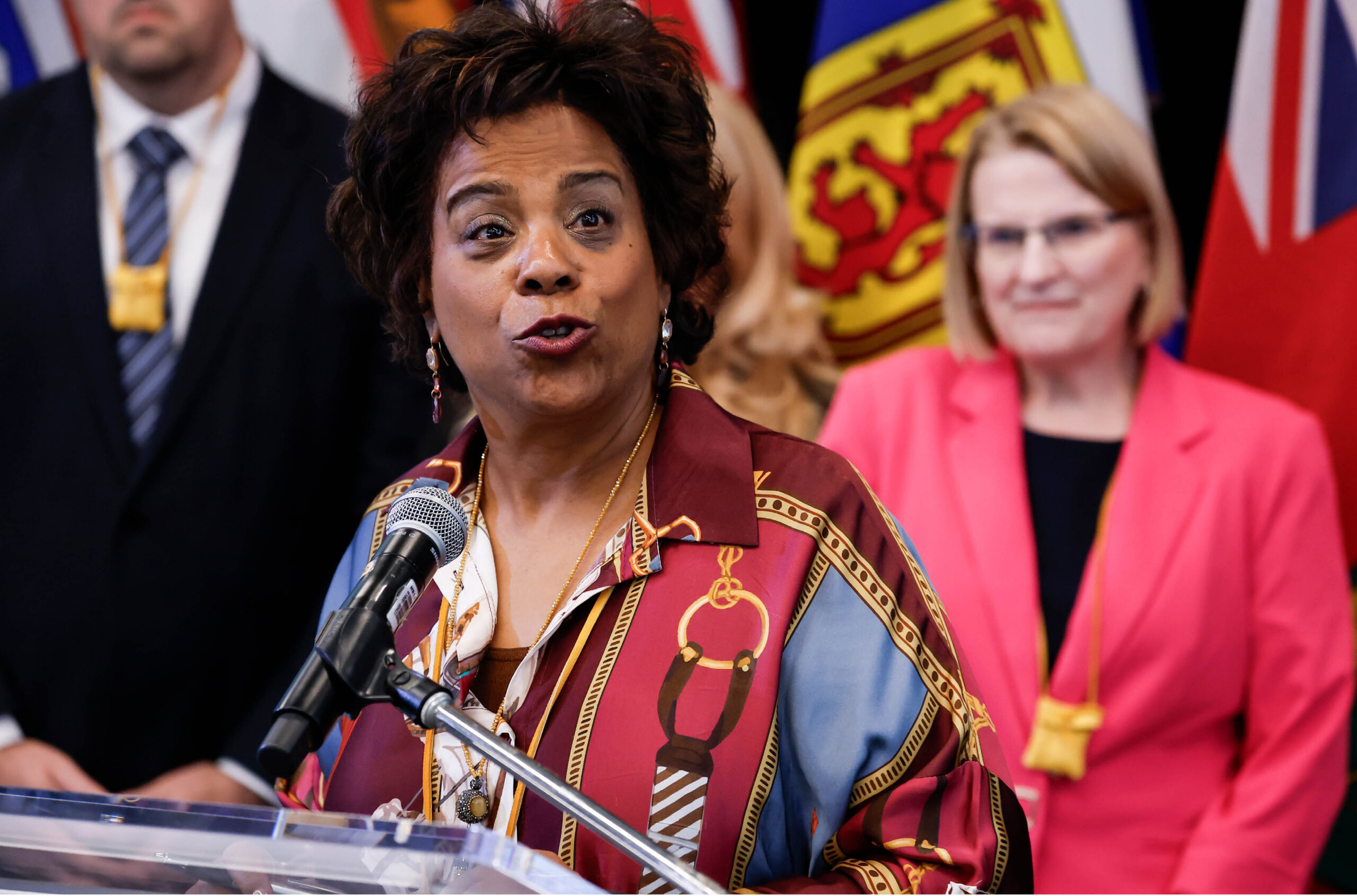
Feds announce $880 million for research
Funding will support both established health scientists and emerging cross-disciplinary researchers.
-
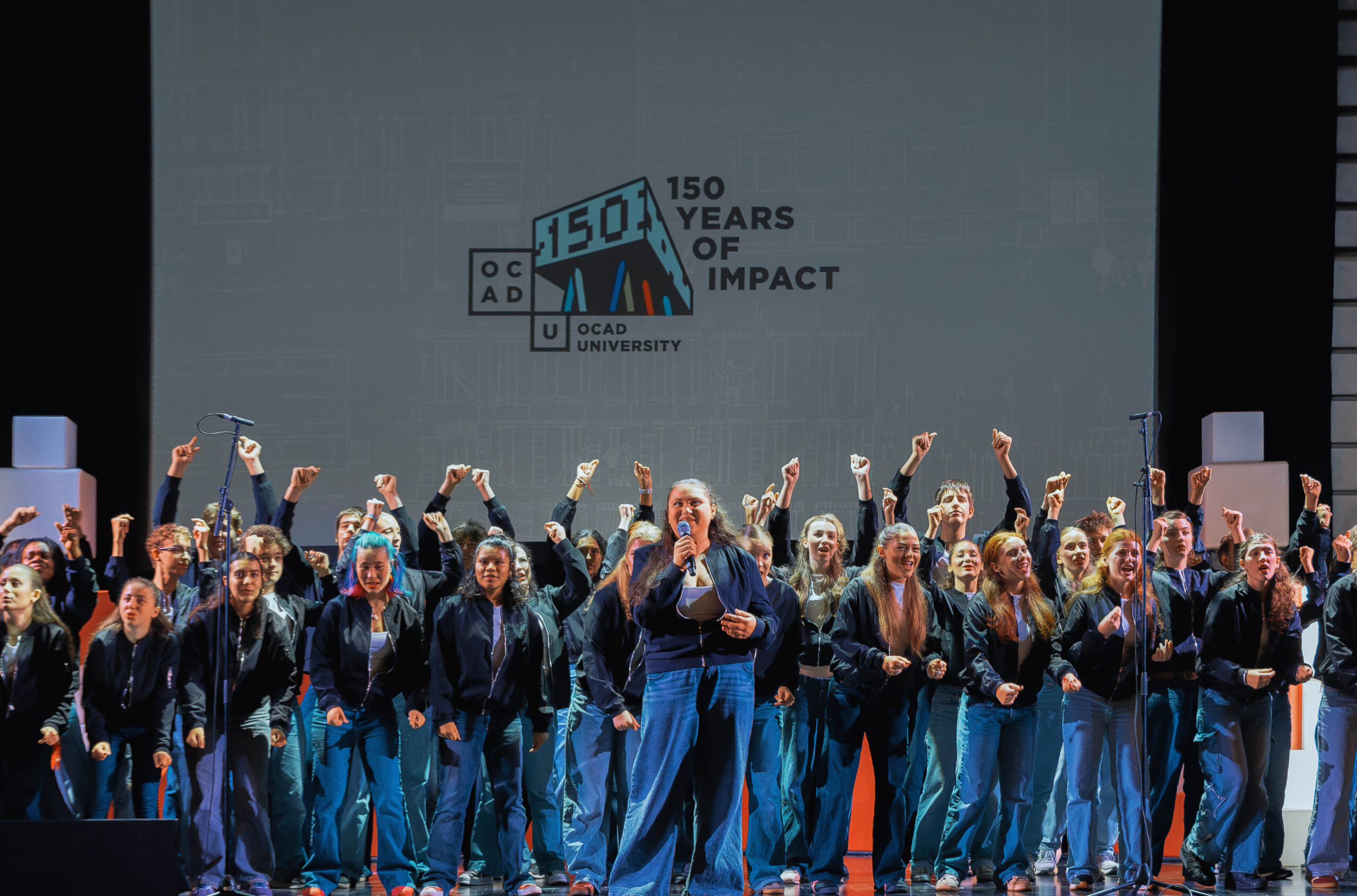
OCAD University celebrates 150 years of shaping Canadian culture
Art and design university launches $6-million campaign for 150 scholarships to mark 150th anniversary.
-

B.C. higher education: tweak or reform?
In the coming provincial election, parties offer different proposals for a system under strain.
-

Canada ‘muddling through’ without national research infrastructure strategy, panel finds
Expert report says fragmented governance and funding threaten Canada's research competitiveness and scientific sovereignty.
More from Postdocs
-
From Postdoc to Research Faculty crash course
A collaborative approach to supporting Toronto postdocs with academic job searches.
-
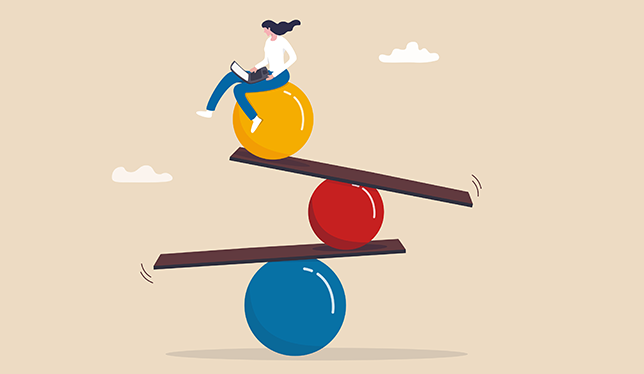
Some potential pitfalls of postdoc life
If you are considering a postdoctoral fellowship, know that you may have to juggle relocation and a potential lack of resources and emotional support network.
-

How administrative ambiguity and devaluating language hurts Canadian postdocs
Redefining how university and institutional administrations see this vulnerable population of highly skilled workers is an important first step toward countering inequity and mending the gender gap in academia.
-
University of Guelph postdocs vote to unionize, but bigger goals lie ahead
Postdocs recount three key elements in their strategy that led to their unionization efforts.
More from Career Advice Articles
-

How serendipity built a cross-disciplinary career
Taking research positions out of economic necessity allowed me to gather a broad set of skills and knowledge.
-
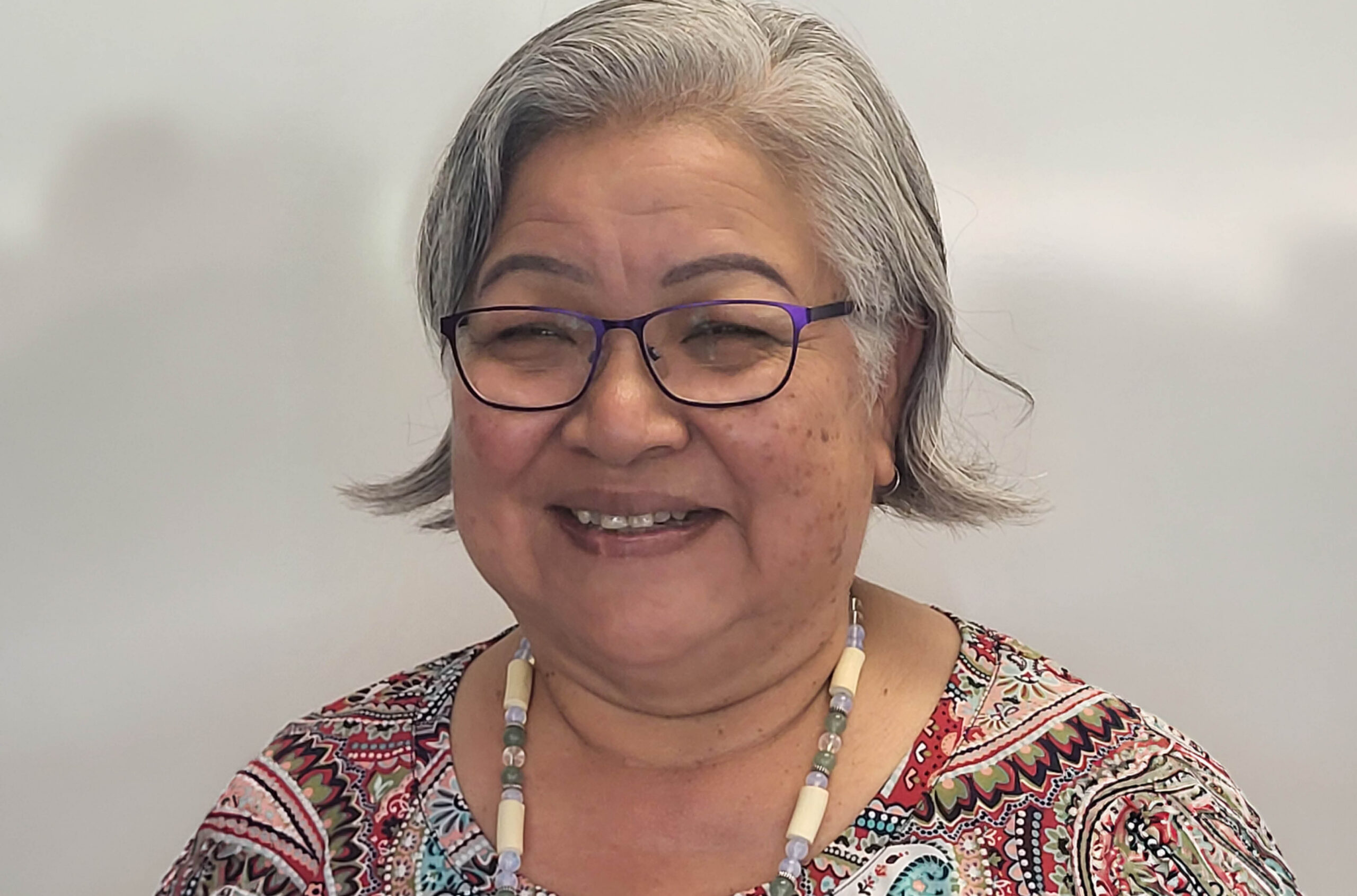
Internationalizing Truth And Reconciliation through multilingual storytelling
Faculty share stories in their home and heart languages in the University of the Fraser Valley’s Leq'áleq’el Video Series.
-

Can you spot an essay written by AI?
Learn the common patterns, limitations, and clues that may reveal AI-generated writing.
-

The secret to good labour relations
Two negotiators — one from a faculty association, one from a university administration — share their advice for building trust and achieving the common good.


Post a comment
University Affairs moderates all comments according to the following guidelines. If approved, comments generally appear within one business day. We may republish particularly insightful remarks in our print edition or elsewhere.