Montreal students, professors, protest Quebec’s Bill 9
Demonstrators to rally against law that restricts the wearing of religious symbols and forbids prayer rooms in higher education institutions.

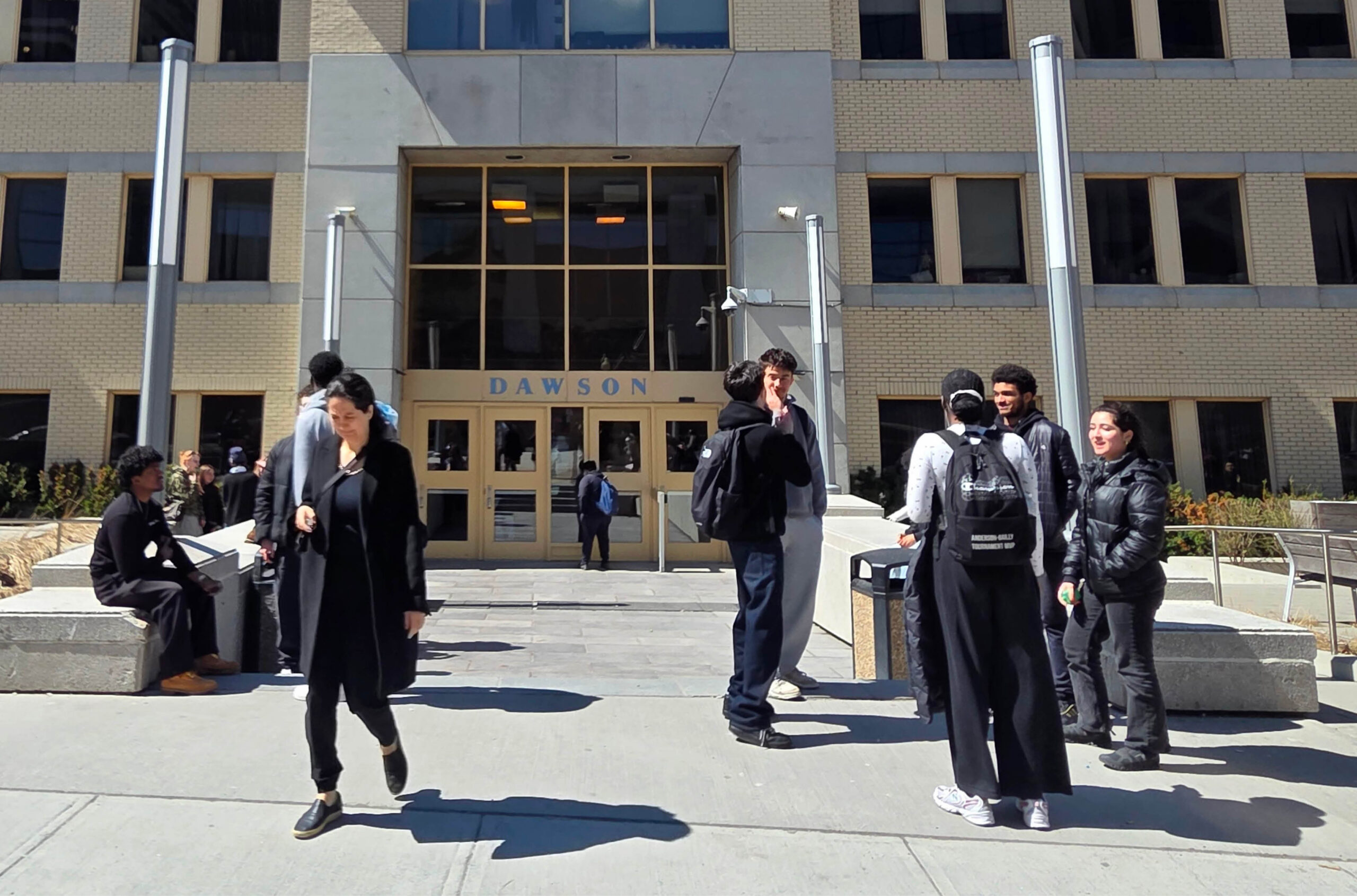
Outside Montreal’s Dawson College, students are enjoying the sun between classes. Inside, some grab lunch at the cafeteria, while others browse the artisan market on the floor below. But under the English-language CEGEP’s calm facade, anger has been simmering for weeks. Some students and teachers recently met to talk about how to challenge Quebec’s recently passed Bill 9.
The Dawson Student Union (DSU) — whose office is plastered with anti-capitalist posters, artwork and to-do lists — has organized a student walkout for Friday, May 1. Dawson College became an epicentre of protest against bills that restrict the public display of religious symbols after the previous Bill 21 was passed. “Our message to the government is that we won’t stand idly by and watch our rights be stripped away,” says Lauren Tzimopoulos, vice-president of academic affairs and advocacy with the DSU. “We won’t back down. We’ll keep defending students’ interests.”
Sara El Alami Saidi, president of North Africa Now, a club for students originating from that region, concurs.
“We’re not opposed to keeping religion and state separate,” Ms. El Alami Saidi explains. “But the government’s approach clearly discriminates against minorities.”
She and Ms. Tzimopoulos believe that Bill 9 targets religious minorities, including Muslims, Jews and Sikhs, who wear visible religious symbols as part of their religious observance. “Christians are also at risk of losing their prayer rooms,” Ms. El Alami Saidi notes. “They’re not happy, either.”
‘A solution to a problem that doesn’t exist’
Quebec’s first effort to regulate religious accommodations within the public service came in 2010 with the tabling of Bill 94. Though the bill was never adopted, its principles laid the groundwork for Quebec’s secularism policy 15 years later — a policy that notably exempts the display of existing religious symbols, the vast majority of them Catholic, on public property across the province, as they are considered part of Quebec’s cultural heritage.
When the province adopted its first secularism law, Bill 21, in 2019, opponents denounced it for forbidding public service workers in positions of authority (such as police officers, teachers and judges) from wearing religious symbols. Since then, the Quebec government has doubled down.
These restrictions now extend to daycare workers, subsidized private schools and higher education institutions. Bill 9 requires universities to close prayer rooms, bans religious practices on campus, and forbids students from wearing face coverings when accessing educational services.
“It violates our rights, and they know it,” argues Ms. Tzimopoulos. “They use the Charter’s notwithstanding clause to pass bills they know are discriminatory to advance their political agenda.” The notwithstanding clause (section 33 of the Canadian Charter of Rights and Freedom) enables legislative bodies to pass bills even when they run contrary to the rights otherwise protected by the Charter. The CAQ government has invoked it five times since taking power.
Ms. Tzimopoulos says that prayer rooms for Christians, Muslims and Jews have never caused any problems at Dawson.
Antonia Fikkert, Secretary-Treasurer of the Dawson Teachers’ Union (DTU), agrees. “Our students coexist very well,” she says. “We are a multicultural, diverse, interfaith campus. To our eyes, this legislation is a solution to a problem that simply doesn’t exist.”
Teachers concerned about losing students
In September 2025, the DTU adopted a motion to reject the report by the province’s legislative assembly on what was then only a draft bill. Ms. Fikkert summarizes the faculty’s concerns: “As an atheist teacher, I want all my students to be able to come to me as they are and know they can be wholly themselves within this institution. If they can’t be themselves here, they will choose, more and more, not be here at all.”
Leah, a first-year student at Dawson, offered a perspective shared by many students. “As a Muslim, you learn growing up that some places aren’t meant for you. They’re for other students. When the bill was passed, it confirmed a lot about Quebec that I already believed.”
Though she enjoys tutoring and has been encouraged to go into teaching, Leah has never considered it a real option because she wears a hijab. “It’s sad that Quebec — where I was born and have considered home all my life — and the politicians in charge make us feel like we don’t belong, or that we’ve done something wrong. But it doesn’t matter, they still won’t be able to get rid of minorities in Montreal or in Quebec.”
At 18, Leah decided to study science and pursue a career where she is free to wear whatever she likes. Still, she’ll join Friday’s protest. “A lot of people are getting involved who aren’t religious at all,” she says. “They feel it infringes on their rights, too — and they’re right. Once one minority is targeted, nothing is stopping them from targeting others.”
Students mobilizing across Quebec
The Quebec Student Union (QSU) is among the organizations calling for a general strike. The QSU represents 14 universities across the province, including HEC Montréal, Université de Montréal (UdeM), Polytechnique Montréal, and l’École nationale de l’administration publique (ENAP). “We drafted a brief and petitioned to present it to the parliamentary commission in person, but we never heard back,” says QSU President Flora Dommanget. “Our central demand is that Bill 9 be withdrawn, pure and simple.”
In addition to Bill 9, QSU is concerned about the government’s “authoritarian overreach,” noting that it will “hamper access to education by discriminating against certain people based on religious symbols.”
“The government is completely disconnected from the actual situation,” says Ms. Dommanget. “It is critical to listen closely to the people who are directly affected by this legislation.” Many students say opposition is only just getting started. Bill 9 has the potential to become an enduring example if their voice isn’t heard.
On May 1, contingents from Montreal universities will participate in the main rally at Victoria Square at 6:00 p.m. Several CEGEPs, including Ahuntsic and Saint-Jérôme, are picketing in front of their institutions and organizing local rallies.
When University Affairs reached out for comment, UdeM, Université Laval, Université du Québec à Rimouski, and University du Québec à Montréal indicated that their institutions do not have prayer rooms. Concordia University and McGill University, meanwhile, said they were assessing Bill 9 and its potential repercussions. Dawson College administrators did not respond to requests for an interview by the publication deadline.



Featured Jobs
- International Studies - Faculty Position (Arctic Defence and Security)Université Laval
- Global Inequalities and Trade - Faculty PositionUniversité Laval
- Theatre and Film - Assistant Professor Without Review (Performance Practice)The University of British Columbia
- Director, Human Research Ethics & Strategic AdvisorUniversity of Manitoba
- Psychology - Assistant Professor (Clinical Psychology)Western University
More from News
-

Students and seniors under the same roof
Intergenerational living helps with loneliness and the high cost of rent.
-
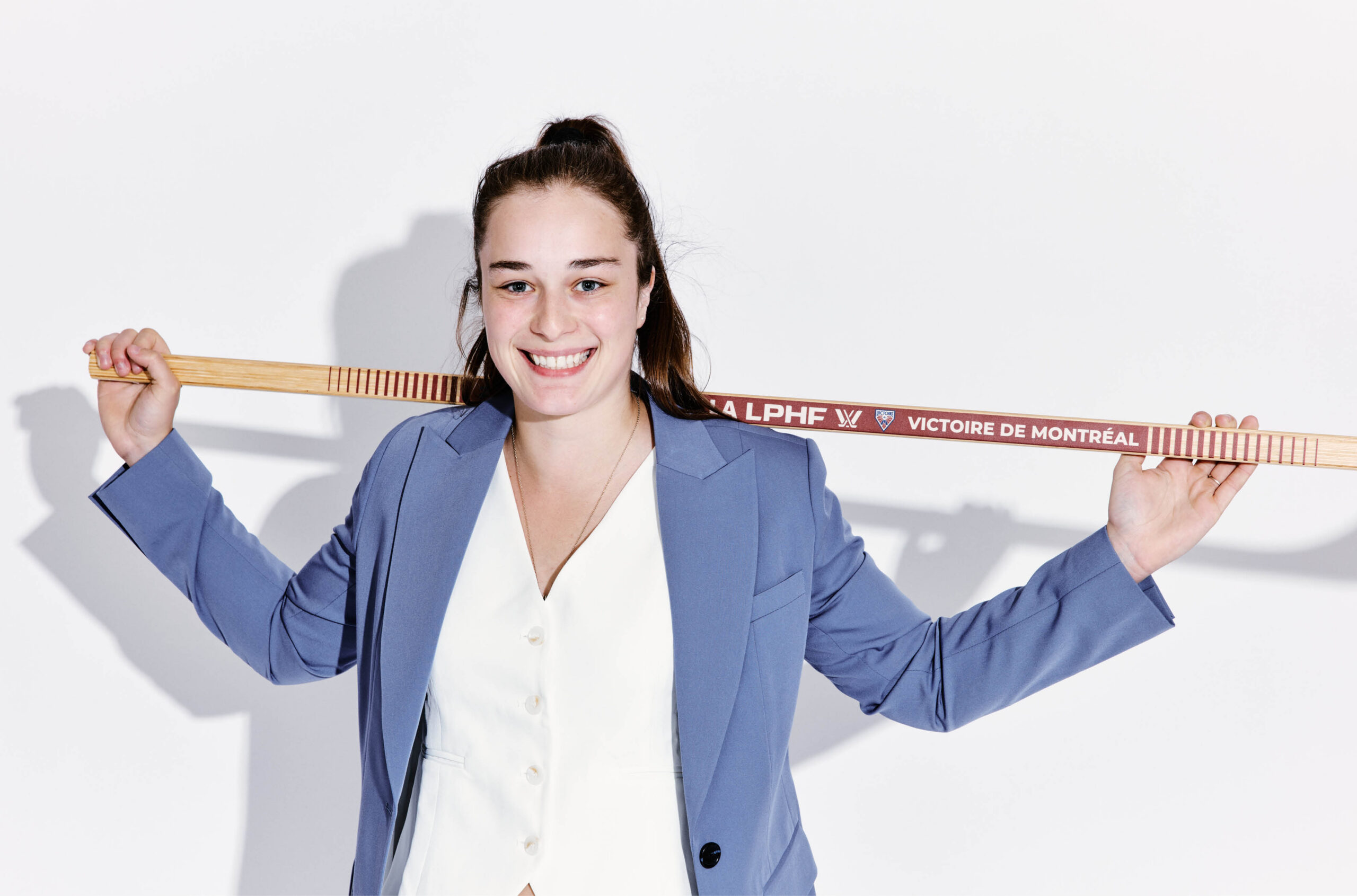
U Sports alum lace up for PWHL season
Canadian grads eager to show their mettle on women’s pro hockey teams.
-
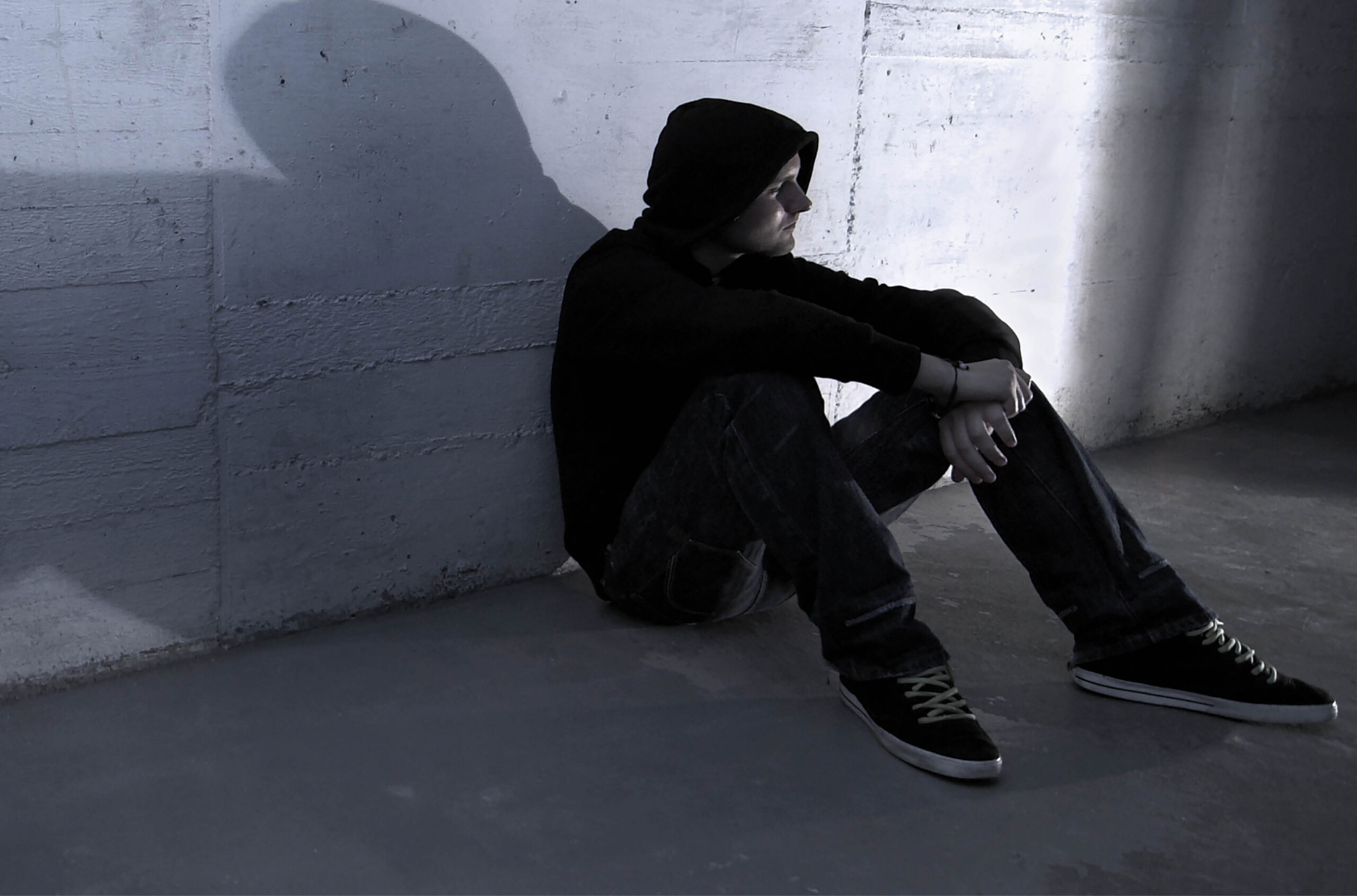
The hidden problem of student homelessness
As high rents push more students into precarious housing, it's time to stop romanticizing the 'poor scholar'.
-

Parliamentary committee urges stronger support for research in French
Granting agencies should consider funding targets specifically for French-language projects, the Standing Committee on Science and Research recommends.
More from Policy
-
Quebec universities: 60 years of change
From the Quiet Revolution to the present day, universities have profoundly transformed Quebec society. As a provincial election rapidly approaches, we reflect on their changing mission over six decades of often tense history.
-
Universities participating in Canadian militarization: the case against
Henry A. Giroux argues that the militarization of Canadian universities threatens to transform institutions devoted to critical inquiry and democratic life into extensions of the warfare state.
-

Canadian universities and the new defence imperative: the case in favour
Martin Maltais argues that Canadian universities must play a greater role in strengthening the country’s defence capacity while preserving academic freedom and scientific independence.
-

Science must become a pillar of Canadian foreign policy
With technological developments reshaping global governance, science cannot remain isolated from international relations.
More from Articles
-
Remove EDI from research funding decisions, parliamentary committee says
The Standing Committee on Science and Research says ‘discriminatory’ EDI policies are ‘weakening the quality of Canadian research’.
-

Good medicine: new programs train country doctors
Université de Montreal follows Queen’s prescription to heal the shortage of family physicians in rural areas.
-

Universities struggle to be heard in Quebec election
In a campaign dominated by the U.S. trade war and the soaring cost of living, universities assert their continued importance.
-
Quebec’s English-language universities embrace new French requirements as fall cohort begins
McGill, Concordia and Bishop’s universities roll out new initiatives to encourage students to learn French on and off campus.


Post a comment
University Affairs moderates all comments according to the following guidelines. If approved, comments generally appear within one business day. We may republish particularly insightful remarks in our print edition or elsewhere.
3 Comments
A slippery slope to dictatorship and fascist regime
Extremely proud of my son and every student and teacher protesting this blatantly racist law that forces people, particularly Muslim women, to choose between their job and their faith. If Québec was truly interested in making the province fully secular, they’d change the name of most streets and cities, remove the Christian symbols from landmarks, and prohibit anyone with a saint’s name from public office.
The issue is not about defending secularism. It’s about Quebec imposing irreligion on minorities.