Maple: from soil to syrup
Discover the ecology behind Canada’s sweetest treat in this documentary short, featuring Université Laval Professor Guillaume Moreau.

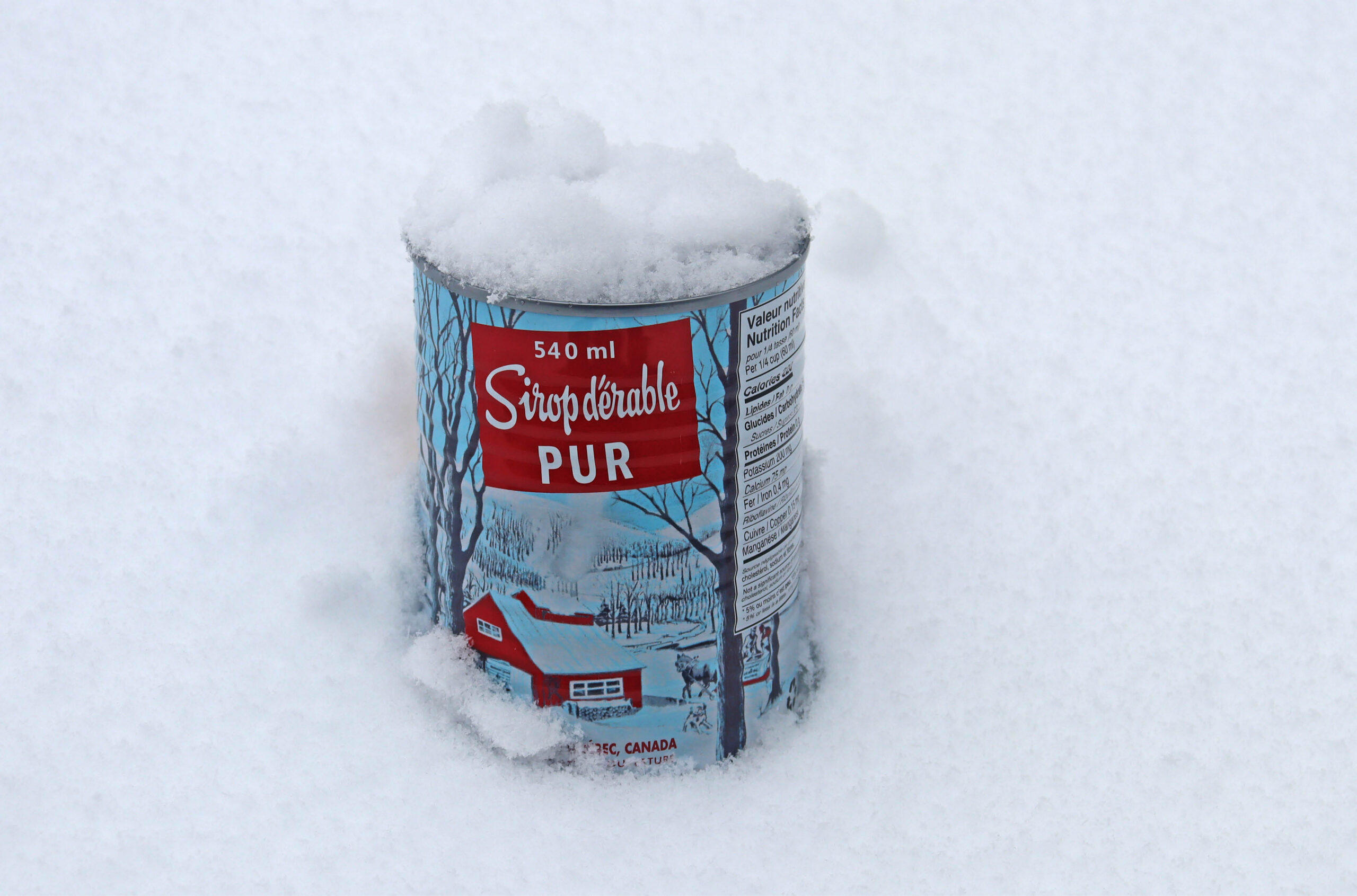
Money doesn’t grow on trees — except, perhaps, in a sugar bush.
Maple syrup production employs thousands of workers and contributes nearly a billion dollars to Canada’s GDP. Yet there is little scientific data on how to optimize the harvest of this sweet Canadian treat, while preserving the health of the forest.
That’s why, in October 2025, Université Laval appointed Guillaume Moreau as Research Chair in Maple Syrup Production and Sugar Bush Management — a chair created in collaboration with the Producteurs et productrices acéricoles du Québec (Quebec maple syrup producers).
Dr. Moreau believes there’s a lot of potential to expand maple syrup production in Canada — but this expansion must take into account the health of the forest ecosystem and the needs of other users, including recreation, tourism, and the forestry industry.
By bringing together researchers, maple syrup producers, governments and First Nations, the research chair aims to develop a better understanding of this complex ecosystem and to support sustainable management.
“I hope we’ll be able to offer many potential solutions and new insights,” says Dr. Moreau. “It’s a very important mission, to support not only the maple syrup industry, but everyone who has a stake in the forest. We have everything in place to make a real impact on knowledge. And meanwhile, we’re training the next generation of experts who will lead major research projects of their own.”
Join Dr. Moreau on a tour of Université Laval’s research sugar bush and discover the ecology behind Canada’s sweetest treat in this documentary short.



Featured Jobs
- Psychology - Assistant Professor (Clinical Psychology)Western University
- Theatre and Film - Assistant Professor Without Review (Performance Practice)The University of British Columbia
- Toldo Chair in Christian StudiesAssumption University
- Director, Human Research Ethics & Strategic AdvisorUniversity of Manitoba
- International Studies - Faculty Position (Arctic Defence and Security)Université Laval
More from News
-

Canada ‘muddling through’ without national research infrastructure strategy, panel finds
Expert report says fragmented governance and funding threaten Canada's research competitiveness and scientific sovereignty.
-

Ottawa won’t restrict student visas from countries with high asylum-claim rates
India will help Canada ‘crack down’ on student program abuses, high commissioner says.
-

Students and seniors under the same roof
Intergenerational living helps with loneliness and the high cost of rent.
-
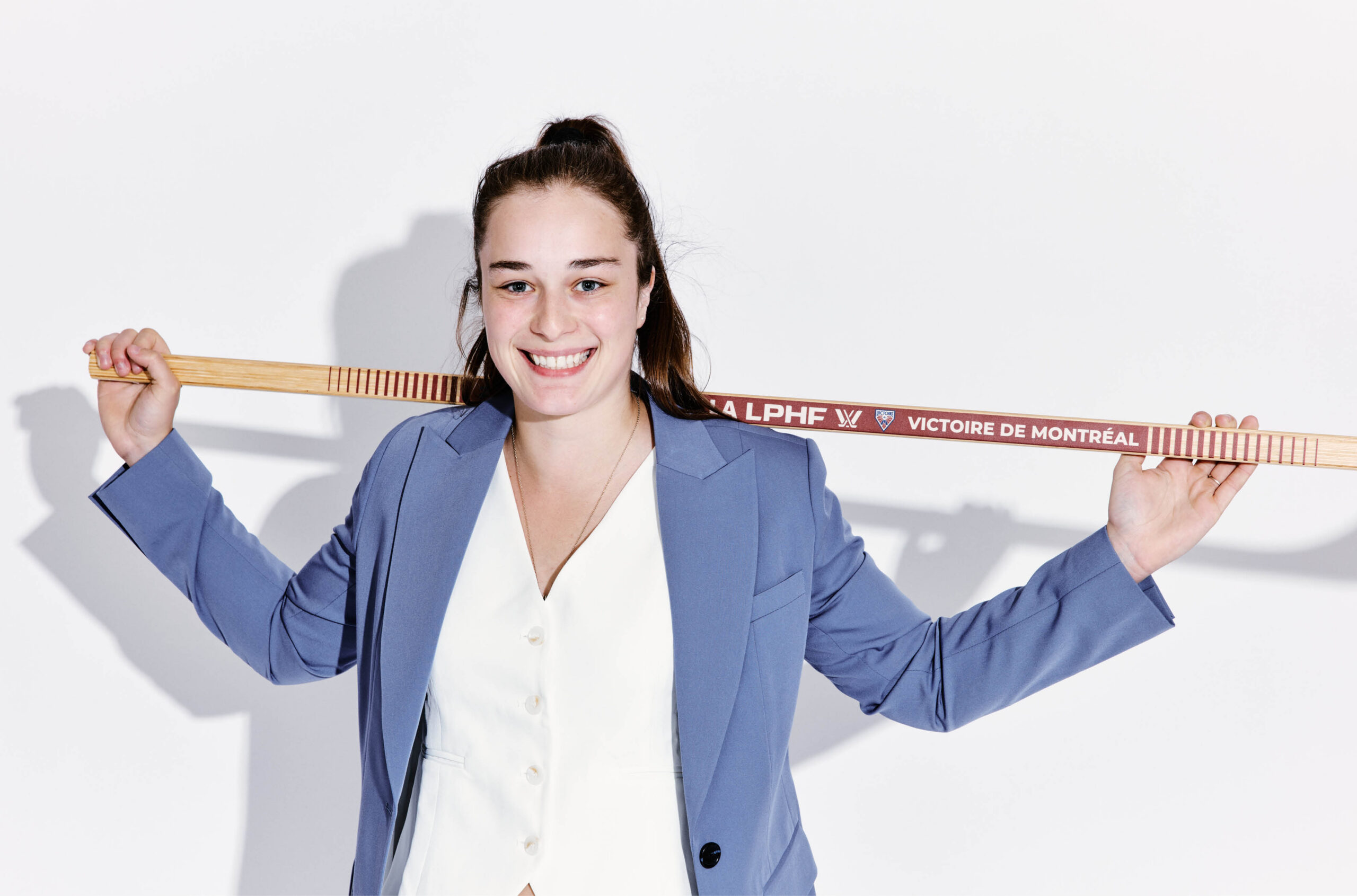
U Sports alum lace up for PWHL season
Canadian grads eager to show their mettle on women’s pro hockey teams.
More from Research
-

The Nuisance Variable
Two-thirds of Alzheimer’s patients in Canada are women. Why does research still treat them as an afterthought?
-

How serendipity built a cross-disciplinary career
Taking research positions out of economic necessity allowed me to gather a broad set of skills and knowledge.
-
Science in French? Bien sûr!
As English dominates the publication landscape, support for French-language research is a strategic investment in the quality, equity and the future of knowledge.
-

From doctoral student to entrepreneur
Resources abound to help you turn your PhD research into a business startup.
More from Articles
-

The hidden problem of student homelessness
As high rents push more students into precarious housing, it's time to stop romanticizing the 'poor scholar'.
-

Parliamentary committee urges stronger support for research in French
Granting agencies should consider funding targets specifically for French-language projects, the Standing Committee on Science and Research recommends.
-
Remove EDI from research funding decisions, parliamentary committee says
The Standing Committee on Science and Research says ‘discriminatory’ EDI policies are ‘weakening the quality of Canadian research’.
-

Good medicine: new programs train country doctors
Université de Montreal follows Queen’s prescription to heal the shortage of family physicians in rural areas.


Post a comment
University Affairs moderates all comments according to the following guidelines. If approved, comments generally appear within one business day. We may republish particularly insightful remarks in our print edition or elsewhere.
1 Comments
There was once talk about an element in maple syrup being healing. Something to do with the trees trying to heal themselves from a cut to their skin. Has any research advanced this? I saw the parallel with manuka honey, which Kiwi researchers showed had healing properties in the 1990s. This led to the product development and marketing of vastly premium products. This includes a range of medical burn treatments approved for use in the USA (a film of honey is applied directly to burns). The point is selling the health benefits for $30, not as a generic syrup for $10.