B.C. higher education: tweak or reform?
In the coming provincial election, parties offer different proposals for a system under strain.


With British Columbia voters heading to the polls this Saturday, Oct. 24, the strained state of the province’s post-secondary education system is competing with other pressing issues for public attention during a short and turbulent election campaign.
Universities across the province face a funding model that has relied heavily on international student recruitment, and that remains under pressure after the federal government began drastically cutting the number of foreign study visas two years ago. Whatever party wins the election will inherit a post-secondary system facing calls for significant structural change.
In November 2025, the province’s NDP government under Premier David Eby commissioned former deputy minister of education Don Avison to conduct a thorough review of the province’s post-secondary sector. Mr. Avison submitted his report this spring, but the government has not released it or publicly acted on it.
Despite having had months to review Mr. Avison’s report, the ruling NDP barely addresses the post-secondary system in its election platform, confining its promises to the areas of tuition, training, and certification for certain health-care professionals.
Meanwhile, the B.C. Conservative Party, which has staged a come-from-behind surge during the breakneck four-week campaign, is focussing on training for careers and trades. And the B.C. Green Party, currently third in the polls, is calling for an infusion of public money and a complete overhaul of the post-secondary funding system.
The other parties in the running are CentreBC, which does not have official party status and is polling at less than three per cent of the popular vote, and OneBC, which has polled at five per cent or less throughout the campaign. Mr. Eby called the snap election on Sept. 22.
Party platforms and promises
With just a few days remaining before voters cast their ballots, the leading parties propose contrasting approaches and priorities in the higher-education realm.
B.C. New Democratic Party:
The NDP’s 2026 election platform is scant on commitments for post-secondary education; however, its health-care plan proposes a faster pathway for internationally trained doctors already living in B.C. who cannot practise family medicine because of a shortage of residency seats.
As well, on the campaign trail, the NDP has promised discounted tuition, loan forgiveness and moving expenses for health-care professionals willing to work in underserved rural B.C. communities.
During its time in government, the NDP has introduced measures to tighten oversight of international education, including guidelines targeting a limit of 30 per cent international student enrolment at public post-secondary institutions and requirements for institutions to publish tuition costs for the duration of students’ studies.
B.C. Conservative Party:
The Conservatives’ post-secondary education platform focuses on connecting students with trades and career opportunities at an earlier stage in their education.
The party pledges to expand dual-credit programs, apprenticeships and paid work experience with post-secondary institutions and employers. It also promises to make it easier for apprentices to remain employed during technical training and to expand training in skilled trades and other occupations facing worker shortages in B.C.
B.C. Green Party:
The Greens call the higher education funding system outdated and pledge to replace it through a system-wide review, backed by new provincial funding. Over time, the Greens aim to ensure that at least 75 per cent of core institutional operating costs are publicly funded. The party also promises temporary stabilization funding for institutions facing financial shortfalls due to declining international student enrolment.
When it comes to tuition, the Greens propose capping annual increases for international students at inflation, while freezing domestic tuition and addressing mandatory institutional fees. The party also wants campus housing brought under the Residential Tenancy Act, capping rent increases between academic years and providing student tenants with legal protection against arbitrary eviction.
Thorny issues await the next government
No matter who wins the election, the incoming premier will face the same stubborn issue of an underfunded post-secondary system in a province already struggling with a large public debt.
According to B.C. Policy Solutions, an independent non-partisan research institute, over 180 academic programs have been cut or suspended, and more than 1,300 staff members have been laid off, at the province’s universities and colleges since 2024. Veronique Sioufi, the institute’s senior researcher and policy analyst, says teaching-focused universities and colleges are bearing the brunt of the cuts, as they have less flexibility than larger institutions such as the University of British Columbia and Simon Fraser University to maintain stable funding from year to year.
While federal caps, when first announced, aimed to achieve a nationwide 35 per cent reduction in international student permits, Ms. Sioufi’s analysis of federal immigration data revealed the actual drop in B.C. was closer to 66 per cent. Due to heavy reliance on international student fees, this drop in enrolment resulted in “an effective cut in funding for our public post-secondary institutions,” she noted. Data provided in February’s provincial budget painted a grim picture: the government projected that 19 out of 25 public post-secondary institutions would face a deficit over the next three years.



Featured Jobs
- Global Inequalities and Trade - Faculty PositionUniversité Laval
- Toldo Chair in Christian StudiesAssumption University
- International Studies - Faculty Position (Arctic Defence and Security)Université Laval
- Movember Institute Discovery Research Program FellowshipsThe University of British Columbia
- Theatre and Film - Assistant Professor Without Review (Performance Practice)The University of British Columbia
More from News
-

Canada ‘muddling through’ without national research infrastructure strategy, panel finds
Expert report says fragmented governance and funding threaten Canada's research competitiveness and scientific sovereignty.
-
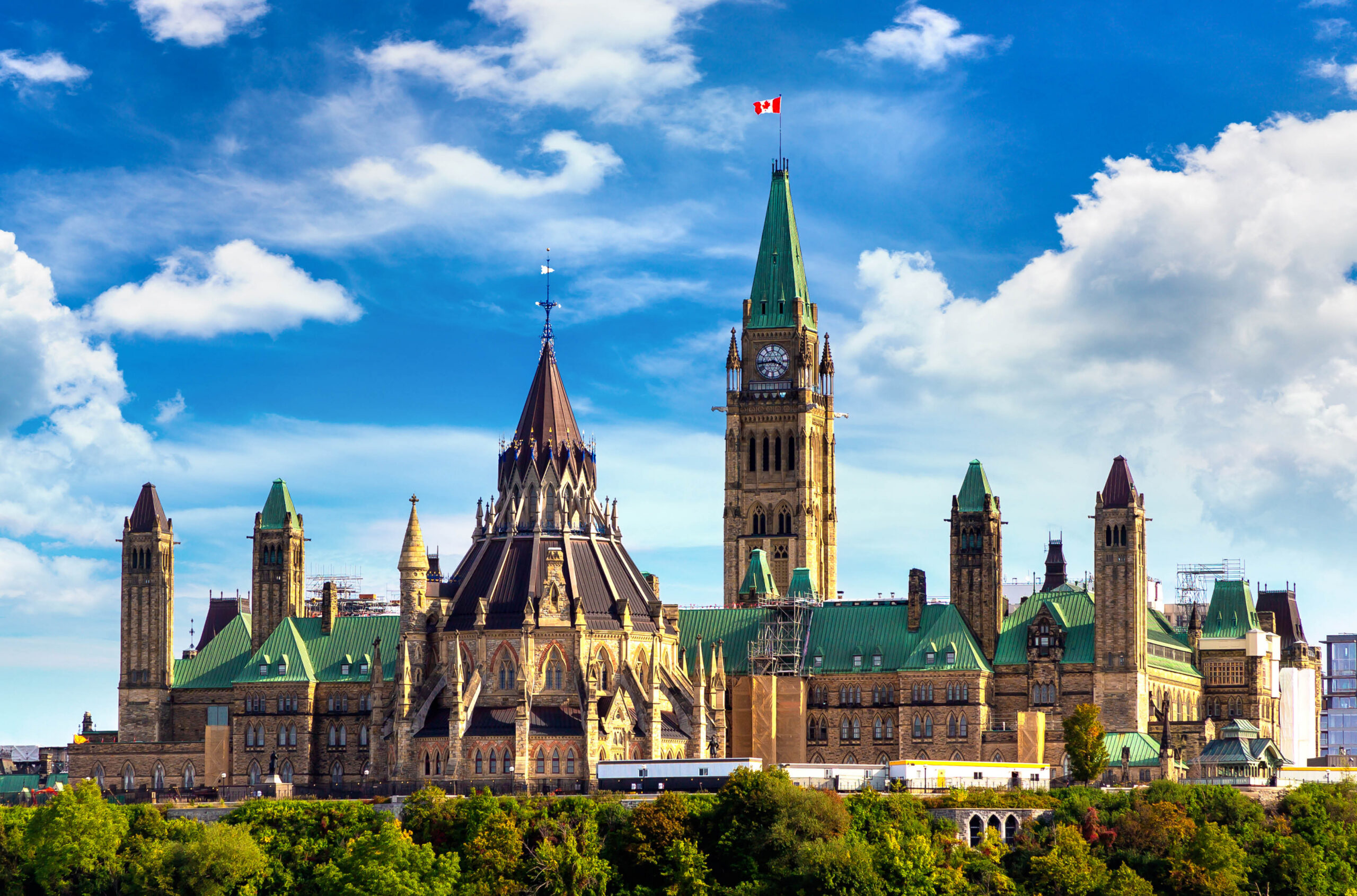
Ottawa won’t restrict student visas from countries with high asylum-claim rates
India will help Canada ‘crack down’ on student program abuses, high commissioner says.
-

Students and seniors under the same roof
Intergenerational living helps with loneliness and the high cost of rent.
-

U Sports alum lace up for PWHL season
Canadian grads eager to show their mettle on women’s pro hockey teams.
More from Policy
-

Quebec universities: 60 years of change
From the Quiet Revolution to the present day, universities have profoundly transformed Quebec society. As a provincial election rapidly approaches, we reflect on their changing mission over six decades of often tense history.
-

Universities participating in Canadian militarization: the case against
Henry A. Giroux argues that the militarization of Canadian universities threatens to transform institutions devoted to critical inquiry and democratic life into extensions of the warfare state.
-

Canadian universities and the new defence imperative: the case in favour
Martin Maltais argues that Canadian universities must play a greater role in strengthening the country’s defence capacity while preserving academic freedom and scientific independence.
-

Science must become a pillar of Canadian foreign policy
With technological developments reshaping global governance, science cannot remain isolated from international relations.
More from Articles
-

The hidden problem of student homelessness
As high rents push more students into precarious housing, it's time to stop romanticizing the 'poor scholar'.
-

Parliamentary committee urges stronger support for research in French
Granting agencies should consider funding targets specifically for French-language projects, the Standing Committee on Science and Research recommends.
-
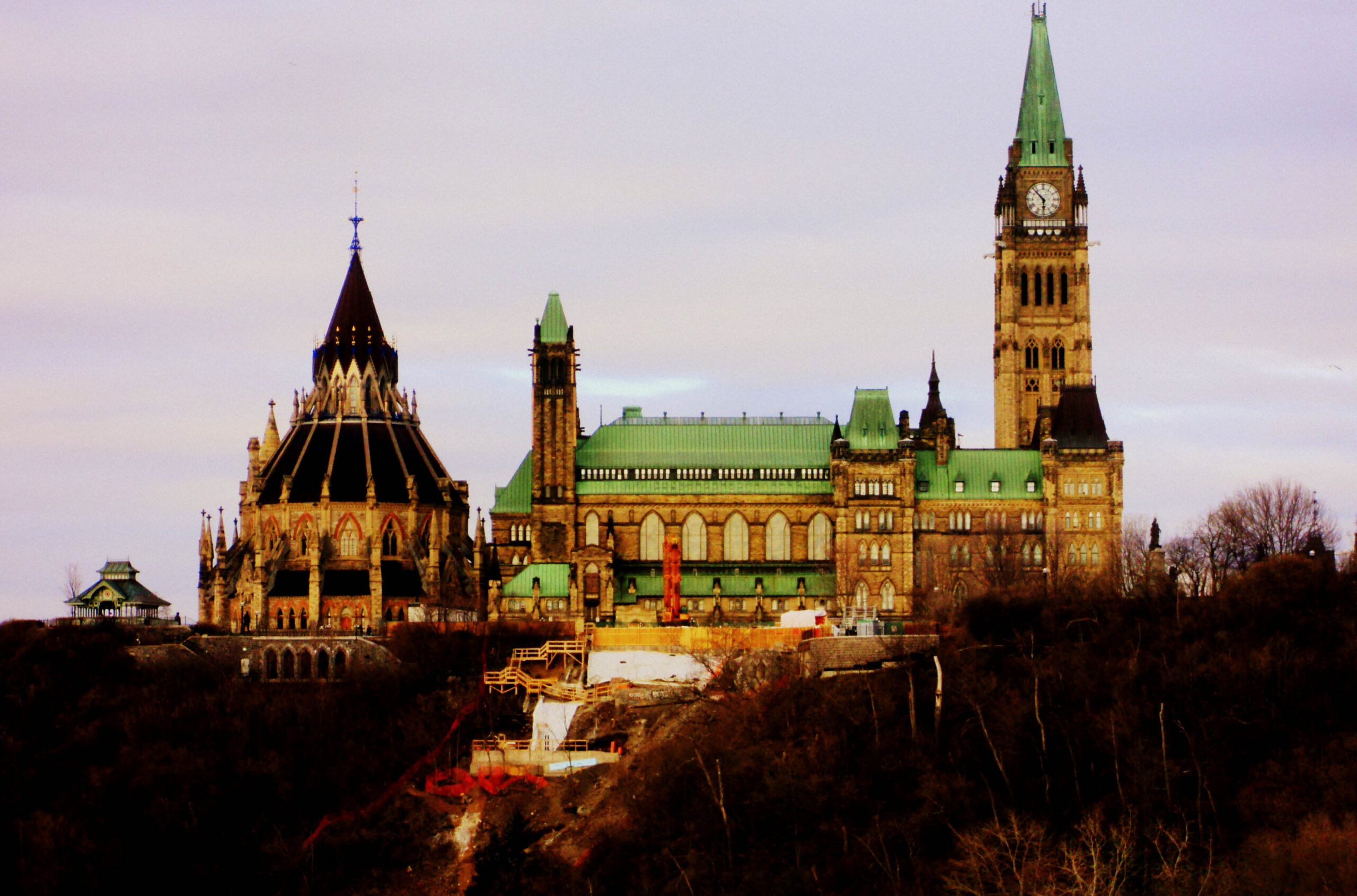
Remove EDI from research funding decisions, parliamentary committee says
The Standing Committee on Science and Research says ‘discriminatory’ EDI policies are ‘weakening the quality of Canadian research’.
-

Good medicine: new programs train country doctors
Université de Montreal follows Queen’s prescription to heal the shortage of family physicians in rural areas.

Post a comment
University Affairs moderates all comments according to the following guidelines. If approved, comments generally appear within one business day. We may republish particularly insightful remarks in our print edition or elsewhere.