Universities without borders: In Gaza, studying “means we’re still alive”
Canadian professors build a humanitarian corridor through Israeli army’s blockade.


In June 2024, Rola Koubeissy, an assistant professor in the Faculty of Education at Université de Montréal (UdeM), joined a team of 550 professors volunteering to teach courses for over 5,000 Gazan students. The volunteer professors work for the Technical Education Support for Higher Education Students Initiative (TESI), a partnership between An-Najah National University, located in Nablus in occupied West Bank, and the Mediterranean Universities Union (UNIMED), which represents 184 institutions.
An online university “in a tent with no tables or chairs”
In just a few short months, 90,000 Palestinian students lost their right to education due to Israeli attacks that, by May 2024, had destroyed all twelve universities in the Gaza Strip. Hoping to prevent the loss of knowledge itself, professors from across the globe joined forces.
Dr. Koubeissy, who is Canadian of Lebanese descent, and sympathetic to the Palestinian cause, was eager to participate in humanitarian relief efforts. She taught a six-week research seminar for a class of twelve through TESI, a unique experience that opened her eyes to the chaos and heartbreak of the war, increasingly characterized as a genocide by institutions including Amnesty International and a United Nations Independent International Commission of Inquiry. Israel rejects the charge of genocide.
“[These young students] aren’t in an office or facility, they’re mostly in a blisteringly hot tent with no table or chair,” Dr. Koubeissy notes sadly. Unstable connectivity made communication unreliable. Certain students had to pick their way through the ruins with their phones held aloft to capture the faint signal, Dr. Koubeissy says. Fixing the issue took “flexibility,” with courses redesigned as 20-minute videos that students could access through text-messaging platforms.
Despite everything, Dr. Koubeissy felt energized by her students’ determination. More than one told her studying gave them hope. “It means we’re still alive. That something good is happening, if the genocide ever ends.”
Their will never faltered, even in the face of destroyed computers, decimated families, homes under bombardment, and other daily horrors. While she recalls each incident, Dr. Koubeissy makes no compromise in her rigorous teaching methods, although she may grant the occasional extension.
She reports with pride that recently, “one of my students published a peer-reviewed paper.” But her gaze soon clouds over as she remembers a student who was lost — a mother killed along with her son by Israeli bombing. “Whenever I talk about Lamis,” she says, “it’s really tough.”
Welcome to Canada
After her experience with online teaching, Dr. Koubeissy was ready to do more. The war in Lebanon had left its mark on her, and she heard the call to solidarity as motivation to keep going. “To this day, when I hear fireworks, I freeze — it reminds me of the airstrikes,” she says.
She formed a committee, along with other volunteers, to welcome a cohort of eight Gazan students, ages 24 to 40, who obtained scholarships through Palestinian Students and Scholars at Risk (PSSAR), a non-profit that matched the students with academic faculties in Alberta, Ontario and Quebec.
Other students were less fortunate. Last December, Israeli airstrikes killed 26-year-old twin sisters Sally and Dahlia Ghazi Ibaid, who had been admitted to PhD programs at the University of Waterloo. A further 70 students have been waiting since January for the Canadian government to release their study permits. For those who do make it to Canada, Prof. Koubeissy and three UdeM social science professors have contributed to PSSAR’s mission by creating a sub-committee offering welcome and guidance.
“International students’ needs for psychosocial and wellness support cannot be ignored or denied. Period. That goes double when they come to us from a conflict zone, a genocide,” affirms sub-committee member Emmanuelle Khoury, a professor at UdeM’s School of Social Work.
“It’s hard to be okay while your friends and family go hungry”
To facilitate integration, the sub-committee wrote a twelve-page psychosocial support guide for the professors who interact each day with these war-refugee students. The document provides an overview of Palestinian history, from the 1948 Nakba (literally, “catastrophe,” referring to the mass displacement of Palestinians during the creation of the state of Israel in 1948) to the present, sensitizing faculty members to the survivors’ perspective. Prof. Khoury and her colleagues also take turns hosting regular gatherings with the scholarship students.
There’s a lot of small talk about everyday things, the beauty of the Canadian landscape, but more painful subjects come up too. “We hear a lot about grief and trauma. … It’s hard to be okay while your friends and family go hungry,” Dr. Khoury says.
The war was triggered on October 7, 2023, when Hamas conducted an attack on Israeli territory, killing more than 1200 people. In almost two years of war, the Israeli army has killed more than 63,000 Palestinians and injured more than 160,000, according to figures provided by the Gaza Health Ministry, which are judged reliable by the UN and international observers.
The toll weighs heavily on students after they arrive. As they go about looking for an apartment, making friends, and completing coursework, they say their hearts remain in Gaza, where they hope to return one day. They’re all committed to the same goal: to rebuild their education system and their community.
This article is part of the “Universities without borders” series, which highlights the work of Canadian professors teaching in war-torn and unstable countries.



Featured Jobs
- Vice President, Finance & AdministrationOCAD University
- Occupational Therapy - Assistant or Associate ProfessorDalhousie University
- Canada Impact+ Research ChairInstitut national de la recherche scientifique (INRS)
- Health Sciences - Assistant ProfessorSimon Fraser University
- Marketing - Faculty Position, Tenured or Tenure TrackUniversity of Alberta
More from News
-
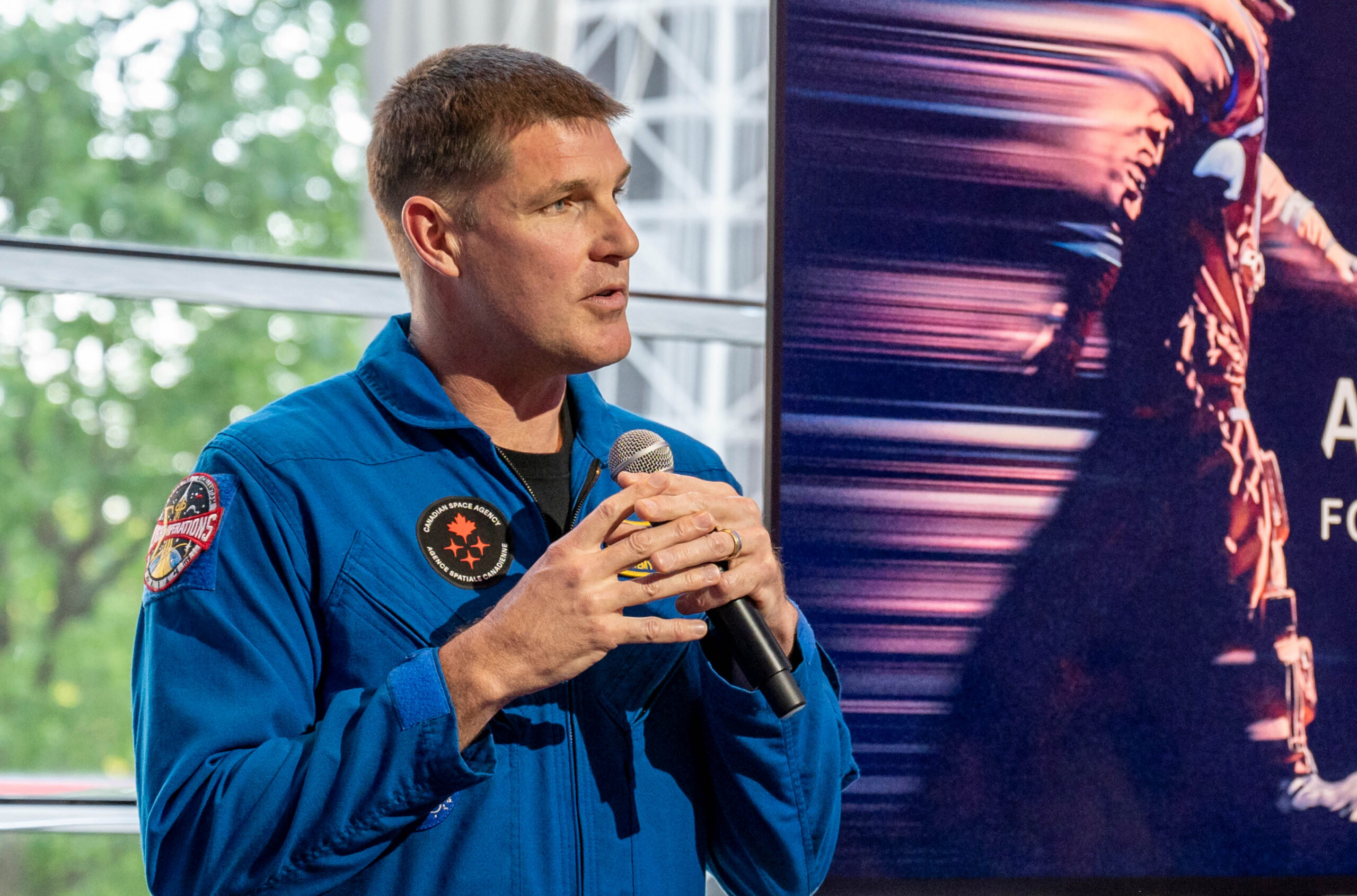
Jeremy Hansen: From physics to the moon
Behind the first Canadian to circle the moon lies a rigorous academic journey and close ties to university research.
-
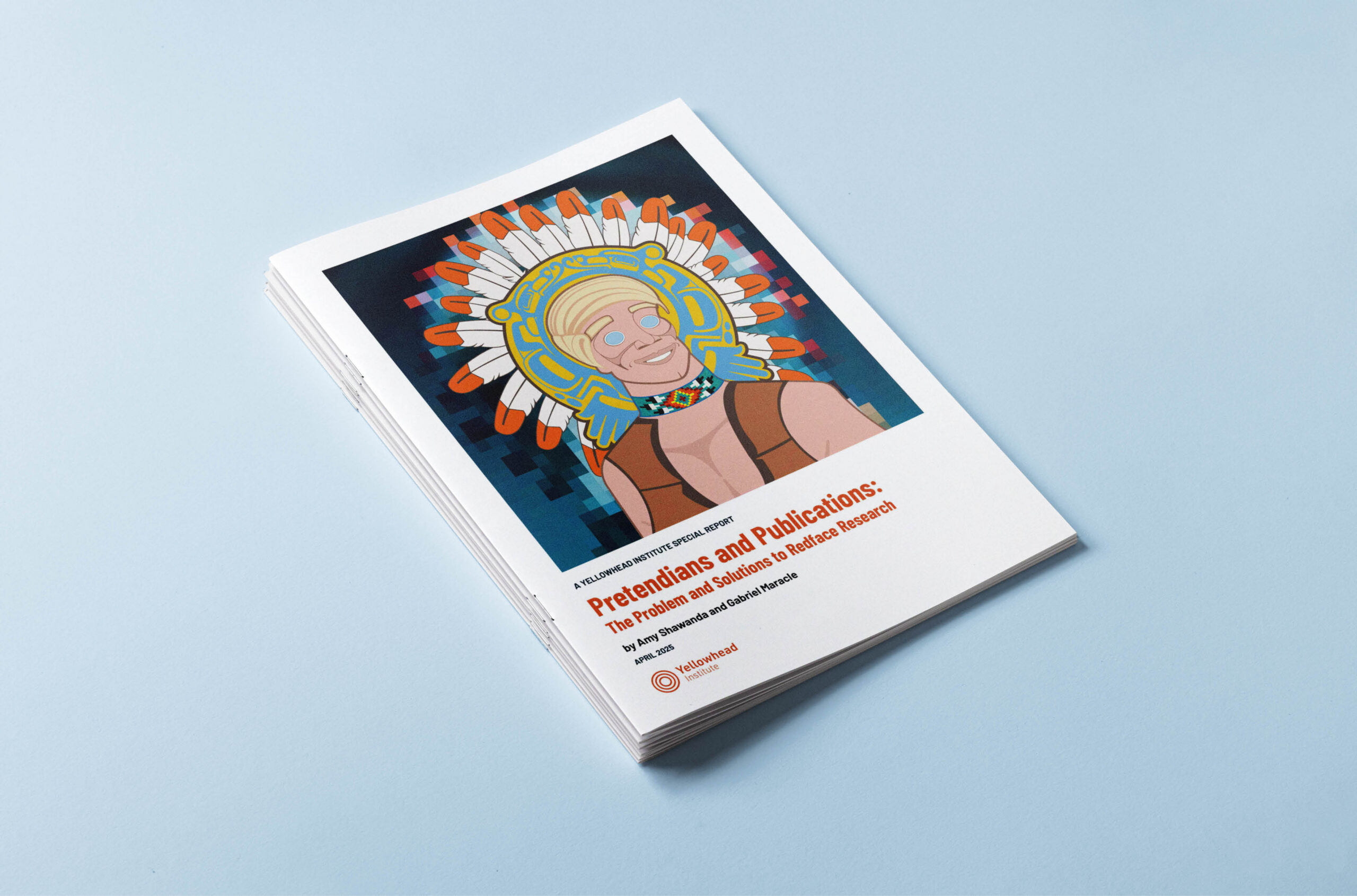
Addressing academia’s pretendian problem
Two Indigenous professors create a reference guide to stop scholars who falsely claim Indigenous heritage.
-
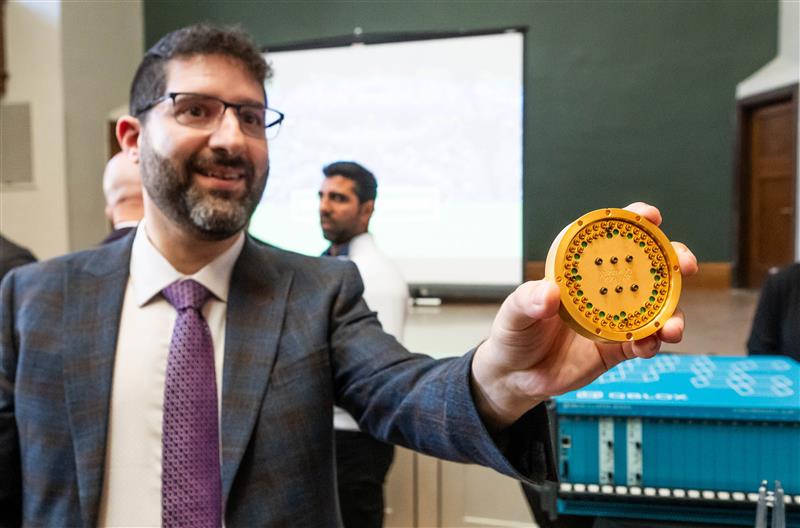
University of Saskatchewan acquires quantum computer to boost research capacity
Campus access to the technology will expand research possibilities.
-
McGill appoints French emissary, makes peace with province
After dropping its legal battle over out-of-province tuition hikes, the university increases its efforts to promote French language and culture.
More from Teaching
-

Reflection on five years of The Skills Agenda
Faculty innovation is key to advancing student career preparation in the years ahead.
-

Teaching physicians, med students battle Quebec’s Bill 2 with strikes and lawsuits
Students strive to make up for lost time after fall labour disruptions.
-
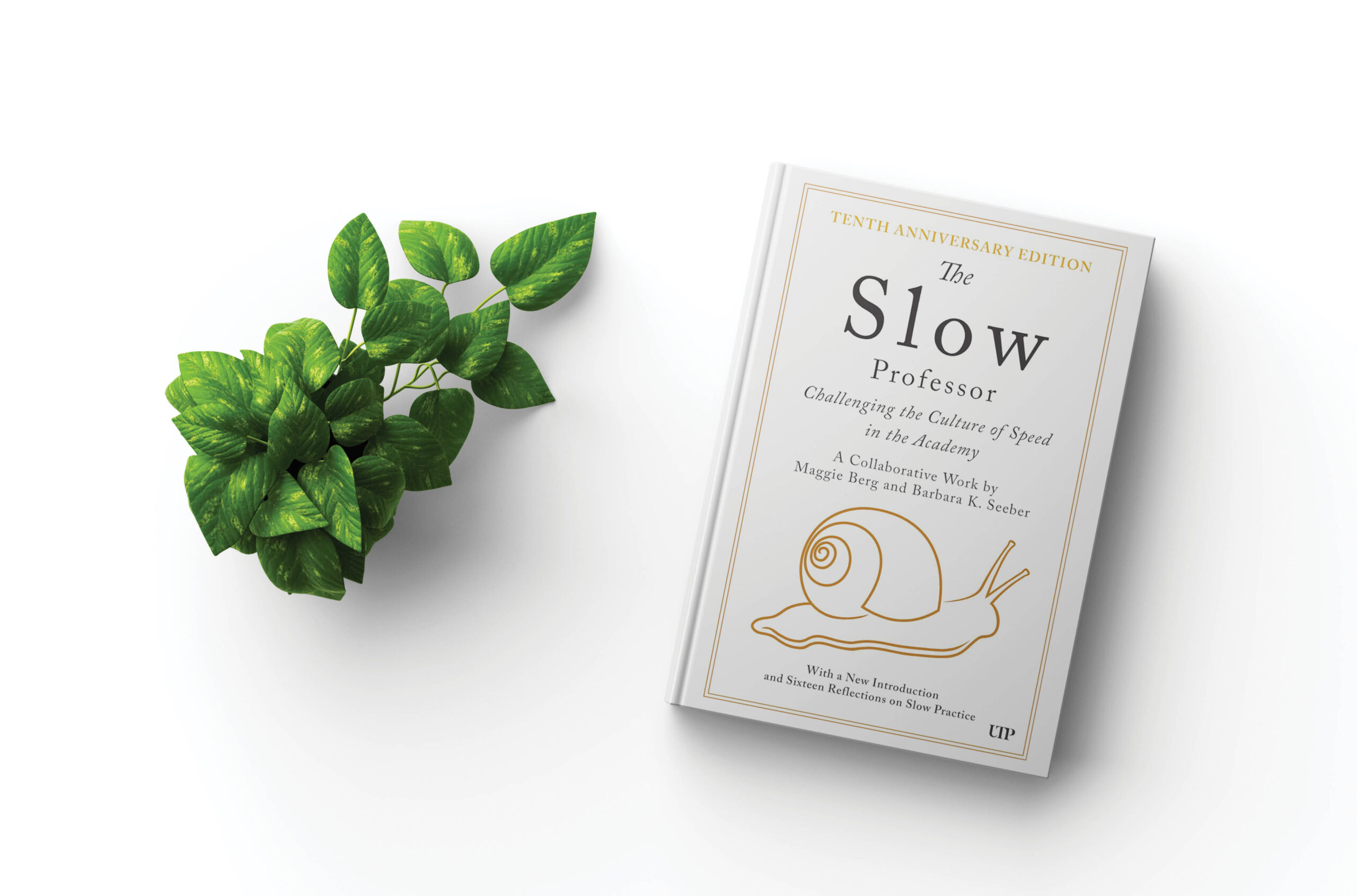
The Slow Professor ages well
The recently published 10th anniversary edition adds new material to this classic text.
-

Teaching experience in the academic job market
“Evidence of teaching effectiveness” adds to the ever-growing demands on graduate students.
More from Articles
-
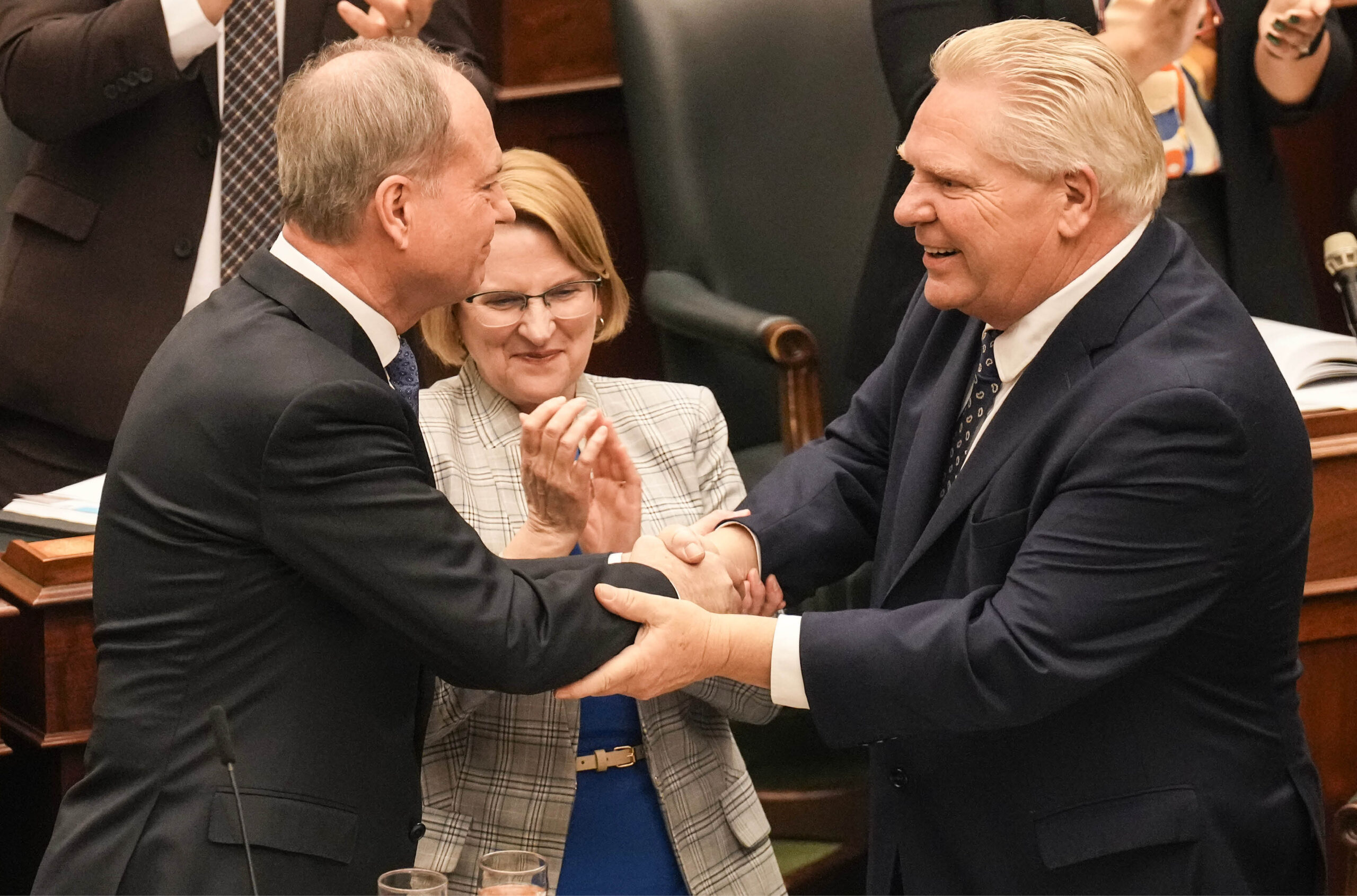
Ontario budget reaffirms $6.4 B post-secondary funding boost, adds money for infrastructure
Millions more allocated to research, clinical nursing training, and French-language education.
-

Manitoba increases investment in post-secondary education, announces new commission in 2026 budget
Post-secondary institutions will receive $882.6 million in operating funding.
-
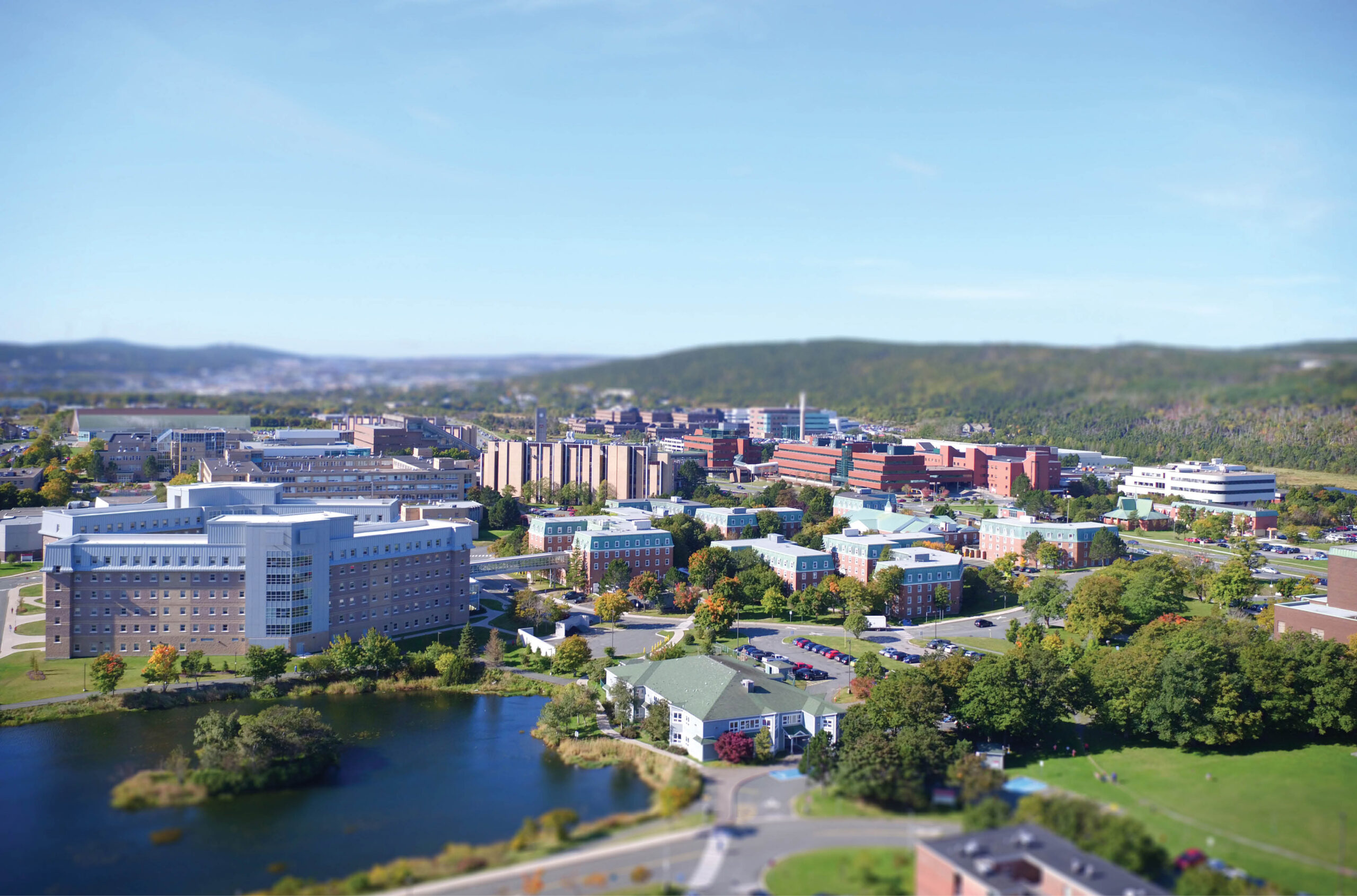
Program changes at Memorial raise concerns
Impact on faculty and students remains unclear amid decreased enrolment and financial challenges.
-
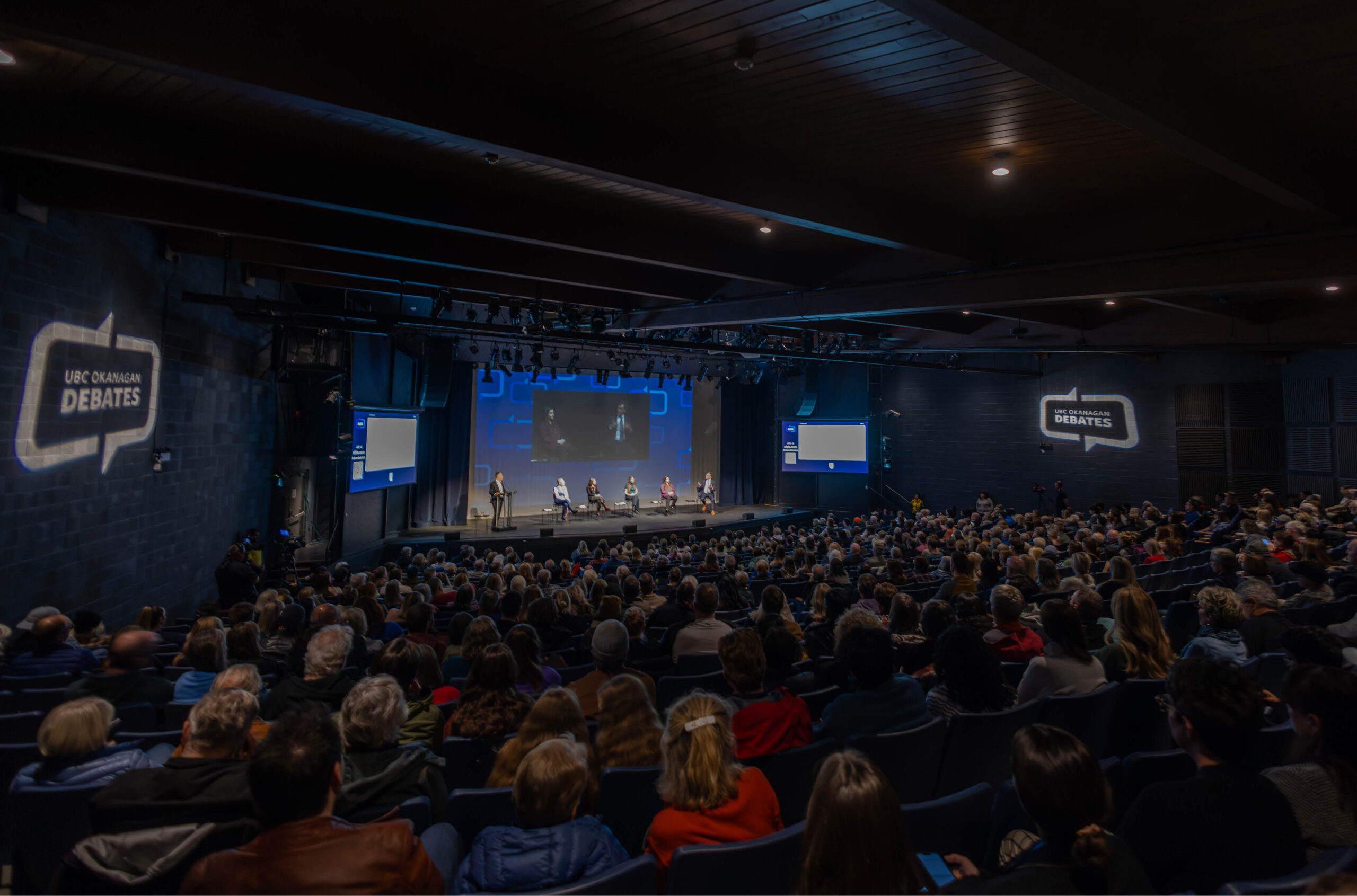
UBC leads the way on civil discourse
A successful debate series places universities at centre stage in ending polarization.


Post a comment
University Affairs moderates all comments according to the following guidelines. If approved, comments generally appear within one business day. We may republish particularly insightful remarks in our print edition or elsewhere.