-

Public engagement: duty or detriment?
Should speaking on topics of public concern be part and parcel of academic life?
-

What strong monographs get right
Four pre-writing steps to set you up for success.
-

Prof pas prof, j’y vais: conference anxiety
Shining a humorous light on some of the tasks that academics deal with on a regular basis.
-

Improving universities’ public standing
How universities can help make their case.
-

How to write the script for your job talk
You should carefully consider word choices and sentence structures when you’ve got a high-stakes presentation to give.
-

Sarah Ruediger joins the Black Hole team!
The neuroscientist is gearing up to cover topics from open, team-based science to putting EDI to work in the field.
-
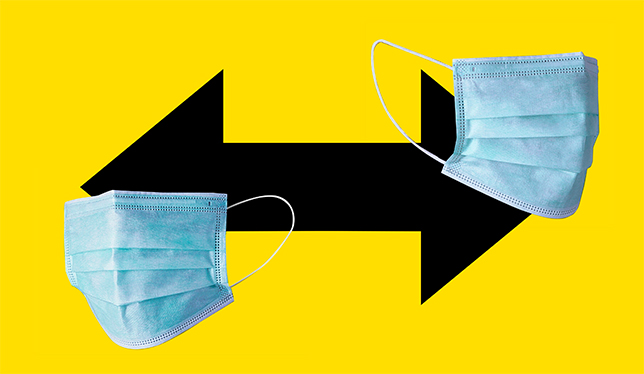
Researchers investigate the effectiveness of public health messaging during the pandemic
Public health communicators, they say, need to show humility, admit what they don’t know, and most importantly foster a two-way dialogue.
-
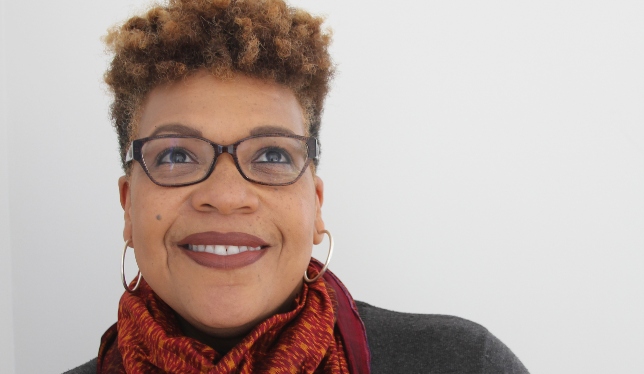
Why this professor launched an Instagram Live show about COVID-19 and vulnerable communities
A Q&A with Tanya Sharpe, founder of U of T’s Centre for Research and Innovation for Black Survivors of Homicide Victims, about her timely new discussion series 30@8:30.
-
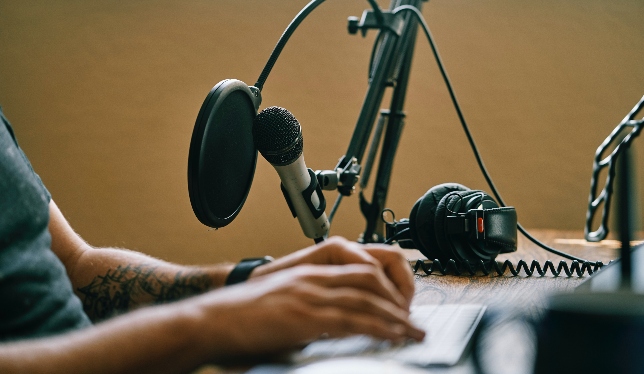
The podcaster is in: Laurier Brantford launches podcast residency and studio
The new podcast studio and inaugural podcaster-in-residence have garnered interest both on campus and further afield.
-

The sudden urgency of online academic conferences
Traditional in-person conferences have been criticized for a variety of reasons, but the current COVID-19 pandemic puts them in a whole new light.
-

Laurentian exhibition marries science and fine art
SciArt was conceived as a way to make STEM more accessible to the art crowd, but a partnership with Science North has broadened the show’s audience by thousands.
-
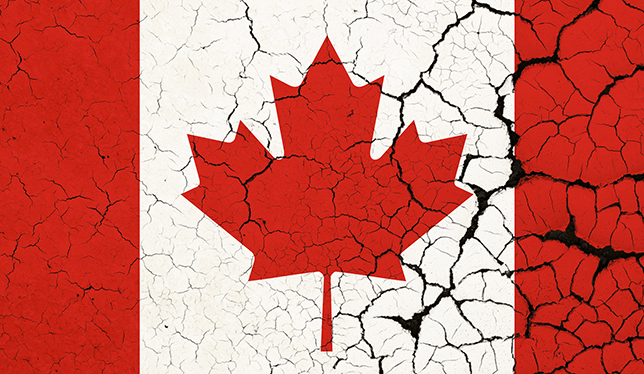
The fault lines of the politics of science policy are firmly in place
The Liberals claim that “science is at the centre of everything the government does” – yet all we have seen and heard are symbolic gestures and feel-good rhetoric.
-

Yes, it’s important you talk to the media
As long as you comment on areas that lie within your area of expertise, you provide a needed antidote to some of the foolishness out there.