Research VPs empower discovery
An impressive list of women are leading research at universities across the country.


International Women’s Day offers an occasion to celebrate women whose significant contributions are changing the world. It is equally important to note the women whose leadership empowers others to conduct groundbreaking work. The list of women who serve as vice-presidents research (VPR) in the universities and colleges across Canada is impressive — as are the results achieved under their leadership.
The role of VPR requires vision and the ability to articulate the importance of the work being done at a university in such a way that students will be attracted to study there, and companies and governments will see the benefits of investing in their research. The position requires not only expertise in one domain, but the ability to understand other fields and support colleagues across all disciplines. These positions have enormous responsibilities which are sometimes ignored or taken for granted.
For example, as vice rector, research and innovation at Université Laval, Eugénie Brouillet promotes, guides and supports research development, including the university’s work aboard the Canadian research icebreaker CCGS Amundsen. Hosted at Université Laval, this major national research infrastructure takes teams of students and researchers to the Arctic Ocean on voyages of discovery as they learn, for example, about environmental processes and rapid changes shaping the Arctic.
Lisa Kalynchuk, vice-president, research & innovation at the University of Victoria, sits on the board of directors of Ocean Networks Canada, a research and ocean observing facility that maintains a network of land and seafloor seismic sensors. Integrated with government organizations that issue public alerts in Canada and the United States, these sensors provide additional warning time for earthquake events —precious seconds that may save lives.
Speaking of saving lives, Nancy Ross is the vice-principal (research) at Queen’s University, which hosts two Major Science Initiatives: the Canadian Cancer Trials Group, which delivers lifesaving impact, and SNOLAB, the world’s premier underground science laboratory. Queen’s is seeking, with industry and university partners, to deliver Canada’s first global top-10 supercomputer through the Sovereign Compute Infrastructure Program.
At the University of Waterloo, VPRI Charmaine Dean oversees the work through the university related to research, innovation, commercialization and knowledge translation broadly. When I congratulated the University of British Columbia’s vice-president, research and innovation, Gail Murphy on the work of the medical research individuals and teams who played key roles in the development of vaccines during the pandemic, she reminded me to also remember the fine work of the geologists on her faculty.
Aminah Robinson Fayek, VPR at the University of Alberta, has done stellar work in promoting research related to energy and environment, artificial intelligence, and health and well-being in Alberta while collaborating with teams around the world.
One can only be struck with admiration when looking at the size and scope of the portfolio of Leah Cowan, vice-president, research and innovation, and strategic initiatives, at the University of Toronto. When I think of the fine work of Julie St-Pierre at the University of Ottawa, Dominique Bérubé at McGill University, and Lucie Ménard at Université du Québec à Montréal, I am reminded of the important partnerships and collaborations these VPRs have established among post-secondary institutions.
VPRs at smaller universities like Dena McMartin at the University of Lethbridge and Tana Allen at Trent University demonstrate leadership in research based on the resources and needs of their regions.
And these are only some of the three dozen women VPRs at universities across Canada, all doing equally important work. On this special day of recognition for women, it is certainly appropriate to applaud these fine women leaders who dedicate themselves to leading and supporting students and colleagues, enabling them to contribute solutions to problems in every field. We owe them our gratitude and applause.



Featured Jobs
- Director, Human Research Ethics & Strategic AdvisorUniversity of Manitoba
- Psychology - Assistant Professor (Clinical Psychology)Western University
- Theatre and Film - Assistant Professor Without Review (Performance Practice)The University of British Columbia
- Global Inequalities and Trade - Faculty PositionUniversité Laval
- International Studies - Faculty Position (Arctic Defence and Security)Université Laval
More from Opinion
-

Committee’s EDI recommendations are based on flawed logic
Excellence must be sufficiently rigorous and inclusive to identify talent wherever it exists.
-
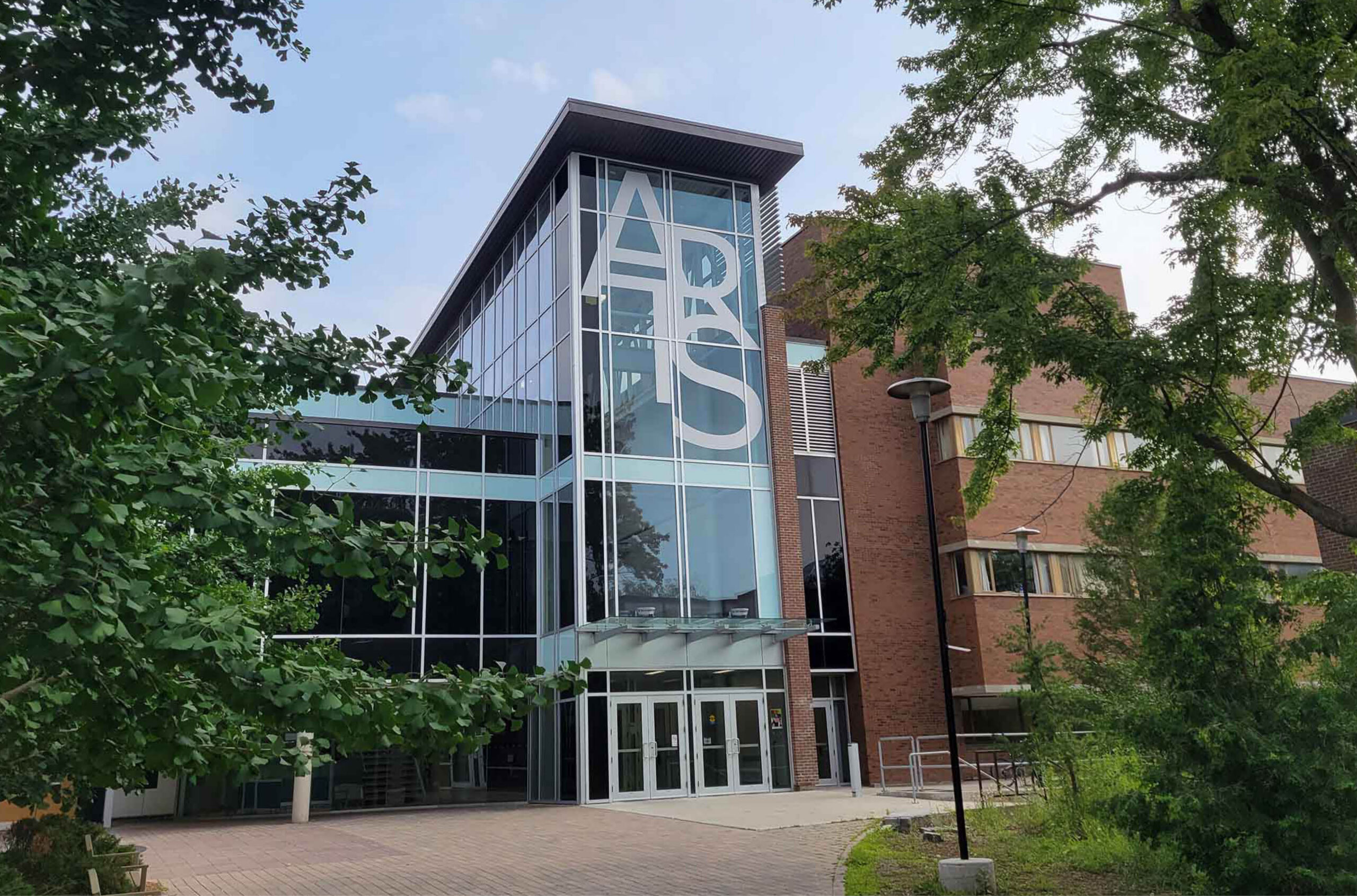
Building resilience in Arts through interdisciplinary collaborations
In a technology-enabled future, Arts faculties have an opportunity to demonstrate their relevance by making collaboration across disciplines easier and more visible.
-

Science in French? Bien sûr!
As English dominates the publication landscape, support for French-language research is a strategic investment in the quality, equity and the future of knowledge.
-

Why Canadian academics shouldn’t boycott U.S. conferences
Show up in person and do good trouble instead.
More from Research
-

From doctoral student to entrepreneur
Resources abound to help you turn your PhD research into a business startup.
-
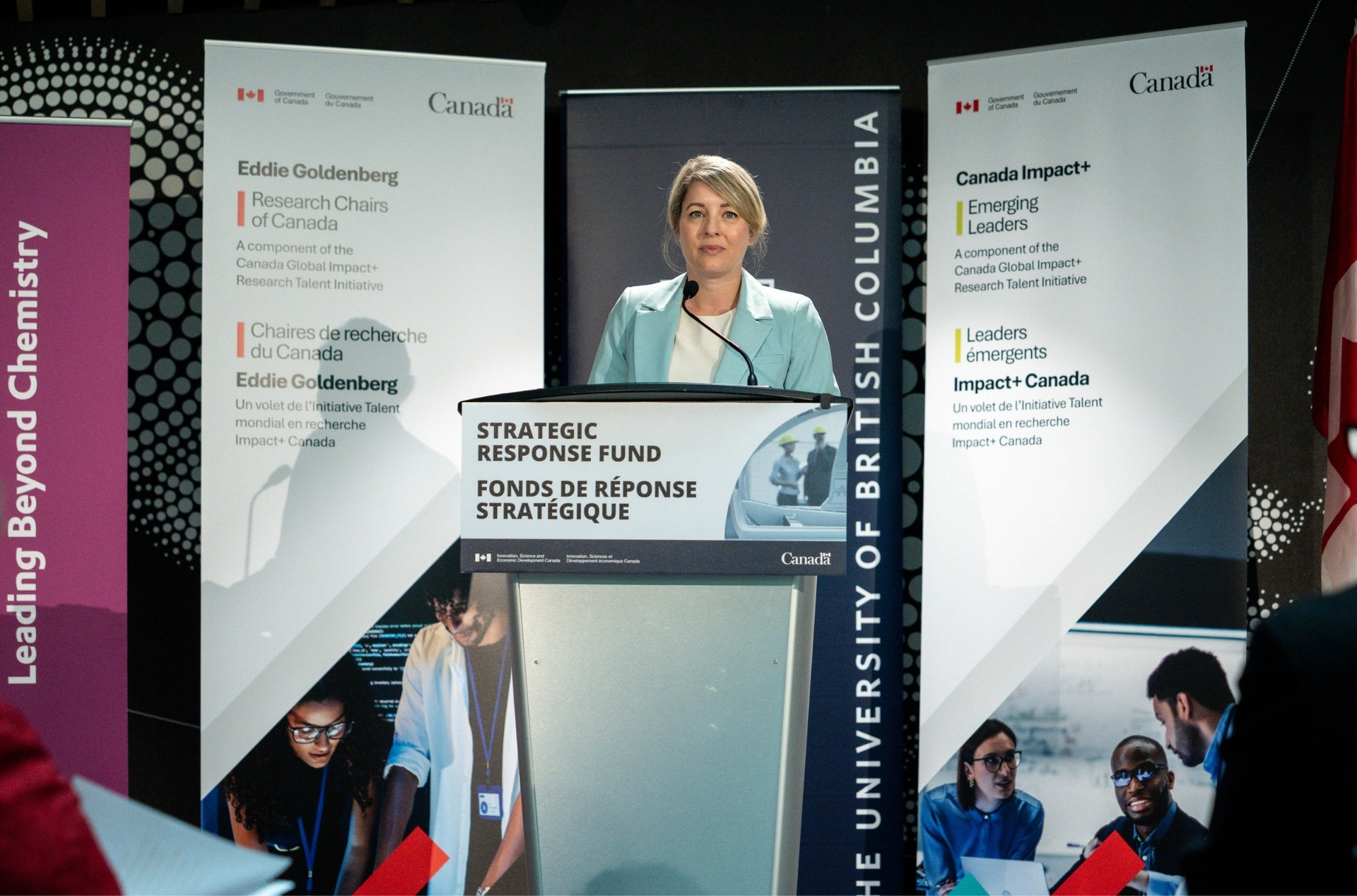
Ottawa announces 64 new research chairs in international talent attraction strategy
Top-tier researchers from 13 countries to join Canadian universities in first wave of appointments.
-
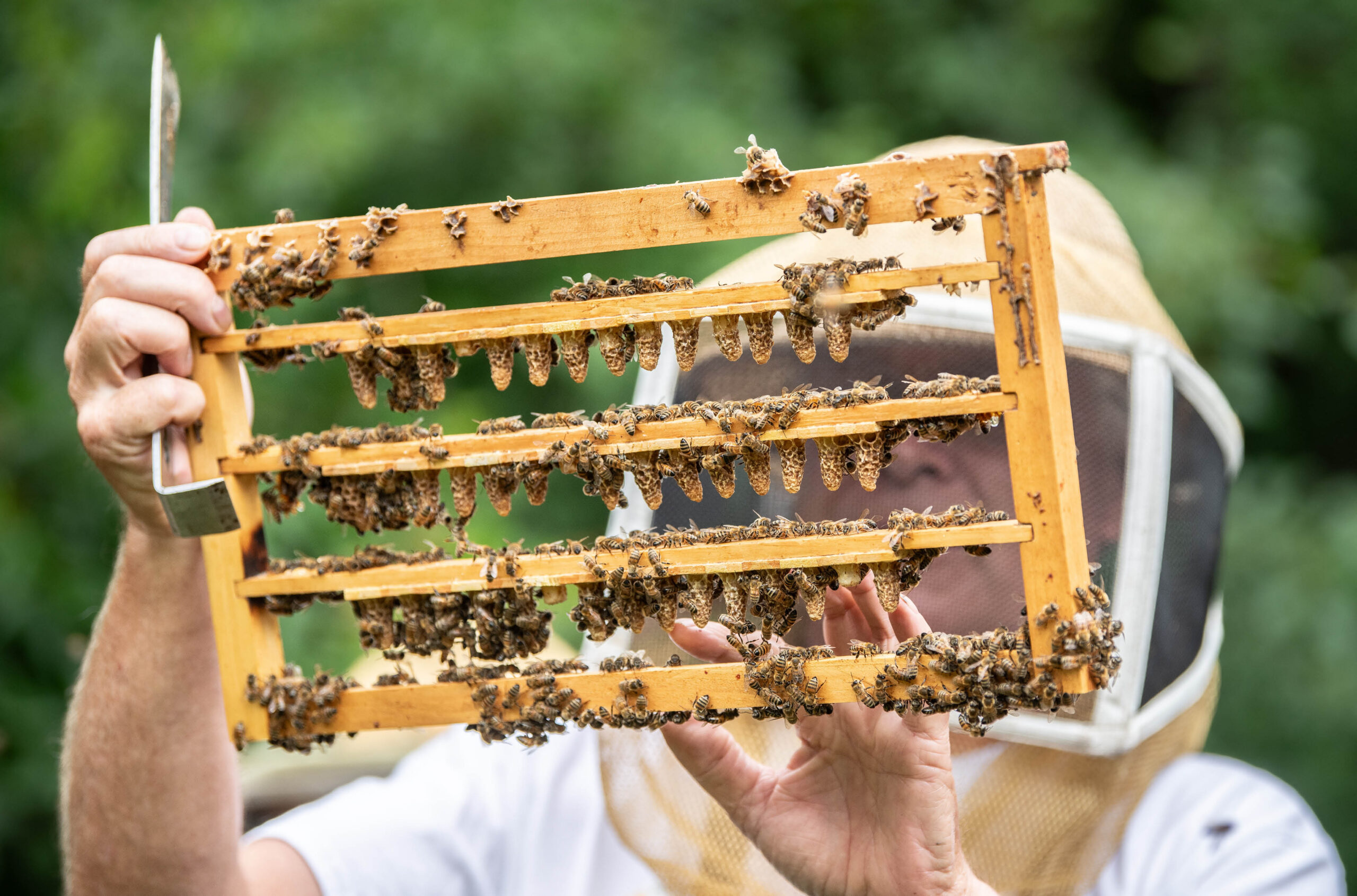
A look inside the hive: celebrating honey bee research at two Canadian universities
As MacEwan University marks 10 years of bees on campus, the University of Guelph kicked off the year by unveiling its newest centre for honey bee research.
-

Canada needs a national strategy to protect scholars at risk
Supporting displaced academics is a strategic investment in Canada's research and innovation ecosystem.
More from In My Opinion
-

Gen Z meets genAI
We are the first generation to learn alongside AI. What do we owe the next?
-

Canada’s sovereignty is being tested
As Canada faces mounting pressure from the United States, an Indigenous-led exhibition at the Gwangju Biennale offers a timely way to think about conflict, responsibility and the choices ahead.
-

It’s time to boycott U.S. conferences
As trade hostilities continue, we shouldn’t use taxpayers’ dollars to travel stateside.
-

Rebuilding Jewish students’ trust in universities
As students return to campus, discussions of the Middle East conflict deserve a scholarly, responsible and robust treatment that recognizes antisemitism in all its forms.


Post a comment
University Affairs moderates all comments according to the following guidelines. If approved, comments generally appear within one business day. We may republish particularly insightful remarks in our print edition or elsewhere.