The risks and rewards of overseas campuses
Universities wrestle with establishing satellites abroad.

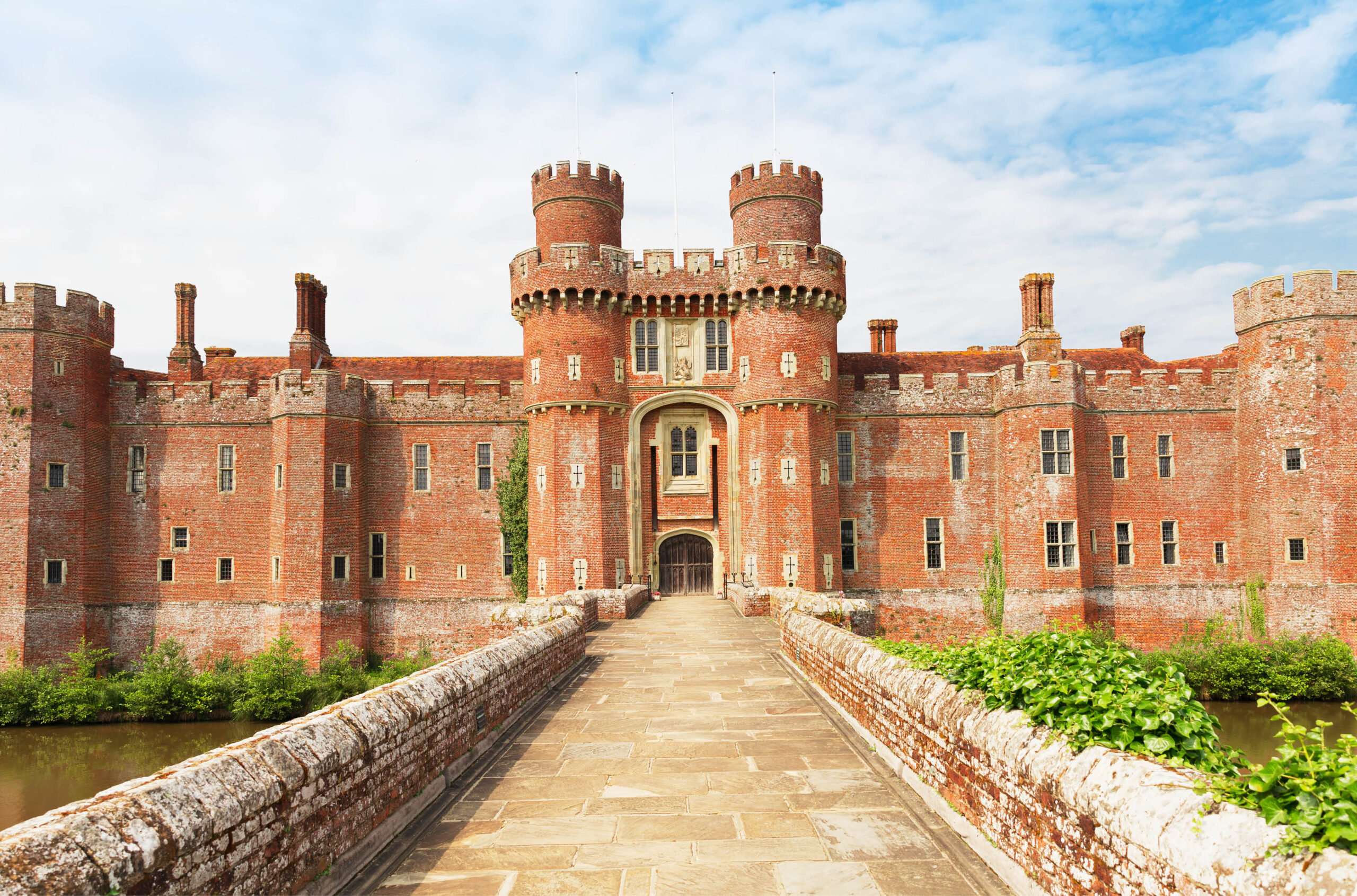
Memorial University of Newfoundland is struggling to reconcile its desire to offer students global learning experiences with the high cost of running its overseas campus in the quaint historic town of Harlow, England.
The small Harlow campus, whose buildings all date back to at least the 19th century, offers special academic programming and provides a base for faculty members and graduate students to conduct research in the U.K. But with an annual operating cost of $1 million, and an existing deferred maintenance expense of $2 million, Memorial is undergoing a period of soul-searching about the future of its overseas foothold.
And Memorial is not alone. For decades, Canadian universities have operated satellites in foreign countries. Sometimes there is a desire to increase revenue streams, especially in the face of static provincial funding. On other occasions, it’s a way to deliver education in regions like the Middle East, where geopolitical issues make it difficult or impossible for students to travel to Canada. And, once every blue moon, a benefactor will donate a facility, as when Canadian chemist, entrepreneur and Queen’s University alumnus Alfred Bader gave a 15th century English castle to his Kingston alma mater.
But most Canadian schools trying to establish foreign campuses face challenges: Recruiting and retaining faculty to teach; finding students who can afford to go overseas to study, even for one semester; and maintaining facilities in aging buildings.
Ultimately, the decision to establish an overseas campus is a gamble in which universities can either reap reputational, educational, and financial rewards — or find themselves saddled with a white elephant and a pile of debt.
“Opening branch campuses abroad is not without risk,” wrote international studies scholar Chun-Kai Wang in Policy Options in September. “Quality assurance, cultural adaptation and financial sustainability all require careful planning.”
Red tape and red ink
Memorial has recently completed consultations about its Harlow campus, although it has not made a decision about its future. Alumni, students, faculty and staff were invited to participate. “Attendees shared how global learning shaped their lives: broadening perspectives, deepening learning and creating meaningful connections,” President Janet Morrison said in a statement to the Memorial community.
While many students want to gain international experience at an overseas campus, the cost can be prohibitive. The Harlow campus has a capacity of 153 students per year but over the past decade far fewer have taken advantage of the opportunity. Dr. Morrison noted that in the last academic year, just 39 students attended. That makes it tough financially.
As well, overseas campuses need teachers. Sending Canadian professors out of the country can bring logistic and political challenges.
“New United Kingdom immigration rules prohibit Canadian faculty from working full semesters at Harlow, which has significantly impacted on-site teaching,” Dr. Morrison said. This forced Memorial to split semesters between Canada and the UK site, or offer blended learning of remote study and brief stints at the campus. “This has fundamentally changed the experience.”
Political pitfalls
In the Middle East, Canadian campuses have faced difficulties in bringing in Canadian professors for religious, cultural and political reasons.
“We have raised concerns for many years about Canadian universities setting up branch campuses, particularly in Gulf states governed by autocratic governments where academic freedom and human rights are not respected,” David Robinson, executive director of the Canadian Association of University Teachers, told University Affairs. “Many of these deals involved Canadian professors visiting these campuses, but there are legitimate concerns that women, LGBQT+ and Jewish faculty would be prevented from visiting or placed at risk if they did.”
Ottawa’s Algonquin College, which established a men-only college in Saudi Arabia in 2013 in the hopes of reaping a financial windfall, was forced to abandon the campus three years later amid tanking revenues and a public-relations disaster.
After providing training to learners in Qatar for many years, the University of Calgary closed its campus there in August. It provided no reason for the decision and did not respond to a request for more information.
Seeking fortune abroad
But some universities remain undeterred, even optimistic.
Queen’s University is hanging on to Herstmonceux Castle, located 100 kilometres south of London, England, which Dr. Bader donated in 1993. It was turned into an international study centre the following year.
With serious structural problems in the aging castle, Queen’s was forced to close the study centre in 2023. After spending $6 million on repairs, the university announced last month that the campus will be renamed Bader College and will reopen next year.
Meanwhile, McGill University announced this fall that it was considering opening additional campuses in foreign countries, in the wake of the Quebec government’s move to put roadblocks in front of the school’s efforts to bring in English-speaking students from other provinces and internationally.
The Montreal-based school currently has a research institute in Barbados, teaches management in Luxembourg and offers an MBA program in China. It is launching a new Master of Management in Finance in Luxembourg.
In speaking to the university Senate in September, President Deep Saini said: “Through McGill Global, we will establish satellite campuses in key locations. These campuses will expand opportunities for our students and faculty, grow our talent pool, and amplify our impact.”
A spokesperson for McGill declined to elaborate on where these campuses might be located, saying the initiative is in an “exploratory phase.”
Alex Usher, head of the consulting firm Higher Education Strategy Associates, believes that McGill, UBC and University of Toronto can leverage their reputations by expanding overseas.
“McGill’s one huge asset is that it is one of only three universities in the country with a genuinely global brand — it should take advantage of it. Go big McGill. Go global.”



Featured Jobs
- Sociology - Tenure-Track Position (Crime and Community)Brandon University
- Medicine - Associate or Full Professor Professor (Kidney Health)Université de Montréal
- Engineering - Assistant or Associate Professor (Robotics & AI)University of Alberta
- Architecture - Assistant Professor (environmental humanities and design)McGill University
- Finance - Faculty PositionUniversity of Alberta
More from News
-

Best reads: our favourite stories from 2025
We look forward to covering the issues that matter most to you in the year to come.
-
University professors urge Ottawa to end delay in issuing study permits to Palestinians
Accepted by Canadian universities, some 130 students remain stuck in Gaza and Egypt, awaiting government paperwork.
-
Feds launch $1.7 billion international talent attraction program
The program will provide funding to bring 100 top-tier international research chairs and their teams to Canada.
-

Teaching physicians, med students battle Quebec’s Bill 2 with strikes and lawsuits
Students strive to make up for lost time after fall labour disruptions.
More from Administration
-

Collegiality: the joys and pitfalls of a non-hierarchical workplace
Grounded in shared governance, collegiality is a demanding ideal that balances power, equity and collective learning.
-
Universities eligible for $51B infrastructure fund
The Build Communities Strong Fund, announced in this month’s budget, is the first long-term federal infrastructure program open to post-secondary institutions.
-
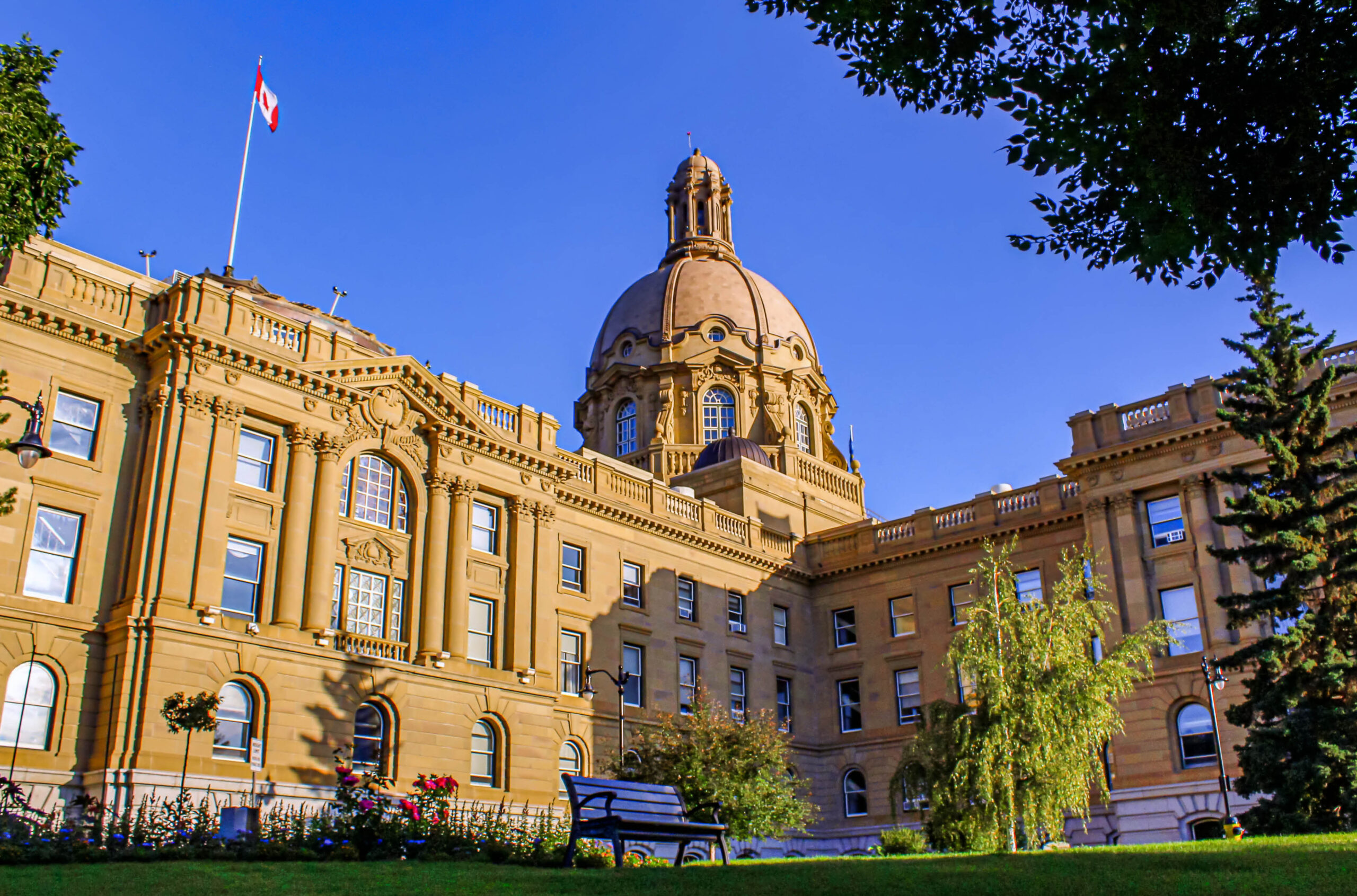
Alberta panel recommends new funding framework, dropping EDI
The much-anticipated Mintz report lays out 11 recommendations for transforming the province’s post-secondary sector.
-

The escalating challenges of university leadership
Why attracting talented and dedicated leaders is more important than ever.
More from Articles
-
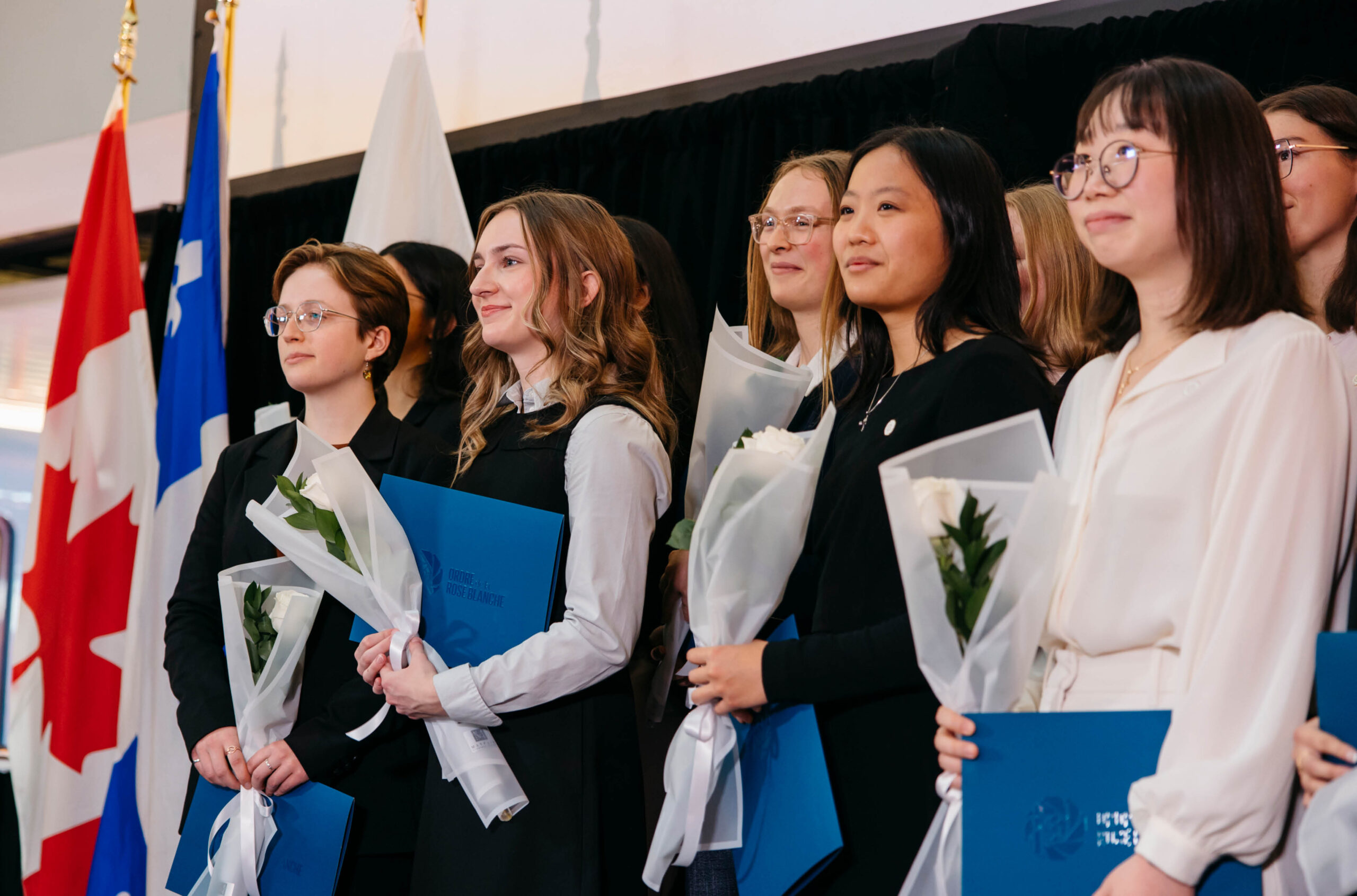
Fourteen women receive engineering scholarships in commemoration of 1989 Montreal massacre
Initiated by Polytechnique Montréal in 2014, the scholarship program has vastly expanded its support for female engineering students.
-
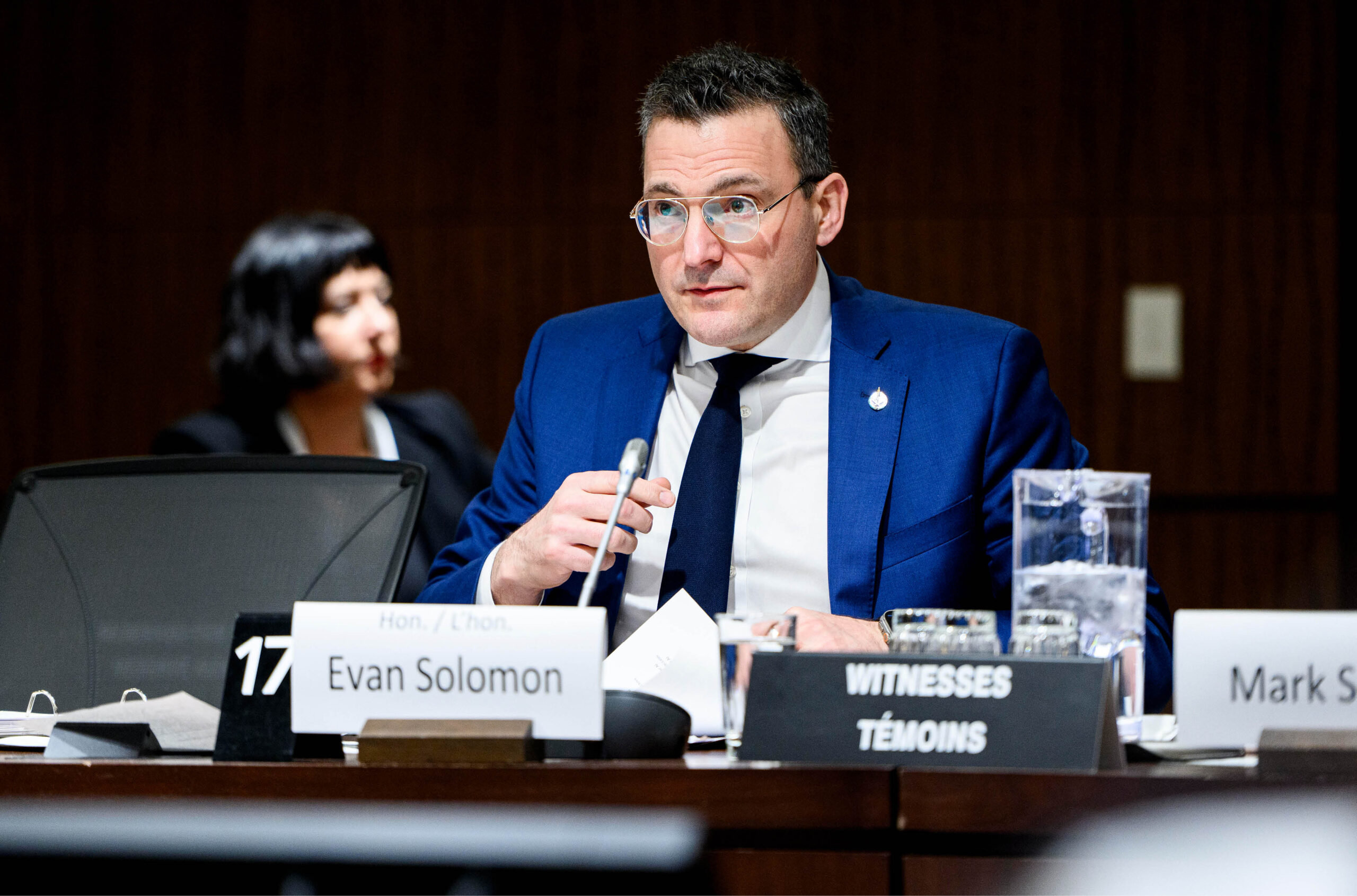
Opposition MPs grill Minister on federal AI strategy
Evan Solomon points to billions invested in research chairs and computing infrastructure at House of Commons committee appearance.
-
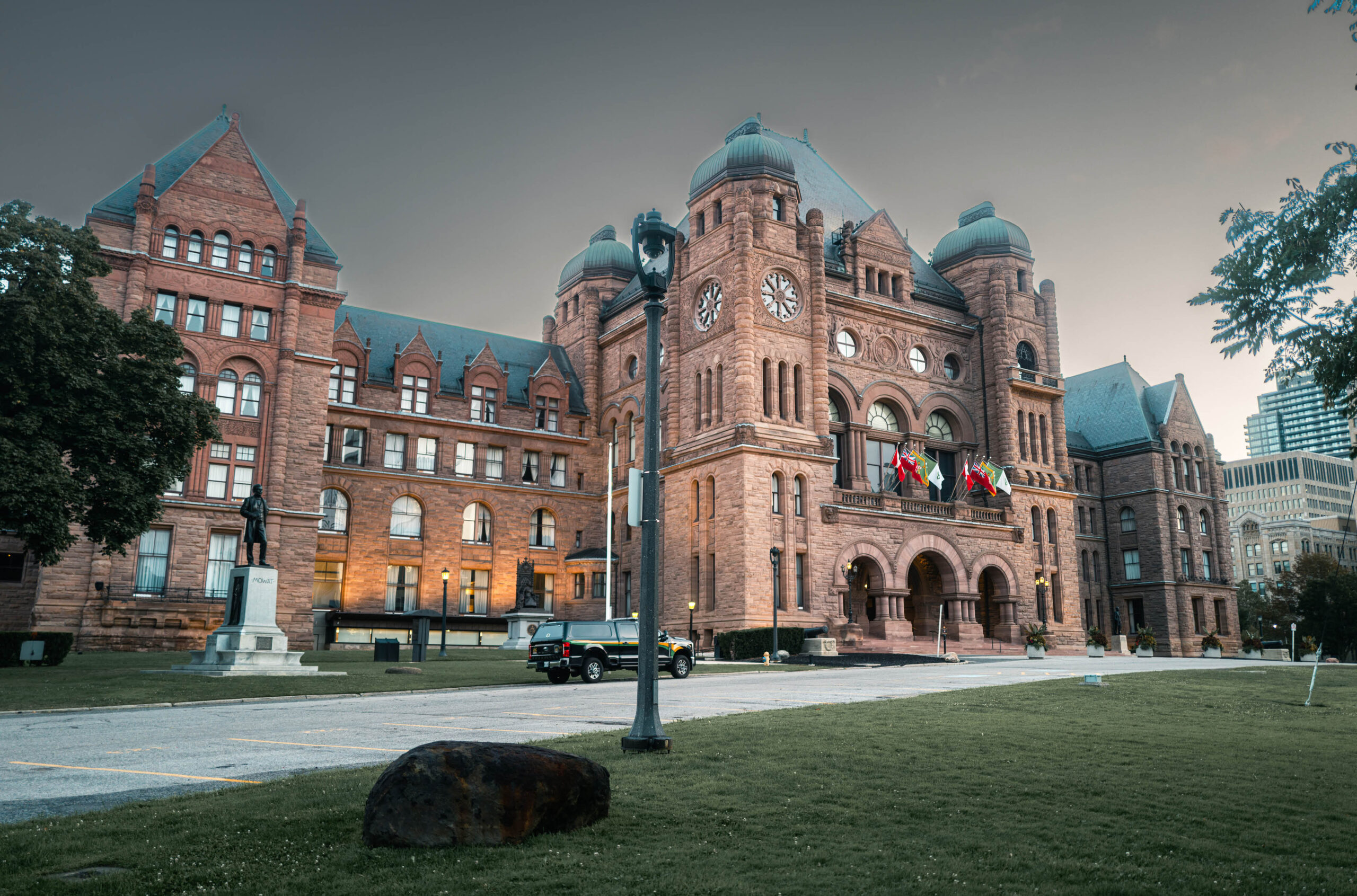
Critics mull challenge to Ontario’s Bill 33
Government regulation of student fees, admissions criteria, cause controversy around new provincial education law.
-

International student visa permits: What to know
IRCC announces 2026 international student targets.

Post a comment
University Affairs moderates all comments according to the following guidelines. If approved, comments generally appear within one business day. We may republish particularly insightful remarks in our print edition or elsewhere.