
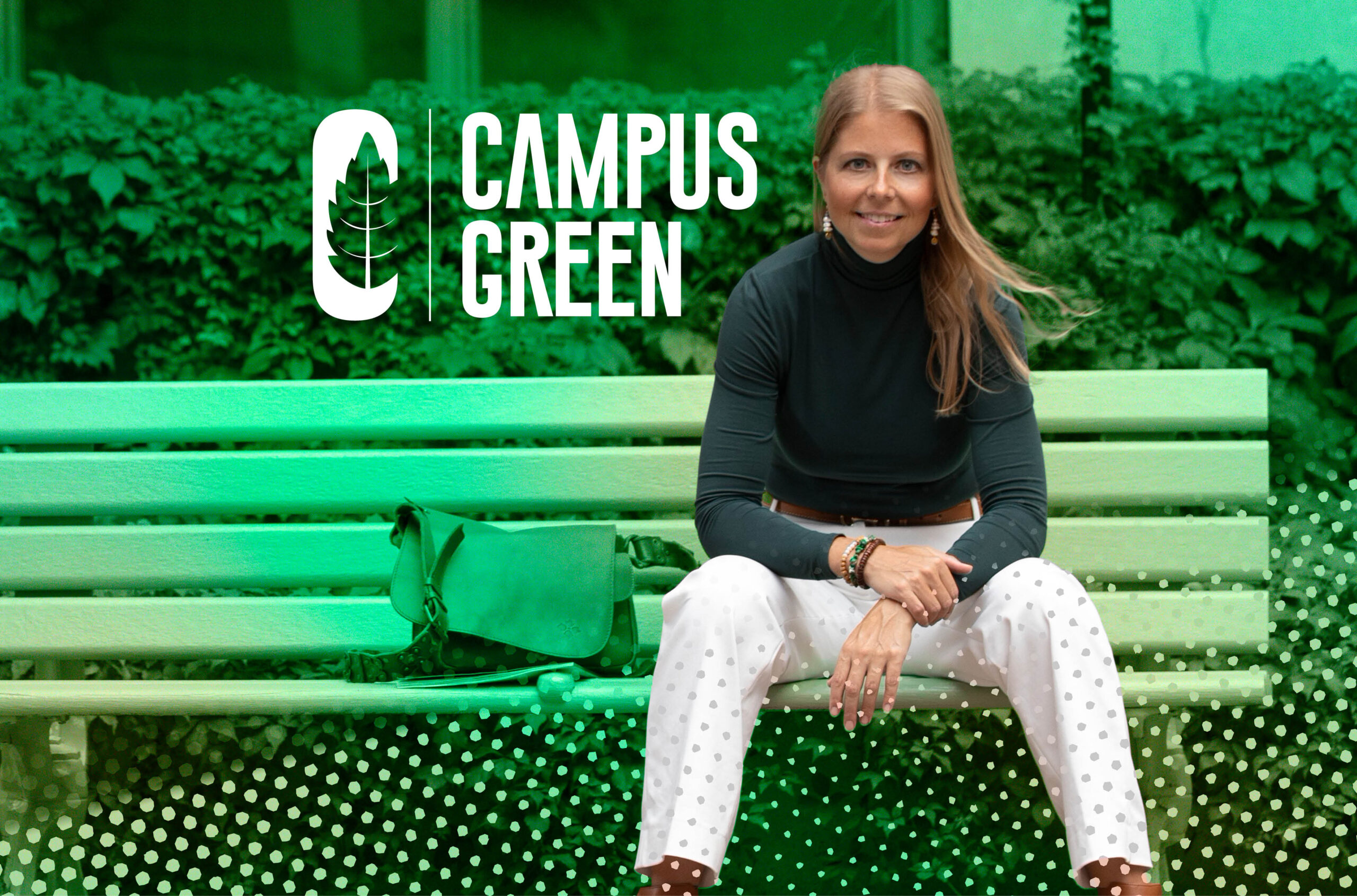
University Affairs is excited to introduce a new column, The Campus Green, launching this January and led by environmental strategist and writer Sonia Pacin. Featuring insightful and timely interviews with a diverse range of climate experts, the column will explore how Canadian academia can lead the way in addressing the world’s most pressing environmental challenges — through interdisciplinary thinking, youth empowermentand bold, systems-level change. We sat down with Ms. Pacin to learn more.
University Affairs: Why is University Affairs launching The Campus Green sustainability column?
Sonia Pacin: We are at a critical juncture. The urgency of the environmental and climate crisis has never been clearer — or more deeply felt across every sector of society — from climate change and biodiversity loss to plastic pollution and chemical contamination.
Universities, as hubs of creativity, research and innovation, are uniquely positioned to address those challenges and lead the transition toward a more sustainable and just future. They shape the next generation of leaders and possess the interdisciplinary expertise needed to drive transformative change. Launching this column now reflects a growing recognition that sustainability is no longer a side conversation — it’s central to how institutions must operate, educate and engage with the world. The Campus Green is designed to raise awareness of these urgent issues, unpack their root causes and spotlight how universities can lead the way in addressing them.
UA: Who is the intended audience?
Ms. Pacin: While the column focuses on academia, it’s meant for anyone passionate about sustainability — from researchers and industry experts to decision-makers in government. The goal is to share compelling stories and expert insights from around the world, helping everyone understand the environmental challenges we face and the critical role universities and young people play in shaping a sustainable future. I hope readers not only gain knowledge but also see their own experiences reflected in these narratives — and feel inspired to take meaningful action.
UA: What can we expect from The Campus Green each month?
Ms. Pacin: Each month, The Campus Green will dive into a different environmental issue — examining its impacts and exploring why it matters. We’ll bring in experts and diverse voices to share their insights, experiencesand ideas for solutions.
Expect conversations that go beyond the obvious. We’ll look at innovative and sometimes unconventional approaches that challenge current systems and spark new ways of thinking. The column will also highlight what universities are doing to address these challenges and what more they could do to lead the transition toward a regenerative and resilient future. Because universities aren’t just places of learning — they are incubators of innovation and leadership, uniquely positioned to drive the systemic change our planet urgently needs.
UA: Tell us a little about yourself and why sustainability interests you.
Ms. Pacin: My journey into sustainability began with a book I found on my older brother’s bookshelf when I was a child. It was called Entropy: Into the Greenhouse World by Jeremy Rifkin. I didn’t understand it at the time, but the cover — a vivid blue sky torn into a cracked, barren landscape — stuck with me. Years later, I rediscovered it and finally read and understood it. The book’s message about humanity’s unsustainable addiction to consumption and the accelerating disorder of our ecological systems resonated deeply with me.
Since then, my path has been deeply rooted in curiosity, connection and a sense of responsibility. I started out in pre-med, following a family tradition in healthcare, but quickly realized my passion lay in understanding and protecting the systems that sustain life — not just human health, but planetary health.
That realization led me to environmental science and eventually to climate policy, where I worked on Canada’s first emissions trading system and later helped assess the emissions and climate resilience of major infrastructure projects. I’ve also spent time in consulting, education and even launched a construction company focused on healthy building materials. Each experience taught me that sustainability isn’t just about science and measuring data — it’s about people, psychology and inter-connected systems.
UA: How will The Campus Green be different from other sustainability content out there?
Ms. Pacin: What sets The Campus Green apart is its academic lens and its commitment to interdisciplinary, youth-centered and globally connected perspectives. It’s not just about reporting on climate issues — it’sabout weaving together lived experiences, research and policy insights to spark meaningful change. We’ll feature voices from across the spectrum — from government officials to Maasai conservation officers to environmental lawyers — to explore how academia can be a catalyst for regeneration. And, not to forget, it might just include some innovative and bold conversations on systems-level change – we won’t be wasting time on just “changing out the light bulbs.”
UA: What do you hope readers will take away from The Campus Green?
Ms. Pacin: I hope the column challenges readers — to rethink how they live and explore what they can do differently, not only to protect the environment but to lead healthier, more fulfilling lives. I want them to realize that meaningful change is possible and that there are alternatives to the status quo – which does not mean going back to the “caveman” days.
Environmental issues are deeply interconnected and solving them requires interdisciplinary thinking. Through this column, I aim to empower readers to challenge conventional approaches, embrace bold ideas and connect with others who share a commitment to a sustainable and just future.
The first instalment of The Campus Green – an exclusive interview with Bob Rae on international climate action and the role of Canadian universities in shaping a more sustainable and resilient future – will be published on January 15, 2026.



Featured Jobs
- Medicine - Associate or Full Professor Professor (Kidney Health)Université de Montréal
- Chief Administrative OfficerUniversity of Toronto
- Engineering - Assistant or Associate Professor (Robotics & AI)University of Alberta
- Finance - Faculty PositionUniversity of Alberta
- Sociology - Tenure-Track Position (Crime and Community)Brandon University
More from News
-

NSERC moves to keep research IP in Canada
The granting agency is steering toward a new funding model to keep intellectual property rights, and the commercial technologies they spawn, in Canadian hands.
-

Best reads: our favourite stories from 2025
We look forward to covering the issues that matter most to you in the year to come.
-
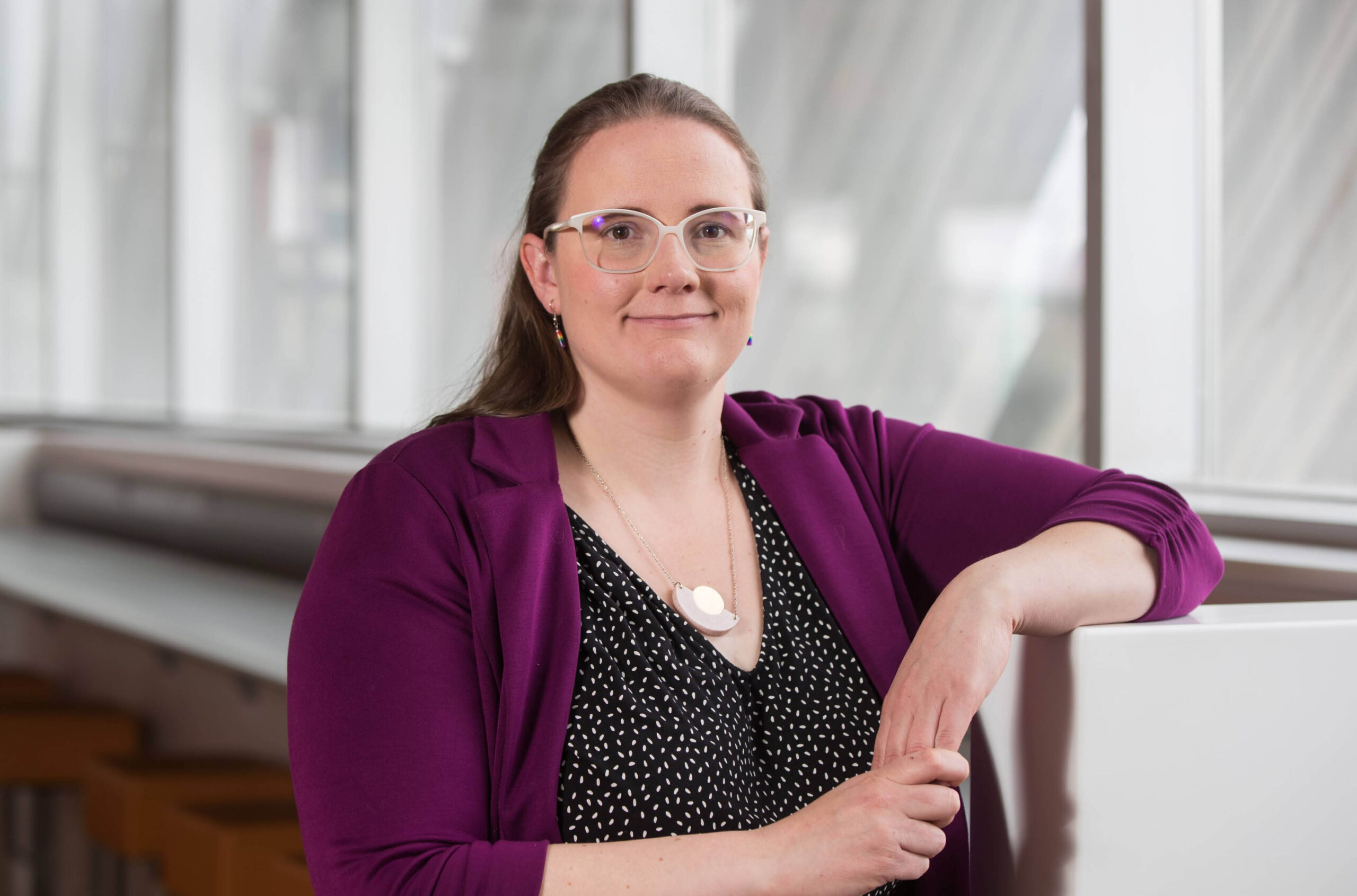
University professors urge Ottawa to end delay in issuing study permits to Palestinians
Accepted by Canadian universities, some 130 students remain stuck in Gaza and Egypt, awaiting government paperwork.
-

Feds launch $1.7 billion international talent attraction program
The program will provide funding to bring 100 top-tier international research chairs and their teams to Canada.
More from Climate Change
-

Fighting fire with science
Powerful analytical tools and a new generation of wildfire specialists take to the woods as Canadian forests burn.
-
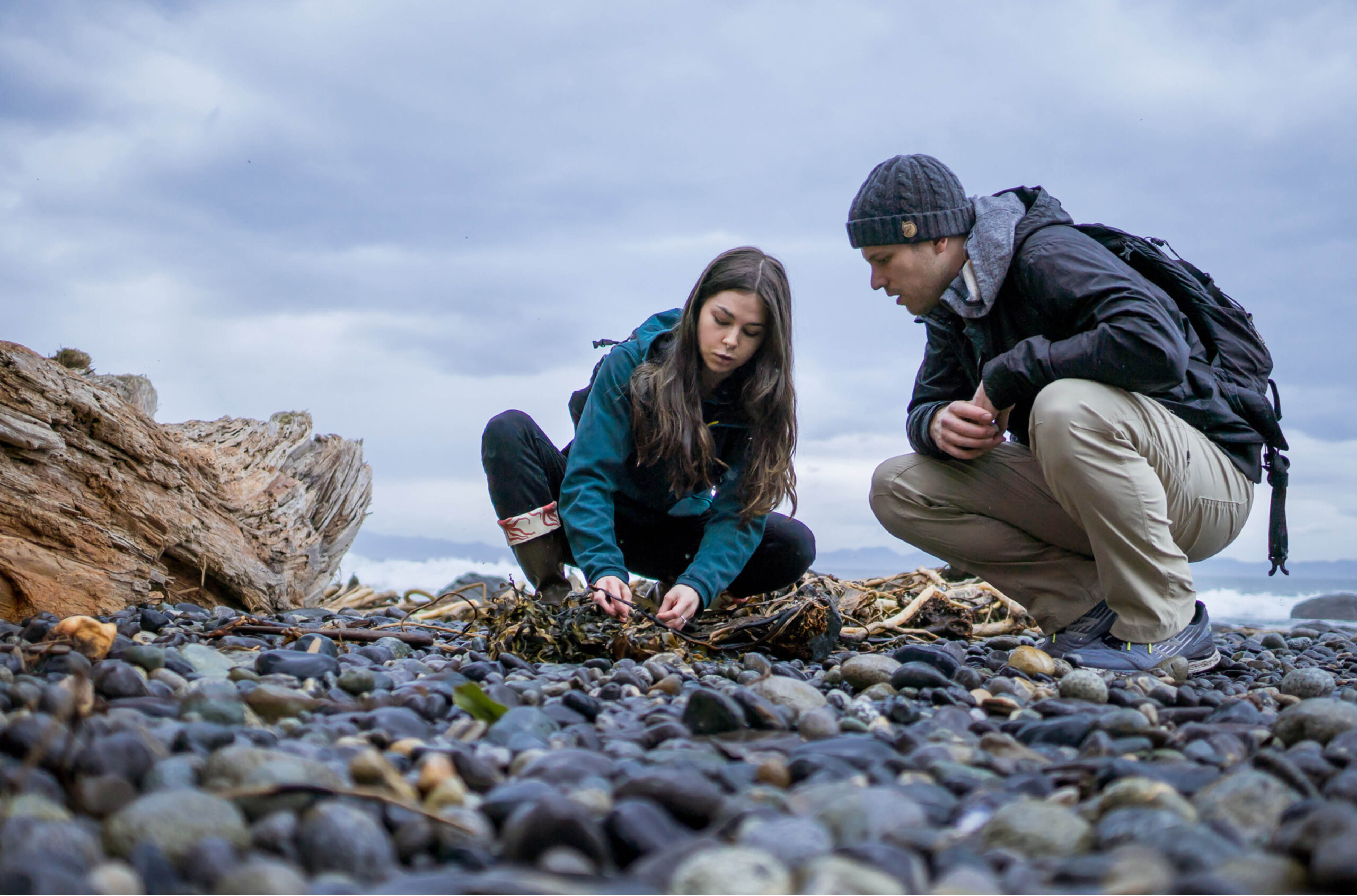
UVic prioritizing sustainability through a variety of initiatives
‘The climate crisis is here now. We have a responsibility to educate.’
-

How the climate crisis makes students feel
Three students talk ecological grief.
-

Reimagining mobility for a carbon-constrained world
Without community buy-in, universities will not be able to make any progress in lowering their carbon emissions.
More from Articles
-

The risks and rewards of overseas campuses
Universities wrestle with establishing satellites abroad.
-

Teaching physicians, med students battle Quebec’s Bill 2 with strikes and lawsuits
Students strive to make up for lost time after fall labour disruptions.
-
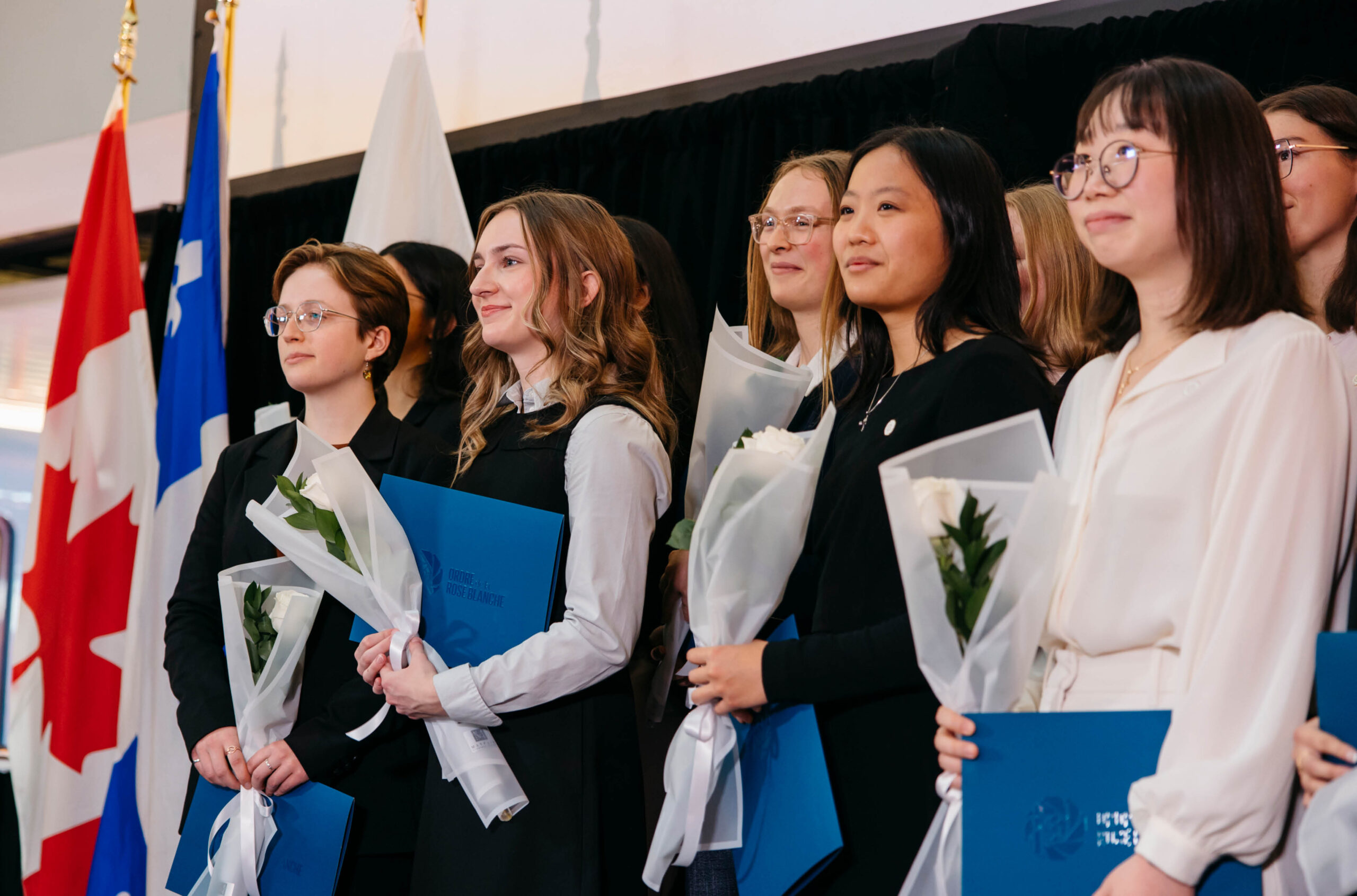
Fourteen women receive engineering scholarships in commemoration of 1989 Montreal massacre
Initiated by Polytechnique Montréal in 2014, the scholarship program has vastly expanded its support for female engineering students.
-
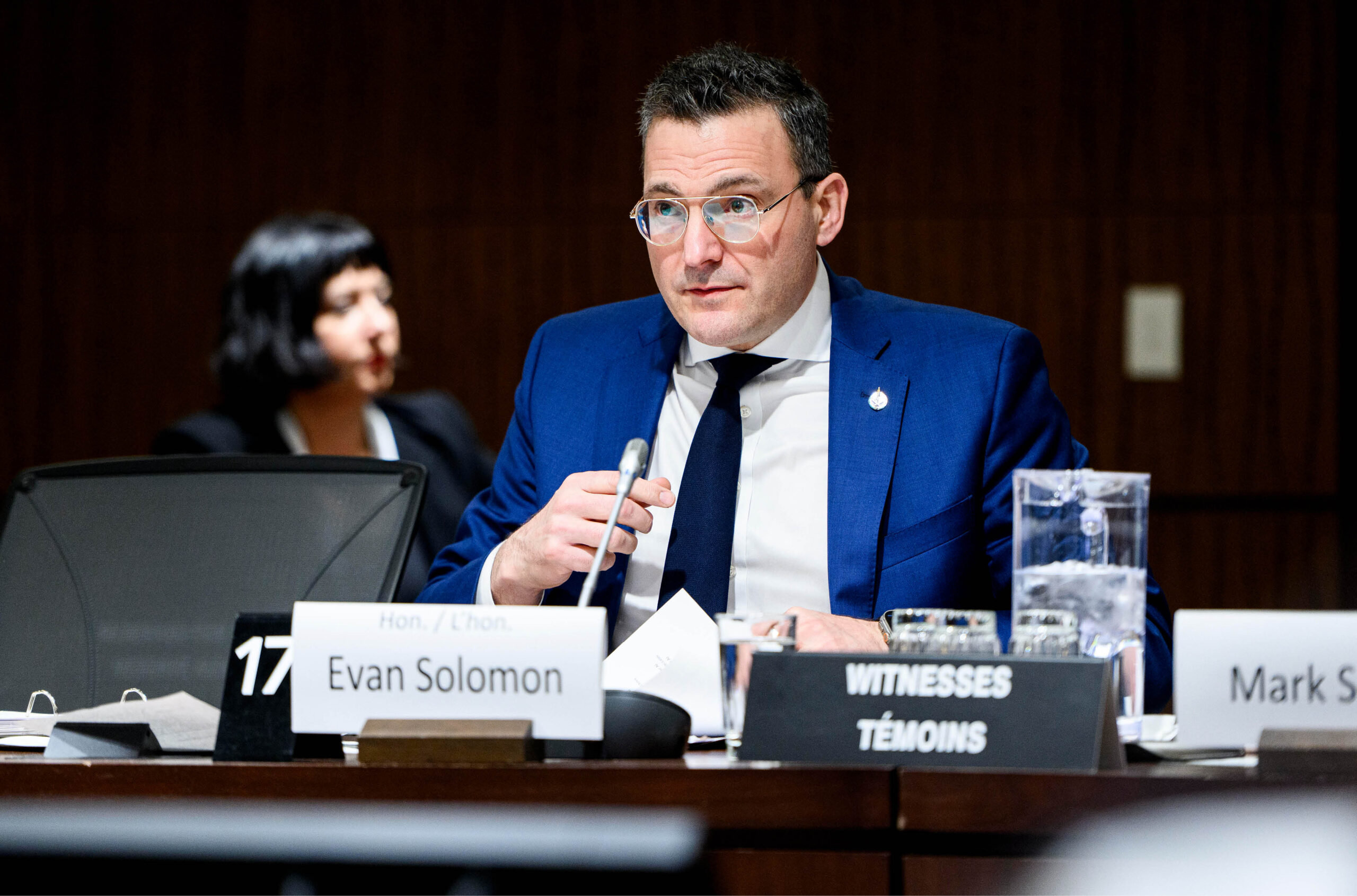
Opposition MPs grill Minister on federal AI strategy
Evan Solomon points to billions invested in research chairs and computing infrastructure at House of Commons committee appearance.


Post a comment
University Affairs moderates all comments according to the following guidelines. If approved, comments generally appear within one business day. We may republish particularly insightful remarks in our print edition or elsewhere.