Ukrainian scholars fight Russian disinformation
University of Manitoba joins global Ukrainian Studies coalition.
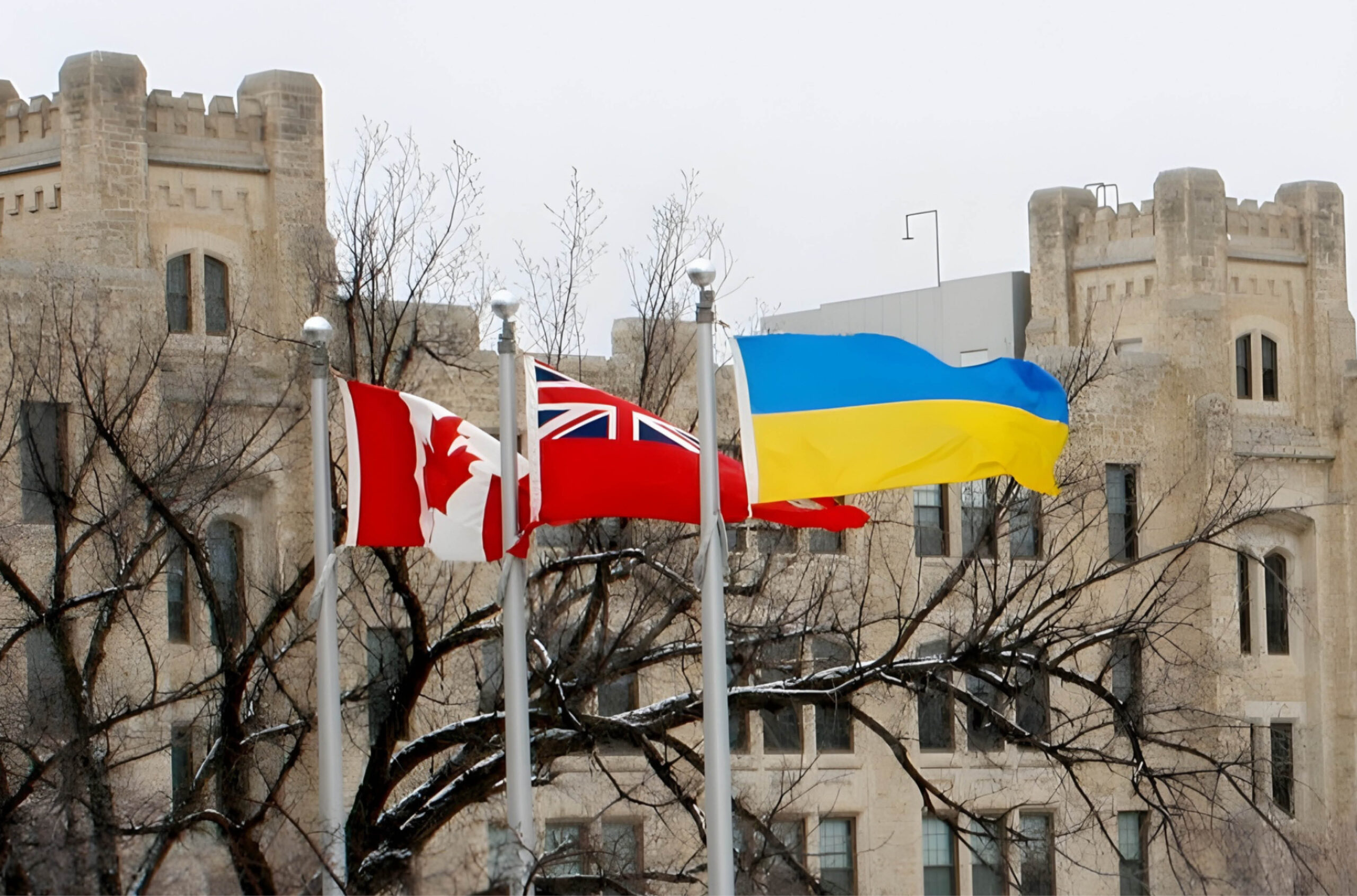
The University of Manitoba has joined a global coalition of universities and research institutions working to expand the reach of Ukrainian studies and counter Russian disinformation.
The Global Coalition of Ukrainian Studies (GCUS), launched in July 2024 at the initiative of Ukraine’s First Lady Olena Zelenska, brings together more than 100 post-secondary institutions across six continents. Its aim is to strengthen academic collaboration, support Ukrainian scholars and students, and promote accurate scholarship about Ukraine’s history, culture and contemporary reality.
“In the context of Russian aggression against Ukraine, the global academic community has an important role to play,” said Olha Oseredchuk, head of the coalition’s project office. “It is very important for academic society to speak the truth about Ukraine — our nation and our history.”
According to Dr. Oseredchuk, the coalition has received an overwhelmingly positive response from universities worldwide, including institutions with established Ukrainian studies programs as well as those seeking ways to support displaced Ukrainian scholars, students and universities affected by the war.
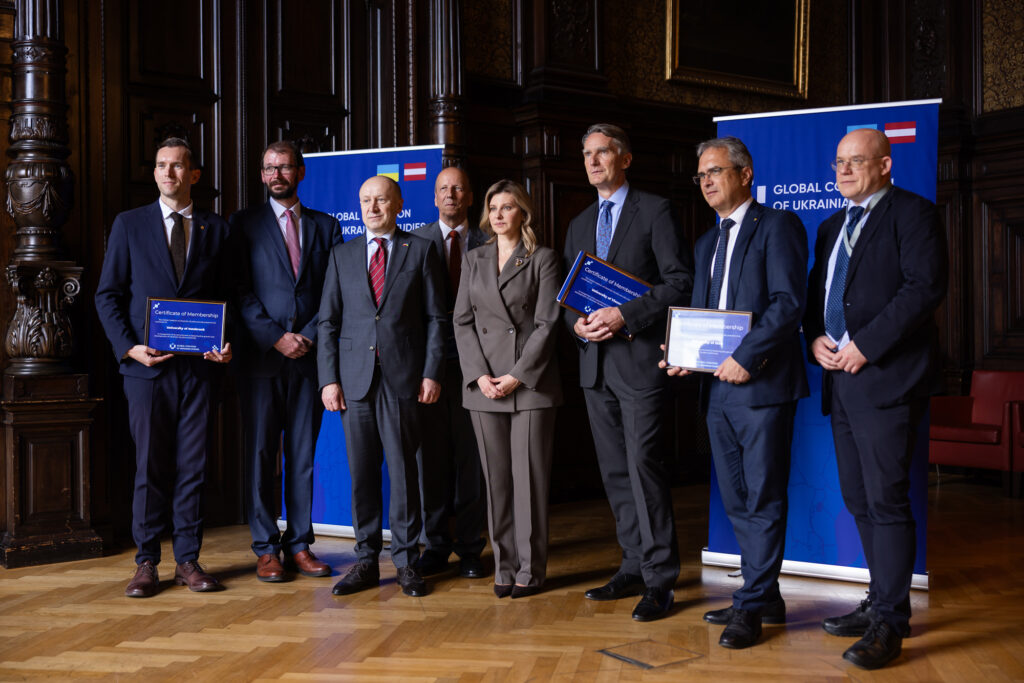
The University of Manitoba (UM) became the first North American postsecondary institution to join the coalition, signing a bilingual memorandum of understanding in July 2025.
“The onus is on academics to collaborate with fellow academics in universities affected by geopolitical conflicts,” said B. Mario Pinto, UM’s vice-president (research and international). He said the agreement provides a strong platform for co-ordinating new education and research initiatives related to Ukraine and Ukrainian Canadians.
Canada is home to the world’s second-largest Ukrainian diaspora, after Russia, with the province of Manitoba having the largest population of Ukrainian descent at approximately 165,000, or 12 per cent of the total population.
In a press release, Olha Budnyk, Advisor to the President of Ukraine on the Fund of the President of Ukraine for the Support of Education, Science, and Sports, described Canada as “one of the strongest centres of support for Ukraine globally.”
“Here, the Ukrainian diaspora preserved our culture, language and memory during the darkest times for our country, when these were banned at home,” Ms. Budnyk said. “This cooperation will enable us to study Ukraine together — objectively, systematically and with a modern perspective. It is important that Canadian youth know what our country is today, not only its past.”
GCUS offers networking opportunities with Ukrainian higher education institutions, access to curated academic resources, and connections with Ukrainian state institutions. It is also developing pathways for research partnerships and student placements.
A sanctuary for Ukrainian scholars and scholarship
Since Russia’s full-scale invasion in 2022, nearly 30,000 Ukrainians have arrived in Manitoba, including scholars and students who have continued their work at UM. That same year, the university launched its Scholars at Risk program, providing funding for 20 scholars, waiving application fees and offering additional support to students who are Ukrainian citizens.
UM is also home to the Centre for Ukrainian Canadian Studies (CUCS), which has played a key role in the university’s engagement with the coalition.
“Our goal was to enable academic exchanges and pay more attention to Ukrainian studies around the world,” said Orest Cap, acting coordinator of the centre. “That means interacting through networks, examining programs at other institutions, and identifying resources we can share or exchange.”
Dr. Cap said the field of Ukrainian Studies has gained renewed international attention since the invasion, following decades in which scholarship often centred on Russia, particularly prior to the collapse of the Soviet Union.
Now, Dr. Cap says CUCS is seeing interest from a much broader audience. “We have military representatives coming to us to give presentations on Ukraine, for example.”
Dr. Cap added that it is useful for CUCS to understand how Ukrainian studies is taught globally, including at leading institutions such as Harvard University and the University of California, Berkeley. Since joining the coalition, UM has shared online lectures and events, including a November 2025 presentation on the Holodomor — the famine in Soviet Ukraine from 1932 to 1933.
The coalition is also working toward developing a joint master’s program in Ukrainian studies and is planning an international Ukrainian studies conference in the coming year.
Canadian universities encouraged to join
While Ukrainian institutions require support, Dr. Oseredchuk emphasized that they also contribute significant expertise to the coalition. Through GCUS, Ukrainian scholars have provided Finnish universities with resources to support the mental health of Ukrainian students, and helped design a week-long Ukraine-focused program for universities in the United Kingdom.
“We organize meetings with all of our members and discuss what they need,” Dr. Oseredchuk said. “If you need literature, we will find it. If you need teachers, we will find them. If you want to co-operate with Ukrainian universities — no problem.”
Dr. Oseredchuk encouraged other Canadian universities to join the coalition. “If you become a member of the Global Coalition, you support Ukraine — and you support truth,” she said.
For Dr. Pinto, partnerships like this reflect universities’ broader responsibilities.
“Universities are institutions that will still be standing after periods of violence and geopolitical shifts,” he said. “At the end of the day, academics will continue that mission through collaboration. This is the right thing to do, and we shouldn’t shy away from that responsibility.”
The coalition was created through a joint initiative of the Presidential Foundation for the Support of Education, Science and Sports, the Ukrainian Institute, the Crimean Platform, Ukraine’s Ministry of Education and Science, and its Ministry of Foreign Affairs.



Featured Jobs
- Anthropology of Infrastructures - Faculty PositionUniversité Laval
- Canada Impact+ Research ChairInstitut national de la recherche scientifique (INRS)
- Soil Physics - Assistant ProfessorUniversity of Saskatchewan
More from News
-

Olympics bound
From Feb. 4 to 22, the eyes of the world will be on the Milano Cortina 2026 Winter Olympic Games. While the participants representing Canada are clearly exceptional young athletes, many also have ambitions for careers beyond their sport. Here are some of the student athletes...
-
Memorial University tackles financial shortfall
Restructuring and selling property among changes to reduce annual spending.
-

Canada is lagging in open access
Why is the free distribution of scientific literature such a contentious issue?
-
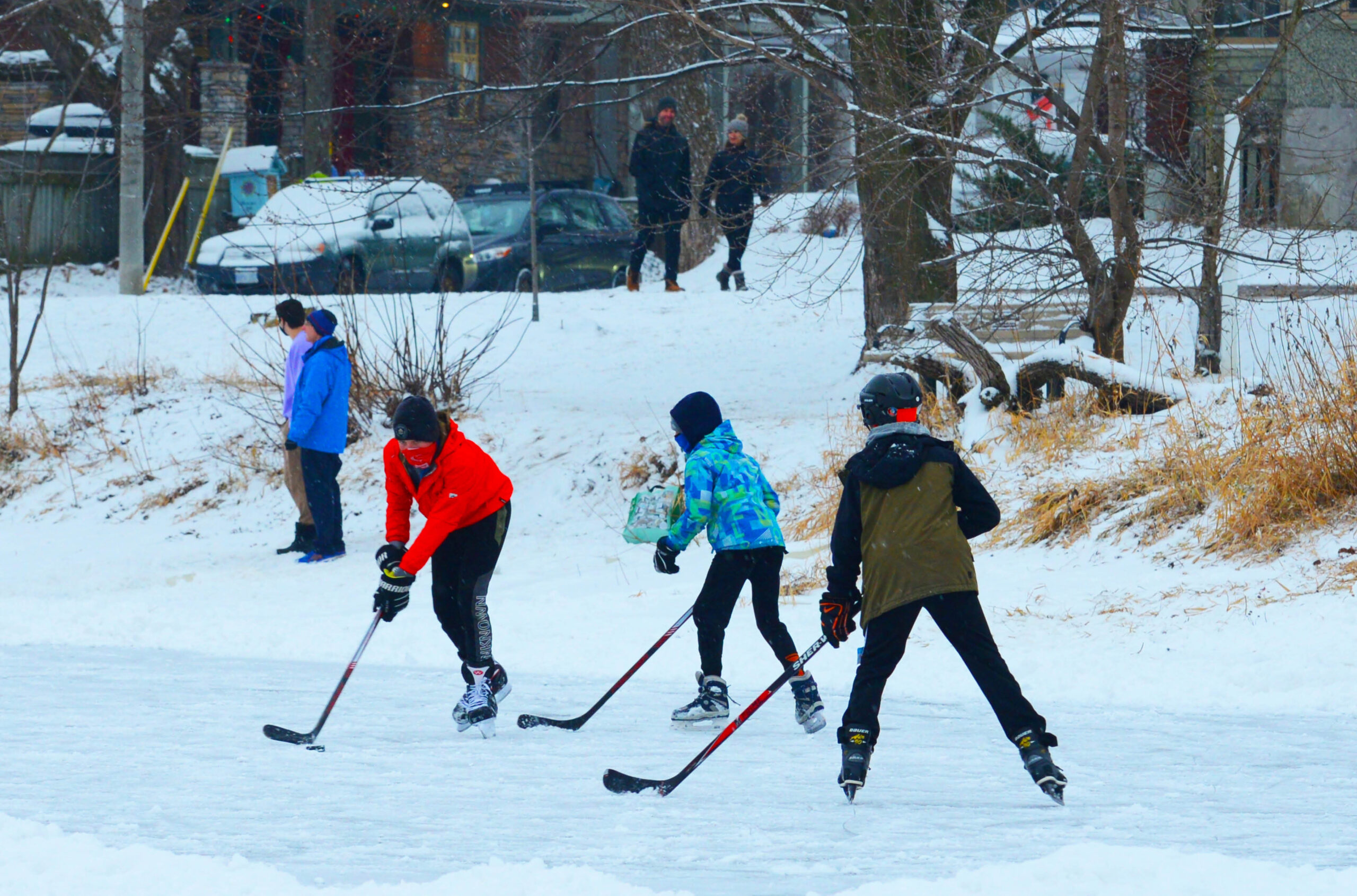
Probing the perils of white ice
Researchers at York University work to crack the code on shifting lake ice quality.
More from Research
-

The unpredictable path
What a sharp turn into the biotech industry revealed about the importance of building fundamental skills.
-

NSERC moves to keep research IP in Canada
The granting agency is steering toward a new funding model to keep intellectual property rights, and the commercial technologies they spawn, in Canadian hands.
-

Diversity strengthens discovery
What Nobel Laureates reveal about diversity, discovery and societal impact.
-

Understanding research-creation at SSHRC
Artistic works that explore socio-cultural questions may qualify for this unique grant.
More from Articles
-
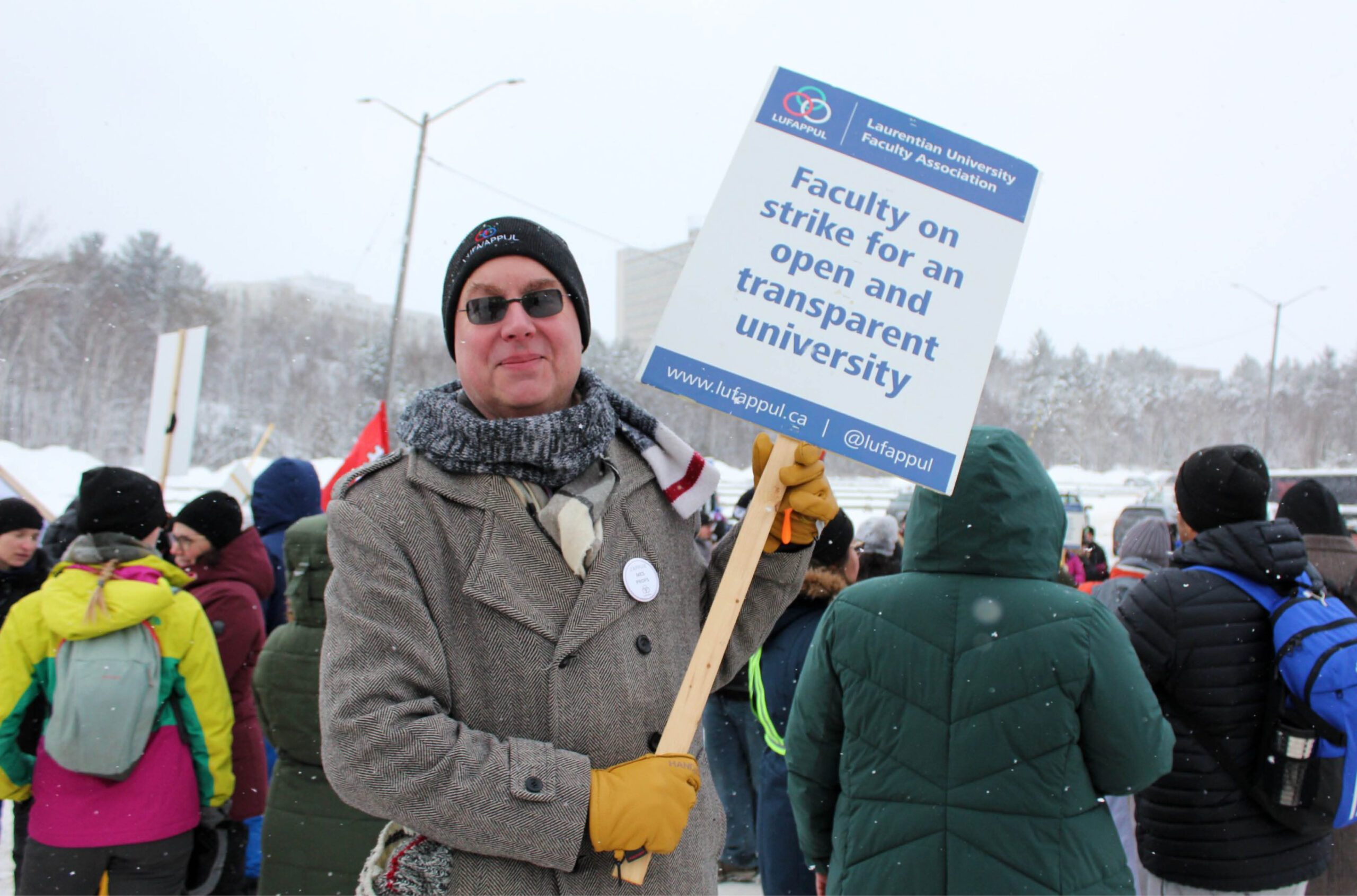
Faculty strike at Laurentian
Negotiations fail, picket lines rise at northern Ontario university.
-
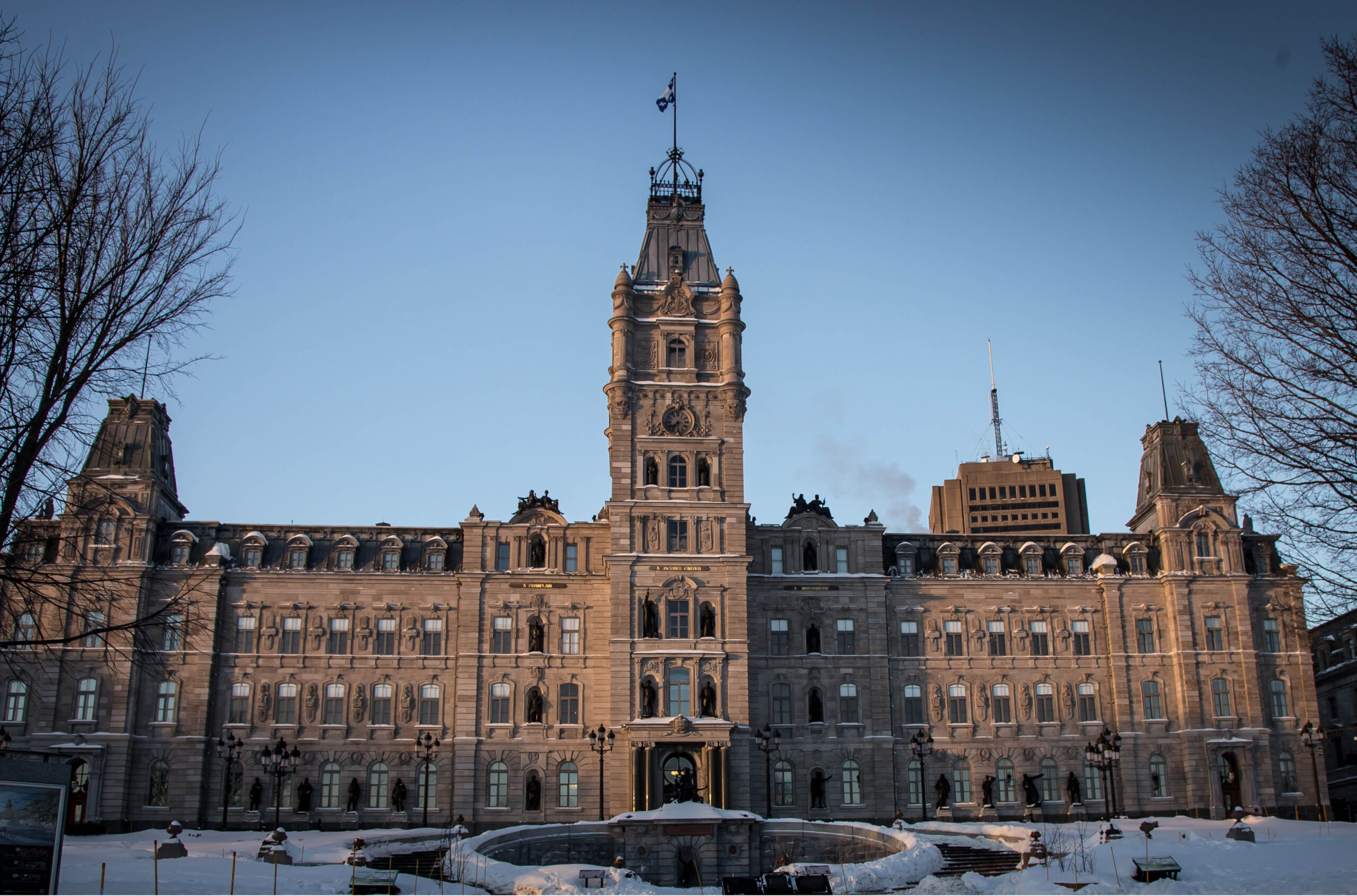
Quebec’s proposed Constitution sparks universities’ opposition
The bill before the province’s national assembly would restrict universities’ ability to challenge legislation, but its future is in doubt with the resignation of Premier François Legault.
-
The year ahead in higher ed
A province-by-province overview of the issues on the horizon for 2026.
-

Best reads: our favourite stories from 2025
We look forward to covering the issues that matter most to you in the year to come.

Post a comment
University Affairs moderates all comments according to the following guidelines. If approved, comments generally appear within one business day. We may republish particularly insightful remarks in our print edition or elsewhere.