Memorial University tackles financial shortfall
Restructuring and selling property among changes to reduce annual spending.
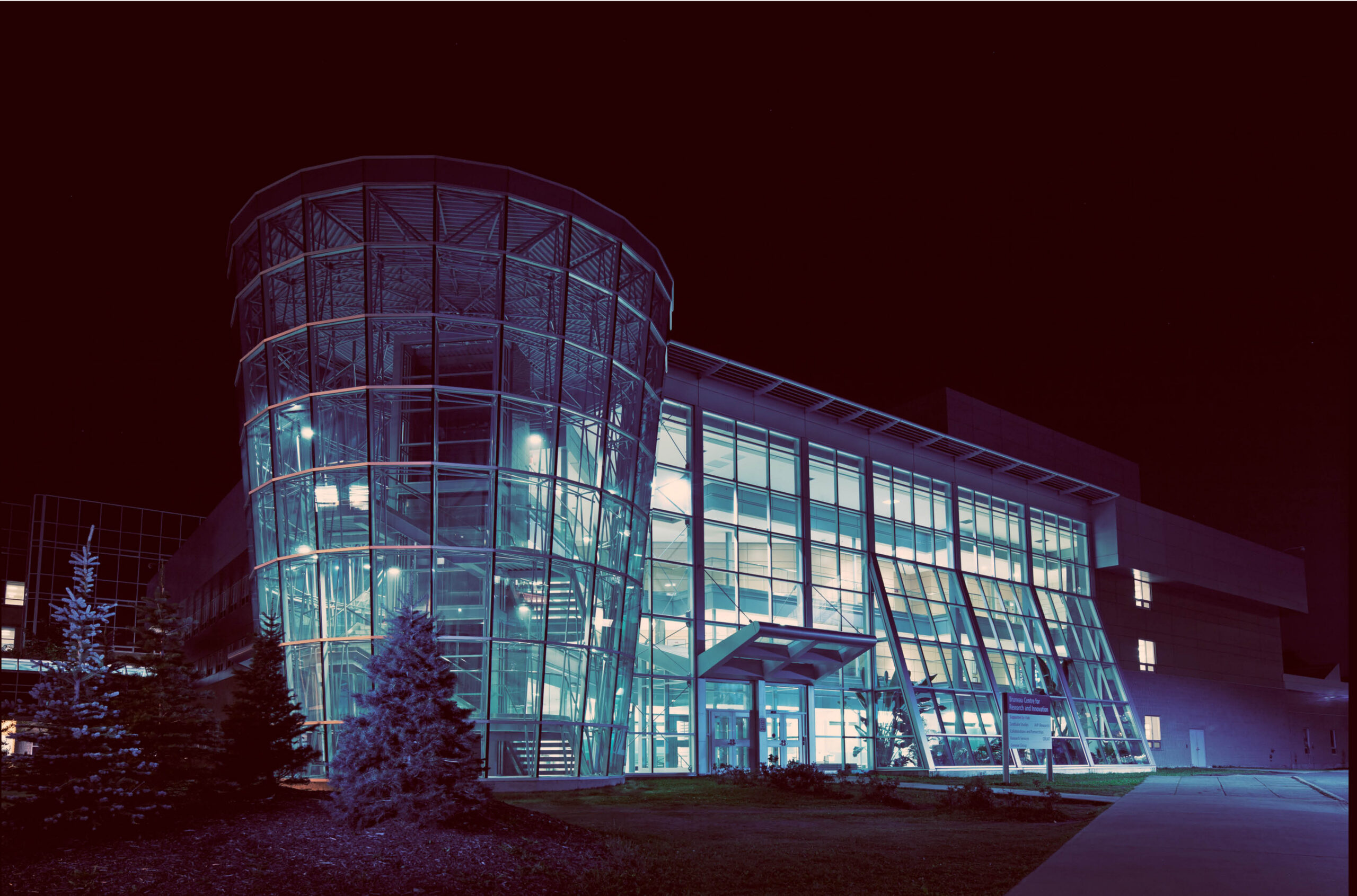
Memorial University of Newfoundland (MUN) has announced a restructuring of its executive leadership team and the intention to sell multiple properties, as the university tries to address a shortfall of approximately $25 million. The changes are just two of several that are expected in the year ahead, as the university also contends with an upcoming tuition-fee freeze.
In late January, MUN announced it will begin selling multiple properties in St. John’s that are “not closely aligned with its academic mission,” as well as its Harlow Campus in the United Kingdom. The announcement came just two weeks after the university announced executive restructuring, which saw it reduce the number of vice-presidents from seven to three.
These steps are part of a “multi-phased approach to reduce annual spending,” said a university spokesperson in a written statement. “Memorial University is facing significant financial challenges due to declining enrolment, constrained budgets, inflationary pressures and the broader forces of social, technological and economic disruption that are impacting higher education across Canada.”
No tuition hikes in 2026
The same day MUN announced its executive restructuring, Newfoundland’s new Conservative government stated that it would fulfill an election promise to institute a tuition freeze for the province. Paul Dinn, minister of education and early childhood development, said in a statement to University Affairs, “as part of our mandate, we will not allow Memorial University to balance its books on the backs of students. This includes ensuring that the university does not increase tuition until we have confidence it is addressing its financial challenges.”
There have been few details released about the tuition freeze, except that it will be in effect as of fall 2026. More details are expected when the government tables its 2026 budget.
The Canadian Federation of Students Newfoundland and Labrador (CFS-NL), which has been pushing for a reinstatement of the tuition fee freeze since it ended in 2022 under the previous Liberal government, welcomed the news, while recognizing that the freeze could add to MUN’s financial challenges. “If we don’t increase funding to MUN as well as have a tuition freeze, we’re going to end up balancing it on the backs of students at the end of the day,” saidNicolas Keough, chair of CFS-NL, noting the potential for program cuts, larger class sizes, fewer first-year labs, unaddressed infrastructure issues and reduced support services.
Faculty association expresses concern
The recent announcements are only the latest in a series of measures that MUN has taken over the past year in an effort to put its books in order. In May 2025, the university announced it would need to cut $20.85 million from its operating budget. In July 2025, it announced the closure of a research centre and its St. John’s-based office of public engagement, as well as the elimination of 20 positions and the continuation of a limited hiring program. Adding further to the university’s financial challenges, in fall 2025, MUN saw a 4.6 percent decrease in enrollment compared to fall 2024, including a 23.5 per cent decrease in international student enrollment, reducing tuition revenue by $5 million.
Lisa Moores, president of the Memorial University of Newfoundland Faculty Association (MUNFA), said members are primarily concerned about what the changes may mean for the core academic mandate of the university. “We’re quite concerned and committed to advocating for Memorial continuing as a comprehensive university. We’re the only public university in the province. We have to span a lot of different roles,” she said. “There are a lot of difficult things to figure out, but at the end of the day, it comes down to really prioritizing, wanting to provide the people of this province with the kind of opportunity and potential that folks in other provinces have.”
MUNFA would like to see the restructuring “also include a careful consideration of ways that we can strengthen shared governance” to have more representation of the university community’s stakeholders in the decision-making process, Dr. Moores said. “People are seeing movement, things are happening, and information is being announced,” but it’s not clear “what the bigger picture is exactly, what the intentions are or what things are going to look like,” she said. “Right now, in general, I’d say there are a lot of questions.”
University shedding non-core assets
The common element across all the decisions made by MUN “is to carefully contract our university in a way that sharpens the focus on our core academic mission,” the university said in a statement. “By reducing investment in non-core assets, we can further protect academic delivery, better maintain our infrastructure and ensure we remain well-positioned to support Memorial’s current and future learners.”
At the time of the restructuring announcement, Janet Morrison, president and vice-chancellor of MUN said: “Today was a really hard day and there’s going to be more difficult days ahead.” How those days will look isn’t entirely clear. In addition to the tuition freeze, the provincial government has also expressed a commitment to aligning the province’s post-secondary system with labour market needs. Mr. Dinn said that the government “will work with post-secondary institutions to achieve this.”



Featured Jobs
- International Studies - Faculty Position (Arctic Defence and Security)Université Laval
- Movember Institute Discovery Research Program FellowshipsThe University of British Columbia
- Global Inequalities and Trade - Faculty PositionUniversité Laval
- Theatre and Film - Assistant Professor Without Review (Performance Practice)The University of British Columbia
- Director, Human Research Ethics & Strategic AdvisorUniversity of Manitoba
More from News
-
Feds announce $880 million for research
Funding will support both established health scientists and emerging cross-disciplinary researchers.
-

OCAD University celebrates 150 years of shaping Canadian culture
Art and design university launches $6-million campaign for 150 scholarships to mark 150th anniversary.
-

B.C. higher education: tweak or reform?
In the coming provincial election, parties offer different proposals for a system under strain.
-

Canada ‘muddling through’ without national research infrastructure strategy, panel finds
Expert report says fragmented governance and funding threaten Canada's research competitiveness and scientific sovereignty.
More from Administration
-

It Takes a Village
University presidents require longer time in office and broad support from within and outside their institutions to confront today’s biggest challenges.
-

The secret to good labour relations
Two negotiators — one from a faculty association, one from a university administration — share their advice for building trust and achieving the common good.
-

Navigating change at Memorial University
President Janet Morrison on her first year at the helm.
-

Reconsidering the value of exams in the age of AI
Logistical, security and validity challenges present an opportunity to rethink the role of exams in assessment.
More from Articles
-
Ottawa won’t restrict student visas from countries with high asylum-claim rates
India will help Canada ‘crack down’ on student program abuses, high commissioner says.
-

Students and seniors under the same roof
Intergenerational living helps with loneliness and the high cost of rent.
-

U Sports alum lace up for PWHL season
Canadian grads eager to show their mettle on women’s pro hockey teams.
-

The hidden problem of student homelessness
As high rents push more students into precarious housing, it's time to stop romanticizing the 'poor scholar'.

Post a comment
University Affairs moderates all comments according to the following guidelines. If approved, comments generally appear within one business day. We may republish particularly insightful remarks in our print edition or elsewhere.