-
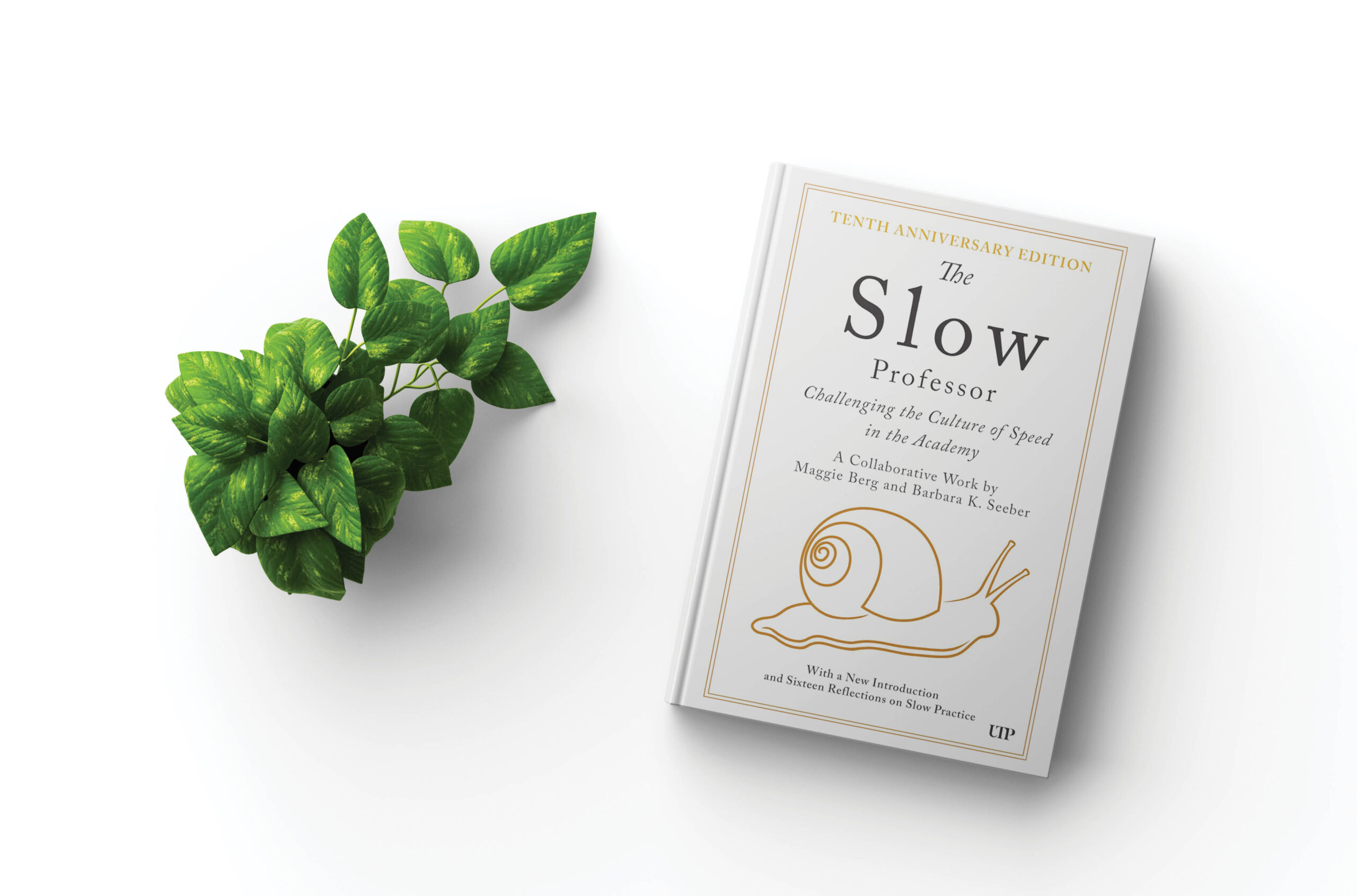
The Slow Professor ages well
The recently published 10th anniversary edition adds new material to this classic text.
-

ChatGPT? We need to talk about LLMs
Large language models are here to stay, but they also present ethics and equity questions about their design, operationalization, and legacy that universities must consider.
-

From ChatGPT bans to task forces, universities are rethinking their approach to academic misconduct
Postsecondary institutions are playing catch up as generative AI and other emerging technologies make their way into student coursework.
-

StatCan report reveals impending shifts at highest levels of professoriate
Canada’s professoriate has become more diverse in terms of age, gender and race, but new data suggests those gains aren’t reaching the highest ranks.
-

When it comes to the move online, the medium is the message
Online teaching requires learning new skills, as well as acknowledging the types of audiences they are attempting to engage.
-
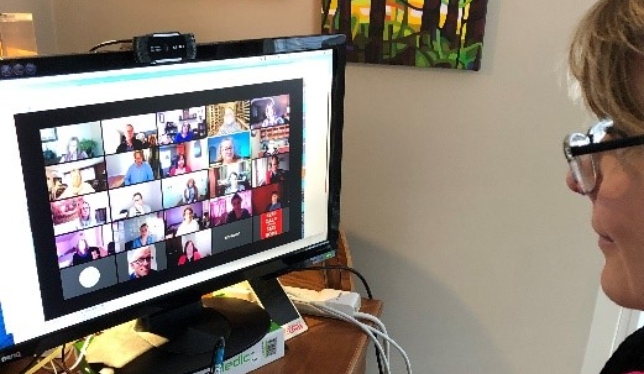
Despite the pandemic, the beat goes on in continuing education
With expertise in flexible, modular training through online delivery, CE units are helping to steer their institutions through the chaos of COVID-19.
-
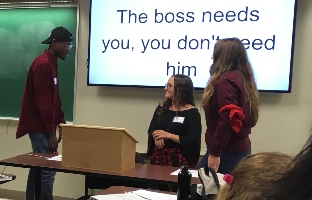
Role-playing games are breathing new life into the history classroom
In Reacting to the Past games, students engage with history by inhabiting a character.
-

Instructors weigh options for exams this semester
From open-book tests to AI-enhanced proctoring tools, final exams will look very different for most faculty members.
-

New policing degree emphasizes community, collaboration and well-being
The new program at Trent’s GTA campus aspires to engage “with issues of diverse communities,” says administrator.
-

How to teach global public health during a pandemic
Here is our learning-by-doing experience of teaching online courses about the COVID-19 response.
-

Despite the pandemic, the rules of academic integrity still apply
My underlying message to my students was to keep their educational goals as an anchor during these unexpected times.
-
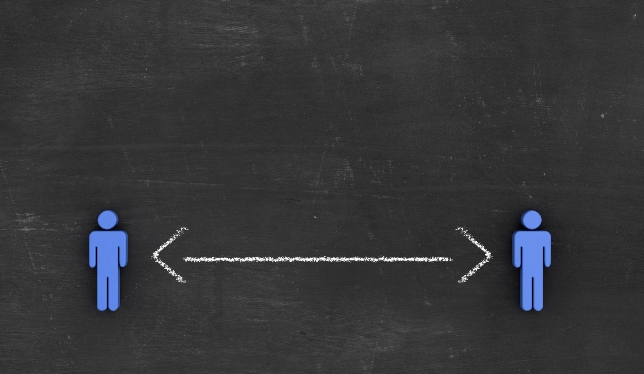
What happens in September? Prepare yourselves for ‘Social Distancing U’
COVID-19 will still be very much with us at the start of the fall term, and we need to prepare.
-
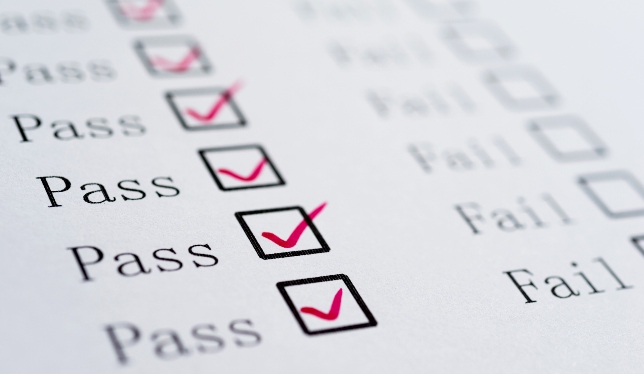
Universities differ on whether a pass-fail grading scheme should be optional
While the University of Alberta has opted for a mandatory credit/no credit assessment this term, other universities are letting students decide whether to forgo a letter grade.
-
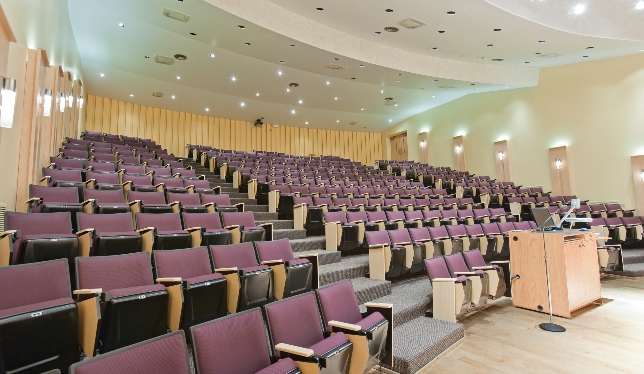
The big transition begins as faculty switch to online learning in response to COVID-19
As long as faculty are consistently communicating with students, the delivery method isn’t as important as the content, says one expert.