Tying a significant portion of funding to any specific set of metrics places undue pressure on universities, and impinges on their traditional mission and collegial autonomy.
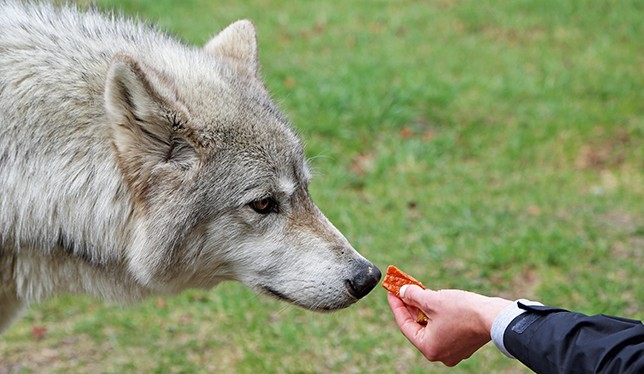
Many journals publish research that is based on the treatment of wild animals that would never be allowed in a laboratory setting.

Or so says David Naylor, if the country wants to fulfill the promise of the fundamental science review.

The once-ubiquitous MBA degree is being replaced by shorter, more targeted master’s programs.

Criticizing your colleagues for “dumbing it down” does a disservice to knowledge translation – and imperils the planet.
“I’m a little bit saddened that in 2018 we’re still talking about this,” says chief science advisor Mona Nemer.

As time goes by, I’m having more and more misgivings about using social media.
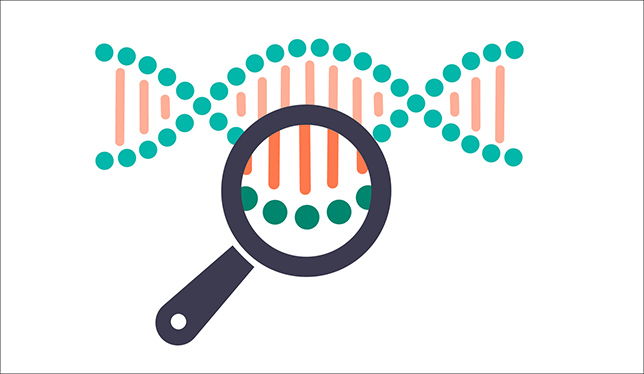
Pseudo-science “erodes our critical thinking, and that might be the most serious damage in the long run,” says one professor.
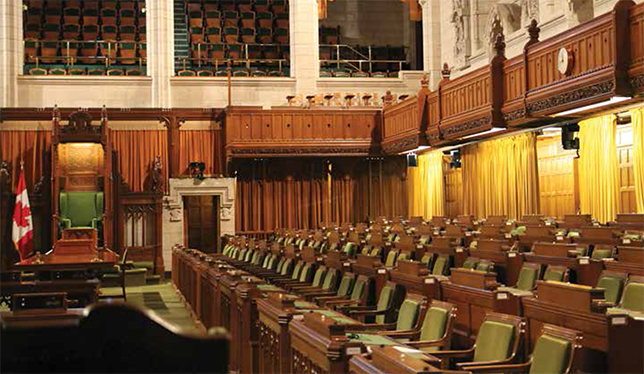
The Science Meets Parliament event will take place on Parliament Hill to coincide with annual science policy conference in Ottawa.

Online resources are aimed at helping litigants to represent themselves in legal disputes.
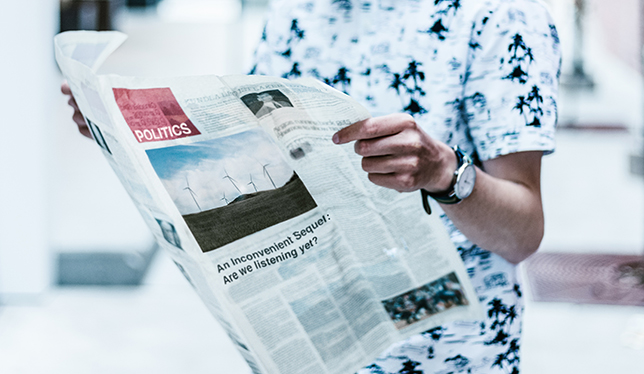
A recent study finds evidence that thoughtful, persuasive commentary by academics can shift the debate and affect policy.