10 ways to boost memory
Try these classroom activities to help your students retain what they learn.

In 2015, while on my first (and to date, only) sabbatical leave, I took an online Coursera course that changed how I teach. Barbara Oakley and Terrence J. Sejnowski’s “Learning How to Learn” explained how brain science can inform study techniques for greater retention. I immediately brought these techniques into my classroom and was impressed with their effectiveness.
This year I followed up by reading the book by Oakley and Sejnowki with Beth Rogowsky, Uncommon Sense Teaching: Practical Insights in Brain Science to Help Students Learn. While it’s aimed at elementary and secondary instruction, many of the strategies can be easily adapted for university students.
In Uncommon Sense Teaching, the authors explain the important differences between working memory and long-term memory. If students simply learn content in a short-term manner – enough to regurgitate it on an exam but not enough to recall it or make use of it in the future – the value of that learning is diminished.
Our goal is therefore to help students move information from working memory to long-term memory, and to do so efficiently to allow knowledge to build. One of the most effective tools for doing this, the authors write, is retrieval practice. In retrieval practice, learners draw on past knowledge to answer questions or solve problems in the present.
Using retrieval in your classroom: specific activities
Ready to increase the use of retrieval in your classroom? Here are ten strategies adapted from Uncommon Sense Teaching, some of which require very little class time.
- Paired explanation: After teaching a concept, have students work in pairs to explain the concept to each other without looking at their notes. Time: 2-3 minutes.
- Jot recall: Pause lecturing after 10-12 minutes. Ask students to use a fresh page to jot down the most important ideas just covered without looking at their notes. Time 3-5 minutes. (Option: after the jot recall activity, ask students to form small groups and compare their jot notes. Time: another 3-5 minutes.)
- Jot sketches: Same as above, but instead ask students to create a drawing or diagram that represents the most important ideas just covered. Time: 3-5 minutes, plus additional time for laughter at the most absurd sketches.
- One-minute summaries: At the end of class, ask students to write down a summary of the key points covered that day before they leave the room. Time: 1 minute.
- App-based quizzes: Throughout the class, have your students respond to questions from the current and previous classes using an in-class quiz application. Time: 2+ minutes, depending on the number of questions.
- Jot recollection: At the start of a class, ask students to jot down their recollections about a concept or topic covered in a previous class. Time: 2-3 minutes, plus time for a debrief and quick review of material.
- Pair and repair: Provide students with an incomplete or incorrect definition, example or explanation. Have students work in pairs to identify the error and correct it. Time: 3-5 minutes, plus full class time to review the correct repair.
- Think-pair-share:Provide students with a prompt question, such as “explain this concept in a way that a ten-year-old could understand.” Have students work individually for one minute without using their notes. Then have students work in pairs for a few minutes to compare answers and collaboratively create a stronger answer. Finally, invite a few of the student pairs to share their answers with the full classroom. Time: 5-10 minutes.
- Keyword retrieval: Provide students with three keywords or concepts that you have covered in the current and/or previous classes. Have students individually spend one minute recalling what they can about the word/concept. Then have students work with a partner to fill in any gaps. Finally, have each pair join with another pair to review and refine the answers. Time: 5-10 minutes, plus time for full class review of correct answers.
- Snowball fight: Provide students with a fill-in-the-blanks or short answer question worksheet. Set a timer for one minute and have students complete as much as they can during that time. At the timer, have your students crumple their worksheet into a ‘snowball’ and toss it to another spot in the room. Students then grab a new snowball. Set the timer for one minute and have students correct and complete as much as they can. Repeat the process one more time. Time: 5-10 minutes, plus time for full class review of correct answers.
General principles to keep in mind
When bringing these retrieval strategies into your classroom, consider the following:
- Be purposeful. Ensure that retrieval practice focuses on meaningful information that you want students to retain weeks, months and years from now. Think key definitions, concepts and processes that serve as foundations for other material.
- Use quick, regular retrieval activities dispersed over the semester. The authors write, “For long-term retention, it is more effective to practice in five-to-ten minute sessions spread out and reviewed over days and weeks rather than an hour of the same monotonous stuff assigned in one mass practice session.”
- Incorporate different approaches. Mixing things up makes retrieval practice more interesting for you and your students. It also allows you to increase the challenge over the course of the semester. Retrieval activities regarding a core concept earlier in the semester might focus on paired or small group exercises, while later in the semester you might challenge students to apply the same core concept in an individual exercise.
Continuing the Skills Agenda conversation
How do you use retrieval practice in your teaching? I would love to hear your thoughts in the comments below.
I look forward to hearing from you. Until next time, stay well, my colleagues.




Featured Jobs
- Director of the McGill University Division of Orthopedic Surgery and Director of the Division of Orthopedic Surgery, McGill University Health Centre (MUHC) McGill University
- Human Rights - Assistant Professor (Expertise in Human Rights related to Artificial Intelligence and Digital Security)University of Winnipeg
- Human Rights - Assistant Professor (Expertise in Peace & Conflict Studies, Socioeconomic Rights and/or Indigenous Rights)University of Winnipeg
- Canada Impact+ Research ChairInstitut national de la recherche scientifique (INRS)
- Engineering - Assistant Professor, Teaching-Focused (Surface and Underground Mining)Queen's University
More from Career Advice
-

Thriving after your PhD
Evidence and advice from postdocs about finding your footing in the working world.
-

Teaching in the age of AI shortcuts
Students will use AI. Here’s what it takes to ensure it strengthens their thinking instead of replacing it.
-

Administration calls. Should you answer?
The pros and cons of taking on admin roles in different stages of your career
-

How to craft a strategic research statement
Identifying themes in your work history can help you move from a laundry-list to a compelling story.
More from Teaching
-

Reflection on five years of The Skills Agenda
Faculty innovation is key to advancing student career preparation in the years ahead.
-

Teaching physicians, med students battle Quebec’s Bill 2 with strikes and lawsuits
Students strive to make up for lost time after fall labour disruptions.
-
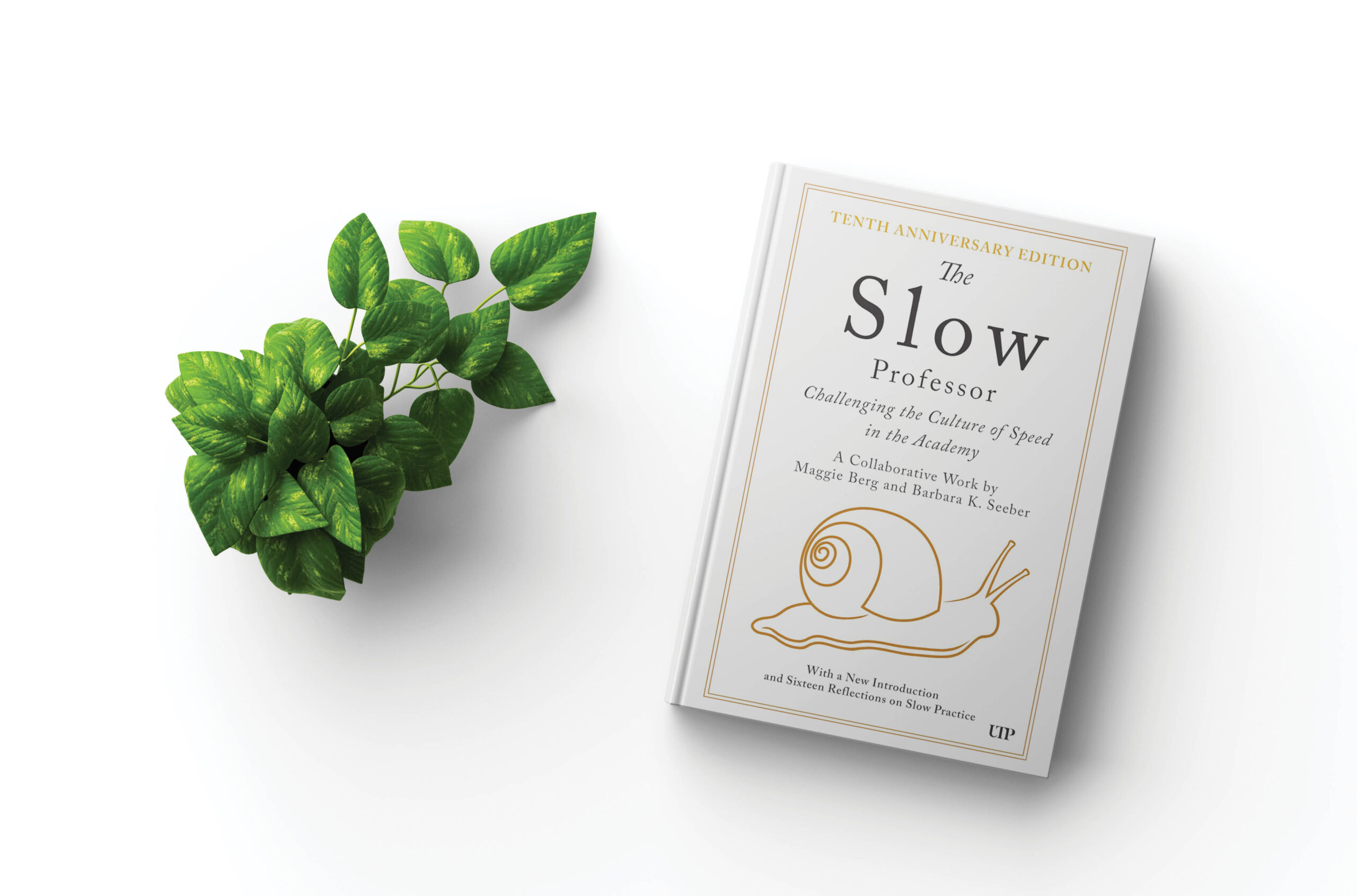
The Slow Professor ages well
The recently published 10th anniversary edition adds new material to this classic text.
-

Teaching experience in the academic job market
“Evidence of teaching effectiveness” adds to the ever-growing demands on graduate students.
More from The Skills Agenda
-

Do our university programs have value to students? (Are we sure?)
Ensuring value for students requires thoughtful attention to program design and delivery.
-

Universities must appeal to non-traditional students
Meeting mid-career education needs is win-win for non-traditional students and academic institutions.
-
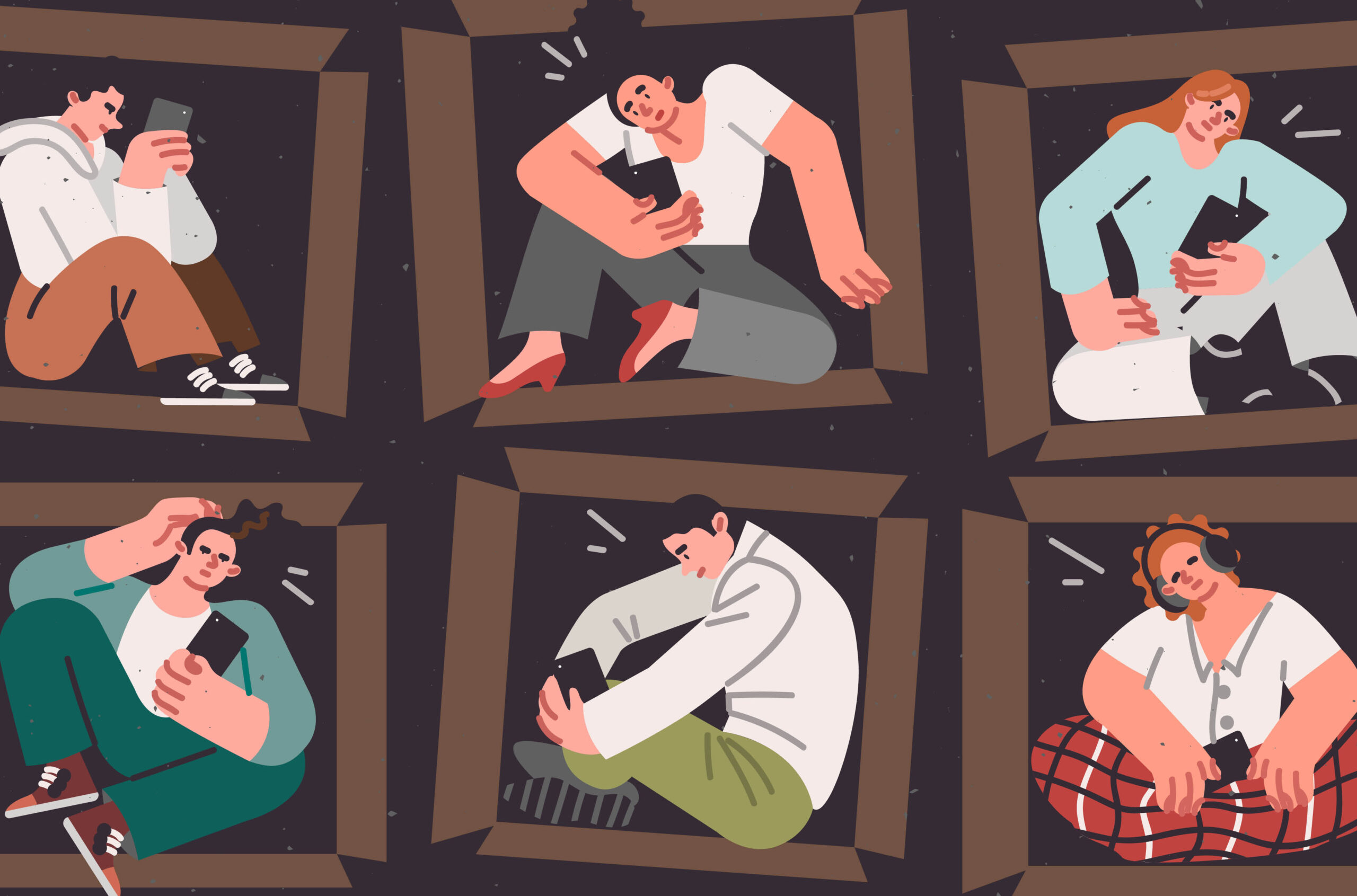
Creating student connection and belonging
Attention to student wellbeing includes fostering relationship-rich campus cultures.
-

Human-centred teaching and learning in the age of AI
Humans make great universities — and humans make universities great.

Post a comment
University Affairs moderates all comments according to the following guidelines. If approved, comments generally appear within one business day. We may republish particularly insightful remarks in our print edition or elsewhere.