International conferences: A springboard into the future
A few days in Greece or China give you more than just a line on your resumé — they’re an experience.

Academics are always looking for ways to stand out among increasingly stiff competition, be it through prestigious internships, excellent grades or innovative research. Although these factors are key to success, international conferences are often overlooked as great opportunities to transform your career.
This past year, I participated in two conferences: “TechCamp Thessaloniki 2024: Empowering Ukrainian Voices” in Thessaloniki, Greece, organized by the U.S. Department of State and DCN Global; and the 2025 Youth Innovation Competition on Global Governance (YICGG), held at Fudan University in Shanghai, China, on the theme of AI governance. Though the events took place on different continents and were very distinct in format and content, both strengthened transferable skills and showed me a future full of endless possibilities.
Never too young
After I recorded a podcast series for the Montreal Institute for Global Security on Ukrainian survivors of the war with Russia, my journalism professor at Concordia University suggested I apply my multimedia skills more widely. My specialization fit with that year’s TechCamp theme, and I was invited to lead audiovisual production workshops helping Ukrainian refugees share their experiences with their host communities in Europe by creating multimedia projects about the war.
I was only 23, while most of the other attendees and speakers were in their thirties or forties. But my first time public speaking in a foreign country showed me that age should never hold us back. My thorough preparation and the interactive format led to discussions in an atmosphere of respect, positive energy and sincere interest. Being “just a student” doesn’t make you too inexperienced or unserious to attend an international conference. Remember, even distinguished speakers had to start somewhere. Their public speaking, debating, and organizational skills didn’t magically appear overnight. Being younger also helps you see generational differences in your field and prepares you for the working world, where interns sometimes feel uncomfortable around their older co-workers.
Another field, another continent
A year later, during my master’s in diplomacy at SciencesPo Paris, I enrolled in courses on data privacy and AI governance as a way of getting into a new-to-me field. In the middle of final exams, I saw a university notice for the YICGG in China. Contestants had to work in teams of three to produce a proposal on “AI Governance for Tomorrow: Peace, Trust and Inclusion.” At first I thought it was just for technology experts, and I had very little experience in IT. But then I remembered my Rhodes scholarship application and thought, “Getting my diploma won’t magically make me an AI expert.” So, even as we burned the midnight oil studying for exams, my team submitted a proposal and qualified for the finals in Shanghai.
What I got out of this experience can’t be found in any international relations manual. First, I discovered China both as an ancient civilization and a major technological and geopolitical player. The culture shock was especially strong at the technological level, as we paid with WeChat instead of credit cards and worked from behind the Great Firewall. I had to rethink my views about the scope of globalization and the complexity of global technological cooperation. Plus, if I hadn’t decided to travel 12,000 kilometres to get there from Montreal, I would have missed the opportunity to visit the Huawei R&D centre (closed to the general public) and see first-hand the scale of the technology race between China and the United States.
Bringing back experiences
At the YICGG, I gave an inaugural speech before the international judges’ panel, a team presentation on using AI for urban reconstruction following disasters, and a solo Ignite Talk on countering AI disinformation. Just as TechCamp had eradicated my fears about age, YICGG dispelled my “imposter syndrome”—that insecurity you feel when somebody is paying to fly you across the ocean for a conference.
Three to five days go by quickly when they’re so jam-packed. It seemed like only moments after we arrived, when we were already on the plane back to Montreal. You bring back more than a suitcase: you bring an international network of friends, a rich cultural experience from half a world away, a wider vision of global affairs that you don’t get in a classroom, and the satisfaction of having made a significant research contribution while representing your university and your country.
In the end, these unexpected adventures—what some might call “side quests”—reinforced my desire to pursue a career in diplomacy and peacemaking. The hardest part is taking the leap. Your first conference and your own perseverance will lead you to the next — maybe further from home, but closer to achieving your goals.


Featured Jobs
- Vice President, Finance & AdministrationOCAD University
- Canada Impact+ Research ChairInstitut national de la recherche scientifique (INRS)
- Occupational Therapy - Assistant or Associate ProfessorDalhousie University
- Health Sciences - Assistant ProfessorSimon Fraser University
- Marketing - Faculty Position, Tenured or Tenure TrackUniversity of Alberta
More from Career Advice
-

Heading to France for your master’s?
Quebec’s Bourse Frontenac could help fund your graduate studies.
-

Bridging science and inclusion
MISI Summer School reimagines equity in research training.
-

Take it easy this conference season
Before committing to a colloquium, consider carefully whether the time and cost are worth the payoff.
-

How to write an effective service statement for your promotion and tenure dossier
Go beyond “bum-in-seat” accounting to emphasize your expertise and accomplishments.
More from Students
-
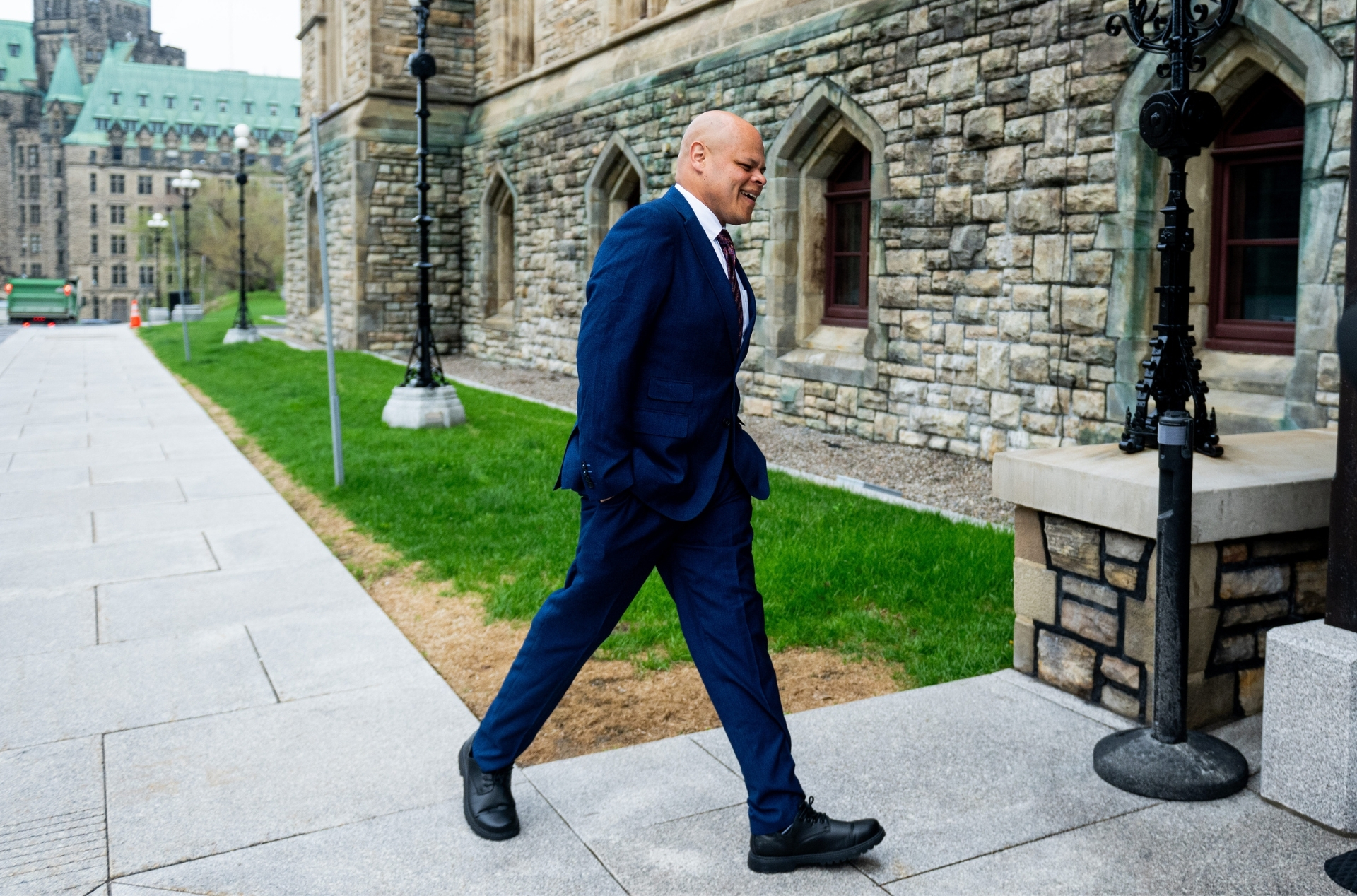
Conservative MP wraps up campus tour aiming to “Restore the North”
Modelled on the late American conservative firebrand Charlie Kirk, Jamil Jivani’s tour brought discussion of economics, immigration and identity to universities across Canada.
-
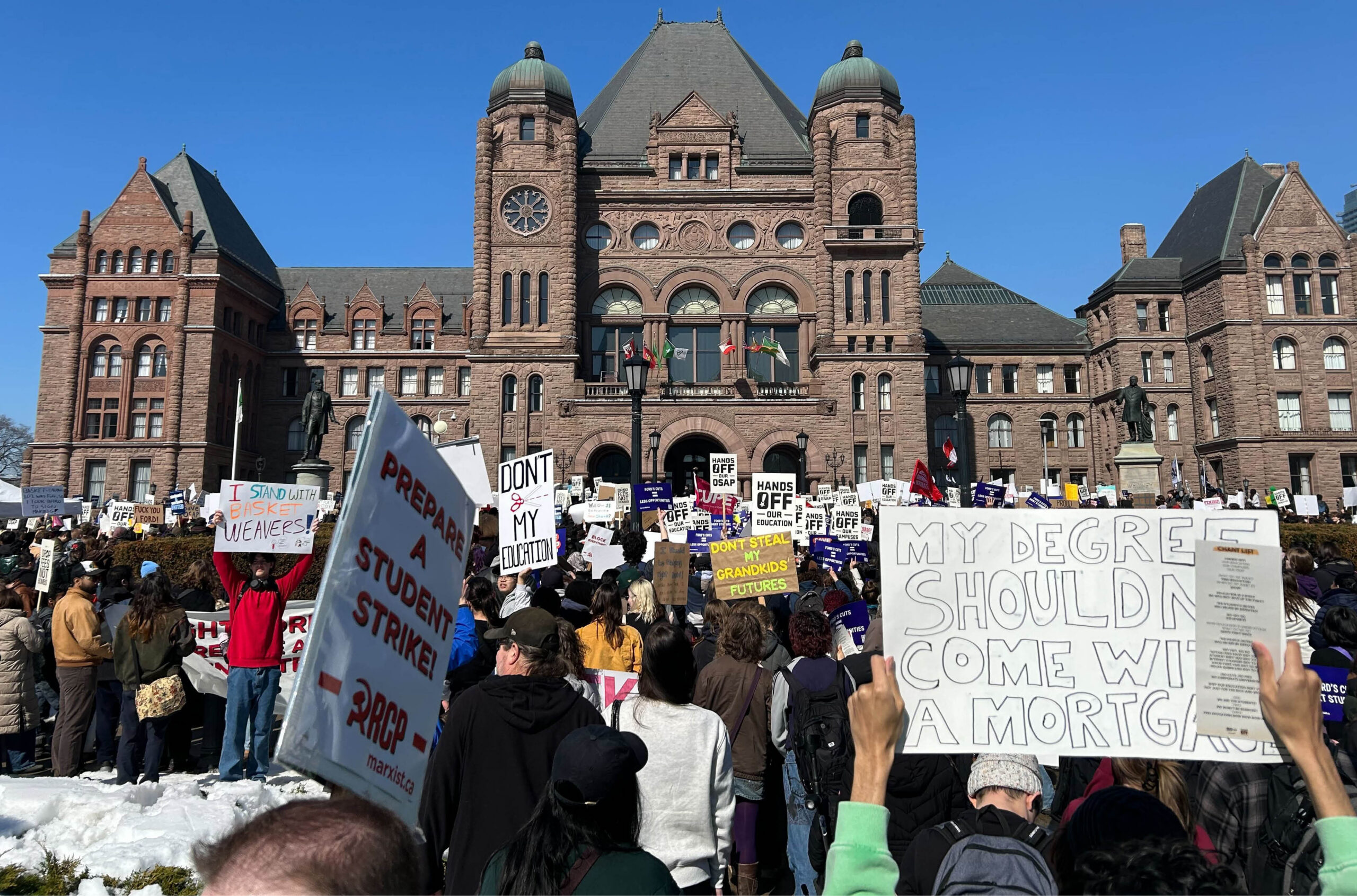
Students protest cuts to OSAP grants
Changes may push some to opt for shorter college programs instead of university.
-
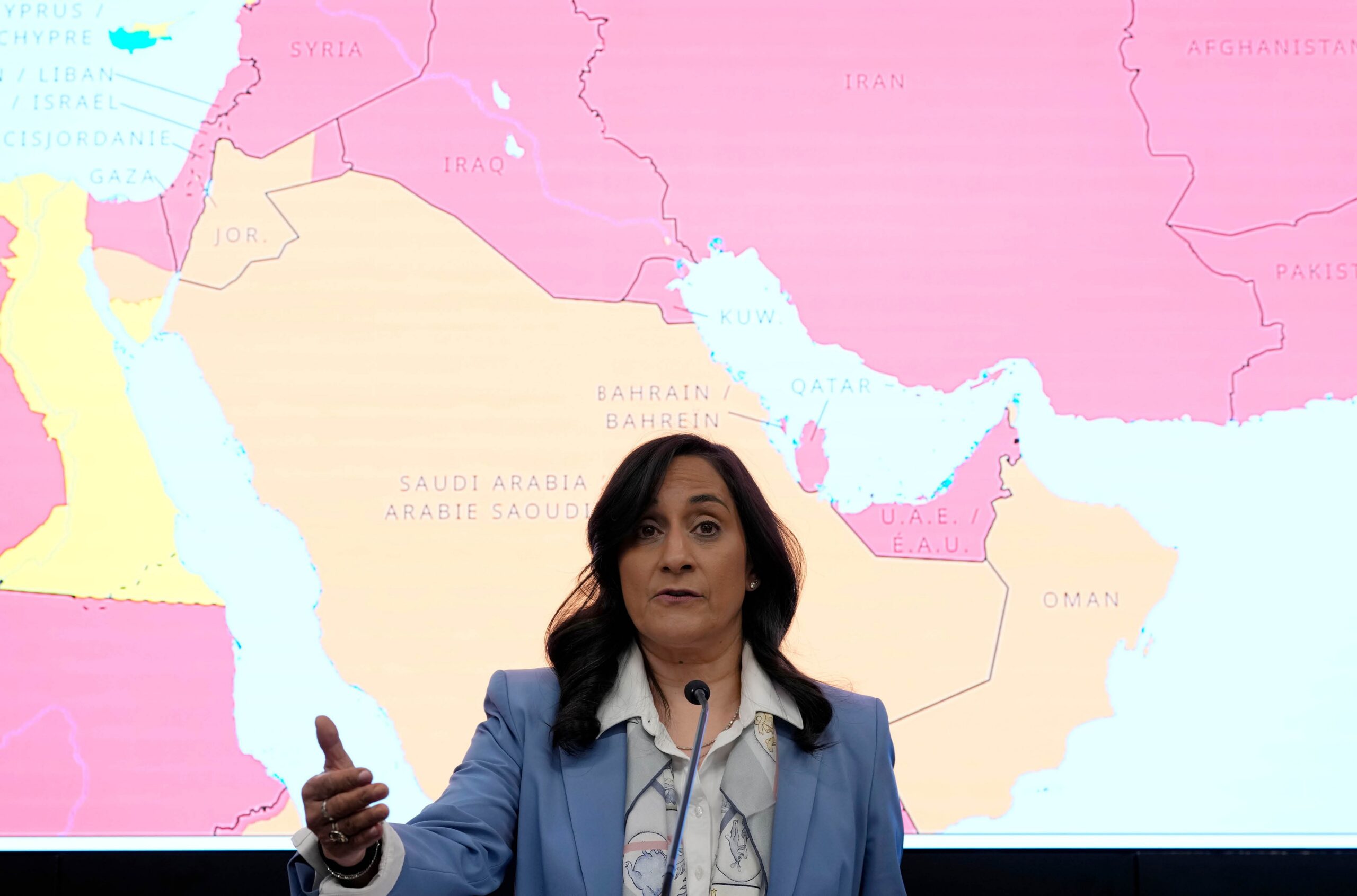
Canadian university campuses in the Middle East caught in a war zone
Royal Roads campus in UAE temporarily closed as Ottawa issues shelter-in-place advisory.
-

Thriving after your PhD
Evidence and advice from postdocs about finding your footing in the working world.
More from Graduate Matters
-
Studying in French as an anglophone? Mais oui!
Pursuing graduate studies in a second language is daunting but, ultimately, rewarding.
-

The unpredictable path
What a sharp turn into the biotech industry revealed about the importance of building fundamental skills.
-
More than a doctoral degree
My journey of research, volunteering and advocacy.
-
From marketer to MFA
How I returned to graduate school as a working professional.


Post a comment
University Affairs moderates all comments according to the following guidelines. If approved, comments generally appear within one business day. We may republish particularly insightful remarks in our print edition or elsewhere.