-

The view from the dean’s office
While my own academic freedom is less robust since becoming a senior administrator, I have loved finding new ways of defending academic freedom for others.
-

Two misconceptions about ‘collegial governance’
Academic staff are not only employees; they are also the ‘collegium’ charged with the academic governance of universities.
-

On the uses and abuses of ‘academic freedom’
When we invoke academic freedom as a way of defending our own peccadillos, we render universities into petty fiefdoms and academic freedom into a bludgeon.
-

How to fight antisemitism without threatening
academic freedomAn examination of the International Holocaust Remembrance Alliance working definition of antisemitism.
Sponsored Content
-

Interactive simulations transforming business education
Engaging students through immersive experiential learning while providing personalized support for instructors.
-

AI and the future of learning: Why you can’t miss this year’s Canadian EdTech AI summit
Empowering human-centered sustainable learning in an AI-inspired world.
-

Meet Marie-Eve Sylvestre, the new University of Ottawa president who sees a world of possibilities
Bringing people together to change the community and the world.
-

Middle Eastern studies, Greta Thunberg and institutional autonomy
Two recent cases from the U.S. throw into sharp relief just how critical institutional autonomy is for academic freedom.
-

Three ways professors can support academic freedom as we head back to school
Academic freedom is not merely a negotiated perk of being a professor, it is a sine qua non of the university’s mission.
-

Academic freedom, scholarly responsibility and the new gender wars
Issues around gender identity, and transgender and nonbinary people have become a battleground for academic freedom and freedom of expression on campus.
-

Sometimes refraining from speech is good
If no one listens, no ideas are exchanged. And to listen, one must be quiet.
-

In the face of dangerous questions, turn to core values
To defend the values at the heart of the university, we must first understand them. Here’s a resource that can help.
-

Academic freedom is caught in a triangle of threats
A dissection of three talks presented at the recent Harry Crowe conference in Toronto.
-

Two kinds of academic freedom? Lessons from a scholar who fled Turkey
Should there be a separate conception of academic freedom for precarious and independent scholars?
-
The price of academic freedom
Because we most often invoke it when it’s threatened, we tend to focus more on the rights associated with academic freedom than on the reason we have it to begin with.
-
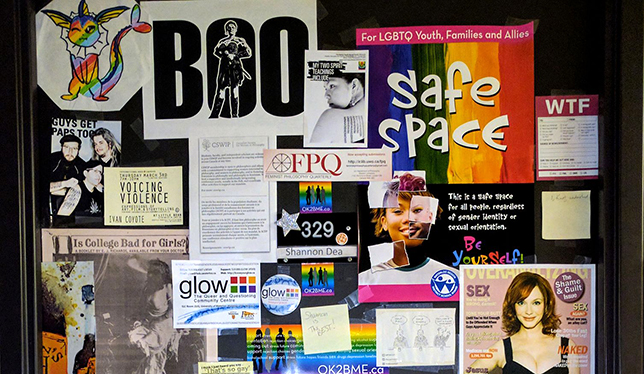
My office door and the campus free speech crisis that never was
For reasons of naiveté or worse, the media and the public have been taken in by the view that there is a free speech crisis on campus.
-
Academic freedom in a non-ideal world
Understanding what academic freedom is ideally meant to do can help us understand its contours, and how to best defend it.