-

When misconduct disappears into university bureaucracy
Universities have procedures for misconduct, but too often lack the governance structures needed to see the patterns that emerge across sectors.
-

Recalibrating Canadian universities to meet the Mark (Carney)
How university leadership can better support Canadian innovation and economic growth.
-

Diversity strengthens discovery
What Nobel Laureates reveal about diversity, discovery and societal impact.
-

Protecting online safe spaces
Reflections on a Zoom-bombing.
Sponsored Content
-

MDPI Toronto Summit 2026: Bringing together leaders to shape the future of scholarly publishing
Highlights, key discussions, and insights from two days of collaboration, innovation, and open dialogue across leaders within the global research community.
-

Meet Kevin McCormick, Founding President of the Canadian Institute for Human Rights and Global Health
Bringing capacity to global engagement.
-

From business journalism to entrepreneurial support
A Moroccan BCDI 2030 Scholar committed to empowering women entrepreneurs.
-
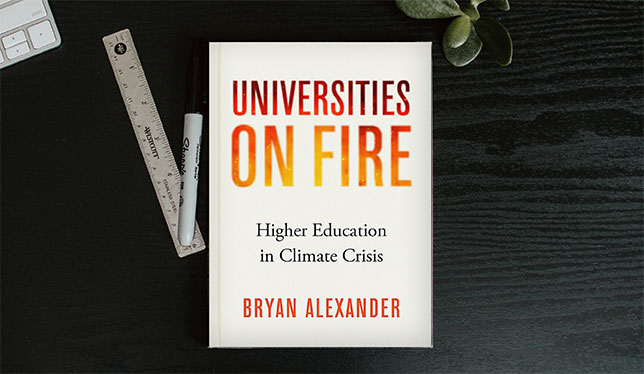
Universities on Fire is brisk, inspiring and sobering
Georgetown University futurist Bryan Alexander ponders higher education’s next 75 years in a climate-changed world.
-

ChatGPT? We need to talk about LLMs
Large language models are here to stay, but they also present ethics and equity questions about their design, operationalization, and legacy that universities must consider.
-

Taking mental wellness education beyond the campus: How universities can help respond to the mental health care crisis
The growing interest in wellness is an opportunity for universities to provide evidence-based information beyond campuses, in the broader community.
-

The importance of curiosity
Teaching students how to responsibly question and discover answers must become a greater priority in education.
-

When youth voices are heard, science shines brighter
Members of the chief science adviser of Canada’s inaugural Youth Council share a vision for science as their term comes to an end.
-

Leadership lost
Student clubs are struggling in the pandemic’s wake. Universities can help them back on their feet.
-

Unlocking the value of stranded IP
Variations on the ‘venture studio’ model may be a way forward for inventions developed with and by university researchers.
-

Celebrating SDG Week Canada and a common language for sustainability
The United Nations’ Sustainable Development Goals are being used in unexpected places and hopeful ways on campuses across the country.
-

Moving from climate action toward climate justice
Students, community activists, and critical scholars are calling for more justice-oriented approaches to the climate crisis. How will universities respond?
-

What makes for a happy scholarly journal?
Budget is just one factor that leads to a well-functioning journal.