-
Recalibrating Canadian universities to meet the Mark (Carney)
How university leadership can better support Canadian innovation and economic growth.
-

The faculty selection process: recommendations for selection committees
Instead of focusing on the “best” candidate, committees should instead ensure a good fit for the department.
-

Better integration policies for international students needed at universities
Both the federal and provincial governments need to treat international students as a resource to invest in.
-

Smashing the queer ceiling: leaders show the way
Academia needs to commit to providing equitable opportunities for women and those who identify as women with intersectional identities.
Sponsored Content
-
MDPI Toronto Summit 2026: Bringing together leaders to shape the future of scholarly publishing
Highlights, key discussions, and insights from two days of collaboration, innovation, and open dialogue across leaders within the global research community.
-
Meet Kevin McCormick, Founding President of the Canadian Institute for Human Rights and Global Health
Bringing capacity to global engagement.
-

From business journalism to entrepreneurial support
A Moroccan BCDI 2030 Scholar committed to empowering women entrepreneurs.
-

New ranking to look at universities’ contributions to sustainable development
Linking universities to the UN’s sustainable development goals will draw greater scrutiny to higher education, for better or worse.
-

Two kinds of academic freedom? Lessons from a scholar who fled Turkey
Should there be a separate conception of academic freedom for precarious and independent scholars?
-
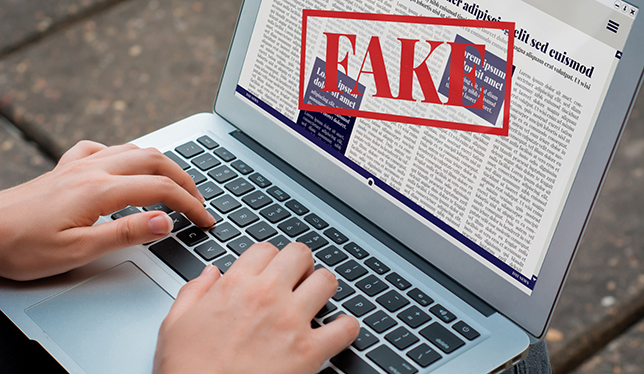
Even an academic hoax needs ethics approval
The authors of the fake “grievance studies” papers would have made a stronger point if they’d gone through an institutional review board.
-

No one is born a CEO, they learn on the job
What young CEOs lack in experience, they appear to make up for in risk tolerance and ability to facilitate development and growth.
-

My experience as a ‘dumb’ student
Looking around, it seemed obvious to me that I was the only one who didn’t understand what was going on.
-

Defining science and scientific researchers: it’s a whole new world
A new UNESCO recommendation sets guidelines regarding the working conditions of researchers and the environment required for science to be conducted in an ethical manner.
-

I started my lab 3 years ago and I’m moving already
The reality for many externally-funded research group leaders is that we will leave the institution that gave us our start.
-

A higher education wish list for the federal parties
With a federal election looming later this year, here are a few suggestions to bolster science, skills and innovation.
-
The price of academic freedom
Because we most often invoke it when it’s threatened, we tend to focus more on the rights associated with academic freedom than on the reason we have it to begin with.
-

Taking control of your institution’s strategic planning
Instead of relying on outside consultants, the leadership at Université de Sherbrooke took matters into their own hands.