-

Prescribing connection
A new approach to improving student mental health on campuses.
-

When ‘self-correction’ meets power in the quest to uphold scientific integrity
Questions around Stanford U president Marc Tessier-Lavigne’s research represent a case in point.
-

We need to make policy learning count
The Advisory Panel on the Federal Research Support System continues a ritualistic cycle of reviews and reports into Canada’s scientific support infrastructure.
-

The curious story of the Global Innovation Clusters renewal
Why is the federal government still throwing money and resources at this project?
Sponsored Content
-

Interactive simulations transforming business education
Engaging students through immersive experiential learning while providing personalized support for instructors.
-
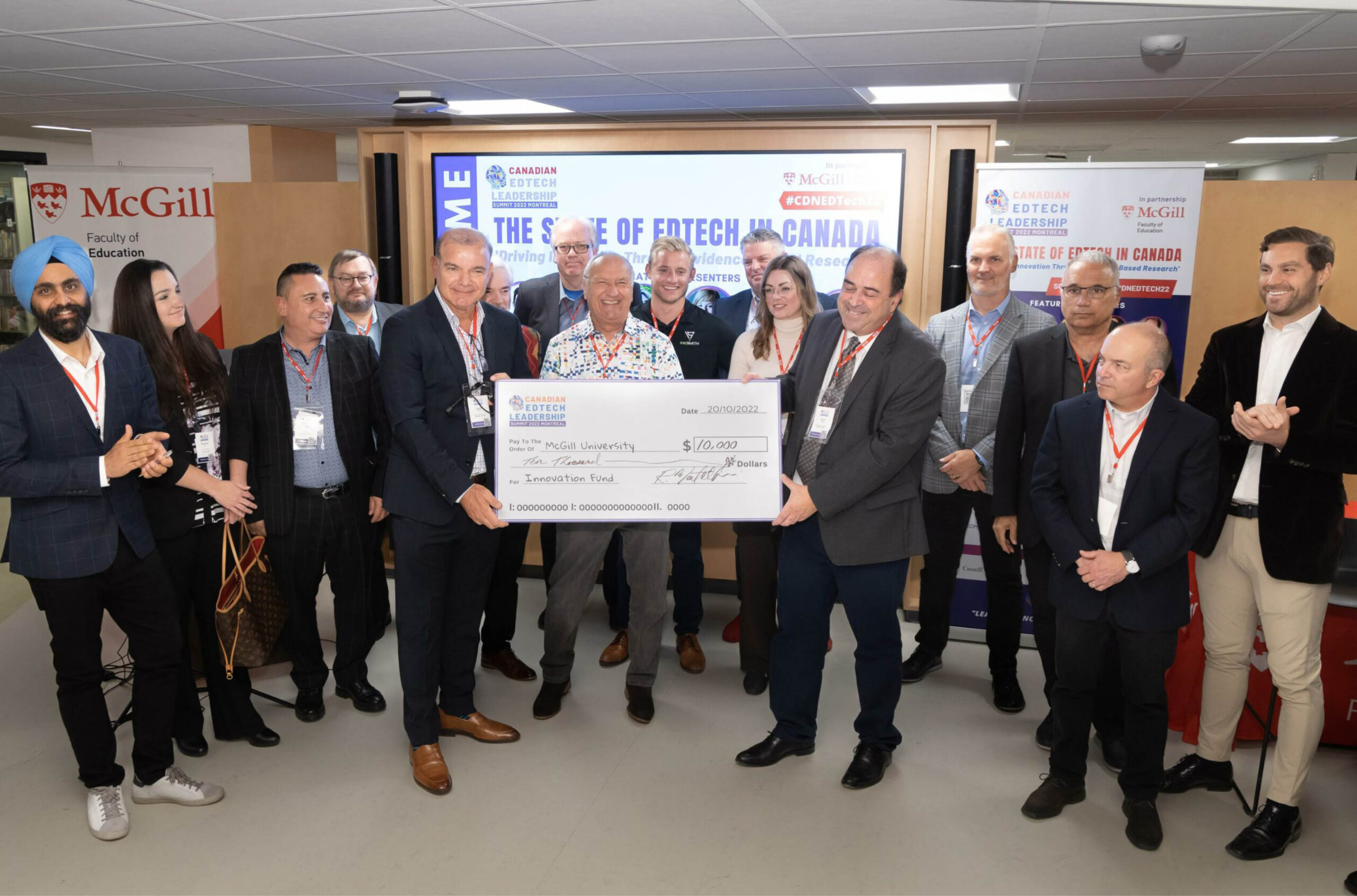
AI and the future of learning: Why you can’t miss this year’s Canadian EdTech AI summit
Empowering human-centered sustainable learning in an AI-inspired world.
-

Meet Marie-Eve Sylvestre, the new University of Ottawa president who sees a world of possibilities
Bringing people together to change the community and the world.
-

Research as a national investment needs to go beyond the promise of short-term innovation
COVID-19 has caused the academic community to be very reactionary, but research is fundamentally a long-term process.
-

COVID-19 may force a rethink about how we manage higher education and research funding
Major crises provide windows of opportunity for change.
-

Where are all the international students universities were promised when Trump was elected?
Despite a widespread media narrative claiming students would be flocking to Canada, universities did not see a “Trump bump.”
-

Fundamental research continues to be undermined in Canada
More funds for science in recent decades has meant more political pressure on research councils to showcase impact and demonstrate relevance.
-

The fault lines of the politics of science policy are firmly in place
The Liberals claim that “science is at the centre of everything the government does” – yet all we have seen and heard are symbolic gestures and feel-good rhetoric.
-

The precarious practice of cluster hiring
Clusters are often described as prioritizing interdisciplinary collaboration, but that comes with its own unique set of challenges.
-
Canada doesn’t lack in terms of university-industry collaboration
The poor rate of innovation among Canadian firms relates to factors well beyond the scope of research partnerships.
-

The uncertain shelf life of the Fundamental Science Review
In the long run, the status of the report as a relevant source for policy debate and advocacy hinges on which party wins the October federal election.
-

The ludicrous idea of a provincial intellectual property framework
A new panel created in the 2019 Ontario budget will have the mundane task of clarifying the relationship between science and innovation.
-

HEQCO’s skills agenda shows a lack of rigour and scientific integrity
The way HEQCO chose to communicate the results of its recent Skills Assessment Pilot Studies is a perfect example of cargo cult policy research.