University funding remains unclear after Nova Scotia budget
Government announces a 2% increase, but bilateral agreements mean the devil is in the details.
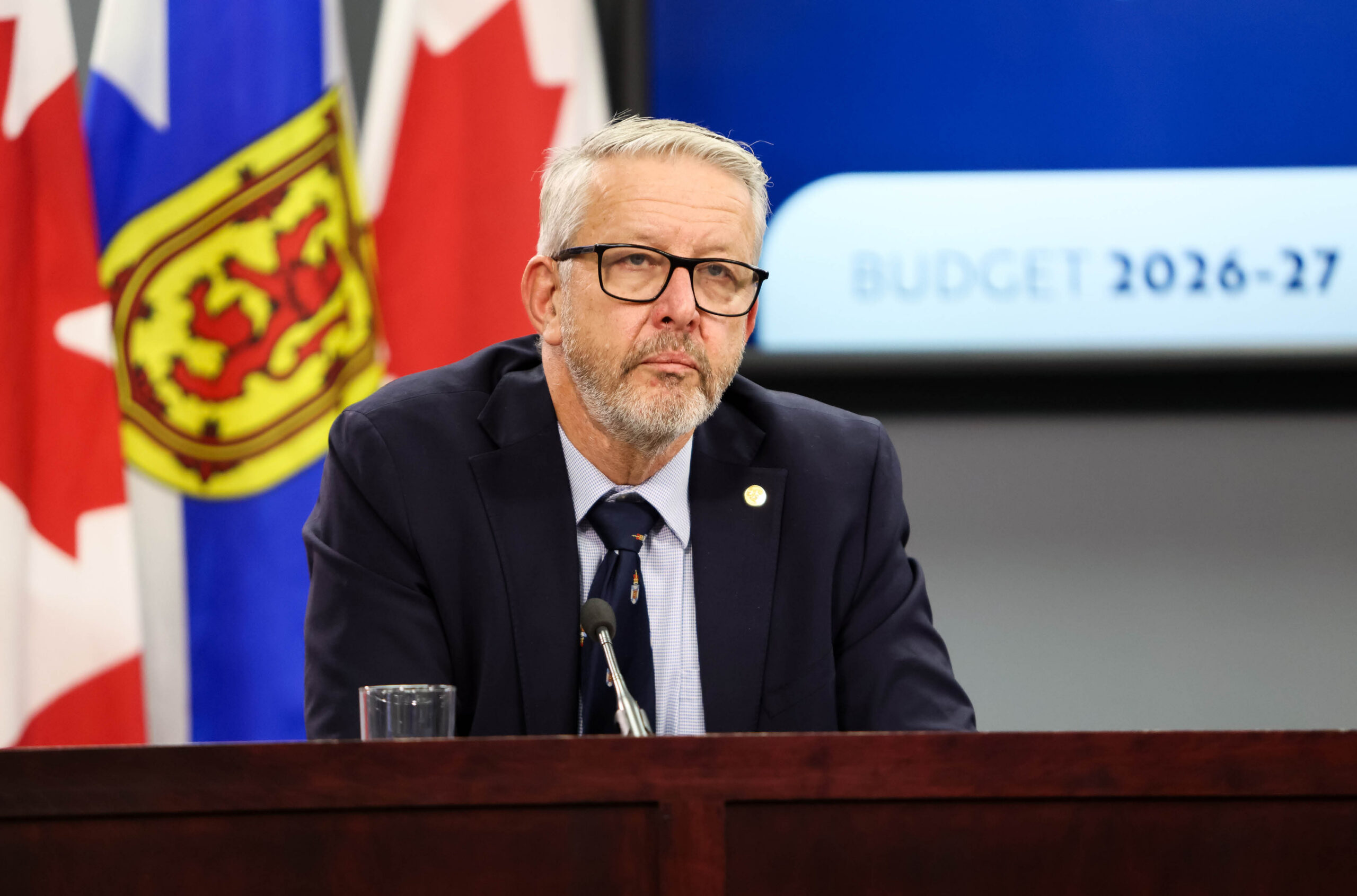
Nova Scotia Finance Minister John Lohr announced a two per cent increase in operating grants for the province’s universities in the Conservative government’s 2026–27 budget, tabled Monday.
But uncertainty remains as to whether all universities will receive the increase, due to bilateral funding agreements signed last year that allow the province to hold back funding if universities fail to meet government-specified requirements — such as program alignment with market demands, enrolment in health care programs and increased student housing.
“Far from making our universities more resilient, the funding agreements that this budget supports risk eroding the strong university system we have built in Nova Scotia,” wrote Matthew Reichertz, president of the Association of Nova Scotia University Teachers, in a press release. “True resilience means stable, predictable funding and respect for institutional autonomy, not expanding ministerial control.”
A spokesperson for Peter Halpin, the executive director of the Association of Atlantic Universities, said the association was in consultations with its members on Wednesday about funding reductions not specified in the budget document.
The majority of Nova Scotia’s universities are in deficit for 2025–26.
Under the budget — which announced significant cuts to the civil service to right-size a $1.9 billion deficit — the province will grant universities $460.8 million in 2026–27. The budget also contains targeted grants for student housing and programs in health and education.
Students will receive an additional $6.7 million in 2026–27 for financial assistance and access for students with disabilities.
The Nova Scotia Community College (NSCC), which became a university degree-granting institution last year, will receive $30.8 million for student housing projects at its Cumberland and Kingstec campuses.
“This budget reflects a clear choice: discipline without retreat,” Minister Lohr said in his budget speech. “Health care is protected, education is protected, housing is protected, core public services are protected.”
But Paul Wozney, the advanced education critic for the opposition New Democrats, wrote in a statement to University Affairs that universities aren’t getting the support they need, and students and staff are paying the price.
“Last year, the [Premier Tim] Houston government created uncertainty by giving themselves the power to interfere with research and withhold funding from universities that don’t follow their agenda,” he wrote.
Targeted grants for medical training, energy and defence research
The budget, titled Defending Nova Scotia, allocates $7.7 million to train medical students across the province and an additional $7.6 million to offer primary health care and create local clinical placements for medical students on the Cape Breton University campus.
A further $570,000 will fund residency seats for medical students participating in a pilot training program for rural family doctors.
The budget aligns closely with federal priorities in natural resources, energy, market diversification and defence.
The province is investing $25 million — bringing total funding to $30 million — in a subsurface energy research and development program with Dalhousie University as part of efforts to restart Nova Scotia’s onshore natural gas industry.
In the budget speech, Minister Lohr noted that the province currently relies on natural gas imports from the United States.
“When we rely on others for our natural gas supply we are agreeing to export resource jobs elsewhere, and we drive up the cost of fuel needed to meet our electricity demands,” he said. “That is why we announced a research partnership with Dalhousie University. This partnership will help us better identify the natural gas potential and help us to understand how to access this resource carefully, safely and responsibly.”
An additional $2.2 million will support offshore wind research.
The government writes that Nova Scotia is a leader in defence, with skilled graduates delivering “next generation defence technologies for Canada’s military.” The province highlights post-secondary institutions offering industry-specific programs, pointing to NSCC’s automatic radar plotting aid and global marine distress and safety systems programs.
In 2026–27, the province says it will focus on building the workforce required for military vessels, equipment and the defence supply chain.
Other research and development initiatives include an $8 million investment to develop new uses and markets for low-grade forest materials and $1.5 million to establish an innovation hub in the seafood sector. The province allocated an additional $1 million to increase the availability of local food in public institutions across the province.
Bilateral agreements cast uncertainty over funding rollout
Nova Scotia was the centre of controversy last year when it passed Bill 12, An Act Respecting Advanced Education and Research. The law provides the province with expanded powers over the post-secondary sector, which critics view as interfering with university autonomy — including the power to appoint up to 50 per cent of university board members and to determine the research priorities of Research Nova Scotia, an independent not-for-profit that administers research funding.
In April 2025, each of the province’s 10 universities signed two-year bilateral agreements with the province in accordance with Bill 12. In addition to measures aligning with the government’s education priorities, the agreements froze tuition for Nova Scotia’s undergraduate students.
Mr. Reichertz said faculty understand their responsibility to students and taxpayers, but the introduction of the bill and bilateral funding agreements “are not helping the post-secondary education sector build resilience.”
The Department of Advanced Education, in a statement to University Affairs, said it “recognizes the financial challenges” faced by universities and that the bilateral agreements provide predictability for institutions “while ensuring accountability and alignment with labour market needs and student housing priorities.”



Featured Jobs
- Theatre and Film - Assistant Professor Without Review (Performance Practice)The University of British Columbia
- Psychology - Assistant Professor (Clinical Psychology)Western University
- Canada Impact+ Emerging Leader in Quantitative and AI-enabled Electron Microscopy for Quantum and Advanced MaterialsMcMaster University
- Movember Institute Discovery Research Program FellowshipsThe University of British Columbia
- Global Inequalities and Trade - Faculty PositionUniversité Laval
More from News
-
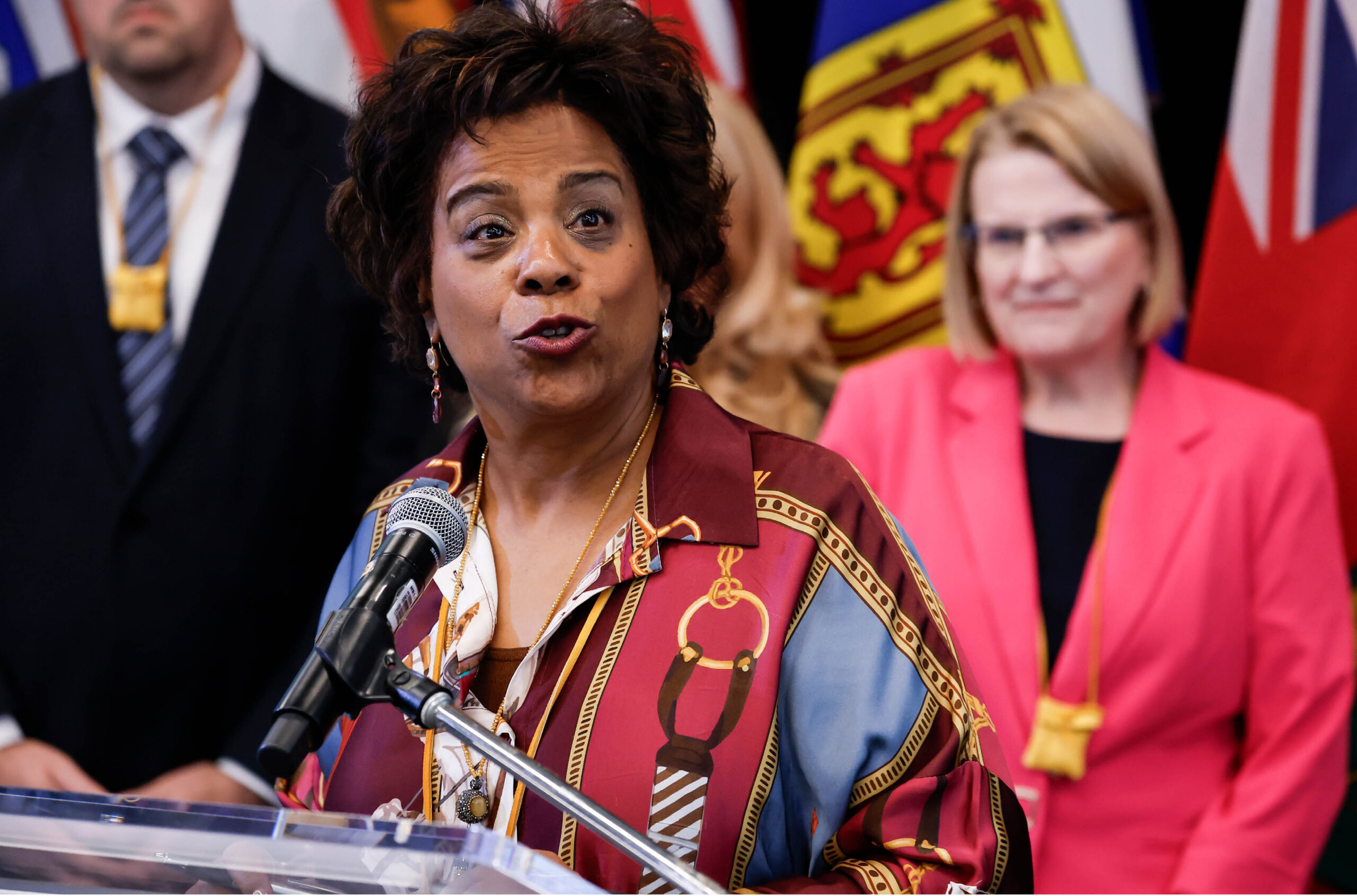
Feds announce $880 million for research
Funding will support both established health scientists and emerging cross-disciplinary researchers.
-

OCAD University celebrates 150 years of shaping Canadian culture
Art and design university launches $6-million campaign for 150 scholarships to mark 150th anniversary.
-

B.C. higher education: tweak or reform?
In the coming provincial election, parties offer different proposals for a system under strain.
-

Canada ‘muddling through’ without national research infrastructure strategy, panel finds
Expert report says fragmented governance and funding threaten Canada's research competitiveness and scientific sovereignty.
More from Budget
-
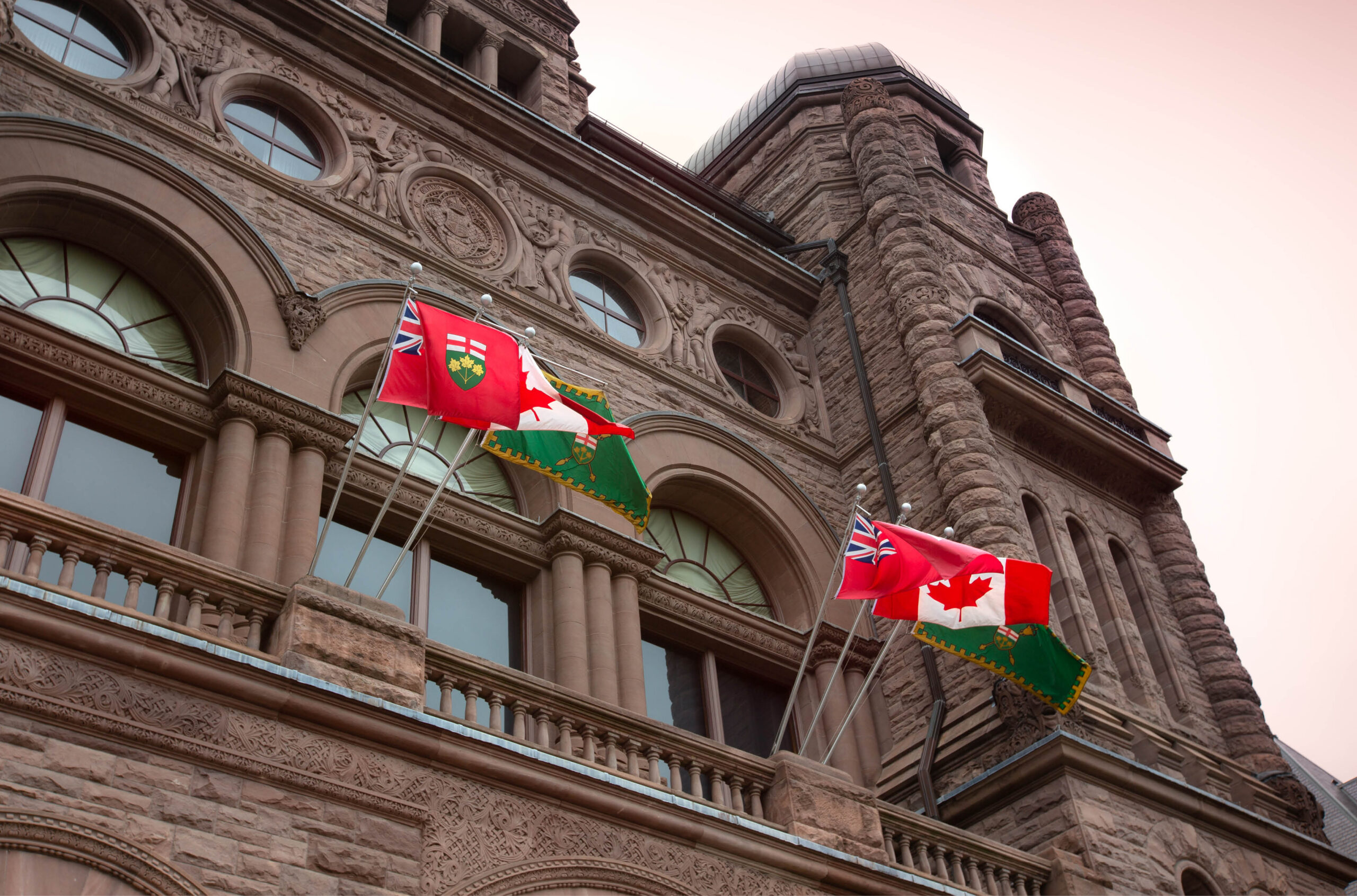
Ontario unis avoid fiscal abyss, still anticipate cuts
Universities relish a multi-billion-dollar provincial infusion, but budgeting remains frugal for 2026-27.
-
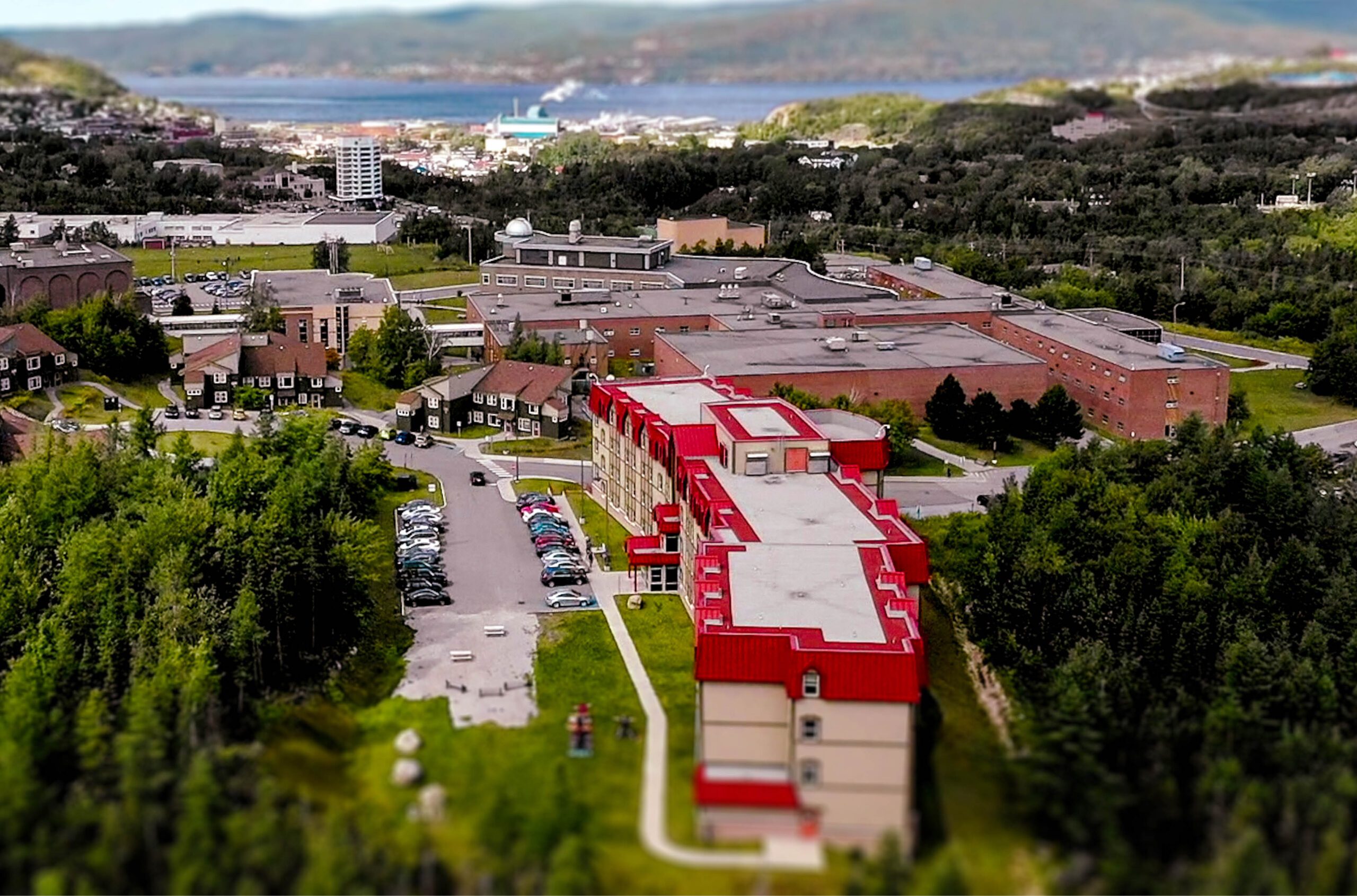
NL increases funding for post-secondary, confirms tuition freeze
Memorial University still faces “hard decisions” for upcoming operating budget.
-
Universities Canada, CAUBO warn federal action is needed as Canada’s universities face worsening financial outlook
A coordinated immigration policy, tax relief and fiscal crisis safeguards are recommended to sustain sector.
-
$21 M allocation gives USudbury ‘a solid foundation to build on’
Provincial funding allows the northern Ontario university to continue operating after its breakup with Laurentian.
More from Articles
-

Ottawa won’t restrict student visas from countries with high asylum-claim rates
India will help Canada ‘crack down’ on student program abuses, high commissioner says.
-

Students and seniors under the same roof
Intergenerational living helps with loneliness and the high cost of rent.
-

U Sports alum lace up for PWHL season
Canadian grads eager to show their mettle on women’s pro hockey teams.
-

The hidden problem of student homelessness
As high rents push more students into precarious housing, it's time to stop romanticizing the 'poor scholar'.


Post a comment
University Affairs moderates all comments according to the following guidelines. If approved, comments generally appear within one business day. We may republish particularly insightful remarks in our print edition or elsewhere.